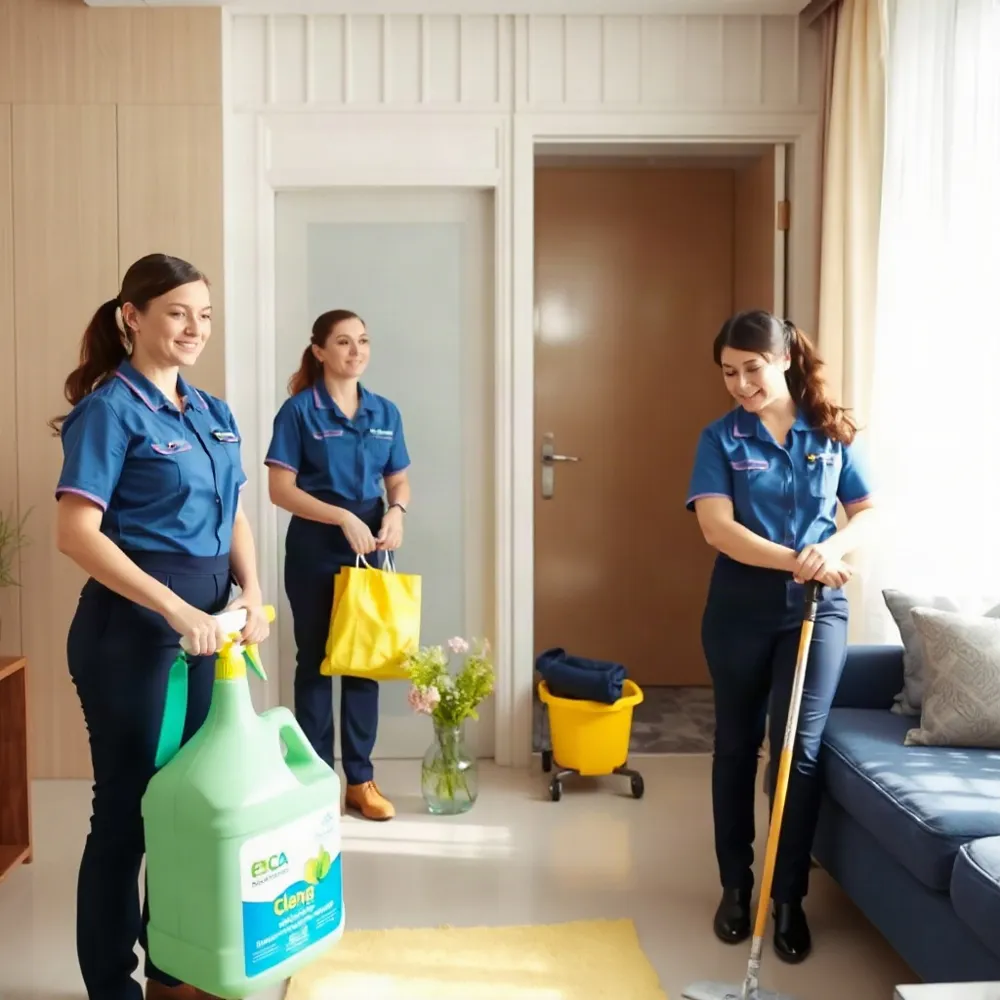
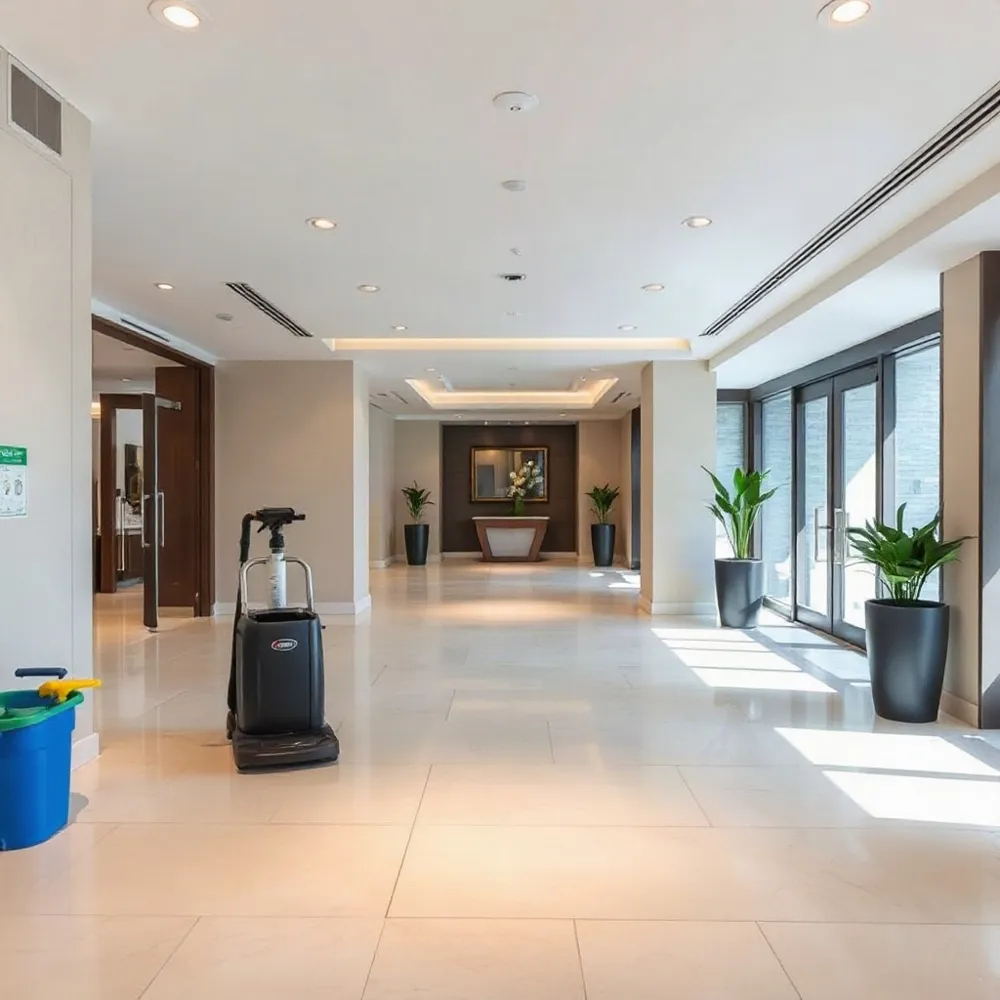
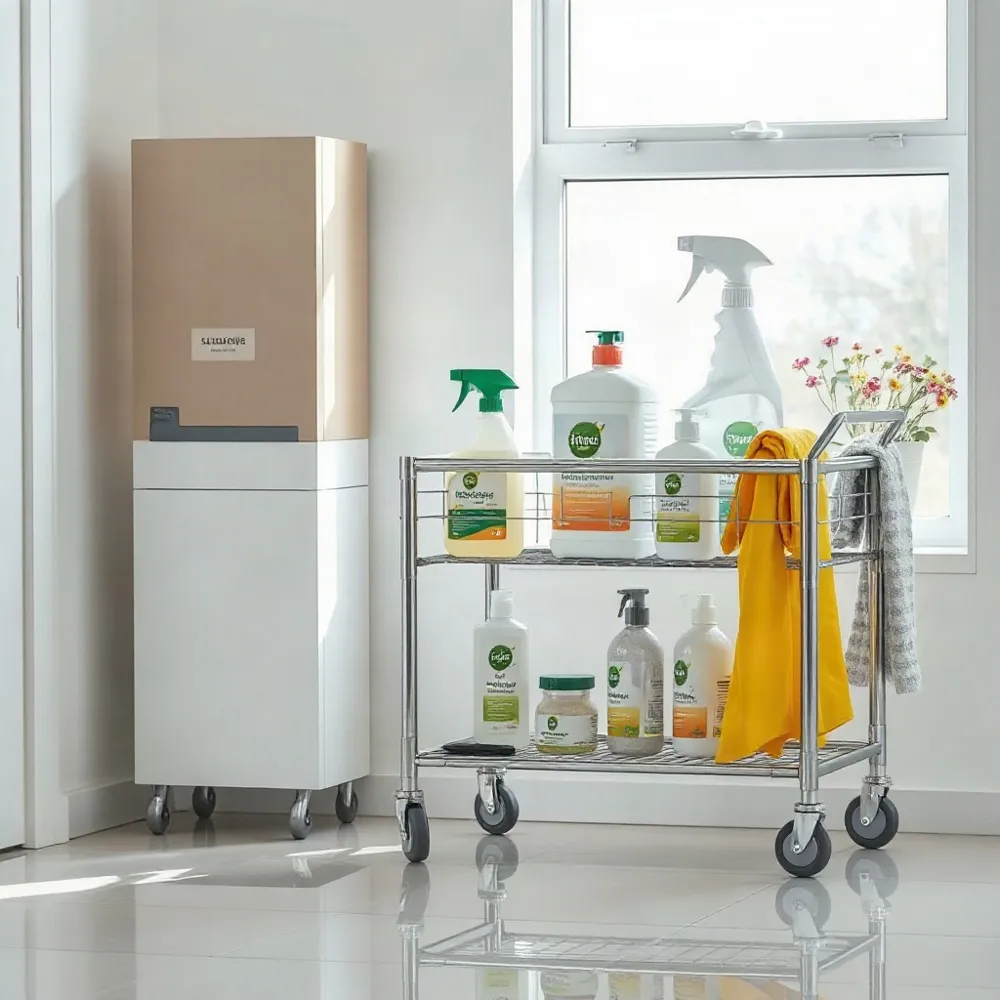
A Clean Office Starts With a Dedicated Janitorial Team


A Consistent Standard for the Workday
A reliably maintained office feels more comfortable for employees, presents a more professional impression to visitors, and helps property managers keep shared spaces in good order. Clean entrances, restrooms, kitchens, and meeting rooms also show that everyday upkeep has been considered, not left to chance.
When routine cleaning has a clearly assigned team, employees can focus on their work instead of taking turns managing facility tasks. A written scope helps everyone understand which areas are covered, how often they are cleaned, and where to report a concern.
The right plan depends on the building: its traffic, operating hours, and mix of private and shared spaces. As a locally owned Minneapolis company with more than 20 years of local experience, Bravo Cleaning emphasizes customized commercial cleaning rather than assuming every workplace needs the same routine. This article looks at how to define that scope, set a practical schedule, and maintain clear accountability.
What a Janitorial Plan Covers

Janitorial services are the recurring tasks that keep a workplace clean and presentable: collecting waste and recycling, cleaning restrooms, dusting, vacuuming, mopping, and tending to shared areas. A room-by-room janitorial scope helps clarify what routine upkeep includes and where additional services begin.
Commercial cleaning is a broader term. It can include scheduled janitorial work as well as less frequent or specialized jobs, such as carpet extraction, upholstery care, high-dusting, floor refinishing, and post-construction cleanup. These services may need separate scheduling and pricing, so a proposal should spell out what is included rather than leaving expectations to assumption.
A written agreement works best when it maps tasks to specific rooms and states how often each task is done. It can also identify waste streams and collection points, access requirements, and boundaries such as areas the crew should not enter. If desk cleaning is expected, specify it; staff may need to clear papers and personal items so surfaces are accessible.
Employees still manage their belongings and dishes, and can address ordinary spills when it is safe to do so. A cleaning team should not be expected to handle hazardous or unknown substances or take on repairs. Clear service boundaries prevent missed work and help occupants know whom to contact when a problem falls outside the cleaning plan.
For Minneapolis offices, Bravo Cleaning provides customized cleaning for commercial properties. A dedicated provider can coordinate recurring tasks and review work quality against the agreed scope, while the written plan gives property managers a practical basis for discussing changes as building needs shift.
Build a Schedule Around the Space

A useful cleaning schedule translates the building’s needs into clear assignments: which areas are covered, what gets done, how often, who is responsible, and how results are checked. Bravo Cleaning’s commercial services are tailored to the property rather than based on a single routine.
Set frequency according to occupancy, visitor traffic, operating hours, shared workspaces, and hygiene requirements. Restrooms, entrances, breakrooms, waste bins, high-touch surfaces, and floor spots often need daily attention. Busy shared areas may need more frequent care than private offices or storage rooms. A property-specific cleaning plan can help managers document tasks and frequencies by space.
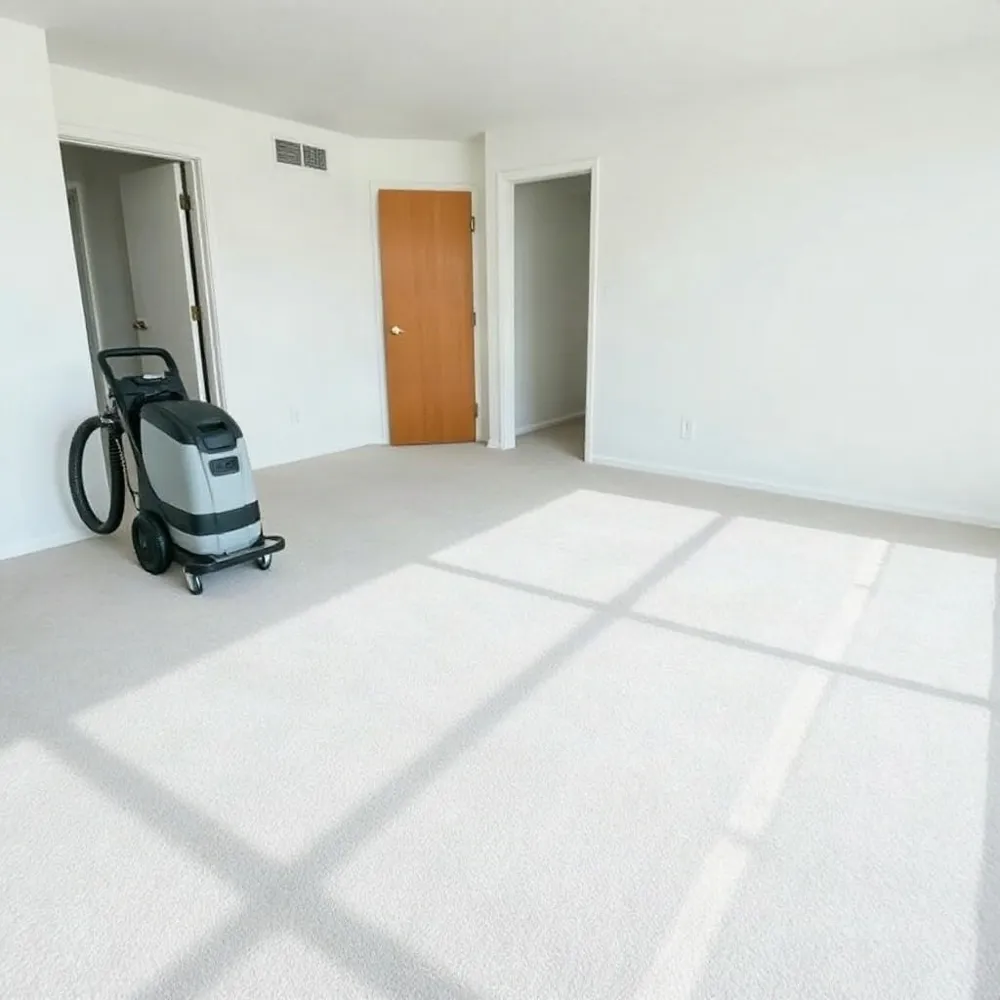
Weekly work may include thorough carpet vacuuming, detailed floor care, dusting, interior glass, and deeper cleaning of shared spaces. Periodic work can address carpet extraction, upholstery, high-dusting, or floor refinishing when traffic and surface condition call for it. Bravo Cleaning also specializes in carpet care, which can be scheduled separately from routine upkeep.
Plan visits to limit disruption, then review inspections and employee feedback to spot missed work or changing needs. Give staff one clear route for reporting spills, damage, missed tasks, or service concerns. Record the location, condition, time, and expected follow-up so the team can respond clearly.
Safe, ordinary spills can be handled promptly under the agreed procedures. Hazardous or unknown substances need an approved escalation process, while leaks, broken fixtures, and building-system problems should go to qualified maintenance personnel. A schedule that separates these responsibilities helps prevent unsafe assumptions and keeps cleaning staff focused on the work they are assigned.
Why Cleanliness Matters to People and Property
A clean workplace can support employee comfort and make shared areas more pleasant to use. Regular attention to desks, door handles, meeting rooms, kitchens, and restrooms helps limit the buildup of dirt and germs. Vacuuming and suitable carpet care can also address dust and allergens that collect in soft flooring, although cleaning alone cannot guarantee specific health or productivity outcomes.
Clean floors and prompt spill response matter for everyday safety. Spills should be handled quickly when it is safe to do so, while unknown or hazardous substances need an established response process. During mopping, visible wet-floor signs should remain in place until the floor is dry to help alert staff and visitors to possible slip hazards.
A tidy lobby, office, and restroom can create a welcoming impression for employees, clients, and visitors. Consistent floor and carpet care also helps maintain the appearance of a property over time. Bravo Cleaning, a locally owned Minneapolis company, provides commercial cleaning alongside turnover cleaning and carpet care.
Dependable results also rely on choosing products suited to each surface, checking equipment before use, and handling tools and cleaning products correctly. Careful methods can help protect furnishings and avoid unnecessary residue or odors. For more on shared spaces and high-touch surfaces, see how cleanliness shapes first impressions, health, and property longevity.
Choose a Provider With Clear Accountability
How can businesses choose a reliable commercial cleaning company? Start by checking relevant experience, references, insurance, staff training, and communication practices. Ask who supervises the work, how quality is reviewed, and how missed tasks or urgent concerns are handled.
Request a written scope that names the areas and tasks covered, service schedule, products, quality checks, and issue-reporting process. The plan should fit the building’s size, traffic, operating hours, and priorities, including carpet care or apartment and condominium turnover cleaning. Ask about eco-friendly product options and safe, label-compliant disinfection practices.
For Minneapolis-area businesses considering a local provider, Bravo Cleaning is locally owned. Its customized residential and commercial services include apartment and condominium turnover cleaning and carpet care. Request testimonials or case studies relevant to your property, and compare the proposed scope rather than relying on general assurances.
How much do commercial cleaning services cost? Estimates vary with square footage and layout, visit frequency, included tasks, access, business type, and the space’s condition. Specialized floor or carpet care and turnover work may also affect the price. Request a customized quote based on your schedule and priorities, then confirm exactly what the estimate includes. A clear scope makes proposals easier to compare and helps prevent different assumptions about service.
Bravo Cleaning can tailor plans for Minneapolis-area commercial properties, including apartments and condominiums. Businesses should confirm the proposed service area, task list, review process, and any specialty work directly when requesting an estimate.
A Safe, Thoughtful Cleaning Process

A professional cleaning visit starts with a walkthrough to confirm priorities, access, surfaces, and any special requirements. At Bravo Cleaning, tailored plans reflect the property and its needs, including commercial spaces and apartment or condominium turnover work.
After preparing supplies and the work area, cleaners remove waste included in the agreement and work from higher surfaces down. They give agreed attention to high-touch points, kitchens, and bathrooms, then finish with floors. A final check helps confirm completed tasks and flag follow-up needs. This sequence can be adjusted to fit building access, occupancy, and turnover timing.
Methods should match the surface and written scope. Electronics and specialty finishes may need particular care, while chemical products should be applied, diluted, and stored according to label directions. Staff should use suitable protective equipment and provide ventilation when product instructions call for it. Managers and cleaning teams can agree in advance on what to clean, what to avoid, and how to report damage or maintenance concerns.
Environmentally responsible options can include products with credible environmental certifications, microfiber cloths, reusable supplies, measured dosing, efficient equipment, and water-conscious methods. The right choices depend on the surface, occupancy, and cleaning goal. Bravo Cleaning emphasizes eco-friendly practices, while clients can ask what products and procedures are proposed for their building.
Clear communication and staff training support safe, consistent work. Before service begins, discuss product preferences, access arrangements, equipment needs, and any site-specific instructions. Share changes in occupancy or turnover deadlines promptly, then review completed work and follow-up items together.
For a practical walkthrough of priorities, access, surface care, and final checks, see this professional cleaning process checklist.
Make the Plan Work for Your Building
A janitorial plan works best when its scope, schedule, and reporting process fit the way a building is used. Before service begins, confirm which spaces and tasks are included, how concerns should be reported, and who will follow up.
Property managers and business clients can review those details with a site-specific estimate, then revisit the plan when occupancy, foot traffic, or facility needs change. Bravo Cleaning offers customized cleaning for commercial properties, with an approach shaped around each space rather than a single routine for every building.
For a Minneapolis-area property, exploring a tailored cleaning plan is a practical way to clarify responsibilities and discuss service needs before work begins.
Recent articles