How to Choose a Dedicated Team for Your Property


Start With Your Property’s Needs
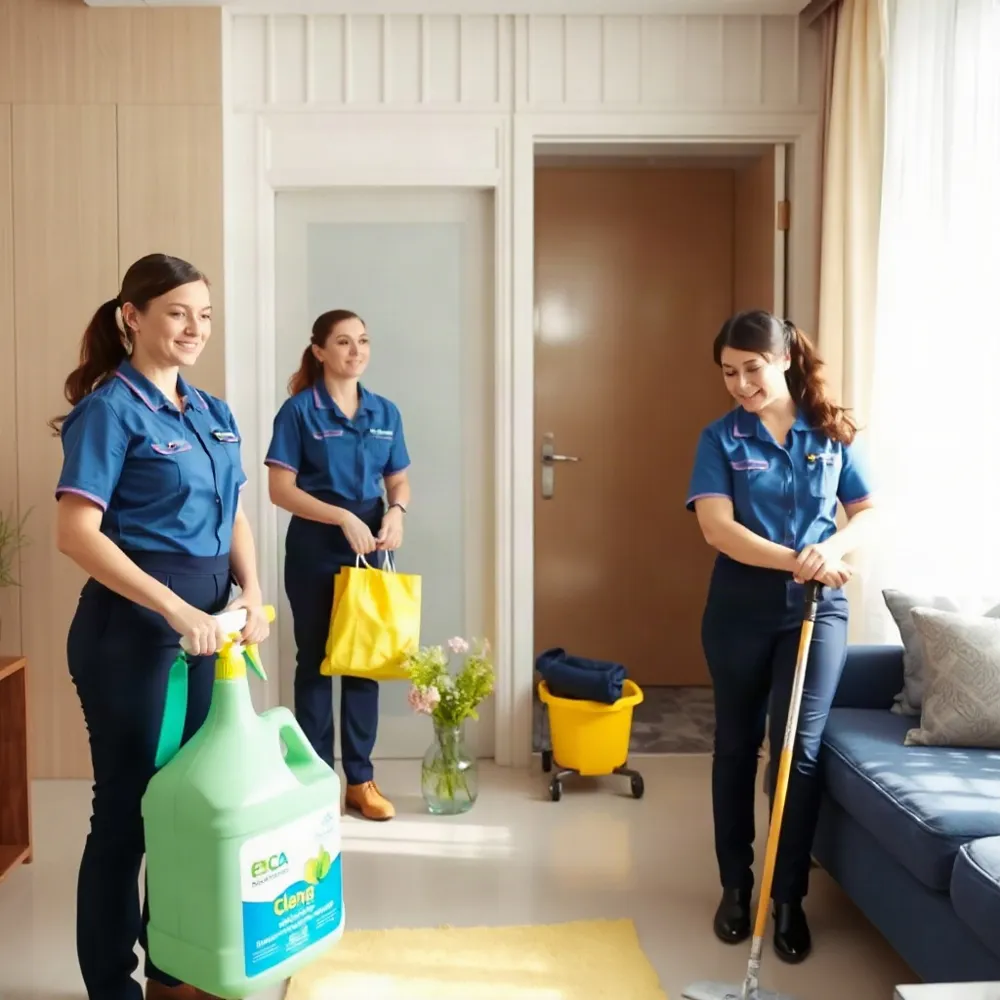
Choose a cleaning provider by starting with the property, not the price. An apartment building with frequent turnovers has different needs from a condominium’s shared spaces or a busy workplace. Consider how residents and staff use each area, where traffic is heaviest, and whether priorities include routine upkeep, carpet care, or move-out cleaning.
A dedicated team can support recurring service while adapting to changes in occupancy, access, or workload. At Minneapolis-based Bravo Cleaning, customized residential and commercial services include apartment and condominium cleaning, turnover work, and carpet care. Its local experience provides a basis for assessing whether a provider understands the needs of properties like yours.
Before comparing proposals, clarify the work and schedule, how quality will be checked, whether staffing is consistent, and how concerns are reported. Ask which products and equipment the team brings, especially if occupants have sensitivities or environmental preferences. For broader evaluation, cleaning contractor selection factors include training, scheduling flexibility, and the ability to tailor service to a facility.
Assess the Provider and Its Service

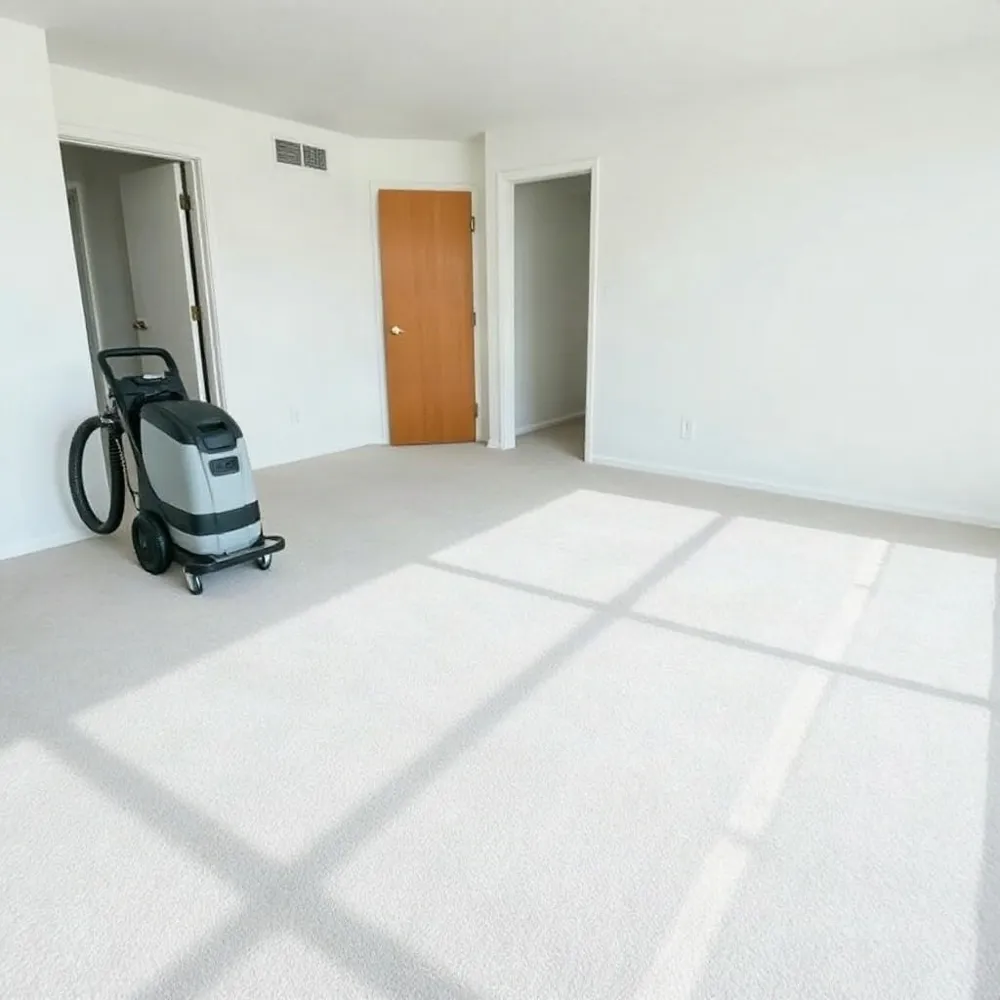
A suitable cleaning provider should have experience that matches the work your property requires. Compare its service range with your needs, whether that means recurring commercial cleaning, apartment turnovers, or carpet care. Bravo Cleaning serves residential and commercial properties in Minneapolis, including apartment and condominium buildings, with a focus on turnover cleaning and carpet care.
Ask for a written scope and estimate before service begins. It should state which areas and tasks are included, how often work will take place, what supplies and equipment the provider brings, and whether specialty services or additional requests cost extra. Clarifying these details helps you compare proposals on the work provided, not just the quoted price.
Ask who will clean the property, how staff are trained and screened, and whether the same team is expected at each visit. Find out what happens when a cleaner is absent and how urgent requests are handled. A provider with more than 20 years of local experience, such as Bravo Cleaning, can discuss how its service is organized for the properties it serves.
Quality checks and communication matter after the agreement is signed. Ask how work is inspected, whether findings are recorded, who your regular contact will be, and how missed tasks or concerns are corrected. Standardized procedures can help teams deliver consistent service; ISSA’s guidance on cleaning-process training describes how documented steps support consistent work.
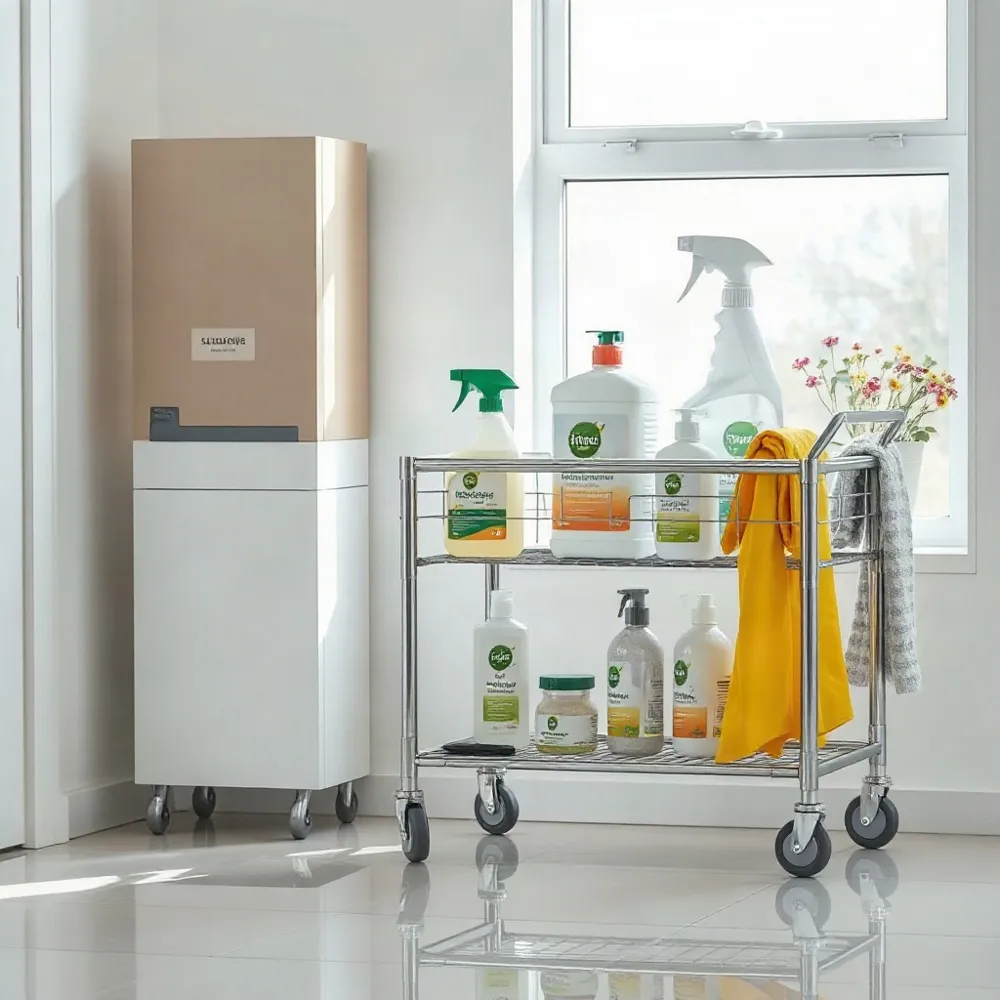
Discuss products and equipment before the first visit, especially if residents or staff have sensitivities or the property has environmental preferences. Ask whether the provider can offer suitable eco-friendly options, rather than assuming its products meet a particular standard. Bravo Cleaning highlights eco-friendly practices and can discuss product choices in relation to a property’s needs.
Review both positive and negative feedback, then request references from clients with comparable properties or service needs. Ask references about reliability, communication, and how the company handled problems. A trial visit or limited initial engagement can provide a practical way to evaluate the work before committing to recurring service. For more on comparing a provider’s experience and services with a property’s needs, see how property managers can assess a cleaning partner.
Build a Predictable Cleaning Program

A written scope, checklist, and schedule help cleaning teams coordinate work across apartments, condominiums, and commercial spaces. Bravo Cleaning’s property-specific cleaning guidance describes how site-specific procedures can reflect the needs of residents and property managers, rather than relying on a generic routine.
Set recurring tasks for high-traffic areas, then plan periodic deep cleaning and carpet care around each building’s use and condition. A documented process can also support more consistent work: ISSA’s residential cleaning training guidance notes that documented procedures help teams follow steps consistently and reduce missed tasks (ISSA’s training guidance).
Turnover calendars and busy periods deserve a place in the plan. Managers can share anticipated move-outs, occupancy changes, events, and renovation work early, allowing the provider to coordinate unit cleaning and common-area service before pressure builds. Bravo Cleaning’s local experience includes turnover cleaning and carpet care, services that can be scheduled alongside routine upkeep.
Agree in advance on entry procedures, who supplies products and equipment, and how schedule or scope changes will be approved. Confirm whether environmentally preferable products are suitable for the property and occupants, and ask the provider to describe the methods it can support rather than assuming every product is appropriate.
Regular service reviews give managers and cleaning teams a practical way to discuss missed tasks, changing priorities, and needed corrections. Consistent attention may also limit dirt buildup and avoidable wear on floors, carpets, fixtures, and other surfaces, though results depend on the building and care plan. A predictable routine makes those responsibilities clearer without treating upkeep benefits as guaranteed savings.
Connect Cleaning to Property Operations

Clean lobbies, hallways, offices, and shared spaces shape the impression a property makes on tenants, employees, visitors, and prospective clients. Regular attention to dirt and high-touch surfaces also supports a more comfortable, hygienic environment, while helping limit buildup on carpets, floors, and fixtures that can contribute to avoidable wear.
For property managers, assigning this work to an experienced provider can free time for leasing, maintenance, and resident or staff concerns. A commercial cleaning contractor may coordinate service around daily operations and adjust the plan to high-traffic areas and changing priorities, as Facility Executive describes.
Bravo Cleaning serves residential and commercial properties in Minneapolis, with experience in turnover cleaning and carpet care. A property manager can discuss how those services fit alongside routine common-area cleaning, then set a schedule that reflects building traffic, priorities, and budget. For broader planning, see how cleaning supports property operations.
Ask what products the provider uses and whether lower-impact options are available for the property’s needs. Confirm the products and practices directly rather than assuming every service includes eco-friendly methods.
Make the Checklist Property Specific
A useful house-cleaning checklist reflects the home’s layout, condition, priorities, and agreed service scope. For a Minneapolis home or rental property, Bravo Cleaning’s customized residential services can be matched to the tasks and areas that matter most, rather than assuming every visit follows the same template.
Cover the kitchen, bathrooms, bedrooms, living areas, entryways, and floors. Write tasks plainly: dust surfaces and fixtures, clean counters and sinks, sanitize toilets, showers, and tubs, wipe appliance and cabinet exteriors, empty trash, and vacuum or wash floors. Clear instructions help both the homeowner and cleaning team understand what a completed visit includes.
Document special requests such as carpet care, extra attention to high-touch areas, or move-in and move-out cleaning, then confirm whether each is included or needs a separate arrangement. ISSA’s account of residential cleaning training describes how documented procedures can help teams follow consistent processes and avoid missed tasks. This is a general example, not evidence that a particular provider uses that program.
For recurring service, note which tasks belong on every visit and which can happen less often. Review the checklist when occupancy, household routines, or the home’s condition changes. Bravo Cleaning also offers carpet care, which can be specified separately when floor maintenance is part of the home’s priorities.
Set Realistic Time Expectations
How long does it take to clean a three-bedroom house? As a planning range, a routine clean may take about 3-5 hours for one cleaner or roughly 1.5-3 hours for a two-person team. Planning cleaning time also helps you coordinate access and avoid disrupting residents or staff.
A deep clean may take 5-8 hours or longer, especially when the home has several bathrooms, heavy buildup, or added tasks such as oven or carpet cleaning. These are estimates, not guarantees. The actual duration depends on the home’s size and condition, the rooms requested, and the services included.
Before booking, share the property details and checklist, then confirm the expected arrival time and approximate duration. A responsive provider should explain what its estimate assumes and flag any uncertainty. For homes and properties across Minneapolis, Bravo Cleaning brings more than 20 years of local experience to customized cleaning, including turnover work and carpet care.
Choose for Consistency and Fit
The right dedicated team is the one whose written scope, schedule, communication, and quality checks fit your property’s actual needs. Compare those details and speak with verified references before committing. Bravo Cleaning brings more than 20 years of local experience to customized residential and commercial cleaning, including turnover work and carpet care.
Once service begins, agree on how to report concerns and review results, then revisit the plan when occupancy or priorities change. A clear, adaptable arrangement makes cleaning a practical part of property upkeep and helps maintain spaces that feel ready for residents, employees, and visitors.
Recent articles