How Reliable Cleaning Schedules Prevent Last-Minute Scrambles


Why Planning Beats the Last-Minute Rush
When guests are due, the workday is about to begin, or a tenant is moving out, cleaning can quickly become a scramble. Trying to handle every task at once leaves little room to notice overlooked areas or deal with unexpected messes.
A planned routine makes recurring work visible and spreads it across manageable intervals. For property managers, a schedule can clarify what needs attention, when it should happen, and who is responsible, reducing reliance on last-minute fixes.
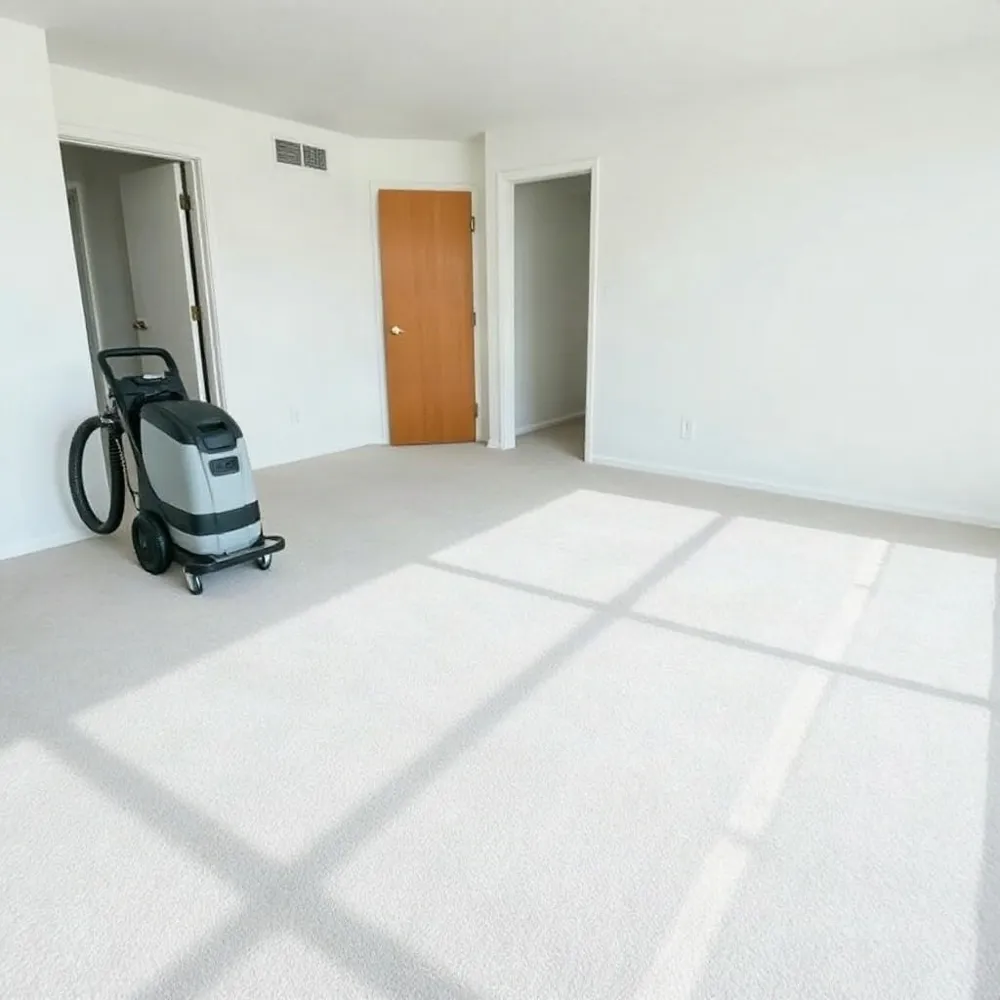
The right plan depends on how a property is used, its traffic, surfaces, and operating hours. Bravo Cleaning provides customized services for homes and commercial properties, including turnover cleaning and carpet care, rather than treating every space as if it needs the same routine. A schedule should be reviewed when occupancy or property needs change.
Build a Manageable Home Routine

A practical home schedule begins with the rooms and chores that matter most, not a long list of every task that could be done. Match those priorities to the time you actually have and the way your household uses each space. A short written plan can help turn a vague intention to clean into manageable steps.
Set aside about 10 to 15 minutes for a daily reset: wash dishes, wipe kitchen counters, tidy shared spaces, and clear high-traffic floors. The aim is to keep everyday mess from piling up, not to make the home spotless. Breaking work into small tasks is generally easier to maintain than trying to deep-clean the whole house in one session.
Give larger chores a place in the week. For example, you might clean bathrooms and change bedding on one day, then vacuum and mop on another. Add less frequent jobs, such as cleaning appliances, wiping baseboards, and tending to little-used areas, to a monthly or seasonal reminder. Treat these as a starting point, not a fixed timetable.
Adjust the plan to your household. Pets, children, and heavily used rooms may need more frequent attention, while quieter spaces may need less. A simple checklist or calendar can show what is due and make it easier to share responsibilities. If the routine repeatedly slips, reduce the workload or move tasks to days that fit better.
For a flexible approach to household tasks, Bravo Cleaning’s guide to eliminating household chores for a stress-free weekend offers a room-by-room scheduling perspective. Bravo Cleaning also provides customized residential cleaning services, with options shaped around the home and its needs. A realistic routine should support daily life, rather than become another source of pressure.
Plan Commercial Cleaning Around the Property

A commercial cleaning schedule should begin with the building itself, not a preset list of tasks. Assess its size, floors, layout, accessibility, traffic patterns, uses, surfaces, operating hours, and desired level of cleanliness. This gives managers and cleaning teams a practical basis for setting the scope of work. A tailored cleaning plan can account for these property-specific details.
Next, match attention to how each area is used. Entrances, lobbies, restrooms, elevators, kitchens, and break rooms often see more activity than storage rooms or quiet offices, so they may need more frequent cleaning. Bravo Cleaning provides customized commercial services, with experienced staff and eco-friendly practices that can support a plan shaped around the property rather than a one-size-fits-all routine.
Set frequencies that fit each task
Daily, weekly, and monthly categories offer a useful starting framework, but they are not universal requirements. Daily work might include trash removal, restroom care, floor upkeep, and cleaning frequently touched surfaces. Weekly tasks could include detailed dusting, carpet care, and cleaning interior glass, while floor waxing, power washing, or pest control may be scheduled periodically when the property needs them.
Operating hours and traffic should guide the timing. Lower-traffic periods can be suitable for floors or other work that might interrupt staff and visitors. Busy buildings may also need daytime attention to high-touch points, restrooms, or urgent spills. Agree in advance on task lists, supply restocking, and who should be contacted when an unexpected issue arises.
Review the plan when seasons or property conditions change. Winter weather may call for more attention to entrances and floors, while outdoor areas may require different care in warmer months. A new tenant, renovation, event, or shift in occupancy can also change traffic and cleaning needs. A provider such as Bravo Cleaning can help adapt an eco-conscious routine as the property changes, keeping the schedule practical without treating a fixed frequency as a rule.
Turn the Schedule Into a Useful Checklist

A schedule sets out when cleaning is due; a checklist records what was completed. Keeping both makes expectations clear for cleaning staff and property managers, while giving them a practical way to spot missed tasks and recurring issues.
What should an office cleaning checklist include?
Start with routine tasks: remove trash and recycling, clean restroom and break-room surfaces, wipe high-touch points, and sweep or vacuum busy walkways. Add periodic work such as dusting vents and blinds, cleaning interior glass, and giving carpets or hard floors a thorough clean. The right frequency depends on occupancy, flooring, and how each area is used.
Make the checklist specific to the property. Note which areas need disinfecting, which products are suitable for their surfaces, whether shared workstations need attention, and when soap and paper supplies should be replenished. At Bravo Cleaning, service plans are customized for each property, with eco-friendly practices considered where appropriate.
Assign an owner to each task and identify who checks the work. A dated sign-off or supervisor inspection can show whether routine items were completed and help reveal patterns, such as a walkway that repeatedly needs attention. Staff should also know where to report urgent spills and maintenance concerns.
Cleaning checks can flag issues beyond dirt, including leaks, damaged flooring, low supplies, or unusual odors. Record the concern and direct it to the person responsible for repairs or restocking rather than leaving it on the cleaning list. Bravo Cleaning's flexible service options can accommodate work outside busy hours, helping reduce disruption while routine upkeep continues.
Use the checklist as a working record, not a fixed script. Review it when occupancy, business hours, or property needs change, and adjust task assignments or timing accordingly. For more guidance on distinguishing due dates from completion records, see how to build a cleaning schedule around your business.
Keep the Plan Adaptable
A useful cleaning schedule reflects how a home or property is actually used. Set achievable priorities, name who is responsible, and track completed work so missed tasks or recurring trouble spots are visible. Review the plan when occupancy, operating hours, seasons, or household routines change, and adjust task frequency instead of forcing a fixed schedule to fit.
For property managers, a tailored routine can account for different spaces and services, including turnover cleaning and carpet care. Bravo Cleaning is a locally owned Minneapolis company with customized residential and commercial cleaning services. Whether managing a home or a multi-unit building, start with the work that matters most, then refine the plan as real conditions show what needs more or less attention.
Recent articles