What Makes Commercial Cleaning Different From Residential Cleaning?


Introduction to Cleaning Realities
Cleaning is an essential service that varies significantly depending on whether it is applied in commercial or residential settings. Understanding the differences between commercial and residential cleaning services reveals why each requires unique approaches, technology, and expertise. From specialized equipment and strict hygiene standards in commercial spaces to personalized and flexible practices in homes, this article explores what makes commercial cleaning fundamentally different from residential cleaning, highlighting key aspects such as training, tools, schedules, and service scope.
Scope and Environment: Contrasting Cleaning Realms

What types of spaces are served by commercial versus residential cleaning?
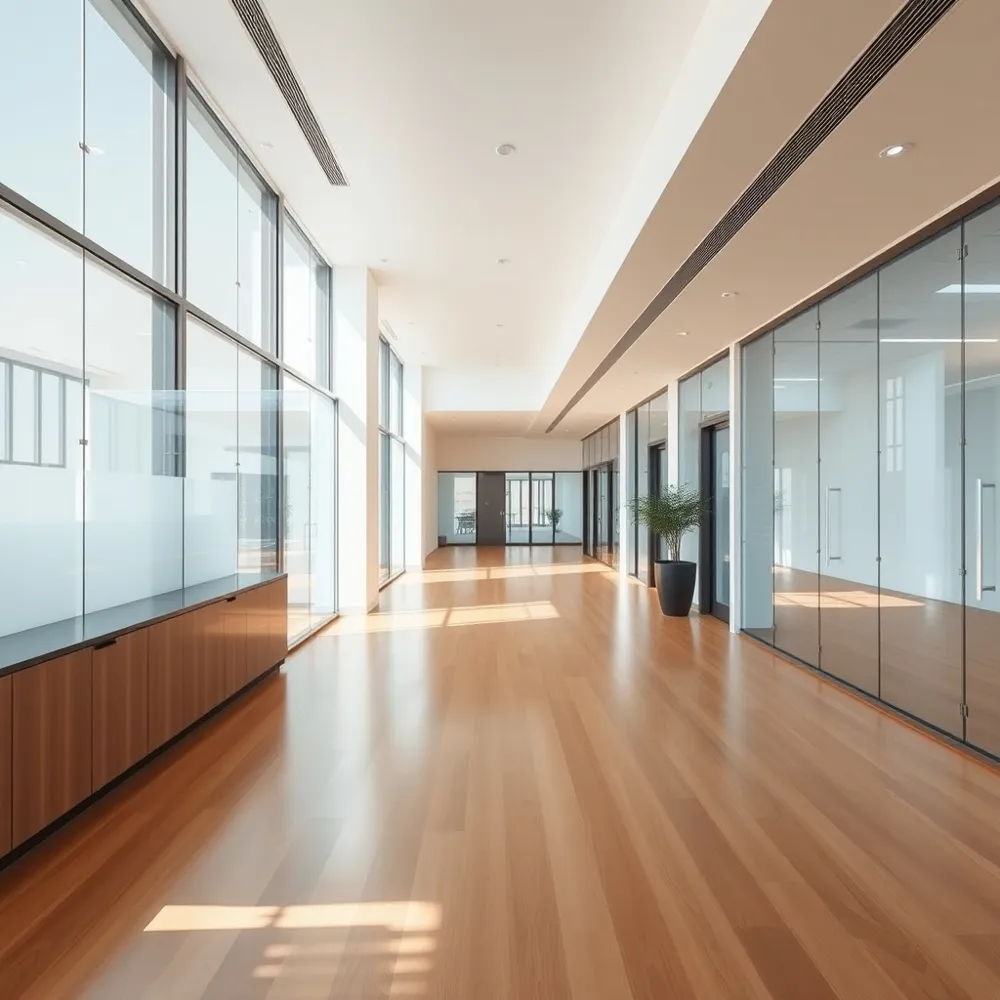
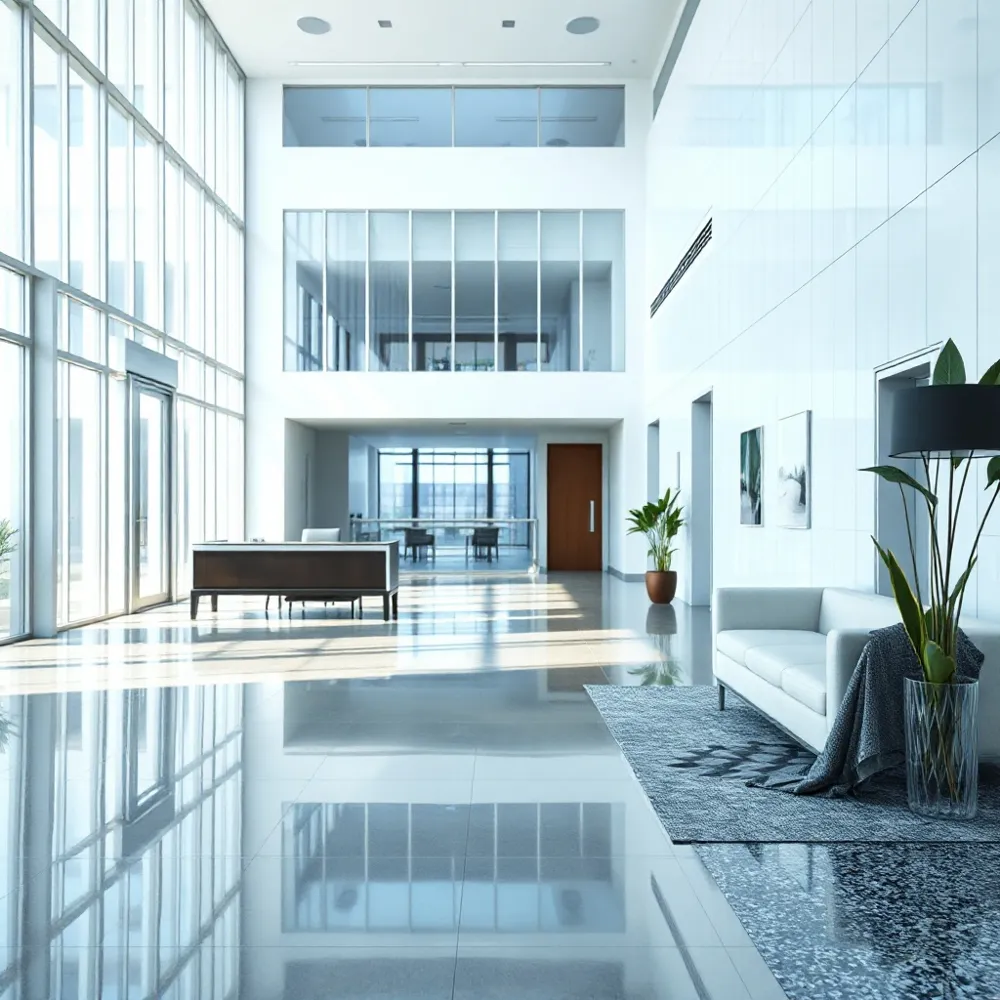
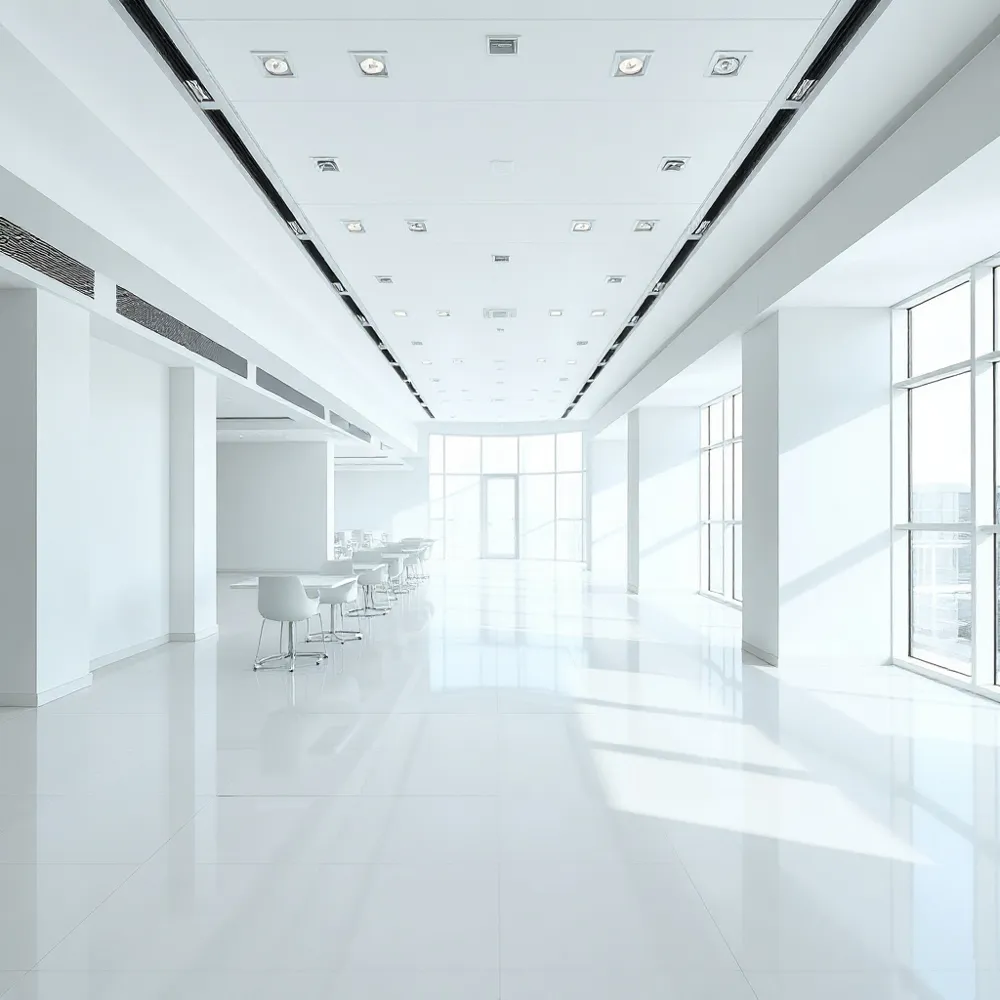
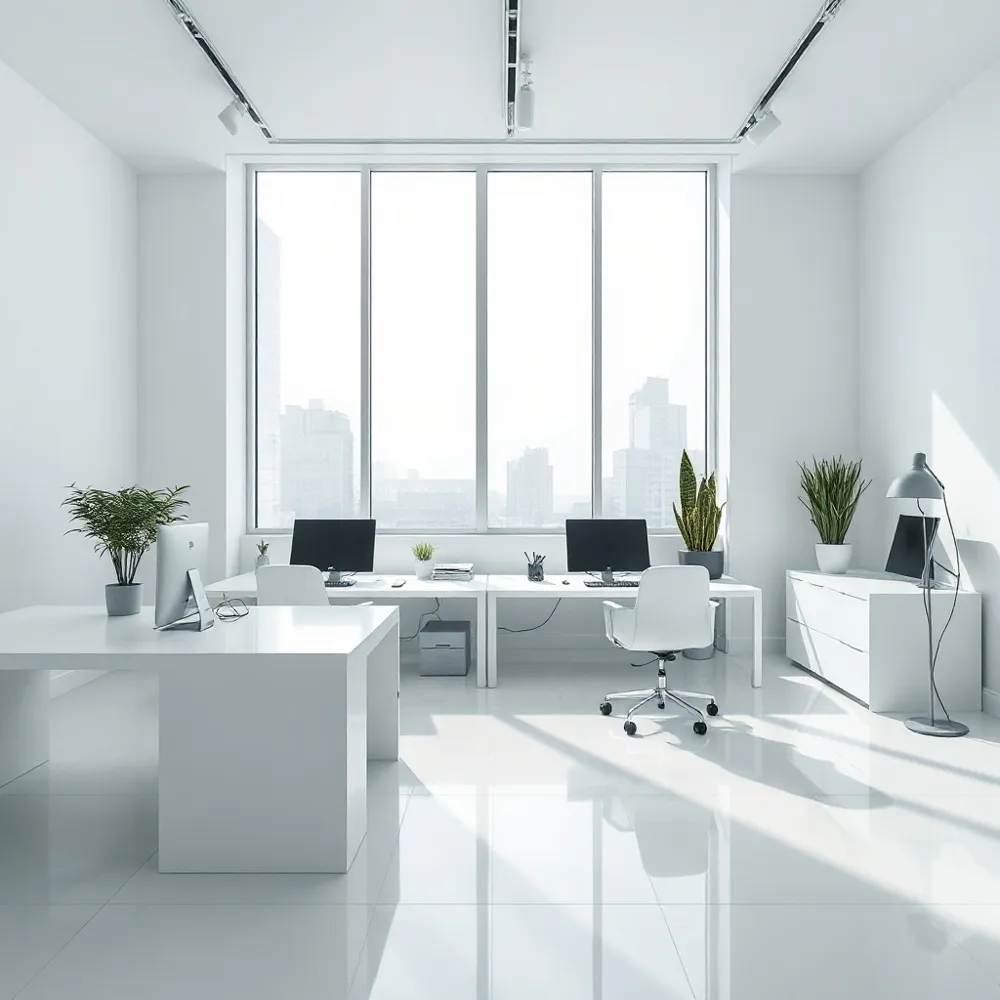
Commercial cleaning caters to a broad variety of large-scale and specialized environments. These include office buildings, medical facilities, schools, retail outlets, warehouses, industrial sites, and other public or business spaces. These areas require cleaning solutions that address diverse surfaces, equipment, and high-traffic zones (Types of Commercial Spaces, Specialized cleaning for commercial environments).
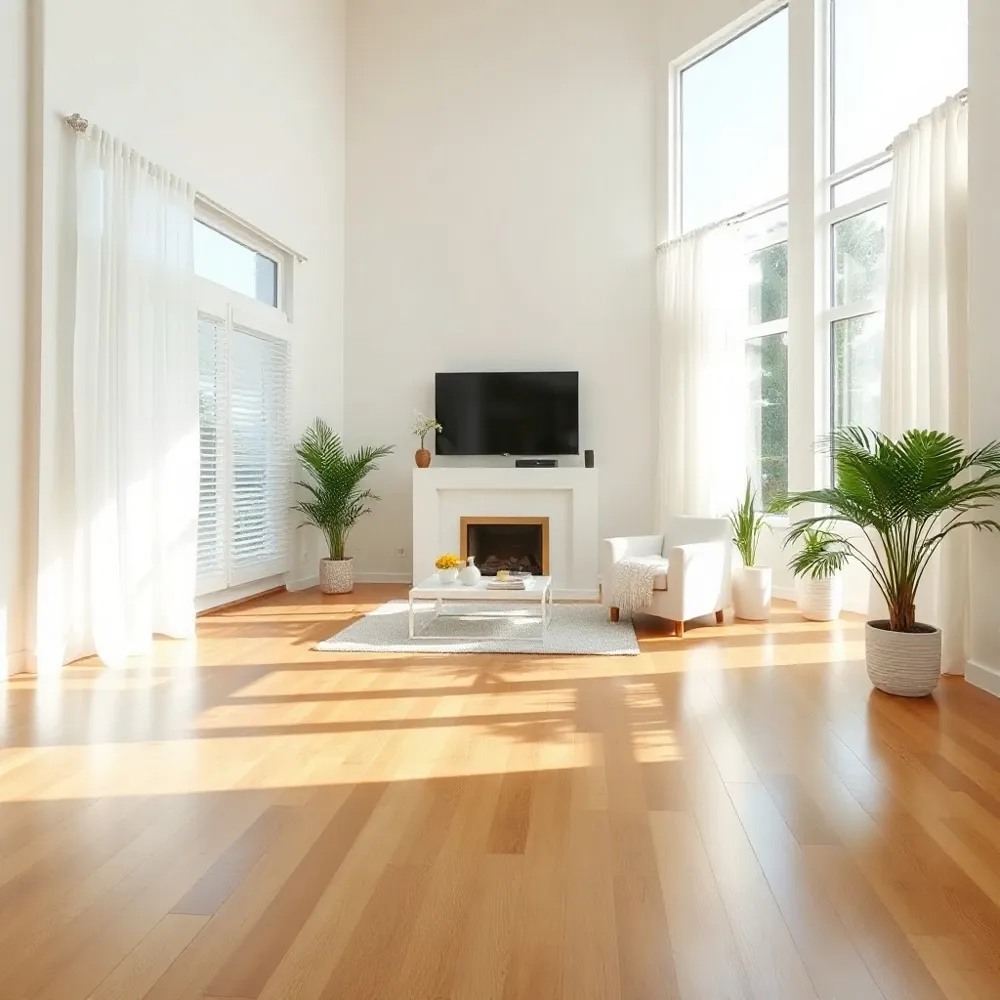
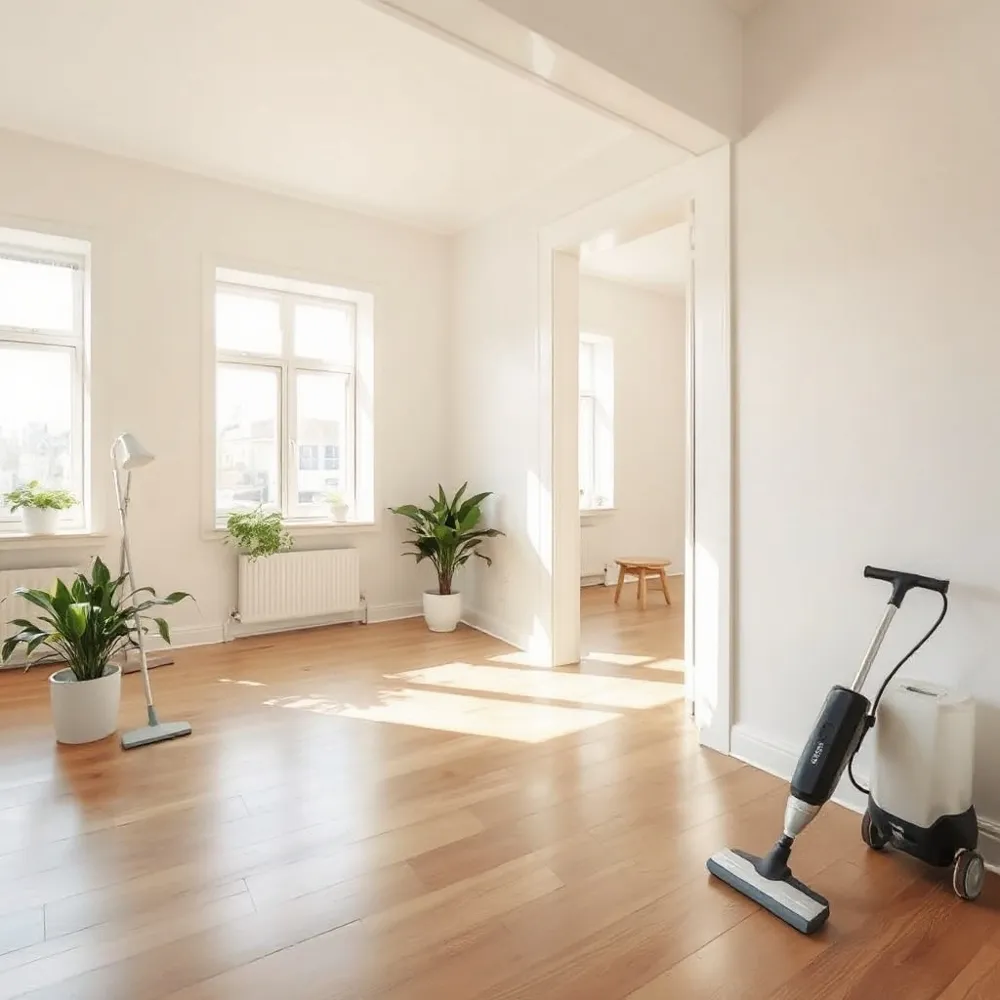
Residential cleaning, on the other hand, focuses on private living spaces such as individual homes, apartments, and condominiums. The priority in residential settings is to maintain comfort, presentation, and a stress-free environment through regular upkeep (Residential cleaning variations, Cleaning for private homes and apartments).
How do the scales and complexity differ between commercial and residential cleaning?
Commercial cleaning tackles much larger and more complex spaces compared to residential cleaning. It involves multiple specialized areas within one building, such as restrooms, break rooms, offices, and specialized medical or industrial zones, each demanding specific cleaning standards and procedures. High foot traffic intensifies the need for continual and thorough maintenance (Commercial cleaning tasks and processes, Hygiene standards in commercial cleaning).
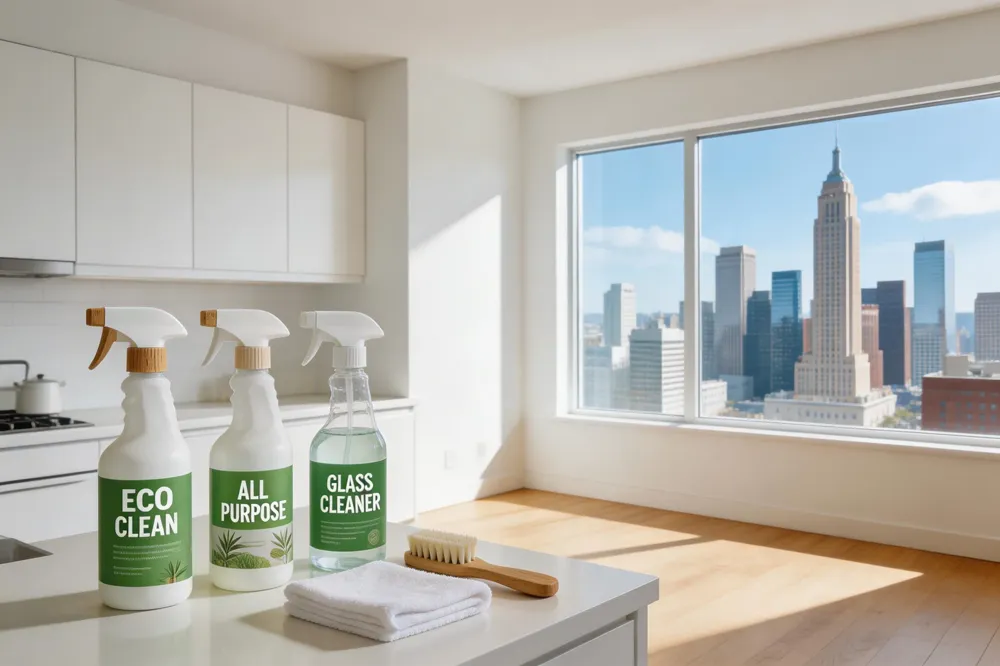
Conversely, residential spaces are smaller and more uniform, concentrating on personalized rooms like kitchens, bedrooms, and living areas. These settings usually require less complicated cleaning methods and tools tailored for everyday household maintenance (Residential cleaning tasks, Residential cleaning equipment quality.
What is the typical cleaning frequency for commercial versus residential services?
Commercial cleaning is often conducted daily or multiple times throughout the day, especially in environments with strict health and safety regulations or high visitor numbers. This frequent cleaning ensures hygiene standards are consistently met and workspaces stay safe and presentable (Cleaning frequencies in commercial cleaning, Scheduling for commercial cleaning.
Residential cleaning is generally scheduled less frequently, often on a weekly, biweekly, or monthly basis. This schedule supports sustaining a comfortable and clean personal living environment without the intensity required in commercial settings (Scheduling for residential cleaning, Residential cleaning schedule).
These distinctions in scope, environment, and frequency highlight the necessity of choosing cleaning services suited specifically to the nature and demands of the space needing care (Differences between commercial and residential cleaning.
Training, Standards, and Regulatory Compliance in Cleaning

What training and qualifications differentiate commercial cleaners from residential cleaners?
Commercial cleaners receive specialized training to meet strict industry requirements. This training covers chemical safety, effective cleaning techniques, and adherence to regulations such as OSHA standards, HIPAA for healthcare settings, and food safety protocols. Their expertise is tailored to maintain hygiene in complex environments like offices, medical facilities, and schools.
In contrast, residential cleaners typically undergo less formal training. Their focus is on customer satisfaction and using safe cleaning methods suitable for homes, without the necessity to comply with extensive regulations (Differences Between Commercial and Residential Cleaning.
How do regulations impact commercial cleaning practices compared to residential cleaning?
Commercial cleaning services must comply with multiple layers of regulations. These include city ordinances, state sanitation requirements, federal hazardous waste disposal rules, and industry-specific safety standards. Compliance ensures health and safety within large-scale or sensitive environments such as hospitals and food establishments (Commercial vs. Residential Cleaning Differences).
Residential cleaning operates with minimal regulatory oversight. It mainly follows personalized client preferences and safety norms appropriate for private living spaces (Commercial Cleaning vs Residential Cleaning: What’s the Difference?.
Why is bonding and insurance more common in commercial cleaning companies?
Commercial cleaning firms are often bonded and insured, offering clients protection against property damage, theft, or accidents during service. This insurance reflects a higher level of professional accountability and risk management crucial for business clients.
Residential cleaners frequently do not have bonding or insurance, which can expose homeowners to potential liabilities if issues occur during cleaning (Risks with uninsured residential cleaners.
This combination of comprehensive training, strict adherence to regulations, and firm insurance policies distinguishes commercial cleaning professionals from residential providers, ensuring reliability and safety across diverse environments.
Equipment and Techniques: The Technology Divide
What distinguishes the equipment used by commercial cleaners from residential cleaners?
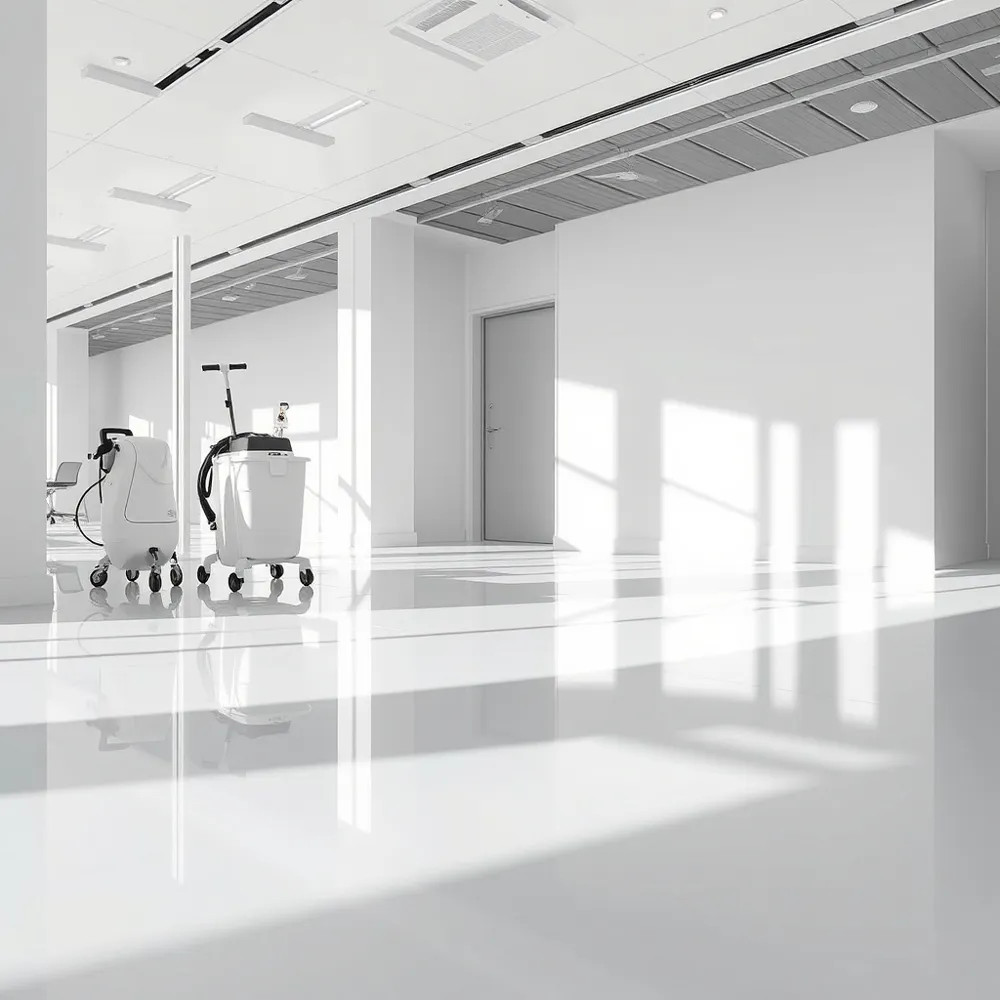
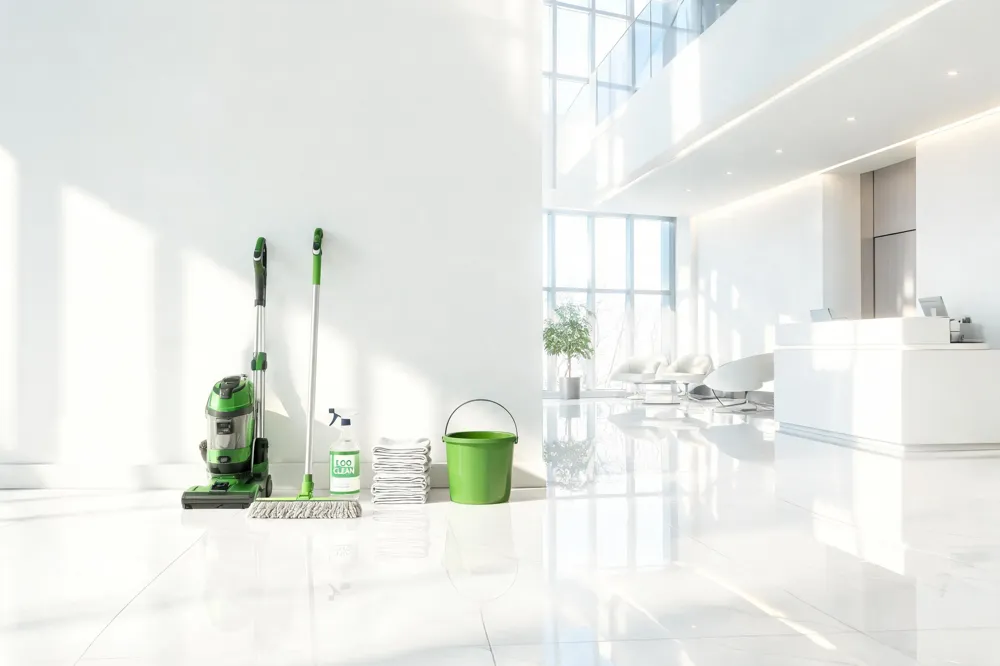
Commercial cleaning relies on heavy-duty, industrial-grade cleaning equipment that ensures comprehensive and efficient cleaning of large and complex spaces. This includes powerful vacuums with HEPA filters, floor buffers, carpet extractors, pressure washers, and electrostatic sprayers. These tools are designed to cover extensive areas quickly and manage tough stains and dirt often found in commercial environments. In contrast, residential cleaning typically utilizes lighter, consumer-grade tools like standard vacuum cleaners, mops, and household cleaning gadgets suitable for smaller living spaces.
How do cleaning techniques and products differ between commercial and residential services?
Commercial cleaning employs specialized and advanced methods such as electrostatic spray disinfection, which uses charged aerosol mist to coat surfaces evenly for thorough sanitation. Techniques like steam cleaning and deep carpet extraction tackle embedded grime and allergens efficiently. Additionally, commercial services often implement rigorous hygiene protocols adhering to industry standards and use environmentally friendly, industry-certified cleaning solutions. Residential cleaning methods tend to be simpler, focusing on basic vacuuming, dusting, and disinfecting using standard household cleaners without adhering to strict commercial-grade sanitation procedures.
Are green and sustainable cleaning practices applied differently in commercial versus residential cleaning?
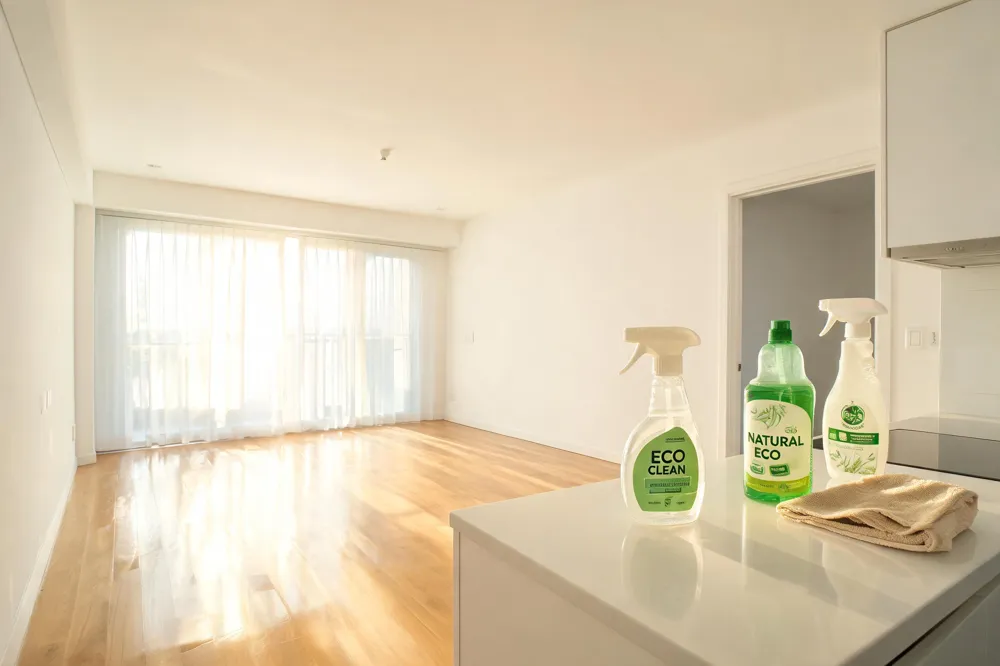
Green cleaning is a growing priority in commercial cleaning, where companies adopt biodegradable, non-toxic, and VOC-free products to protect employee health and minimize environmental impact. Use of Green Seal–certified chemicals and eco-friendly technologies is more prevalent and often integrated into regular cleaning routines to meet corporate sustainability initiatives. While some residential cleaners opt for green products, it is not uniformly practiced nor as regulated within the residential cleaning market, making eco-friendly cleaning more of a consumer-driven choice than an industry standard.
Scheduling, Customization, and Service Scope
How does scheduling differ between commercial and residential cleaning?
Commercial cleaning is frequently performed during off-business hours such as nights or early mornings. This scheduling choice minimizes disruption to normal business operations and often involves regular contractual maintenance, ensuring ongoing cleanliness. On the other hand, residential cleaning tends to be more flexible, with services typically arranged during daytime hours fitting the homeowner's lifestyle and preferences. Common residential frequencies include weekly, biweekly, or monthly cleaning visits. For more information, see Scheduling for commercial cleaning and Scheduling for residential cleaning.
In what ways do commercial cleaning services offer more customization compared to residential services?
Commercial cleaning plans are extensively customized to fit the unique demands of different businesses and facility types. For instance, healthcare facilities require strict sanitation standards with specific disinfection protocols, while warehouses focus on large-scale floor care. This degree of tailoring addresses precise operational needs, safety regulations, and industry-specific hygiene standards. Residential cleaning, conversely, usually operates under standard checklists supplemented by homeowner preferences and priorities for cleaning specific rooms or surfaces. Learn more about Customization in commercial cleaning and Standard checklists in residential cleaning.
What special or additional services are commonly offered in commercial cleaning but rare in residential cleaning?
Commercial cleaning offers a range of specialized services rarely found in residential cleaning. These include janitorial tasks, medical-grade disinfecting, carpet extraction and floor buffing, and window cleaning for office towers or high-rises. Additional offerings often encompass post-construction cleaning, day porter services providing in-business-hour support, and comprehensive waste management. Residential cleaning primarily focuses on routine household chores and occasional deep cleaning but generally lacks the scale and specialization characteristic of commercial services. Check detailed examples of specialized commercial cleaning services and differences between commercial and residential cleaning.
Health, Safety, and Business Advantages of Commercial Cleaning
How does commercial cleaning improve indoor air quality and hygiene?
Professional commercial cleaning plays a crucial role in enhancing indoor air quality by removing deep-seated dust, allergens, pathogens, and bacteria. Using disinfectant-grade products and advanced cleaning techniques like electrostatic spray disinfection, commercial cleaning effectively sanitizes workplaces. This reduces the spread of viruses and bacteria, creates a healthier environment, and minimizes disease transmission among occupants.
What are the benefits of commercial cleaning for employee productivity and morale?
A clean and sanitary workplace promotes better employee health, resulting in fewer sick days and less downtime. Additionally, a well-maintained environment boosts morale by creating a pleasant and motivating atmosphere. Businesses also benefit by projecting a positive brand image to clients and visitors, which reinforces trust and professionalism, as explained in the benefits of a commercial cleaning service.
How does outsourcing commercial cleaning benefit businesses in terms of risk and cost?
Outsourcing cleaning to insured and bonded commercial cleaning companies helps businesses manage risks associated with property damage or theft during cleaning. These companies ensure compliance with health and safety regulations, reducing liability concerns. Moreover, outsourcing often proves cost-effective by eliminating the need for maintaining in-house cleaning staff, managing supplies, and equipment. This allows businesses to allocate more resources to their core operations.
Conclusion: Recognizing the Distinctions to Choose Wisely
Commercial and residential cleaning, while sharing the common goal of maintaining cleanliness, operate in fundamentally different arenas requiring distinct expertise, equipment, and operational approaches. Commercial cleaning's focus on large-scale, regulated environments demands specialized technology, rigorous training, and adherence to industry standards, all supported by bonding and insurance to ensure reliability and safety. Residential cleaning centers on personalized care within private homes, emphasizing comfort, convenience, and routine maintenance with more flexible scheduling and less stringent regulatory oversight. Understanding these differences empowers individuals and businesses to select cleaning services that best fit their unique needs, promoting healthier environments, protecting assets, and enhancing overall well-being and productivity.
Recent articles