Creating Flexible Cleaning Schedules Tailored to Your Needs


Why Flexibility Matters in Home Cleaning
In today's fast-paced world, maintaining a clean and organized home can often feel overwhelming, especially for those juggling irregular schedules or family responsibilities. Creating a flexible cleaning schedule tailored to your unique needs can transform chores from a source of stress into manageable, even satisfying routines. This guide explores practical methods and strategies to develop cleaning plans that adapt to your lifestyle, ensuring a tidy home without sacrificing your time or peace of mind.
Understanding the Need for Flexibility in Cleaning Schedules
Challenges faced by individuals with irregular schedules
Many people juggle complex life situations such as shift work, caregiving for aging relatives, or parenting children with special needs. These roles often disrupt traditional cleaning routines, making it difficult to maintain a consistent schedule. Busy or unpredictable hours can lead to cleaning being deprioritized, which risks mess accumulation and stress. For strategies on cleaning with irregular work hours and cleaning with young children or limited mobility, you can find practical advice tailored to diverse life demands.
Benefits of adaptable cleaning routines
Flexible cleaning routines offer a practical solution for these challenges. By breaking tasks into manageable daily segments, about 10-15 minute cleaning tasks each, individuals can maintain their living spaces even on their busiest days. Monthly cleaning lists broken down into specific tasks—like vacuuming individual rooms or mopping—allow completion based on available time. This approach prevents feeling overwhelmed and fosters steady progress. Explore methods for managing chores flexibly and dividing cleaning tasks to enhance your routine.
Impact of life transitions on home maintenance
Life changes such as new jobs, caregiving responsibilities, or changes in household composition can interrupt regular cleaning habits. Flexible cleaning systems accommodate this by allowing chore schedules to shift as needed. Rotating cleaning chores and prioritizing daily essential chores keep homes clean without demanding perfection. In this way, adaptable routines support maintaining a healthy and comfortable environment during life's transitions. Consider adopting a custom cleaning schedule steps approach to tailor cleaning to your evolving lifestyle.
Building Your Personalized Cleaning Task List
Creating master lists of daily, weekly, and monthly tasks
To build an effective cleaning routine, start by creating a master list that categorizes tasks according to how often they should be done. Daily tasks tend to be small, such as making beds, wiping counters, and doing laundry loads, each typically taking about 10-15 minutes. Weekly tasks may include vacuuming, dusting, bathroom cleaning, and mopping floors. Monthly tasks could focus on deeper cleaning actions like washing windows, dusting baseboards, or scrubbing appliances. Organizing tasks by frequency helps you allocate reasonable time and keep the home consistently clean without feeling overwhelmed. For more detailed guidance, see Creating a cleaning schedule, Master task list for cleaning, or explore Daily, Weekly, and Monthly Cleaning.
Breaking down large tasks into manageable actions
Large chores can often seem daunting, so breaking them down into smaller, specific actions makes them more approachable. For example, instead of planning "clean the living room," divide it into vacuuming the carpet, dusting surfaces, and tidying clutter separately. This approach allows flexibility, letting you complete parts of a big task when you have time, spreading the work over days or weeks. It also helps maintain progress and makes deep cleaning sessions less stressful. To adopt this mindset, you can follow strategies from Flexible cleaning routines or the Clean Mama Routine overview.
Using checklists and templates to organize chores
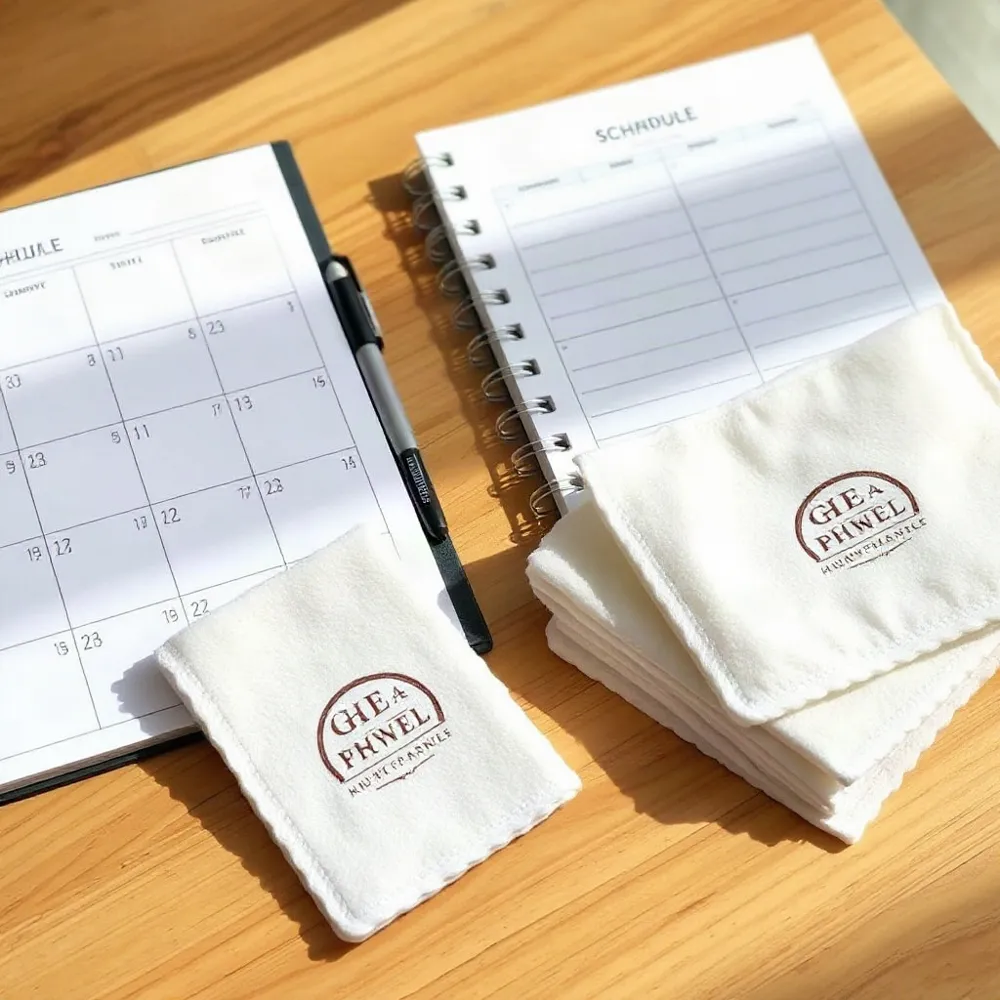
Checklists and printable templates are valuable tools for staying organized and motivated. They help you track completed tasks and remind you of chores that need attention. Many resources offer free cleaning schedule templates that can be adapted for families, singles, or shared households. These templates often include daily, weekly, monthly, and even seasonal chores, promoting a balanced routine. Digital options like cleaning apps also enable sharing tasks among household members and customizing the schedule to fit your lifestyle. For printable and digital options, see Cleaning Schedule Templates, House Cleaning Apps and Speed Cleaning Strategies, and explore technology options like Tody or HomeRoutines via Cleaning tools and apps.
By combining categorized task lists, task breakdowns, and handy checklists, you can craft a personalized cleaning plan that adapts to your schedule and keeps your space welcoming and tidy. For additional flexible and realistic routine tips, you might also consider resources on Managing Cleaning during Transitions or Flexible and Realistic Cleaning Schedules.
Daily and Weekly Cleaning: Establishing Manageable Routines

Short daily tasks taking 10-15 minutes
Creating a daily cleaning routine with small tasks that take only 10 to 15 minutes can keep your home consistently tidy without feeling overwhelming. These quick activities might include making beds, wiping kitchen counters, loading or emptying the dishwasher, and tidying up clutter. Even on the busiest days, fitting in these brief chores maintains a sense of order and prevents mess from building up. For more ideas on Flexible cleaning routines and 10-15 minute cleaning list, see also 15-minute cleaning routine.
Assigning specific cleaning tasks to particular days
Spreading out cleaning tasks over the week by assigning certain chores to specific days makes the routine more manageable. For example, dedicate Monday to bathroom cleaning, Tuesday to dusting, Wednesday to vacuuming, Thursday to mopping floors, and Saturday to washing sheets and towels. This focused approach helps you tackle different areas systematically while preventing burnout. See detailed examples in Manageable cleaning routine and Daily cleaning tasks.
Incorporating cleaning habits like wiping counters and making beds
Developing simple cleaning habits within your daily routine creates lasting cleanliness. Making the bed each morning quickly improves your room's appearance, while wiping down counters regularly keeps kitchens and bathrooms hygienic. These small, consistent habits form the foundation of an effective cleaning schedule and help maintain a fresh home environment. For more on Daily Cleaning Tasks and Consistency in cleaning schedule, visit these resources.
Monthly and Seasonal Cleaning: Adding Depth Without Overwhelm

How can deep cleaning and rotating tasks be included without overwhelming your routine?
Incorporating deep cleaning and rotating cleaning tasks into your cleaning schedule increases home hygiene and maintenance without causing burnout. Assign these more intensive chores to specific days, often Fridays or weekends, after your daily and weekly routines are in place. Examples include scrubbing grout, cleaning vents, dusting baseboards, or vacuuming furniture. Rotating these tasks ensures all areas receive attention over time without needing to be tackled simultaneously, making the process manageable. For detailed guidance, see Flexible Cleaning Routines.
What’s the best way to handle seasonal tasks such as spring cleaning?
Seasonal tasks can be integrated flexibly by creating spring cleaning checklists and other seasonal needs. These might feature washing windows, organizing pantries, laundering pillows, and cleaning high surfaces. Breaking these down into smaller, actionable items allows you to distribute them across weeks, reducing pressure. Utilizing printable seasonal checklists and cleaning schedule templates helps track progress and maintain motivation. Helpful resources include the Complete Home Cleaning Schedule by Martha Stewart.
How can chores be spread over weeks or months to prevent burnout?
Spreading chores throughout the month or year prevents overwhelming to-do lists and promotes steady progress. For instance, rather than cleaning all windows in one day, divide the task across several weeks. A rotating system, such as the loop scheduling method, helps you cycle through tasks systematically, starting over once complete. This flexibility adapts to your availability and energy levels, ensuring cleaning remains manageable over time. You can explore methods like flexible cleaning plans for busy lives and creating a cleaning schedule to fit your lifestyle.
Flexible Scheduling Techniques: Loop and Rotating Methods
What is Loop Scheduling and How Does It Help?
Loop scheduling is a straightforward and adaptable cleaning method designed to prevent overwhelm by limiting the number of tasks in a cycle to a manageable number, typically up to 10. In this system, a daily "do" list of around 6 tasks keeps the routine focused and achievable. Once all tasks in the loop are completed, the cycle starts over, ensuring continuous progress without pressure to complete everything at once. Learn more about Flexible house cleaning schedule.
How Can Rotating Cleaning Lists Maintain Momentum?
Rotating cleaning lists work by distributing tasks over time, allowing for tasks to be completed on days when time and energy permit. This method breaks larger chores into smaller, specific actions, such as vacuuming individual rooms one day and mopping another. This rotation helps maintain steady progress by fitting tasks into a schedule that adapts to daily availability, easing the burden of heavy cleaning days. Explore strategies for Rotating cleaning chores.
Adjusting Task Frequency According to Availability
Both loop scheduling and rotating lists provide flexibility by enabling adjustments in task frequency based on personal schedules and household needs. For example, if someone has irregular work hours, they can spread tasks across the entire month or fit tasks into days when others are home to help. This flexibility accommodates life’s varying demands and supports a balanced approach to home maintenance without feeling overwhelmed. See tips on Flexible cleaning routines.
Using Technology and Tools to Stay Organized

How Can Digital Cleaning Apps Help?
Apps like Spotless, Sweepy, and Tody provide digital platforms for organizing and tracking cleaning tasks. They allow users to set schedules, receive reminders, and mark tasks as complete, making it easier to maintain consistent cleaning routines without missing chores. These tools support digital household organization and integrate well with custom cleaning schedule steps, helping users establish a flexible cleaning routine that fits their lifestyle.
What Are Printable Cleaning Schedule Templates and Chore Charts?
Printable templates and chore charts offer a tangible way to plan and distribute household tasks. These templates often come with checklists organized by daily, weekly, monthly, and seasonal tasks. Some also provide tips for fair task sharing and can be laminated for repeated use. Utilizing printing cleaning checklists and household cleaning schedules can enhance consistent cleaning habits and promote a stress-free cleaning mindset.
What Are the Benefits of Using Reminders and Shared Task Management?
Reminders help prevent forgetting important chores, while shared task management tools promote accountability, especially in multi-person households. Coordinating chores digitally or via visible charts fosters clearer communication and smoother workflow, reducing stress and improving home cleanliness. This approach aligns with managing household chores effectively, delegating cleaning responsibilities, and using cleaning templates for practical cleaning tips, supporting a flexible and realistic cleaning schedule that adapts to busy lifestyles.
Customizing Cleaning Plans for Unique Household Needs

How can cleaning schedules adapt to families with young children, limited mobility, or caregiving duties?
Customized cleaning routines are essential for accommodating diverse household needs. For families with young children or caregivers, schedules should be flexible and realistic, incorporating short daily tasks that can be completed in 10–15 minutes, such as making beds or wiping counters. This approach helps maintain cleanliness without overwhelming those managing irregular hours or caregiving responsibilities. Additionally, cleaning tasks can be distributed based on available time, allowing chores to be spread over days when household members are available.
What strategies help delegate age-appropriate cleaning tasks to family members?
Delegating chores by age empowers family members to contribute effectively while distributing the workload. Tasks like picking up clutter or wiping surfaces can be assigned to children, fostering responsibility and making cleaning more manageable. Using visual aids, checklists, or reward systems encourages engagement. Delegation also supports caregivers by easing their burden and promoting teamwork.
How can cleaning routines be balanced alongside other daily commitments?
Balancing cleaning with work, childcare, or other responsibilities requires a flexible and manageable plan. Techniques such as the Clean Mama Routine advocate for daily small tasks paired with weekly or rotating chores, each taking roughly 10–15 minutes. Scheduling weekly tasks on fixed days—for instance, bathroom cleaning on Monday and dusting on Tuesday—enables consistency without overloading any single day. Moreover, integrating seasonal and deep cleaning into monthly plans keeps the workload steady and adaptable to lifestyle changes, as suggested in monthly cleaning task lists and seasonal cleaning checklists.
Maintaining Motivation and Embracing Progress Over Perfection
Developing a cleaning mindset to reduce overwhelm
Adopting a positive cleaning mindset is essential to reducing stress often associated with household chores. Rather than aiming for a spotless home at all times, accepting that some mess is normal allows cleaning to become a manageable, ongoing process. This mindset encourages focusing on daily achievable tasks and helps prevent feeling overwhelmed by a large cleaning workload. Encouraging family members to view tidying as a shared responsibility fosters cooperation and keeps motivation high.
Setting realistic goals and celebrating small wins
Setting achievable cleaning goals, such as spending 10 to 15 minutes daily on cleaning tasks, makes progress feel attainable and prevents burnout. Completing small chores like making beds, wiping counters, or tackling clutter daily contributes steadily to household upkeep. Celebrating these small wins reinforces positive habits and maintains momentum, building confidence without pressuring perfection.
Involving household members through incentives and routines
Involving everyone in the household through structured routines and incentives increases accountability and divides the workload. Tools like visual chore charts and reward systems can motivate children and adults alike, making cleaning more engaging. Assigning age-appropriate tasks fosters responsibility and teamwork. Consistent routines, such as designated cleaning days and regular check-ins, help turn cleaning into a shared, habitual practice that reduces individual burden.
Creating Cleaning Schedules That Fit Your Life
Flexibility is the cornerstone of an effective cleaning schedule. By understanding your unique lifestyle, breaking tasks into manageable parts, leveraging helpful technology, and adopting adaptable scheduling methods, you can maintain a clean and comfortable home without stress. Remember, perfection isn't the goal—consistent, personalized progress is. Embrace flexibility, involve your household, and enjoy a cleaner, more organized space tailored just for you.
Recent articles