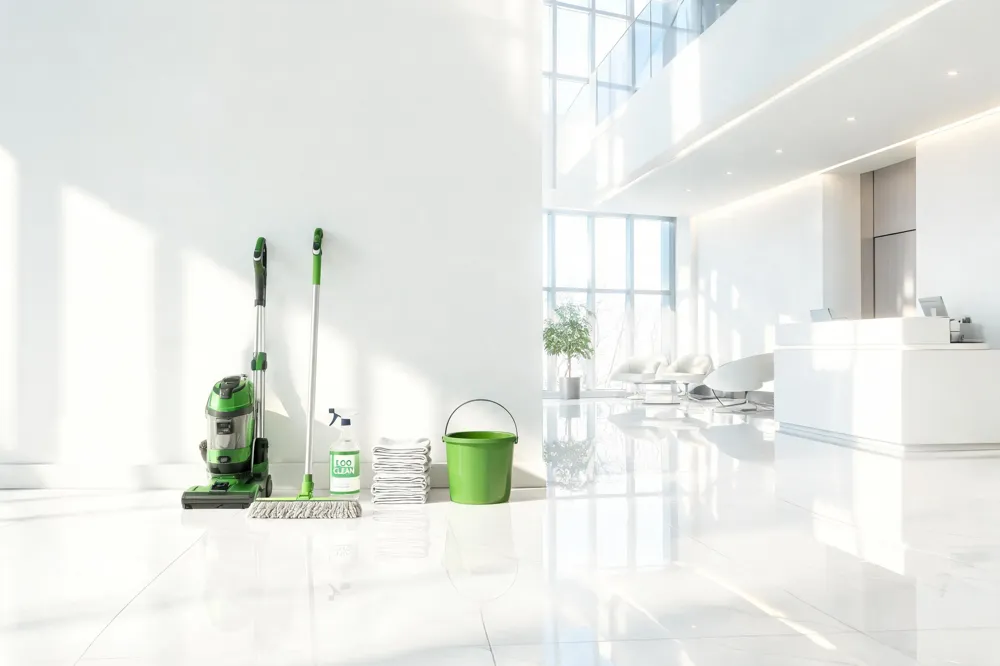
The Role of a Dedicated Cleaning Team in Maintaining Cleanliness

Why Maintaining Cleanliness Requires a Dedicated Team
Importance of Cleanliness in Residential and Commercial Spaces
Maintaining cleanliness in both residential and commercial environments is fundamental for health, safety, and overall wellbeing. In commercial settings, such as offices and public spaces, a clean environment reduces allergens and pathogens, limiting illness transmission and fostering a welcoming atmosphere that supports productivity and community engagement. In residential areas, particularly assisted living communities, cleanliness promotes dignity, comfort, and reduces infection risks.
Role of the Housekeeping Department
The housekeeping team plays a critical role by delivering routine cleaning tasks that ensure hygienic living and working conditions. Duties include dusting, cleaning bathrooms, waste removal, and linen changing, which are essential in residential care facilities for maintaining a dignified environment. In commercial contexts, professional cleaning teams utilize specialized techniques, equipment, and eco-friendly products to sustain sanitation, safety compliance, and high hygiene standards.
Shared Responsibility in Workplace Hygiene
Achieving optimal cleanliness in a workplace involves a collaborative effort between dedicated cleaning professionals and employees. While professional janitorial staff handle deep cleaning and sanitizing high-touch areas, employees contribute by adopting hygienic habits and supporting clear cleanliness policies. This shared responsibility cultivates a culture of safety and reliability, ensuring environments remain healthy and productive for everyone involved.
Defining the Roles Within a Professional Cleaning Team

What are the four roles in team cleaning?
In professional cleaning teams, four distinct roles ensure a comprehensive and efficient cleaning process. The Collection Specialist role in cleaning teams manages dusting, trash removal, and spot cleaning to maintain overall tidiness. The Vacuum Specialist focuses on cleaning carpets and hard floors, removing dust and debris effectively. The Restroom Specialist is dedicated to sanitizing restrooms, restocking supplies, and ensuring hygiene standards are rigorously maintained. Finally, the Utility Specialist cleans lobbies, glass surfaces, and handles floor mopping and scrubbing, contributing significantly to the building's appearance.
Each specialist leverages expertise tailored to their tasks, providing a thorough cleaning service that maintains health and safety.
What are the typical duties of a cleaning team leader?
The cleaning team leader coordinates daily operations to uphold high cleanliness standards and operational efficiency. This role includes delegating work to team members, monitoring task completion, and ensuring adherence to safety protocols. The leader is also responsible for organizing training sessions that enhance staff skills and maintain compliance with professional cleaning standards.
Additionally, the team leader serves as the liaison between the cleaning crew and clients, addressing concerns, customizing cleaning plans, and ensuring customer satisfaction. This leadership fosters a motivated, skilled team capable of consistently delivering quality cleaning services.
Benefits of role specialization
Role specialization in cleaning teams brings multiple benefits: enhanced proficiency through focused training for cleaning staff, reduced equipment needs as staff use specialized cleaning equipment efficiently, and improved teamwork morale. This approach often leads to faster, superior cleaning results, increased client satisfaction, and lower operational costs due to streamlined processes.
Moreover, specialization supports flexibility, allowing teams to adapt cleaning practices to various environments such as offices, public spaces, and assisted living communities, meeting diverse hygiene requirements precisely.
Teamwork Makes the Cleaning Process Efficient and Effective
Why is teamwork important in cleaning?
Teamwork in cleaning enhances efficiency by allowing tasks to be executed more quickly and accurately. When each team member focuses on their specialized area, the workload is balanced, preventing fatigue and errors. Coordinated efforts ensure comprehensive coverage of all cleaning responsibilities, promoting consistent quality and safety. For more details, check out the Advantages of Team Cleaning.
What are the benefits of team cleaning?
Team cleaning brings multiple advantages that improve the overall cleaning process:
- Improved Efficiency: Multiple staff working simultaneously can complete tasks faster, reducing downtime and disruptions.
- Better Communication: Coordination among team members ensures cleaning standards are uniformly met and allows for swift response to issues.
- Enhanced Safety: Team members can monitor and support each other, adhering strictly to safety protocols and reducing accident risks.
- Cost-Effective Use of Equipment: Specialized roles reduce the need for duplicate equipment, lowering operational expenses.
Explore more about the Advantages of Team Cleaning for additional insights.
How does teamwork improve efficiency and morale?
Focused training in specific cleaning tasks enables team members to excel in their roles, which speeds up operations. Collaborative work environments boost staff morale by fostering mutual support and shared responsibility. This positive atmosphere reduces turnover and leads to more consistent service quality. Further reading on these topics is available under Advantages of Team Cleaning.
How does teamwork enhance safety during cleaning?
Working in teams ensures constant oversight, minimizing hazards associated with cleaning tasks. Members can assist each other with heavy equipment or toxic substances such as disinfectants, adhering to protocols that protect health and minimize risks. Knowledge about Safety Compliance in Office Cleaning can also support understanding of these safety practices.
In summary, incorporating teamwork into cleaning operations creates a more efficient, safe, and satisfying work environment. This approach benefits property managers and residents alike by maintaining high standards of cleanliness and safety through expert collaboration.
Housekeeping Department: The Backbone of Cleanliness and Safety
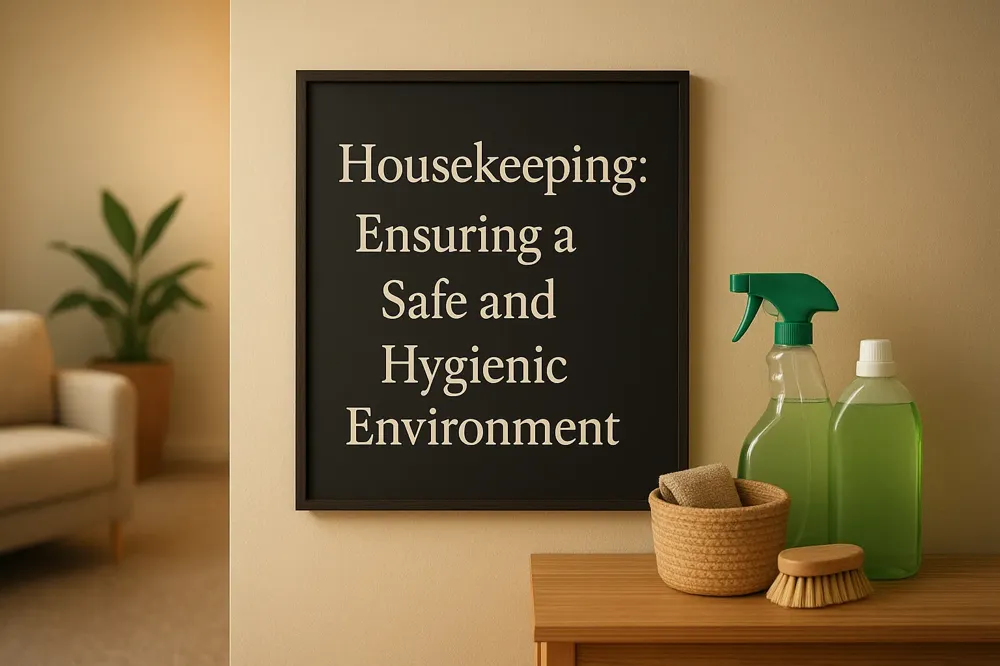
Which department is responsible for maintaining cleanliness?
The housekeeping department is essential for ensuring cleanliness, hygiene, comfort, and safety for customers and employees alike. This department serves as the backbone of maintaining sanitary conditions and improving overall wellbeing in any facility, especially in workplaces and assisted living communities. For more details, see Housekeeping in assisted living.
What are the five essential daily cleaning tasks?
Daily cleaning tasks are fundamental for maintaining a hygienic and comfortable environment. The five key tasks include:
- Making beds or organizing work areas to foster a neat appearance.
- Checking and vacuuming or sweeping floors to eliminate dirt and dust, thereby improving indoor air quality.
- Wiping down counters and surfaces to prevent germ buildup and maintain hygiene.
- Tackling clutter to create functional spaces that reduce stress.
- Completing laundry to ensure linens and fabrics are clean and fresh. Incorporating these daily activities promotes a consistent level of cleanliness that supports health and comfort. These are examples of daily cleaning tasks in assisted living.
What are the key safety and organizational benefits of housekeeping in the workplace?
Effective housekeeping reduces workplace hazards such as spills, clutter, and obstructed pathways that can cause slips, trips, and falls. It also helps lower fire risks by removing combustible materials and ensuring access to fire exits and equipment. Organizational benefits include improved efficiency, as employees can locate tools and supplies quickly, reducing downtime and frustration. Moreover, good housekeeping cultivates a Shared Culture of Cleanliness, boosting employee morale and ensuring smooth operations. Learn more about Safety Standards in Office Cleaning.
Who is responsible for cleanliness in the workplace?
Maintaining cleanliness is a shared responsibility. Employees manage personal workspaces and promptly address spills and rubbish. Management selects and oversees Professional Cleaning Services, sets Office Cleaning Policies, and promotes a culture of cleanliness. Professional cleaning companies provide expert deep cleaning, sanitation, and maintenance services to meet high hygiene standards. Collaboration among employees, management, and cleaning professionals ensures a safer, healthier, and more productive workplace environment. For additional insights, check Office Cleanup Responsibility.
Comprehensive Benefits of Professional Cleaning Services

What are the benefits of professional cleaning services?
Benefits of Commercial Cleaning Services provide numerous advantages that extend well beyond simple time savings for businesses and property managers.
Firstly, these services guarantee consistent cleanliness through well-trained staff equipped with Disinfectants and Microfiber Cloths. This comprehensive approach promotes workplace health by reducing allergens, bacteria, and the spread of germs, which in turn can lower sick days and improve employee productivity.
How are cleaning services customized?
Cleaning solutions are highly customizable to suit a variety of environments and client needs. Whether it's Benefits of outsourcing janitorial services, deep cleaning, post-construction cleanup, or specialized services like carpet and window cleaning, professional providers tailor their offerings to fit commercial, public, and civic spaces.
What eco-friendly practices and advanced technologies are used?
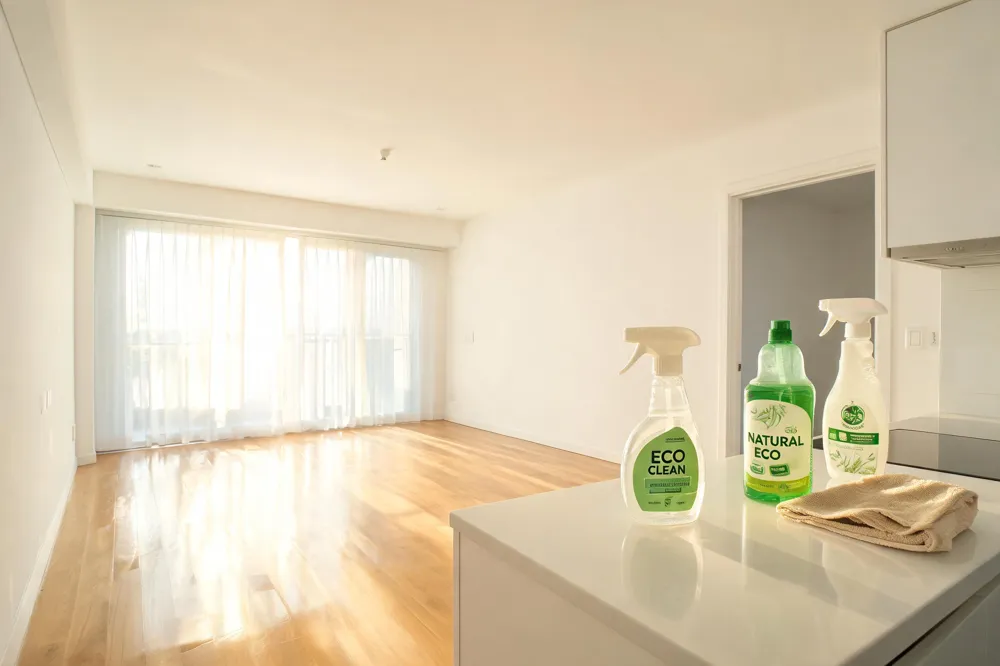
Many professional cleaning companies prioritize Eco-friendly cleaning practices in public areas. Additionally, the use of advanced tools like electrostatic sprayers, HEPA filtration systems, and robotic cleaners enhances cleaning efficiency while reducing environmental impact.
How does local reputation and reliability add value?
Reputable local providers bring community-specific knowledge that ensures cleaning practices meet regional standards and regulations. With a focus on Background-Checked Cleaners, these companies offer peace of mind and build strong client trust.
| Benefit Area | Details | Impact |
|---|---|---|
| Health & Safety | Use of Hospital-grade disinfectants for safety and trained staff | Reduces illness and sick days |
| Customizable Services | Tailored cleaning schedules and scope | Meets specific client needs |
| Eco-Friendly Practices | Biodegradable cleaning products, water/energy-efficient tools | Supports sustainability goals |
| Advanced Technology | Electrostatic sprayers, HEPA filters, robotics | Improves effectiveness & efficiency |
| Local Expertise | Compliance with local regulations, personalized service | Builds trust and reliability |
Engaging Benefits of Commercial Cleaning Services not only maintains pristine environments but also supports healthier workplaces, sustainable practices, and dependable community-oriented service.
Ensuring Public Health and Community Well-being Through Dedicated Cleaning

Role of professional cleaning in public and civic spaces
Professional cleaning in public spaces play a critical role in the upkeep of public and civic spaces by maintaining rigorous Importance of hygiene standards in public areas. These teams use appropriate techniques and Specialized Cleaning Equipment, including Use of disinfectants and eco-friendly products, to provide routine Routine maintenance and sanitation and waste management. Tailored cleaning approaches address the specific needs of diverse public environments such as government offices and community centers, ensuring spaces remain safe and welcoming.
Preventing illness and maintaining air quality
A primary focus of Sanitizing high-touch surfaces is reducing the Reducing transmission of germs. By thoroughly Regular cleaning and sanitization of high-touch surfaces like handrails, doorknobs, restrooms, and communal spaces, cleaning services minimize the presence of pathogens. Additionally, Cleaning ventilation systems helps maintain air quality by preventing the accumulation of dust, allergens, and contaminants, thus supporting healthier indoor environments.
Adherence to health and safety regulations
Professional cleaning standards ensure Compliance with health and safety regulations in cleaning, including proper waste disposal and hazard protocols, as outlined in public health policies. These standards are essential for protecting public health, especially in high-traffic locations. Regular cleaning and sanitization not only meet legislative requirements but also align with CDC guidelines to reduce health risks in community spaces.
Enhancing community pride and economic benefits
Well-maintained public spaces contribute significantly to community pride and engagement. Clean environments foster Impact of cleanliness on public perception and encourage greater usage of public facilities such as libraries and community centers. Moreover, these spaces attract tourists and support local economic growth by creating safer, aesthetically pleasing environments. The use of Eco-friendly cleaning practices in public areas further underscores community commitment to sustainability, benefiting both public health and environmental goals.
Cost-Effectiveness and Long-Term Advantages of Specialized Cleaning Teams

How does professional cleaning reduce sick days and health risks?
Professional cleaning teams help reduce Health Hazards in Office Environments by performing Regular Office Deep Cleaning and sanitization, which decreases the presence of allergens, bacteria, and viruses. These measures lower the transmission of Reduce Spread of Communicable Diseases, leading to fewer employee sick days.
What cost savings result from proper maintenance and repairs?
By consistently maintaining office facilities, Professional Cleaning Services prevent damage to carpets, furniture, and fixtures. This proactive care reduces the need for costly repairs and replacements over time, ultimately Long-term Cleaning Cost Savings.
How does cleanliness impact employee morale and productivity?
A clean environment fosters higher employee morale and Job Satisfaction. It creates a healthier, more comfortable workspace, which can enhance cognitive function and Impact of cleanliness on employee productivity.
What advanced equipment is used to ensure efficient cleaning?
Specialized Cleaning Equipment employ advanced tools and technologies such as Disinfectants and Microfiber Cloths, Steam Cleaners for Offices, Electrostatic Sprayers in Cleaning, and HEPA Filters in Janitorial Services. These allow for safer, more thorough, and efficient cleaning processes compared to standard methods.
How much should one typically charge for three hours of cleaning?
Cleaning rates generally range from $15 to $25 per hour per cleaner. For three hours of cleaning, the total cost typically falls between $50 and $75, depending on the scope of work and client needs.
The Sustained Impact of a Dedicated Cleaning Team
Teamwork Enhances Cleaning Efficiency and Quality
Professional cleaning teams use specialized roles to improve proficiency and results. This approach minimizes equipment costs and allows staff to develop expertise in specific tasks. Focused training reduces turnover and boosts morale, ultimately delivering quicker and superior cleaning outcomes.
Customized and Eco-Friendly Cleaning Solutions
Tailored cleaning plans address the unique needs of different environments, from offices to public spaces. The use of eco-friendly products and advanced technology aligns with sustainability goals, ensuring a safe and healthier environment for employees and the community.
Commitment to Community Health and Safety
Regular professional cleaning reduces pathogens and allergens, preventing illness spread. Maintaining high hygiene standards in public and workspaces fosters community pride, enhances public trust, and supports local economic growth by encouraging greater facility use and engagement.
Recent articles