Client Satisfaction Survey Results: What Tenants Value Most in Cleaning


Beyond the Mop: What Tenants Really Want from Cleaning
Setting the Stage: Why Tenant Satisfaction Surveys Matter More Than You Think
A tenant satisfaction survey is far more than a simple feedback form. For property managers, it functions as a strategic roadmap that directly influences property value, tenant retention, and long-term profitability. Research shows that 78% of tenants say building cleanliness influences their decision to renew a lease, and poor cleanliness is a top reason tenants avoid certain rental properties. When tenants feel their environment is cared for, they are more likely to renew leases, recommend the property, and foster a sense of community. This means that every survey response provides actionable insights that can reduce vacancy rates, increase revenue, and streamline property management operations.
Professional cleaning services that respond to survey data demonstrate a genuine commitment to tenant well-being, which builds trust and confidence. Satisfaction surveys also help property managers identify specific pain points—like infrequent trash pickup or overlooked deep cleaning—before they escalate into complaints. By addressing these issues proactively, property managers create a cleaner, healthier living environment that attracts high-quality tenants and reduces turnover costs. In this competitive market, a data-driven approach to cleaning is not just a nicety; it is a competitive advantage.
The 3 C's of Customer Satisfaction: Commitment, Communication, Consistency
Behind every successful cleaning service lies an invisible framework that tenants genuinely value: the 3 C's—Commitment, Communication, and Consistency. These three pillars form the backbone of tenant satisfaction and are essential for property managers looking to improve retention and attract new renters.
Commitment refers to a cleaning service’s dedication to high standards and tenant well-being. This includes using eco-friendly products that reduce allergens and improve indoor air quality, as well as investing in staff training to ensure every corner is cleaned thoroughly. Professional cleaning services that demonstrate commitment—by offering flexible scheduling, specialized deep cleaning, and attention to high-traffic areas—reassure tenants that their health and comfort are a priority. In fact, 82% of U.S. consumers are more aware of cleanliness in public spaces post-pandemic, and 86% want proof that workplaces follow regular cleaning and sanitation.
Communication is the second pillar and is equally critical. Real-time reporting, clear expectations about cleaning schedules, and responsive customer service create transparency that tenants appreciate. When property managers communicate cleaning protocols and respond promptly to concerns, they build trust and reduce friction. Surveys show that tenants value being informed about cleaning plans, work order status, and any changes to routine. Poor communication—such as inconsistent timing of trash pickup or lack of notification about maintenance—leads to frustration and negative reviews.
Consistency is the third pillar and arguably the most important. Tenants expect consistent results every time a cleaning team visits. Systematic processes, detailed checklists, and reliable scheduling ensure that common areas, lobbies, elevators, restrooms, and high-touch surfaces are always spotless. When cleaning is consistent, tenants feel safe and cared for, which directly translates to higher satisfaction and longer lease renewals. Studies show that consistent cleaning also protects property value by preventing wear and tear on carpets, floors, and fixtures, saving money on costly repairs over time.
What Surveys and Expertise Reveal: The Specific Practices That Win Renewals
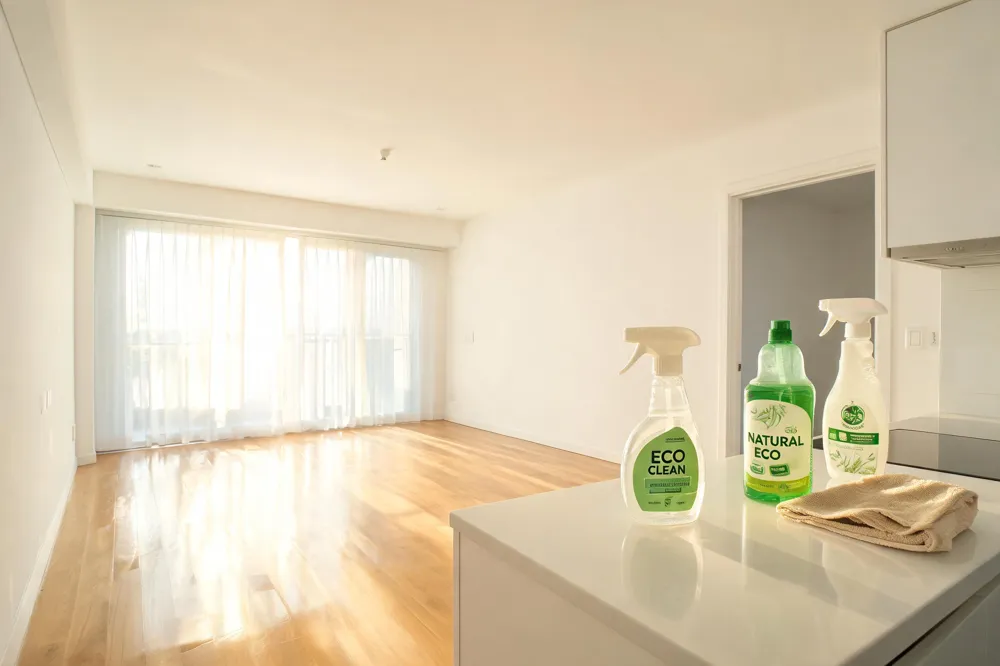
Industry surveys and decades of cleaning expertise reveal specific practices that consistently win lease renewals and 5-star reviews. First and foremost, deep cleaning between tenants is non-negotiable. A move-in ready apartment that is thoroughly sanitized—including inside appliances, cabinets, window tracks, and behind furniture—creates a positive first impression and sets the tone for the entire tenancy. Tenants who move into a freshly cleaned unit are more likely to feel valued and stay longer.
Second, attention to high-traffic and often-overlooked areas is crucial. Landlords and property managers scrutinize kitchens, bathrooms, windows, and walls during inspections, and tenants notice when these areas are neglected. Detailed cleaning of baseboards, light fixtures, cupboards, and ceiling fans signals professionalism and reduces complaints. Additionally, effective odor removal using eco-friendly products is a top priority; lingering smells from cooking, pets, or smoking are a common complaint that can be addressed with specialized cleaning techniques.
Third, technology plays a growing role in tenant satisfaction. Modern tenants expect convenience, such as online appointment management, secure payment options, and direct communication with cleaning crews. Property managers who partner with cleaning services that offer photo documentation, real-time updates, and digital satisfaction surveys are better equipped to maintain high standards and address issues quickly. This tech-forward approach not only improves cleaning outcomes but also enhances the overall tenant experience, leading to better reviews on rental platforms and higher occupancy rates.
The Bottom Line: Cleaning as a Strategic Investment
Ultimately, professional cleaning services are not an expense—they are a strategic investment that directly boosts property value and tenant retention. Clean properties can command higher rents, attract better tenants, and generate positive word-of-mouth. By prioritizing the 3 C's—Commitment, Communication, and Consistency—and focusing on the specific practices that tenants value most, property managers can create an environment where tenants feel proud to call their property home. Satisfaction surveys provide the data needed to refine these practices continuously, ensuring that cleaning services remain aligned with tenant expectations and industry best practices.
| Practice | What It Involves | Why Tenants Value It |
|---|---|---|
| Deep turnover cleaning | Full sanitization of appliances, cabinets, windows, and overlooked areas | Creates a fresh, move-in ready space; reduces complaints and turnover time |
| Focus on high-traffic areas | Spotless kitchens, bathrooms, lobbies, and hallways | Demonstrates care and professionalism; prevents property damage |
| Odor removal with eco-friendly products | Neutralizing cooking, pet, or smoke smells | Improves indoor air quality and comfort; aligns with sustainability values |
| Technology integration | Online scheduling, photo documentation, digital surveys | Offers convenience, transparency, and accountability; boosts tenant satisfaction |
| Consistent scheduling and communication | Reliable cleaning times and real-time updates | Builds trust and reduces frustration; ensures predictable quality |
By incorporating these practices into a comprehensive cleaning strategy, property managers can transform feedback into action and build lasting tenant relationships that drive long-term success.
The Survey Says: Cleanliness Drives Lease Renewals

The link between a clean property and tenant retention is no longer anecdotal; it is backed by hard data. A well-known survey by Kingsley Associates found that 78% of tenants said building cleanliness influenced their decision to renew their lease. This single statistic repositions cleaning from a routine operational expense to a strategic asset for property managers. A spotless lobby, shining hallways, and fresh-smelling common areas signal that management cares, directly impacting the tenant's perception of value and their willingness to stay.
What Are the 3 C's of Customer Satisfaction in Service Industries?
To translate survey data into action, property managers can apply a proven framework known as the 3 C's of customer satisfaction: Commitment, Communication, and Consistency. These principles are directly applicable to cleaning services.
- Commitment: This is the visible dedication to tenant well-being. For cleaning, it means using eco-friendly, non-toxic products that improve indoor air quality and protect health, especially for tenants with allergies or asthma. It also means investing in professional-grade equipment and trained staff.
- Communication: Transparency builds trust. This involves regular updates on cleaning schedules, reporting completed tasks with photo evidence, and being responsive to tenant feedback about cleanliness issues. Real-time reporting systems allow property managers to see what was cleaned and when, fostering accountability.
- Consistency: Tenants expect the same high standard every time. Implementing detailed checklists for turnover cleaning, common area maintenance, and deep cleaning ensures no detail is missed. Consistent results create a predictable, reliable living environment that tenants are happy to pay for.
When these three elements are aligned, cleaning becomes a powerful tool for enhancing tenant satisfaction and driving those critical lease renewals.
How Can Cleaning Companies Measure Customer Satisfaction Effectively?
While the 78% statistic is a powerful benchmark, property managers need ongoing metrics to track their own performance. Three standard survey tools can be adapted for cleaning services:
- CSAT (Customer Satisfaction Score): This measures immediate satisfaction after a specific service, such as a turnover clean or a deep clean of a tenant suite. A simple post-service question like "How satisfied were you with the cleanliness?" yields a score usually benchmarked against an industry target of 75-85% .
- NPS (Net Promoter Score): This measures overall loyalty by asking, "How likely are you to recommend this property to a friend based on its cleanliness?" This long-term metric indicates if your cleaning standards are creating brand advocates.
- CES (Customer Effort Score): This tracks how easy it is for tenants or property managers to book services, report a problem, or request a touch-up. A low-effort experience is a major driver of satisfaction in modern service industries.
By regularly deploying these short surveys (ideally via text or email after a service), property managers can pinpoint exactly which areas need improvement and celebrate what they are doing right.
Cleaning is No Longer an Afterthought—It is a Prime Lever for Tenant Retention
The data from multiple sources converges on one clear point: cleanliness is a deal-breaker. Poor hygiene and visible neglect are among the top reasons tenants avoid properties or decide not to renew. Conversely, a well-maintained property commands higher rents, attracts better tenants, and builds community trust. professional cleaning services directly combat common tenant complaints like lingering odors, dust buildup, and mold—issues that erode property value and tenant satisfaction.
Efficient turnover cleaning, in particular, reduces downtime between tenants, making properties rent-ready faster and maximizing profitability. It creates a "clean slate" that makes new tenants feel welcomed and valued from day one. For property managers, outsourcing to a professional service eliminates the stress of managing in-house teams and ensures high standards are met consistently.
In today's competitive market, the survey is clear. Investing in a professional cleaning partner is investing in tenant retention, property value, and long-term success. Cleanliness is no longer an afterthought—it is the prime lever for keeping tenants happy and staying longer.
First Impressions Start in the Lobby—and the Lease

What Are the Priority Areas to Focus on When Cleaning a Home?
Cleanliness is a non-negotiable element of tenant satisfaction. While every part of a home matters, some areas carry more weight when forming a lasting impression. Kitchens and bathrooms are the critical starting points—these high-moisture, high-use zones must be spotless, sanitized, and free of any lingering odors. Next, focus on living areas, high-touch surfaces like light switches and remote controls, carpeting and large rugs, and the entryway, as these are the spaces tenants and guests see and use every day.
The Common Areas That Matter Most
In multifamily buildings and commercial properties, the condition of shared spaces heavily influences tenant perception. A study found that 79% of survey respondents were satisfied with public restroom cleanliness, marking it as the highest-rated area in one facilities management survey. This positive feedback highlights that tenants notice and appreciate when common restrooms are well-stocked and hygienic. Other critical areas include:
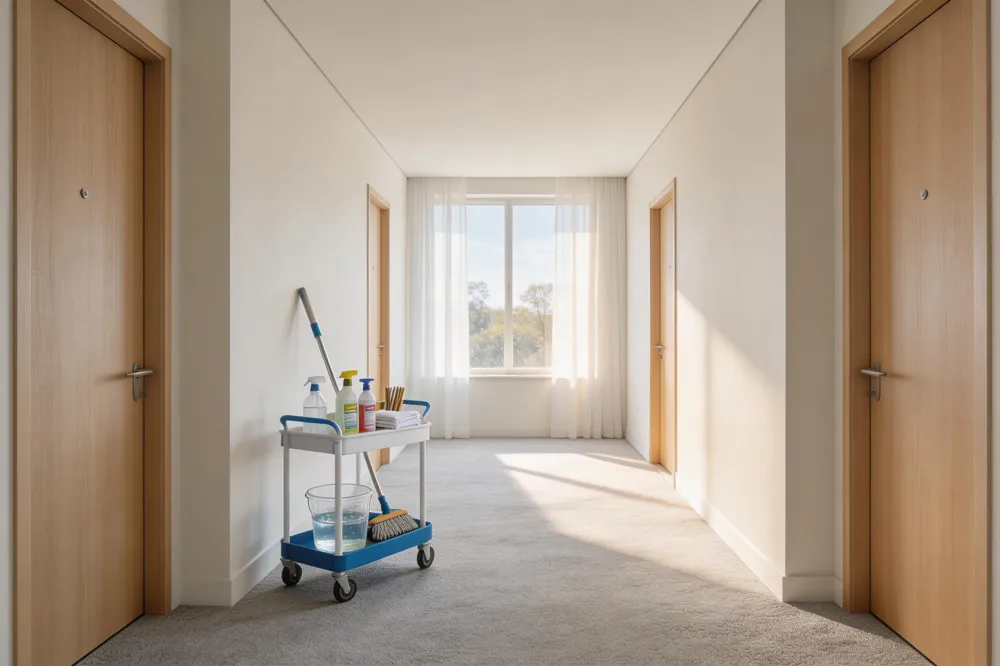
- Lobbies and hallways – The first thing tenants see when entering the building. Clean floors, clear walkways, and fresh-smelling air set a professional tone.
- Elevators – A frequently touched space that must be cleaned and disinfected daily.
- Shared breakrooms and kitchens – High-traffic spots where spills and crumbs can accumulate quickly.
- Gyms and fitness centers – Equipment must be wiped down, floors mopped, and surfaces sanitized to prevent germ spread.
- Pool areas and lounges – Moisture management and regular cleaning prevent safety hazards and maintain a relaxing atmosphere.
First Impressions and the Psychology of Starting Fresh
A clean, well-kept property does more than just look good—it triggers a powerful psychological response. For new tenants, moving into a spotless home signals that the property is well-managed and that their comfort matters. This "starting fresh" feeling fosters a sense of pride in the new living space and simplifies the transition. The same principle applies to temporary housing like Airbnbs, where guests expect a pristine, move-in-ready environment that reassures them they made the right choice.
When neglected areas like trash chutes, fitness equipment, or pool filters are not regularly cleaned, they quickly become deal-breakers. A dirty trash chute can lead to pest infestations and foul odors that spread into hallways. Unclean gym equipment not only looks unprofessional but also poses health risks. In a competitive rental market, such oversights can trigger negative reviews, cause tenants to avoid renewing, and damage the property’s reputation for years.
Connecting Cleanliness to Retention and Reputation
Tenant retention is directly linked to consistent, high-quality cleaning. When property managers invest in professional cleaning for common areas and individual units, they build trust and loyalty. Tenants who feel their living environment is cared for are more likely to renew leases and recommend the property to others. Additionally, a clean building reduces complaints, lowers maintenance costs over time, and protects long-term property value.
To maximize impact, property managers should:
- Schedule regular deep cleans for carpets, upholstery, and overlooked zones like window tracks and baseboards.
- Use eco-friendly, non-toxic cleaning products to improve indoor air quality and meet sustainability goals.
- Maintain transparent communication with tenants about cleaning schedules and policies to set clear expectations.
Table: Key Common Areas and Best Cleaning Practices
| Area | Priority Level | Recommended Frequency | Common Issues to Address |
|---|---|---|---|
| Lobbies & Hallways | High | Daily | Floor mopping, dusting surfaces, trash removal |
| Elevators | High | Twice daily | Disinfecting buttons, cleaning mirrors, removing debris |
| Restrooms | High | Daily to multiple times | Stocking supplies, sanitizing fixtures, odor control |
| Gyms/Fitness Centers | Medium-High | Daily after peak hours | Wipe down equipment, mop floors, check for moisture |
| Pool Areas | Medium | Daily | Skim debris, clean changing rooms, check water quality |
| Breakrooms/Kitchens | Medium | Daily | Wipe counters, empty trash, clean appliances |
| Trash Chutes/ Rooms | Medium | Weekly or as needed | Deep clean, inspect for pests, deodorize |
By prioritizing these zones and committing to a professional, consistent cleaning program, property managers can turn first impressions into lasting satisfaction, boosting tenant retention and strengthening the building’s overall reputation.
Turnover Cleaning: The Silent Revenue Protector
How Does Move-Out Cleaning Save Security Deposits and Prevent Disputes in Minnesota?
A thorough move-out cleaning is your primary financial defense. In Minnesota, landlords have three weeks after a tenant vacates to either return the full security deposit or provide an itemized list of deductions. Cleaning costs are one of the most frequent deductions, but they are also among the easiest to dispute if you have documentation, such as a detailed move-out checklist and photographs of the spotless property.
Property managers and owners know that a move-out clean is an investment. By delivering a property that meets the
Green Cleaning: Aligning Values with Action

What Are the Core Values That Define a Reputable Cleaning Company?
A reputable cleaning company is defined by a commitment to excellence that extends beyond simply cleaning a space. Core values include a genuine respect for staff, customers, and the environment. This translates to integrity in every action, taking responsibility for the quality of work, and fostering a culture of innovation and consistency. For property managers, working with a professional cleaning service that guarantees satisfaction and prioritizes professional ethics provides peace of mind. These values are not just internal benchmarks; they are the foundation of a service that builds trust and long-term partnerships with clients and tenants alike, ensuring reliable, high-quality results every time.
66% of Consumers Are Willing to Pay More for Eco-Friendly Services
This is a significant market shift. According to a Nielsen survey, 66% of consumers are willing to pay more for eco-friendly services. The cleaning industry has already responded: 71% of building service contractors now implement sustainable practices, even without a client request. This proactive stance signals that green cleaning is no longer a niche offering but a standard expectation. For property managers, choosing an eco-conscious provider is a direct way to align with market demand, enhance property appeal, and demonstrate a commitment to responsible stewardship, as highlighted by sustainability as a key factor in tenant and investor decision-making. It is a clear value proposition for attracting and retaining discerning tenants.
Green Cleaning Reduces VOCs and Allergens
In a post-pandemic world, 82% of American consumers are more aware of cleanliness in public spaces. This heightened awareness is paired with a deeper concern for health and wellness. Green cleaning directly addresses this by using non-toxic, low-impact products that reduce volatile organic compounds (VOCs) and common allergens. Many conventional cleaning products contain strong scents and chemicals that can trigger asthma and respiratory issues. By switching to eco-friendly cleaning services, property managers create a healthier indoor environment. This is crucial for tenant well-being, especially for families with children, the elderly, or individuals with allergies, directly supporting their sense of safety and security in their home—a core aspect of improving indoor air quality through disinfection.
Cleaning: The Third Most Important ESG Goal, an Inexpensive Win
Environmental, Social, and Governance (ESG) criteria are now a vital consideration for real estate investors. In a recent survey, facility executives ranked cleaning as the third most important factor for meeting ESG goals, following only energy and water. Critically, improving cleaning practices is a relatively inexpensive and straightforward way to make significant progress. Unlike capital-intensive energy retrofits or water conservation systems, adopting a green cleaning program can be implemented quickly and cost-effectively, aligning with ESG criteria as a growing focus for property managers and investors. It provides an immediate, visible improvement to a property's sustainability profile without a major financial outlay, making it a high-impact, low-risk strategy for enhancing a property’s ESG standing.
LEED Certification Offers Two Paths to Green Cleaning
For property managers seeking formal recognition for their sustainability efforts, LEED certification offers two clear pathways for green cleaning, as detailed in discussions of green cleaning programs and LEED certification for properties. Option 1 requires establishing a written green cleaning policy that covers products, equipment, occupant protection, disinfectant use, and staff training. This provides a structured, documented framework for all cleaning operations. Option 2 is simpler: use a cleaning service that is certified under Green Seal (GS-42) or ISSA CIMS-GB, verified by a third-party audit. Both options provide a credible, measurable standard for ensuring that cleaning practices are truly green, helping properties qualify for valuable LEED points and enhancing their marketability to eco-conscious investors.
Connecting Eco-Friendly Practices to Tenant Trust and Property Reputation
The shift toward green cleaning is not just about compliance or marketing; it is about building genuine tenant trust. When landlords and property managers demonstrably prioritize sustainability, they signal that they care about more than just profits. This commitment resonates deeply with tenants, who increasingly expect the companies they interact with to have strong ethical standards, a point reinforced by CEO and consumer expectations for ESG and ethical business practices. A clean, healthy, and sustainably maintained property fosters a sense of pride and community, directly contributing to building trust through transparent lease agreements and policies. Tenants are more likely to trust that their well-being is a top priority, leading to higher satisfaction, stronger lease renewals, and positive word-of-mouth. This reinforces the property’s reputation as a desirable, responsible place to live, demonstrating the link between tenant satisfaction and property management success.
| ESG Goal | Implementation | Cost Impact | Tenant Impact |
|---|---|---|---|
| Energy Efficiency | Building management system upgrades | High capital investment | Lower utility costs |
| Water Conservation | Low-flow fixtures, irrigation | Medium capital investment | Reduced water bills |
| Green Cleaning | Eco-friendly products, certified services | Low, quick to implement | Improved health, air quality, trust |
| Waste Reduction | Recycling programs, composting | Low operational cost | Enhanced community engagement |
The Professional Touch: Why Skills and Tools Matter
What skills are essential for a professional cleaner?
Professional cleaning is a skilled trade requiring a specific blend of attributes. Beyond a strong work ethic, effective cleaners cultivate attention to detail, self-motivation, and excellent time management. The job demands physical endurance for tasks like lifting, bending, and standing for extended periods, along with adaptability to handle different surfaces and client requests. Strong communication and customer service skills are also crucial for understanding tenant needs and providing a positive experience. Importantly, modern professionals possess specialized knowledge of eco-friendly products and equipment, ensuring a clean that is both effective and responsible. A reputable company invests in this training, creating a team that delivers consistent, high-quality results.
What are the key factors that determine effective cleaning results?
Achieving a truly clean environment is not just about elbow grease. It relies on balancing five scientific factors: time, temperature, mechanical action, chemical reaction, and procedures.
- Time: Allowing cleaning solutions to dwell on a surface is essential for breaking down soil and killing germs. Rushing this step can drastically reduce effectiveness.
- Temperature: Many cleaning agents are most effective at specific temperatures. For instance, hot water is crucial for activating laundry detergents and dissolving grease, while too hot a temperature can set some stains.
- Mechanical Action: This is the physical scrubbing, wiping, or agitation used to dislodge dirt. Different surfaces require different levels of action to avoid damage while ensuring removal.
- Chemical Reaction: The correct cleaning agent must be selected for the specific type of soil (e.g., an alkaline cleaner for grease, an acidic cleaner for mineral deposits). Professionals are trained to match the right product to the task.
- Procedures: A consistent, logical workflow ensures that sanitation and cleaning are performed in the right order to prevent cross-contamination and re-soiling, guaranteeing reliable outcomes every time.
What are the four pillars of a clean environment?
A comprehensive cleaning strategy rests on four foundational pillars, each as important as the next. These aren't just tasks; they are a framework for creating a healthy, appealing, and lasting clean.
- Removal of Dirt: This is the physical elimination of visible soil, dust, and debris from all surfaces, which is the first step in any cleaning process.
- Disinfection: After cleaning, targeted disinfection kills harmful germs and pathogens on high-touch surfaces, crucial for tenant health.
- Organization: A clean space feels cleaner when it is orderly. This involves tidying, returning items to their proper places, and reducing clutter.
- Maintenance: This is the ongoing, systematic effort to preserve the clean state through regular routines and prompt attention to spills or messes, preventing buildup.
What is the turnover rate in the cleaning industry and why does it matter?
The cleaning industry faces a significant challenge with employee turnover, which can reach approximately 200% annually. This high turnover rate directly impacts service consistency and reliability. When a property manager must constantly train new faces, the quality and speed of cleaning can suffer. A stable, trained team, on the other hand, follows consistent checklists and procedures, ensuring that every cleaning is performed to the same high standard. This stability is a strong signal of value and trustworthiness in a service partner.
| Pillar | Action | Purpose | Benefit |
|---|---|---|---|
| Removal of Dirt | Sweeping, dusting, vacuuming | Eliminate visible soil & allergens | Creates a visually clean and healthy base |
| Disinfection | Applying EPA-registered sanitizers | Kill germs on high-touch surfaces | Reduces illness risk and promotes health |
| Organization | Tidying & restocking essentials | Create order and functionality | Enhances first impression and user comfort |
| Maintenance | Scheduled, routine cleaning | Preserve cleanliness over time | Prevents buildup, extends asset life |
What is the value of professional expertise?
Ultimately, hiring a professional cleaning service is an investment in expertise, efficiency, and peace of mind. Their systematic processes and detailed checklists guarantee consistent, dependable results. Specialized tools and techniques—like HEPA-filtered vacuums, microfiber cloths, and advanced extraction methods—achieve a level of cleanliness that is difficult to replicate with consumer-grade equipment. This not only boosts tenant satisfaction and retention but also helps preserve the property's value over the long term. A well-trained team, equipped with the right tools and guided by a deep understanding of cleaning science, provides the reliable service and quality that property managers and tenants truly value.
Red Flags, Rates, and Realities: What Tenants and Landlords Need to Know
What is the typical hourly rate for a residential cleaner in the United States?
For property managers and landlords budgeting for turnover cleaning, understanding typical pricing is essential. Standard professional cleaning for your home generally cost between $20 and $50 per hour, per cleaner. This range covers routine maintenance like dusting, vacuuming, and surface cleaning. However, for the more intensive professional deep cleaning or comprehensive move-out cleaning plans required between tenants, expect rates to rise to between $40 and $100 per hour. These higher rates reflect the specialized equipment, detailed work (such as spotless kitchens and bathrooms for landlord inspections), and the expertise needed to meet move-in ready standards. The investment in professional cleaning services directly correlates with the link between tenant satisfaction and property management success and faster lease-up times.
What are the most profitable types of cleaning services?
Not all cleaning services are created equal when it comes to profitability. For a cleaning company, the most lucrative contracts are typically multi-tenant cleaning services, often involving multi-tenant office buildings, retail spaces, or property management portfolios. These contracts offer high volume and reliable recurring revenue. Following commercial work, specialty cleaning services—such as post-construction cleaning, deep cleaning, or green cleaning programs and LEED certification for properties—command premium pricing due to their specialized nature. Residential cleaning, while popular, is generally less profitable per hour than commercial or specialty work. Carpet cleaning is often the least profitable due to high equipment costs and lower hourly realization. Property managers seeking a cleaning partner should prioritize vendors with expertise in the more profitable specialty areas, as this often signals a higher level of professionalism and investment in training and equipment.
What are red flags for landlords when screening tenants?
From a landlord’s perspective, a tenant’s application history can reveal potential risks. The most significant red flags are a low credit score, which can indicate financial instability, and a record of past evictions, which is a strong predictor of future lease violations or non-payment. Additionally, landlords are wary of collections actions that are specifically tied to previous landlords, as this suggests a history of property damage, unpaid rent, or lease breaking. These markers are not just about financial risk—they often correlate with a tenant’s likelihood of maintaining the property, adhering to lease terms, and communicating proactively about maintenance issues. By screening for these red flags early, landlords can avoid many common tenant complaints and costly move-out cleaning expectations for Minnesota renters disputes down the line.
Common Tenant Complaints
Even with the best screening, tenant satisfaction hinges on the day-to-day condition of the property. A leading source of frustration is moving into a less-than-clean apartment. Professional turnover cleaning is essential to prevent this complaint, as clean, move-in-ready units signal a well-managed property. Survey data from a Q2 FY2015 employee facilities satisfaction survey results highlighted two key areas for improvement in multi-tenant buildings: trash pick-up and recycling services. 47% of respondents disagreed that trash pick-up met expectations, and 26% were dissatisfied with recycling, often citing infrequent schedules, inconvenient timing, and confusion over recyclable materials. To address these, property managers should ensure trash collection is frequent and scheduled at convenient times (e.g., end of week), and that recycling programs are clearly communicated. Proactive management of these mundane but critical services directly reduces tenant complaints and improves retention.
Communication is a Cross-Cutting Concern
A common thread across all tenant feedback is the need for clear, consistent communication. Tenants want to be notified of cleaning schedules, especially if service will disrupt their routine or require access to their unit. They also want transparent updates on work order status—when a repair is scheduled, delayed, or completed. Poor communication in these areas erodes trust and can make even a clean property feel mismanaged. Property managers who use scheduling software, provide photo proof of completed cleaning, and offer direct lines of communication with cleaning crews demonstrate a commitment to tenant well-being. This not only reduces complaints but builds the positive, transparent relationship that is the foundation of long-term tenancy. Ultimately, mapping the tenant journey to reduce churn and boost revenue—from first impression to move-out—requires that every touchpoint, especially communication about cleanliness, is handled with professionalism and care.
| Service Type | Typical Hourly Rate (per cleaner) | Key Features | Primary Benefits |
|---|---|---|---|
| Standard Cleaning | $20 - $50 | Dusting, vacuuming, surface cleaning, bathroom/kitchen basics. | Maintains routine cleanliness; budget-friendly. |
| Deep/Move-Out Cleaning | $40 - $100 | Inside appliances, cabinets, baseboards, windows, behind fixtures. | Meets landlord move-out standards; secures deposit; reduces vacancy time. |
| Commercial Cleaning | Varies by contract | High-traffic common areas, restrooms, elevators, lobbies, suites. | Highest profitability; reliable recurring contracts; boosts property value. |
| Specialty Cleaning | Premium pricing | Post-construction, green/LEED-certified, deep disinfection (GermBlasters cleaning that kills germs and mould spores). | Commands premium rates; addresses specific tenant/ESG needs. |
From Feedback to Five Stars: Building a Culture of Clean
Understanding what tenants truly value is the cornerstone of effective property management. Survey data consistently points to cleanliness as a non-negotiable factor driving lease renewals and positive reviews. Addressing this need through a structured, professional approach transforms cleaning from a routine task into a powerful tool for building a thriving rental community. By aligning services with proven tenant preferences, property managers can move beyond simple maintenance to create a culture of clean that directly impacts their bottom line.
What are the key steps to improve tenant satisfaction in rental properties?
Improving tenant satisfaction requires a holistic strategy that goes beyond a single service. The most effective approaches combine cleanliness with clear communication, responsive maintenance, and a sense of community. Bravo Cleaning’s 20+ years of local experience and commitment to eco-friendly practices provide a practical framework for property managers looking to elevate the resident experience. The following steps represent a roadmap for building lasting tenant loyalty.
First, fostering clear and multi-channel communication is essential. This includes setting expectations from day one with welcome packets that outline cleaning schedules and property policies. More importantly, it involves creating responsive channels—such as digital portals or dedicated phone lines—where tenants can report issues or ask questions. Regular, proactive updates about scheduled deep cleans or common area maintenance projects show tenants that property management is attentive and transparent.
Second, ensuring responsive maintenance is critical. A clean property is undermined by a broken appliance or a faulty HVAC system. Digital work order systems allow tenants to report problems quickly and track progress. Prompt attention to these issues demonstrates that the property is well-managed and that tenant comfort is a priority. This reliability builds trust and reduces the frustration that often leads to negative reviews.
Third, offering modern amenities and leveraging technology can significantly enhance the tenant experience. Features like high-speed internet, secure package lockers, or on-site fitness centers are highly valued. For cleaning services, this might mean offering online scheduling, secure digital payments for add-on services, and real-time communication with cleaning crews. Providing proof of service through photo documentation or digital checklists reassures tenants that high standards are being met.
Fourth, prioritizing safety and security is non-negotiable. Clean, well-lit common areas, secure entry systems, and regular safety inspections of equipment in shared spaces (such as gyms or laundry rooms) contribute to a sense of well-being. Professional cleaning services that use EPA-registered disinfectants, especially in high-touch areas, directly support health safety, a concern amplified by post-pandemic expectations.
Fifth, and perhaps most significantly, creating a positive community experience through events and well-maintained shared spaces encourages tenant engagement. Clean lobbies, inviting lounge areas, and pristine outdoor spaces become gathering points. When tenants feel proud of their environment, they are more likely to renew their lease and recommend the property to others. A clean and welcoming atmosphere signals that management cares about the resident experience, fostering a sense of belonging that is directly linked to lower turnover.
Finally, integrating feedback loops is vital. Regularly surveying tenants about their satisfaction with cleaning services—using templates to capture specific data on service quality, technician professionalism, and timeliness—provides actionable insights. This data allows property managers to identify strengths and areas for improvement, ensuring that the cleaning program evolves with tenant expectations. Addressing common complaints, such as the need for more frequent trash pick-up or more thorough office cleaning, directly improves satisfaction scores.
The Strategic Investment: Cleaning as a Revenue Driver
Property managers who view cleaning as an expense are missing a significant opportunity. The evidence is clear: a well-executed, survey-informed cleaning program is a direct investment in tenant loyalty and portfolio performance. Data shows that 78% of tenants cite building cleanliness as a factor in lease renewals, and a clean property commands higher rents and attracts better tenants. Cleanliness reduces vacancy downtime by making units rent-ready faster, leading to maximized rental income. Furthermore, regular professional cleaning protects the long-term value of property assets, reducing costly repairs and replacements for carpets, flooring, and fixtures. By proactively addressing cleaning needs, property managers prevent the accumulation of dirt and grime that can lead to permanent damage.
Beyond the financial metrics, a clean environment improves health and well-being, reducing liability and enhancing the property’s reputation. Professional services use specialized techniques and equipment to eliminate allergens, dust, and bacteria, creating a healthier living space that is especially important for families with children or tenants with respiratory issues. The strategic alignment of cleaning with tenant satisfaction creates a virtuous cycle: happier tenants renew leases, generate positive word-of-mouth referrals, and reduce the cost and effort of attracting new residents.
Final Call to Action
For property managers seeking higher retention, fewer complaints, and stronger property valuations, the path forward is clear. Invest in professional, survey-informed cleaning services that prioritize consistency, expertise, and eco-friendly methods. Partnering with a company like Bravo Cleaning, which combines over 20 years of local experience with a deep commitment to community and sustainability, provides a competitive edge. This is not merely about meeting a standard; it is about exceeding tenant expectations to build a culture of pride and satisfaction. By choosing professional cleaning, property managers turn a necessary expense into a powerful driver of tenant loyalty and portfolio success.
| Factor | Tenant Impact | Property Manager Action | Long-Term Benefit |
|---|---|---|---|
| Communication | Builds trust, reduces ambiguity | Multi-channel updates, digital reporting | Higher satisfaction, fewer disputes |
| Maintenance | Demonstrates property is well-managed | Responsive work orders, digital tracking | Lower turnover, positive reviews |
| Cleanliness | Non-negotiable for lease renewal | Routine & deep cleaning, photo documentation | Higher retention, stronger asset value |
| Community | Fosters belonging, engagement | Events, well-maintained shared spaces | Increased loyalty, word-of-mouth referrals |
| Health & Safety | Reduces illness risk, builds confidence | Professional disinfection, EPA-approved products | Lower liability, enhanced reputation |
The Bottom Line on Clean: Surveys Show Satisfaction Starts with Service
Cleanliness Drives Retention and Revenue
Returning a property to a pristine condition between tenants is not just a courtesy—it is a business necessity. A survey by Kingsley Associates found that 78% of tenants said building cleanliness influenced their decision to renew their lease. This single data point underscores that cleanliness is a direct driver of tenant retention and, by extension, property revenue. When tenants feel their living environment is well-maintained from the moment they walk in, they are far more likely to stay longer, renew their lease, and recommend the property to others. For property managers, investing in professional turnover cleaning is a straightforward strategy to reduce vacancy rates and secure long-term tenancy.
The Power of Observable Cleanliness
First impressions matter immensely. A spotless lobby, shining floors, and fresh-smelling hallways immediately signal to tenants that the property is managed with care. In contrast, visible signs of neglect—dirty windows, lingering odors from cooking or pets, or marks on walls—can be deal-breakers during showings and inspections. Professional cleaning services ensure that every detail, from baseboards to window tracks, meets a high standard. This attention to detail not only attracts high-quality tenants but also builds trust, as residents feel confident that their health and well-being are a priority. Regular cleaning of common areas, such as gyms, laundry rooms, and lounges, also fosters a sense of community and pride among tenants, further boosting satisfaction.
Tenants Value Hygiene, Health, and Sustainability
Modern tenants increasingly expect their living spaces to align with their values. Health and wellness have become top priorities, a shift accelerated by the pandemic. A CNBC survey found that 84% of executives consider employee health and wellness very important in post-pandemic work plans, and 82% of American consumers now want proof that workplaces follow regular cleaning and sanitation. For rental properties, this means tenants are more aware of cleanliness and hygiene than ever before. Professional deep cleaning between tenants removes accumulated dust, allergens, and bacteria from carpets, upholstery, and hard-to-reach areas, improving indoor air quality and reducing the risk of respiratory issues. This is especially critical for properties with multiple occupants or those in high-pollution areas.
Moreover, tenants—particularly younger demographics—expect property owners to demonstrate a commitment to sustainability. Green cleaning, using non-toxic, low-impact products, is an effective way to meet Environmental, Social, and Governance (ESG) goals. The BSCAI/Contracting Profits survey found that cleaning ranks third in importance for ESG goals, after energy and water, and 71% of building service contractors already implement sustainable practices regardless of client request. By prioritizing eco-friendly cleaning, property managers not only protect tenant health but also enhance their property’s reputation and appeal to investors. A Nielsen survey further confirms that 66% of consumers are willing to pay more for eco-friendly services, making green cleaning a win-win for retention and profitability.
Measuring Satisfaction for a Competitive Edge
While cleanliness is foundational, property managers must also measure tenant satisfaction to ensure their services are meeting expectations. Common tools for this include Customer Satisfaction Score (CSAT), Net Promoter Score (NPS), and Customer Effort Score (CES). Surveys can ask tenants directly about their satisfaction with common area cleanliness (“How satisfied were you with the cleanliness of the lobby and hallways?”), the responsiveness of the cleaning team, and whether they would recommend the property to others. Collecting this feedback regularly—such as after a turnover cleaning or at lease renewal—provides actionable insights. For example, a survey might reveal that trash pick-up scheduling needs adjustment or that tenants want more frequent cleaning in shared breakrooms.
Using survey data effectively gives property managers a competitive edge. It enables them to identify quick wins, such as improving communication about cleaning schedules or switching to greener products, before minor issues escalate into complaints or lease non-renewals. Transparent use of survey results also demonstrates a commitment to continuous improvement, which builds trust and loyalty among tenants. Ultimately, a data-informed approach to cleaning services helps property managers align their offerings with what tenants truly value: a healthy, sustainable, and well-maintained living environment.
Bravo Cleaning’s Model: Built for the Modern Rental Market
Bravo Cleaning’s approach is purpose-built to meet these demands. As a local, experienced provider specializing in customized cleaning for residential and commercial properties—including apartments and condominium buildings—Bravo focuses on turnover cleaning and carpet care. The company’s emphasis on eco-friendly practices, reliability, and strong community roots directly addresses the values of today’s tenants. By using non-toxic, green cleaning products, Bravo not only protects tenant health and improves indoor air quality but also aligns with ESG goals that matter to investors and stakeholders.
Bravo’s survey-informed model ensures that property managers receive real-time feedback on service quality. Through a detailed client satisfaction survey (covering service quality, technician friendliness, timeliness, and likelihood to recommend), property managers gain clear insights into what is working and where there is room for improvement. This data helps them make informed decisions, reduce complaints, and enhance tenant retention. With over 20 years of local experience, Bravo Cleaning brings the expertise, training, and advanced equipment necessary to handle turnover cleaning efficiently—reducing downtime between tenants and maximizing rental income. The company’s commitment to continuous improvement, combined with flexible scheduling and transparent communication, makes it a trusted partner for property managers looking to build long-term tenant satisfaction and property value.
Quick Wins for Property Managers
Reviewing your current cleaning contracts and tenant survey feedback can reveal immediate opportunities for improvement. Start by checking whether your lease agreement clearly outlines cleaning expectations, including any requirement for professional carpet cleaning. Next, evaluate your survey data: if tenants consistently mention trash pick-up delays or odors in common areas, these are quick fixes that can have a big impact on satisfaction. Consider adding green cleaning services if you are not already using them, as this addresses both health and sustainability concerns. Finally, ensure your turnover cleaning schedule allows enough time for a thorough deep clean between tenants, and that your cleaning partner uses a detailed checklist covering overlooked spots like window tracks, behind appliances, and inside cabinets. These steps will help you retain tenants, protect your deposit, and build a reputation for quality care. | Action | Benefit | Example Metric | |---|---|---| | Add green cleaning services | Aligns with tenant values, improves indoor air quality, supports ESG goals | 66% of consumers willing to pay more for eco-friendly services (Nielsen) | | Implement post-turnover surveys | Identifies service gaps, reduces complaints, builds tenant trust | CSAT score for common area cleanliness | | Update lease clarity on cleaning | Reduces move-out disputes, protects security deposits | Fewer chargebacks for normal wear and tear | | Schedule deep cleaning between tenants | Attracts high-quality tenants, reduces vacancy, extends property lifespan | 78% of tenants influenced by cleanliness for lease renewal (Kingsley Associates) | | Train staff on high-touch surface disinfection | Enhances health perception, lowers illness risk, meets post-pandemic expectations | 82% of consumers want proof of regular sanitation | | Use survey data to adjust cleaning frequency | Directly addresses tenant pain points (e.g., trash pick-up) | NPS score improvement after scheduling change | | Offer customized add-on services (e.g., deep clean, carpet care) | Increases tenant satisfaction and retention, additional revenue | Repeat booking rate for turnover cleaning | | Communicate cleaning schedules and results transparently | Builds trust, reduces disruption complaints, fosters community pride | Positive feedback on cleanliness surveys |
Bravo Cleaning’s model—local, eco-friendly, experienced, survey-informed—is designed to help property managers achieve these quick wins and build a competitive edge in the modern rental market.
Recent articles