Turn‑Over Cleaning Best Practices for Apartments and Condominiums


Why a Proven Turnover Process Matters
A proven turnover cleaning process is the backbone of a successful rental operation. By following a systematic, top‑to‑bottom checklist, property managers protect tenants’ security‑deposit claims, because every surface—from kitchen appliances to ceiling fans—is documented, disinfected, and restored to showroom condition. Consistent, high‑quality cleanings boost tenant satisfaction; renters notice spotless bathrooms, streak‑free windows, and fresh‑smelling carpets, leading to positive reviews and repeat leases. Faster, organized turn‑overs shrink vacancy periods, allowing owners to re‑let units within days rather than weeks, which directly improves cash flow. Finally, integrating eco‑friendly products and low‑water‑usage equipment meets modern sustainability standards, reduces chemical exposure, and appeals to environmentally conscious renters—all while maintaining the rigorous cleanliness landlords demand. The process can be customized flooring type, and landlord preferences, with carpet steam cleaning or window polishing to meet standards.
Systematic Top‑to‑Bottom Cleaning Process

A proven Start cleaning from the highest points (ceiling fans, light fixtures) and work downwards begins at the ceiling—dusting fans, light fixtures and high corners—before moving to walls, windows, and finally the floor. This sequence prevents re‑contamination of already‑cleaned surfaces and maximizes efficiency. By tackling the unit room‑by‑room in a logical order—entryway, living areas, kitchen, bathroom, and then floors—cleaners can keep tools stocked, avoid back‑tracking, and finish faster.
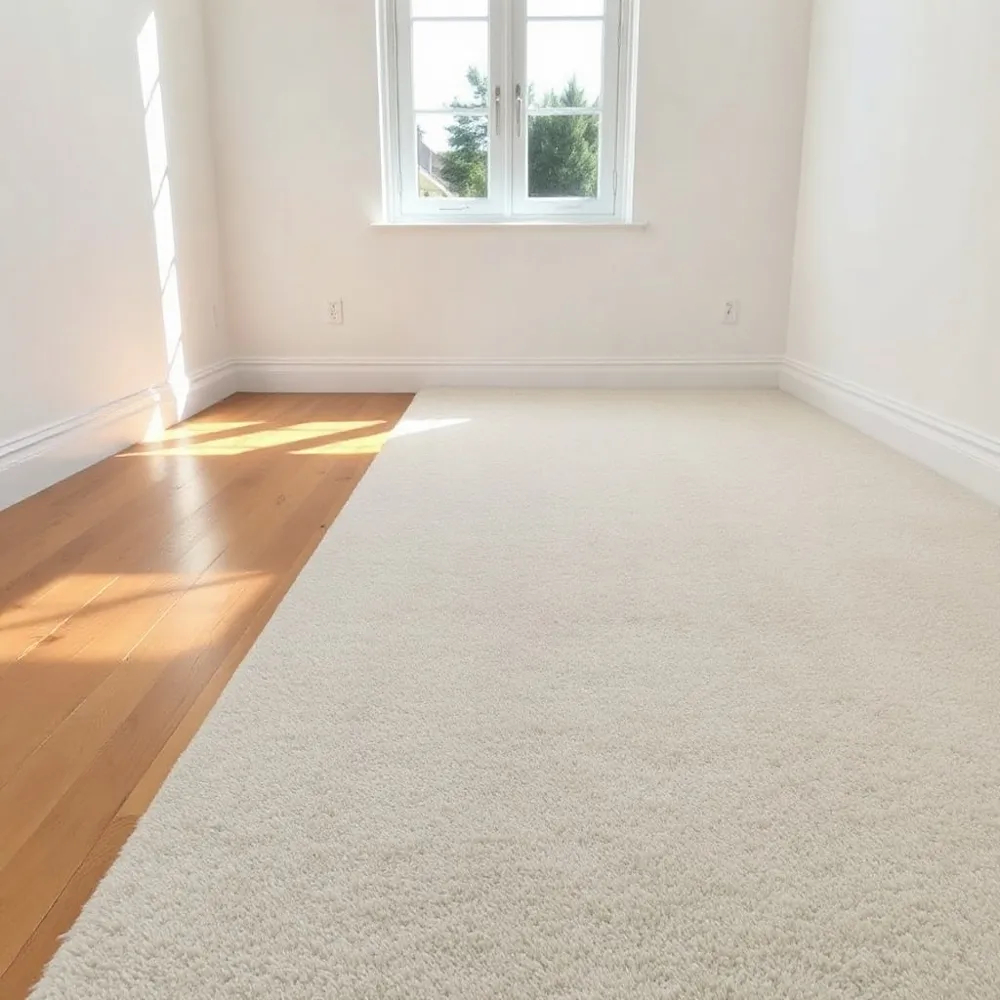
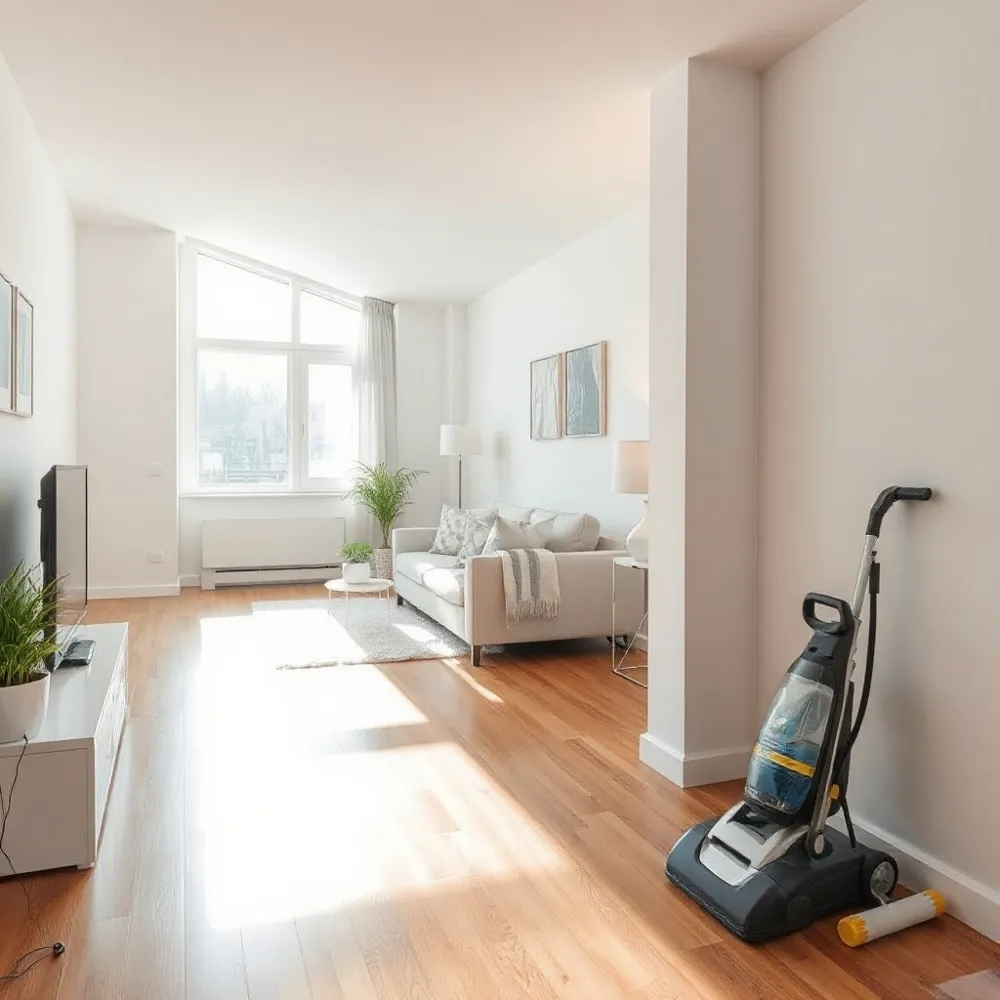
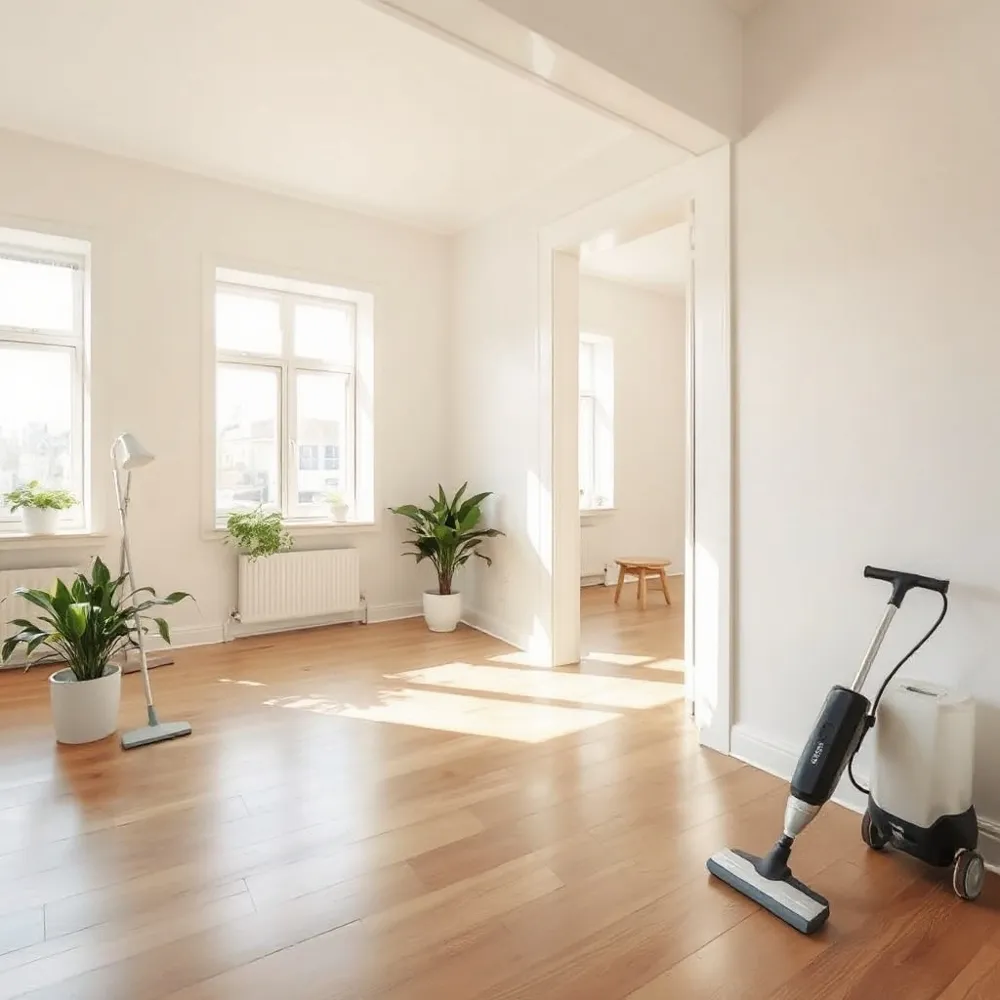
Turn checklist for apartments: Remove all trash and personal items, inspect entry locks, deadbolts, door sweeps, exterior lights and note any wall or paint damage. Dust every surface, clean windows, mirrors, blinds and fixtures, then deep‑clean bathrooms (toilets, sinks, showers, grout) and kitchen appliances (refrigerator, oven, range hood, cabinets). Vacuum, steam‑clean or mop all flooring, address base trim and crown molding, restock paper towels, toilet paper and soap, test smoke/CO detectors, and document any repairs before the new tenant arrives. This systematic approach guarantees a spotless, safe, and move‑in‑ready unit.
What is the 3:30 rule for cleaning?: The 3:30 rule is a time‑boxing method—work intensely for 30 minutes on a specific task, then pause for a 3‑minute reset to put tools away, reassess priorities and plan the next step. Repeating the cycle three times a day yields three focused cleaning blocks without burnout, keeping momentum high and decision fatigue low for busy property managers.
By integrating a top‑down workflow with the 3:30 rule, turnover teams deliver consistent, high‑quality results while minimizing downtime between tenants.
Deep Kitchen, Bathroom, and Appliance Care

Apartment turnover cleaning checklist pdf – Bravo Cleaning offers a free, printable PDF that details every room, from entryway lock checks to kitchen cabinet cleaning, ensuring consistency and eco‑friendly practices.
Apartment turnover cleaning checklist template – The same PDF provides a room‑by‑room template with sub‑tasks (dusting, baseboard wiping, lamp testing) that property managers can mark off and sign for documentation.
Hospitable cleaning checklist – For short‑term rentals, Hospitable’s list begins with a quick inspection, followed by stripping beds, deep‑cleaning kitchen appliances, sanitizing bathrooms, disinfecting high‑touch surfaces, restocking supplies, and a final walk‑through to guarantee guest‑ready readiness.
Pricing, Rates, and Value of Turnover Services

Turnover cleaning with Bravo Cleaning in Minneapolis typically runs between $250 and $600 for a standard 2,000‑sq‑ft home. The exact price hinges on square footage, the unit’s condition (light touch versus heavy buildup), and any add‑on services such as carpet steam cleaning, stain removal, or interior window washing. Smaller apartments start around $200, while a one‑bedroom, 800‑sq‑ft condo usually costs $300‑$350. Compared with the national average of $157‑$296 for standard apartment cleanings, Bravo’s rates reflect the extra labor, eco‑friendly products, and specialized equipment required for a move‑in ready unit. In Minneapolis the market hourly rate for professional house cleaners sits at $45‑$60; a $50‑hour charge is comfortably within this range and offers a higher level of expertise, green cleaning methods, and a satisfaction guarantee. For a three‑hour job, expect a total of roughly $135‑$180, not including specialty tasks that may add $10‑$20 per hour. Contact Bravo with your square footage and desired services for a precise, no‑surprise quote.
Specialized Checklists for Renovation, Short‑Term Rentals, and Free Templates

For short‑term rentals, the STR cleaning checklist starts by stripping beds, laundering linens, and making beds neatly. Follow with a thorough bathroom disinfect, kitchen deep‑clean (countertops, appliances, sink), dusting high‑touch surfaces, vacuuming/mopping floors, restocking toiletries, and a final walkthrough to catch missed spots.
Bravo Cleaning offers a free, downloadable PDF turnover checklist organized by room, with columns for inspection, repair, and part numbers, helping Minneapolis landlords streamline move‑in preparations and maintain consistent quality.
Smart Cleaning Rules, Eco‑Friendly Tools, and Final Documentation

Five Smart‑Cleaning Rules
- Start high and work down – dust ceilings, fans, and light fixtures before tackling windows, baseboards, carpets, and floors to avoid re‑contamination.
- Work smarter, not harder – clear clutter, pre‑treat stains, and deploy efficient equipment such as HEPA‑rated vacuums, steam mops, and extendable dusters.
- Spot‑clean immediately – address spills before they set, reducing labor and chemical use.
- Prioritize health and safety – wear PPE and choose EPA‑registered, biodegradable disinfectants that protect occupants and the environment.
- Keep a consistent schedule – regular touch‑ups prevent buildup and maintain a fresh appearance for every turnover.
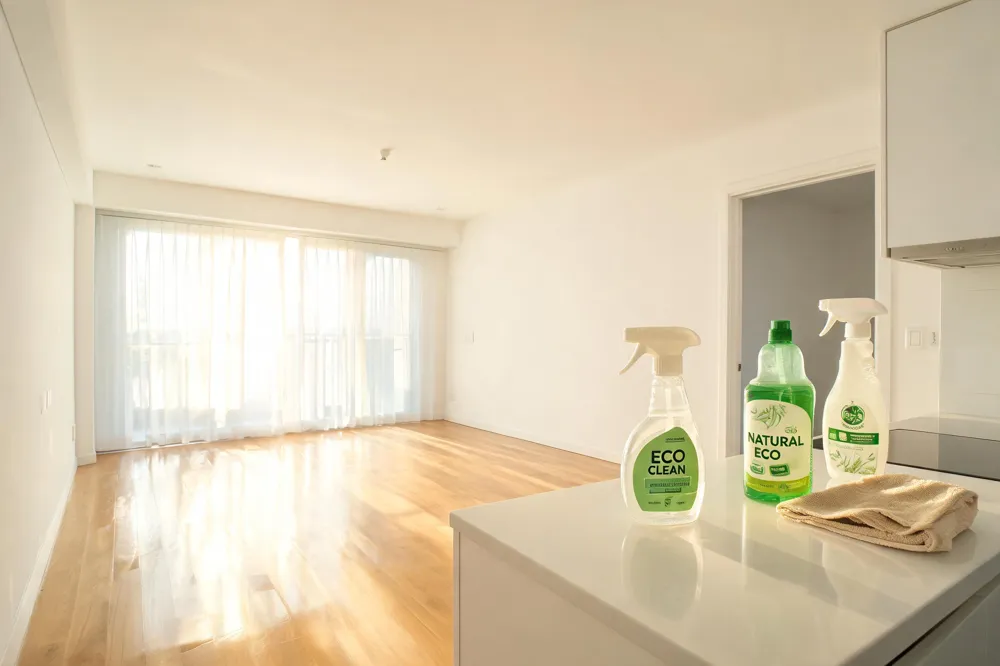
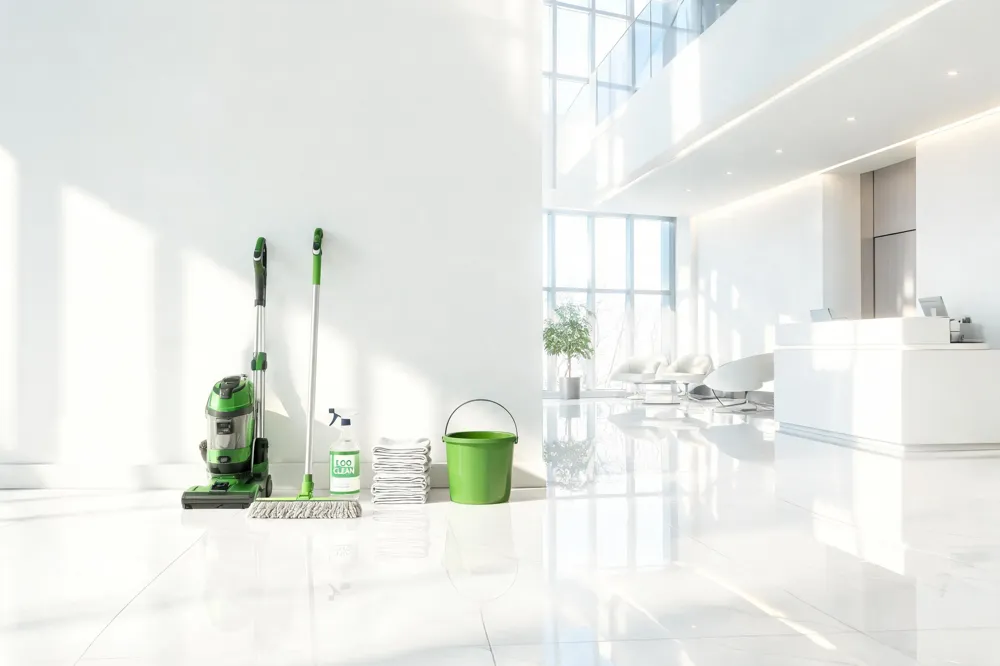
Eco‑Friendly Tools Microfiber cloths capture up to 40 % more particles than cotton, while robot vacuums free staff for high‑touch tasks. Hand‑held steam cleaners sanitize kitchens and bathrooms without harsh chemicals, aligning with green‑cleaning standards.
Final Documentation After cleaning, photograph or video each room, focusing on countertops, appliances, and flooring. This visual record safeguards security‑deposit disputes and demonstrates the unit’s move‑in readiness to landlords and prospective tenants.
Industry Insight The average tenant turnover rate in U.S. rentals sits at 40‑50 % annually; Minneapolis mirrors this at roughly 45 %. Efficient smart‑cleaning practices and thorough documentation help property managers minimize vacancy time and protect rental income.
Putting It All Together for a Seamless Turnover
Using a single, detailed checklist for every unit guarantees that no task is missed and speeds up staff training. Pair this with microfiber cloths, HEPA‑rated vacuums and biodegradable cleaners to protect indoor air quality while reducing chemical exposure. Provide transparent, itemized pricing and capture before‑and‑after photos, so landlords and tenants have clear evidence of work performed. When each space shines, residents and guests feel valued, leading to higher satisfaction scores, repeat bookings and faster lease renewals. Our team also tracks time spent per task, ensuring cost‑effective service and improvement.
Recent articles