Turn‑Cleaning Best Practices for High‑Rise Condominiums


Why Turn‑Cleaning Matters in High‑Rise Living
First impressions in high‑rise condos begin at the lobby, but a unit’s interior seals the deal. A spotless unit signals meticulous property management, directly influencing a prospective renter’s decision to lease.
Health and safety are paramount. Deep sanitation removes allergens, mold, and bacteria. In humid markets like Buford, GA, EPA‑approved cleaners reduced post‑turnover mold complaints by 35%, underscoring the liability benefits for condo managers.
The financial upside is clear. Austin Property Management cut turnover‑related complaints by 40% after implementing a stricter kitchen deep‑cleaning protocol. Faster lease‑ups reduce vacancy costs and increase rental income.
High‑rise turnover presents unique challenges: coordinating elevator schedules, accessing exterior windows, and managing multiple units simultaneously. Tailored cleaning plans—using eco‑friendly, pH‑neutral solutions—protect luxury finishes while ensuring swift, safe turnovers.
What Is Apartment Turnover Cleaning?

What Is Apartment Turnover Cleaning?
Apartment turnover cleaning is a comprehensive deep-clean that occurs after a tenant moves out and before a new occupant moves in, going far beyond routine maintenance. It targets every surface and hidden area—sanitizing kitchens and bathrooms, degreasing appliances inside and out, washing walls, steam-cleaning carpets, polishing hard floors, and disinfecting high-touch points like light switches and door handles. Routine cleaning often overlooks interior cabinets, refrigerator coils, grout lines, behind furniture, and vent covers, whereas turnover cleaning restores the unit to a move-in-ready, like-new condition. The process is time-sensitive in high-rise condominiums—often completed within hours to minimize vacancy costs and lost rental income. A spotless unit directly accelerates lease-ups: clean, well-presented properties look better in online listings, command higher rents, and reduce turnover delays. Professional services also include changing locks, inspecting for damages, and replacing HVAC filters, ensuring the property meets landlord standards and attracts quality tenants quickly.
Typical Services in a Condo Turn‑Cleaning Package

Deep kitchen degreasing and appliance care
Kitchen deep cleaning has the highest impact. Austin Property Management cut turnover complaints by 40% after standardizing degreasing protocols for stovetops, cabinets, and appliances. Condo teams should pull refrigerators to vacuum coils and scrub interior surfaces and doors.
Bathroom sanitization and mold prevention
Bathroom mold is a top inspection point. In humid markets like Buford, GA, EPA-approved cleaners and enzymatic treatments reduced post-turnover mold complaints by 35%. Sanitizing grout, caulking, and replacing exhaust fan filters prevents recurrence.
Carpet steam‑cleaning and floor‑specific care
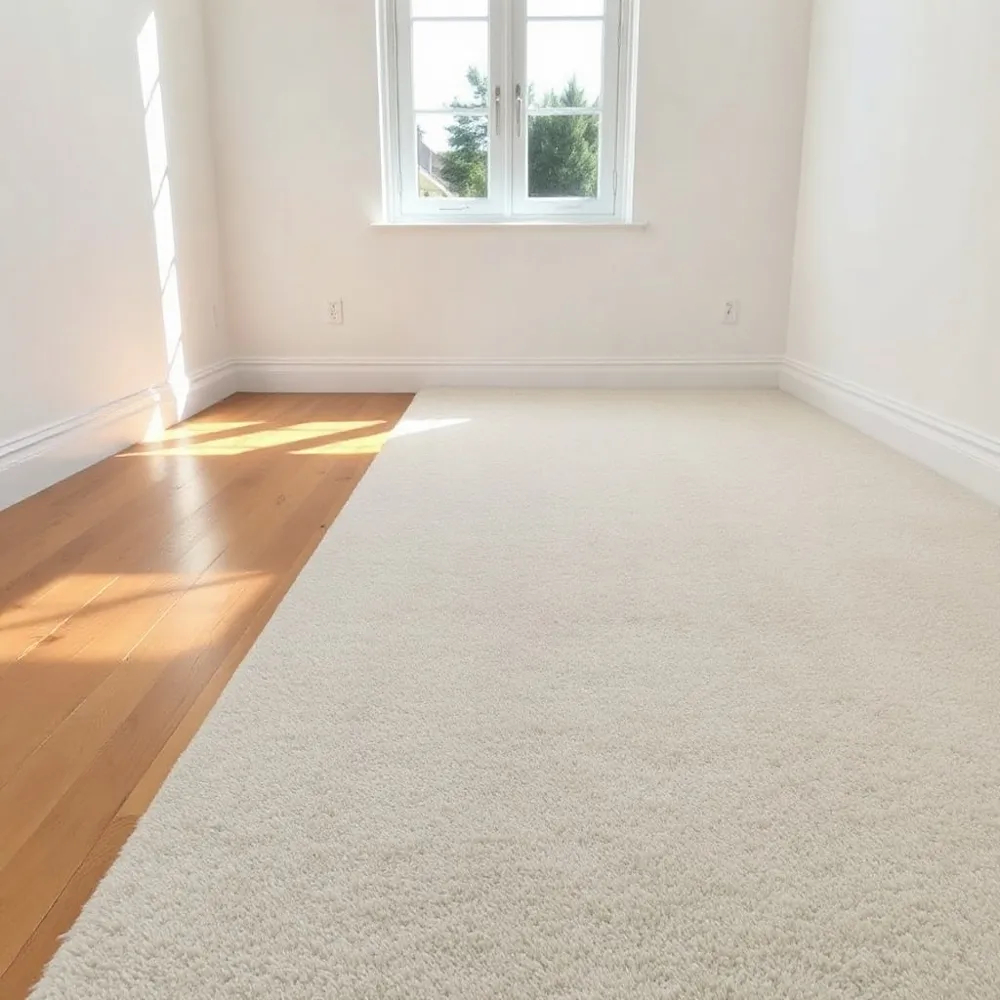
Professional hot-water extraction (steam cleaning) follows IICRC standards and can accelerate turnover time by 45%. For hardwoods, use a pH-neutral cleaner and microfiber mop to avoid warping; for tile, apply a baking-soda paste to brighten grout.
HVAC filter replacement and duct inspection
Replacing HVAC filters with MERV-11 or higher improves indoor air quality and reduces allergen complaints. Because many high-rise condos share ventilation, a quick vent-brush cleaning and system test prevent future dust circulation.
Window and blind polishing
Streak-free glass can boost online listing photo quality by 30%. Clean blind slats with a damp microfiber cloth and use a squeegee on overcast days to avoid streaks. For exterior windows in high-rises, hire a certified contractor.
Trash removal and final inspection
Remove all leftover items and documentation of the post-cleaning condition with photos or video provides evidence for security-deposit disputes and creates a visual audit trail for property managers overseeing multiple units.
Building a Complete Turn‑Over Checklist

A thorough turnover checklist ensures no area is neglected, from the highest light fixture to the final floor sweep. Creating a structured, repeatable process saves time, reduces complaints, and protects your investment in high‑rise condominiums. The checklist should be treated as a live document, adaptable to each building's unique finishes and layout, but grounded in proven best practices from property management and professional cleaning standards.
What items should be on an apartment turnover checklist?
Kitchen deep cleaning and degreasing is the highest‑impact task in any turnover checklist. Neglecting grease buildup can lead to lingering odors, pest infestations, and fire hazards; property managers who standardized kitchen deep‑cleaning have cut turnover‑related complaints by 40%. A systematic room‑by‑room approach ensures consistency across all units.
Bathroom sanitization and mold prevention are critical. Use EPA‑approved mold treatments and enzymatic cleaners to reduce post‑turnover mold complaints by up to 35%. This step is especially vital in humid building climates where mold can spread quickly between units.
Living areas and bedrooms require a top‑to‑bottom cleaning sequence: start with ceiling fans and light fixtures, then clean windows and window sills, dust all surfaces, vacuum or steam‑clean carpets, and mop hard floors last to capture any falling dust. This method prevents re‑soiling during the cleaning process.
General final tasks include emptying trash cans and replacing liners, checking for left‑behind personal items, replacing any missing or broken fixtures (such as light bulbs or towel bars), and verifying that smoke detectors are functional. These finishing touches help ensure a smooth handover.
Pre‑move‑out inspection and repair sequencing
A pre‑move‑out walkthrough should be conducted as soon as a tenant provides notice, and again after they vacate. This allows property managers to document damage with photos and notes, compare findings to the original move‑in inspection, and prioritize cleanup. The inspection should identify cracks, leaks, water damage, appliance functionality, plumbing fixtures, electrical outlets and switches, and signs of insect damage or infestation.
Complete all repairs before deep cleaning. Fixing plumbing leaks, replacing air filters, tightening hardware, and updating appliances reduces dust residue and avoids re‑cleaning after paint or carpet work. Professional carpet cleaning, using hot‑water extraction per IICRC standards, should be scheduled early as drying time ranges from 2‑24 hours based on airflow and humidity. Fresh paint using neutral colors can increase rental rates by 15‑20%.
Final walkthrough and documentation
A final walkthrough should be performed using a detailed checklist to catch missed spots such as dust on ceiling‑fan blades, burnt‑out bulbs, and unclean vent registers. Having a second person conduct the walkthrough improves detection of overlooked areas like baseboards and door frames. Documenting the post‑clean condition with before‑and‑after photos provides crucial evidence for security‑deposit disputes and creates a visual audit trail for property managers overseeing multiple units.
Printable and digital checklist options
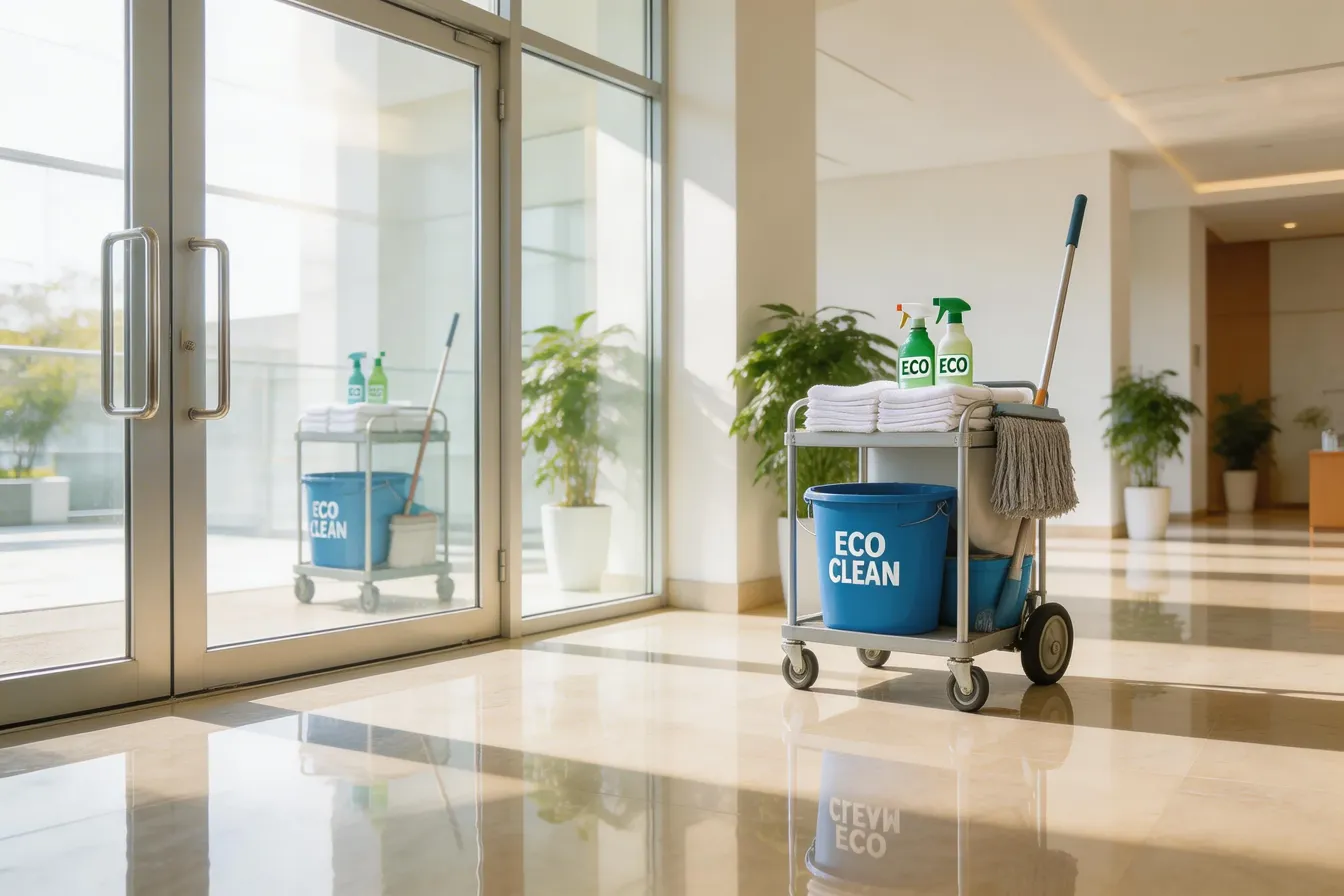
Standardizing the turnover checklist into a repeatable standard operating procedure (SOP) eliminates guesswork and builds a reputation for reliability. Checklists can be printed as PDFs for each turnover or managed on digital platforms that allow real‑time tracking, photo uploads, and supply monitoring. Using a digital management tool helps high‑rise condo properties maintain consistent turnover standards and quickly address any cleanliness disputes. Eco‑friendly cleaning practices, such as using vinegar‑based solutions and low‑impact detergents, can be incorporated into the checklist to align with sustainable property management goals.
How Turn‑Cleaning Prices Are Calculated
How are apartment turnover cleaning prices calculated?
Turnover cleaning prices are typically structured around a per‑square‑foot model. In the United States, commercial cleaning rates range from $0.03 to $0.15 per square foot. For example, cleaning a 1,000‑sq‑ft condominium at $0.10 per sq ft would cost approximately $100 for a standard turnover.
What factors influence the cost?
Several elements affect the final price:
| Factor | Impact on Cost |
|---|---|
| Unit size | Larger spaces increase base cost proportionally. |
| Condition | Heavy soiling, grease, or mold adds labor and material time. |
| Frequency | Recurring contracts (weekly or monthly) often qualify for volume discounts. |
| Special services | Carpet steam cleaning, appliance deep‑cleaning, and window washing add variable fees. |
| Location | Local labor rates and high‑rise elevator logistics can raise pricing. |
What does a sample pricing scenario look like?
A 1,200‑sq‑ft high‑rise condo needing full kitchen degreasing, bathroom sanitization, carpet steam cleaning, and wall touch‑ups might cost $200–$350 for a one‑time turnover. Adding recurring bi‑weekly maintenance could lower the per‑visit price to $140–$200.
How do recurring contracts impact pricing?
Clients who sign monthly or quarterly service agreements typically receive 15–25% discounts per visit. This predictable schedule also allows professional teams to pre‑position supplies, reducing travel and setup time. Such contracts ensure consistent quality and faster scheduling during high‑turnover seasons.
Cleaning Like a Pro: Rules, Methods, and Time Management
How to clean like a professional? Use the top‑to‑bottom and wall methods.
Professionals start at the highest surfaces—ceiling fans, light fixtures—and work downward. This prevents dust from re‑soiling already‑cleaned areas. The wall method adds systematic coverage: begin at one wall, clean the room’s perimeter from top to bottom, then move inward to the center, ending at your starting point. This ensures closets, behind doors, and under furniture are not missed. Treat each floor as its own section in multi‑level condos.
The 20/10 rule for stamina
Professional organizer Rachel Hoffman’s 20/10 rule breaks cleaning into focused 20‑minute work intervals followed by a mandatory 10‑minute break. Using a timer prevents burnout and builds momentum—train your brain to associate cleaning with a reward.
Five smart‑cleaning rules
- Clean higher to lower surfaces.
- Work smarter: declutter, pre‑treat stains, use the right tools.
- Address spills proactively to prevent stains.
- Prioritize health and safety with proper equipment and product instructions.
- Maintain a consistent schedule to avoid overwhelming deep‑cleaning sessions.
The 3:30 rule for focused sessions
The 3:30 rule (or 30‑3 rule) dedicates 30 minutes to deep‑cleaning one zone, followed by a 3‑minute reset. Alternatively, complete three separate 30‑minute sessions throughout the day. This leverages task‑completion momentum, making it ideal for busy property managers.
Maintenance vs. Cleaning Checklists & Free Resources
Understanding the Difference: Maintenance vs. Cleaning Checklists
A maintenance turnover checklist is a guide for inspecting and addressing repairs, replacements, and preventive upkeep between tenants. It focuses on functionality and safety, such as replacing HVAC filters, testing smoke detectors, inspecting plumbing for leaks, and checking for water damage. In contrast, an apartment turnover cleaning checklist focuses exclusively on cleaning tasks to make the unit spotless and move‑in ready. This includes deep cleaning kitchens and bathrooms, sanitizing high‑touch surfaces, and dusting vents. Both checklists are used together: the maintenance list ensures the unit is safe and functional, while the cleaning list guarantees a hygienic environment for the next occupant.
Key Maintenance Items for Condo Turnover
A thorough maintenance inspection should cover replacing HVAC filters, testing smoke and carbon monoxide alarms, and checking for plumbing leaks. Inspecting appliances, tightening loose hardware, and checking water pressure are also critical. Addressing these issues before deep cleaning prevents dust and debris from re‑settling on clean surfaces.
Where to Find Free PDF Templates
Free apartment turnover checklist templates in PDF format are available from property management software companies like Avail. Apartment listing platforms such as Apartments.com also offer downloadable checklists. A quick online search for "apartment turnover checklist template PDF" will provide many customizable options.
Eco‑Friendly and SOP Benefits for Condo Managers
Standardizing turnover checklists into a repeatable SOP eliminates guesswork and ensures no detail is missed. Using eco‑friendly cleaning solutions, such as vinegar‑water mixtures and low‑VOC products, aligns with sustainable property management goals and appeals to environmentally conscious residents. This combination builds a reputation for reliability and safety.
Putting Best Practices Into Action
Standardize SOPs for every turnover
A repeatable, room-by-room Standard Operating Procedure (SOP) eliminates guesswork and ensures no detail is missed. This systematic approach builds a reputation for reliability, which is crucial for high-occupancy properties.
Leverage eco‑friendly products and local expertise
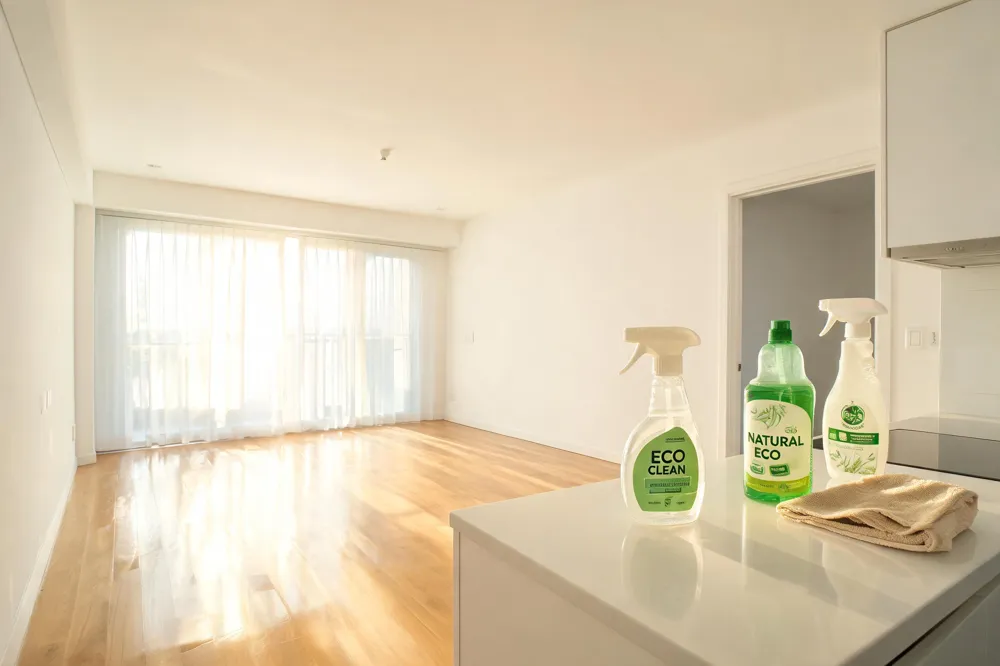
Using pH-neutral, vinegar-based cleaners and microfiber cloths protects luxury finishes and aligns with tenant expectations for sustainability. Locally owned services understand regional humidity challenges, mold risks, and building logistics.
Partner with experienced crews like Bravo Cleaning
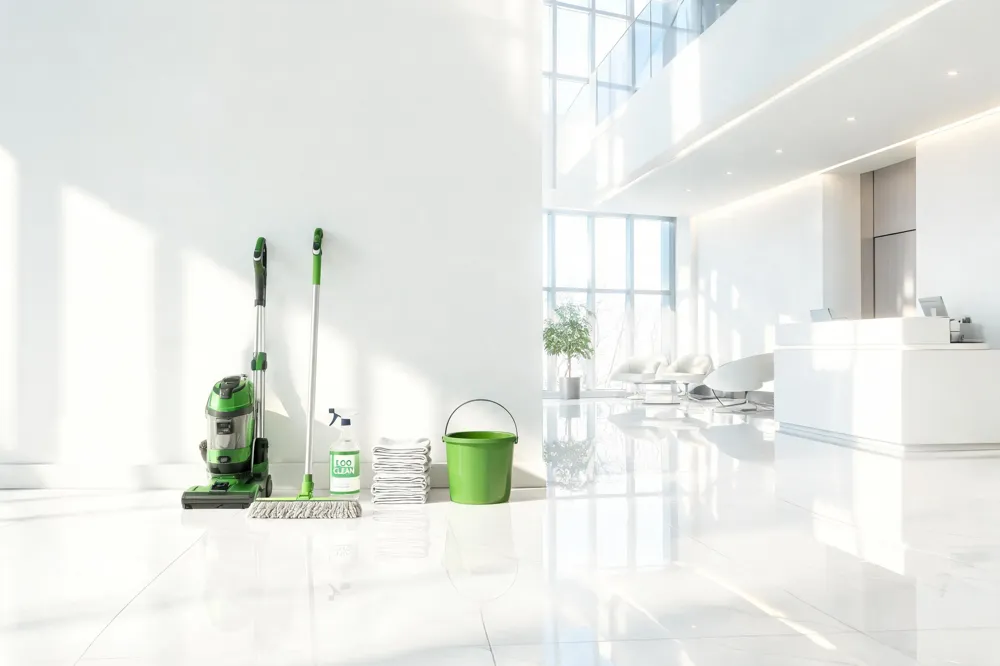
Professional teams with dedicated checklists, HEPA vacuums, and insurance bring efficiency and safety—especially for tasks like exterior window washing or deep carpet extraction. Their experience reduces turnover time and material damage risks.
Track results and adjust based on ROI
Document pre- and post-cleaning photos and track complaint rates. One property manager reduced turnover complaints by 40% after standardizing kitchen deep-cleaning, proving that data-driven adjustments can yield measurable returns.
Recent articles