Why a Dedicated Cleaning Team Boosts Tenant Satisfaction in Multi-Unit Buildings

Why Cleanliness Matters in Multi‑Unit Buildings
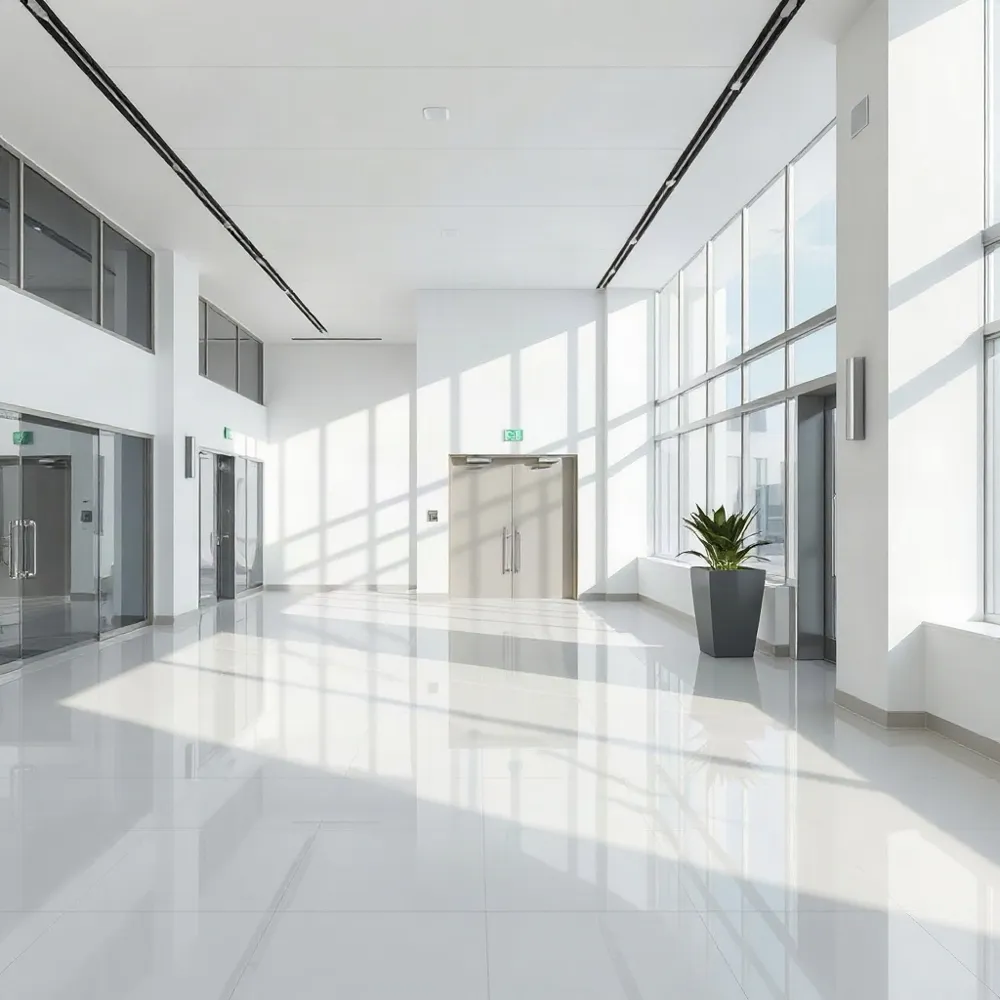
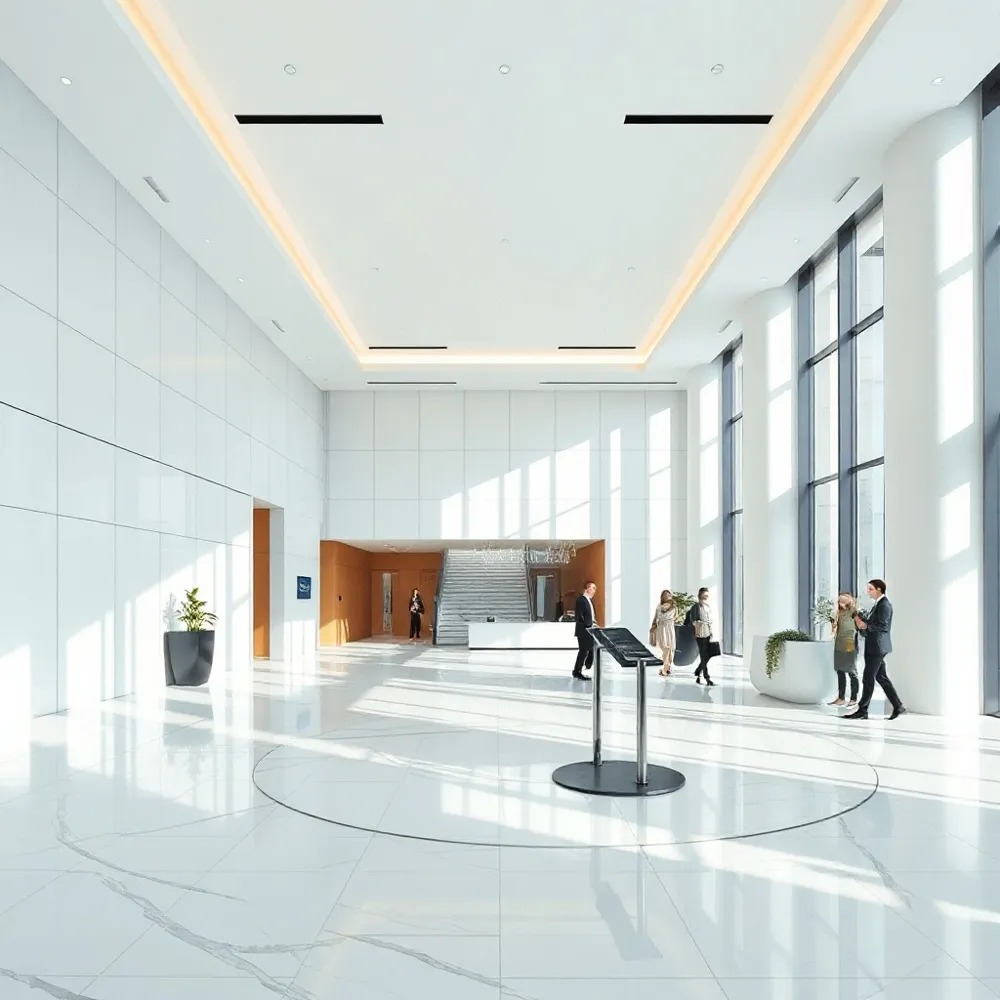
Spotless common areas—lobbies, hallways, elevators, and fitness centers—form the first impression that prospective renters experience; studies show a clean lobby can increase lease signing likelihood by up to 25%. Consistent cleaning schedules, delivered by a dedicated janitorial team, translate directly into higher lease renewal rates, with 78% of tenants citing cleanliness as a top factor in renewal decisions. Professional services also protect tenant health: high‑touch surface disinfection with Green Seal™ certified, eco‑friendly products reduces allergens and germs, lowering respiratory complaints by up to 12% and meeting post‑pandemic hygiene expectations. Together, a pristine environment, reliable service, and health‑focused cleaning drive tenant satisfaction, retention, and overall property value.
Turnover Cleaning and Its Direct Benefits

What is apartment turnover cleaning?
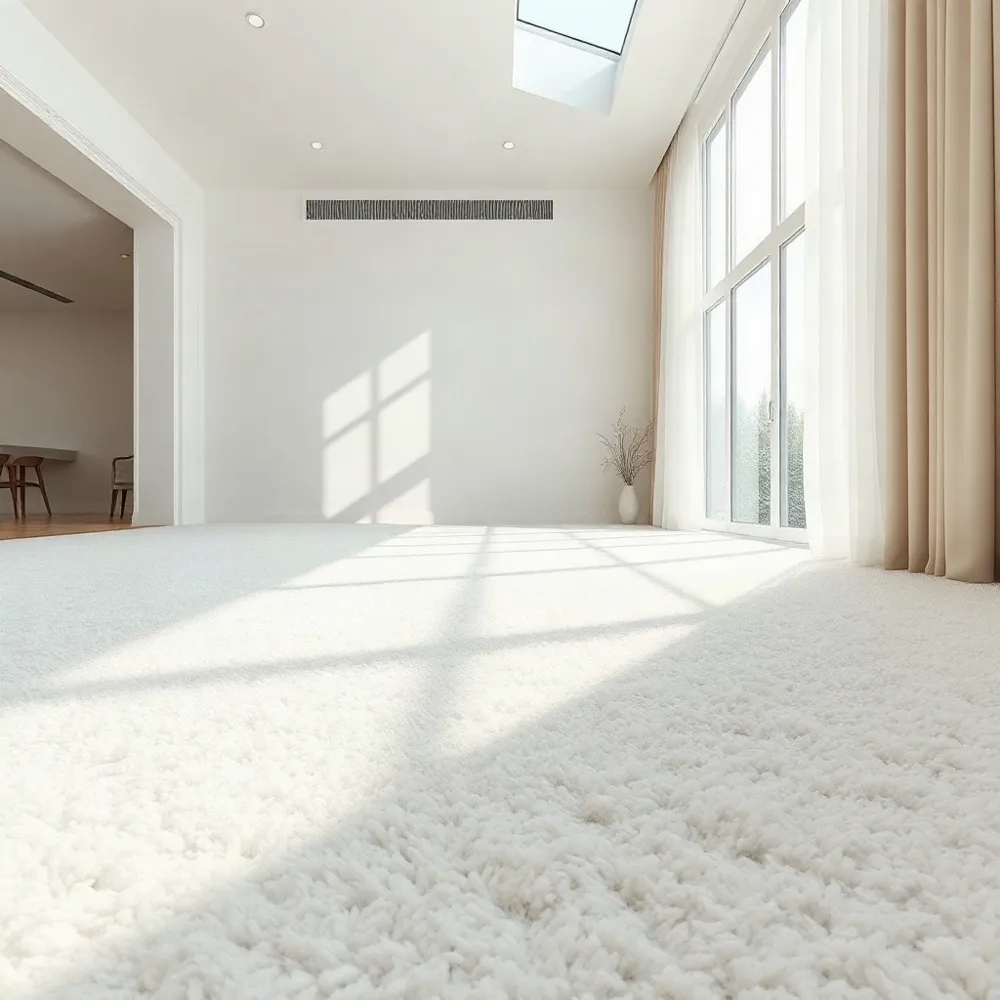
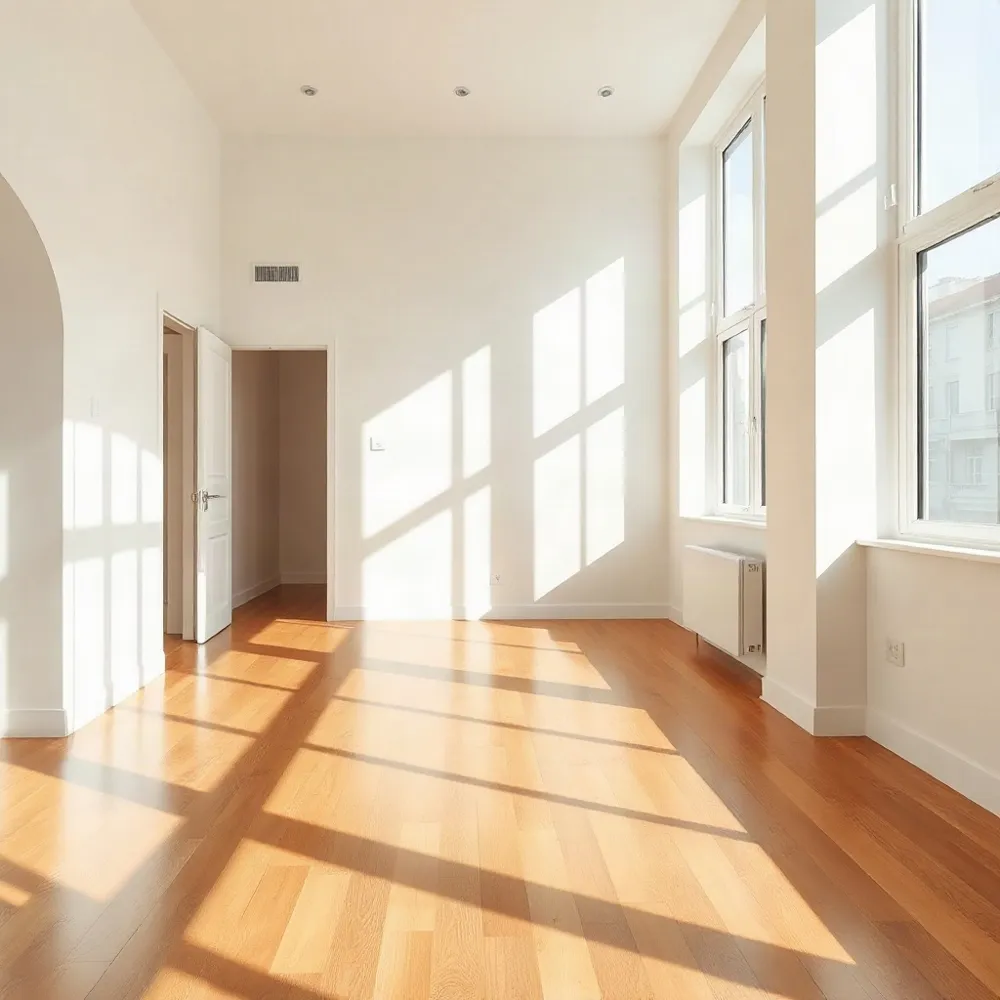
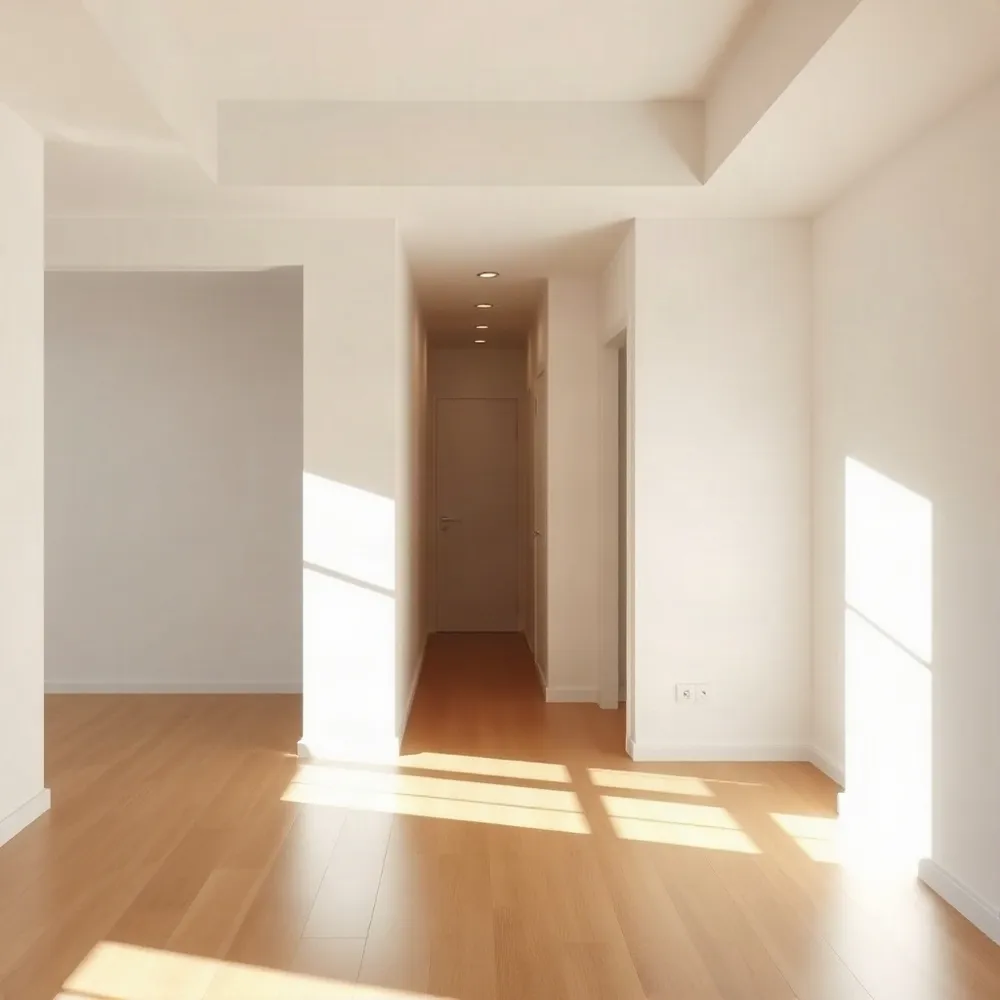
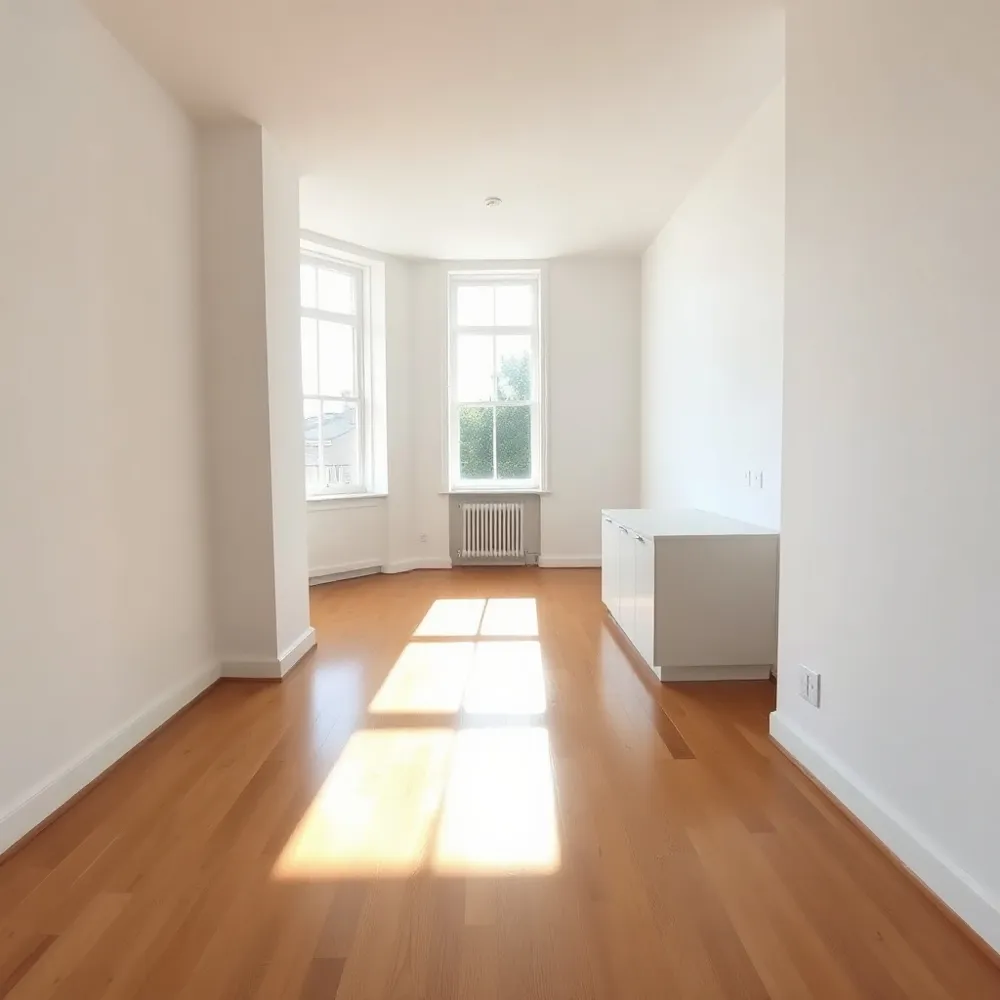
Apartment turnover cleaning is a deep, move‑out service performed after a tenant vacates and before the next occupant moves in. It goes beyond routine housekeeping by scrubbing kitchens, bathrooms, floors, appliances, and fixtures, cleaning interior windows, wiping cabinet interiors, and polishing carpets or hard‑floor surfaces. Professional teams such as Bravo Cleaning use experienced, background‑checked staff and Green Seal™‑certified eco‑friendly products to restore each unit to a “like‑new” condition. The result is a spotless, move‑in‑ready space that shortens vacancy periods and signals a high‑standard property to prospective renters.
What are the ten benefits of a clean and organized home?
- Reduces allergy and asthma triggers (dust, mold, pet dander). 2. Lowers risk of food‑borne illnesses. 3. Improves mental well‑being and reduces stress. 4. Enhances sleep quality. 5. Encourages healthier eating and fitness routines. 6. Increases safety by preventing falls. 7. Protects furniture, flooring, and overall property value. 8. Creates a welcoming atmosphere for guests. 9. Boosts indoor air quality. 10. Enhances productivity and self‑regulation.n
By delivering these benefits, turnover cleaning directly lifts tenant satisfaction, strengthens property reputation, and drives higher lease renewal rates.
Understanding Cleaning Rates in Minneapolis and Minnesota

In the Twin Cities market, professional house‑cleaning rates typically range from $35 to $75 per hour per cleaner. A $50‑per‑hour price sits comfortably in the middle of that spectrum, signaling a balanced package of experienced staff, reliable scheduling, and eco‑friendly cleaning practices. Companies such as Bravo Cleaning, with over 20 years of local expertise, use Green‑Seal™ certified products and HEPA‑rated equipment—features that justify the $50‑rate while protecting tenant health and indoor air quality.
Conversely, $30 n per hour falls below the usual benchmark for Minnesota. While it may cover a basic, single‑cleaner task in a small unit, it often cannot sustain the labor, insurance, and greener supplies needed for deep‑cleaning, carpet care, or turnover services. Lower rates risk higher turnover among cleaning crews, reducing familiarity with each building and potentially compromising consistency.
Is $50 an hour a good rate for house cleaning in Minneapolis?
Yes. $50 per hour aligns with the market’s median, reflecting qualified, background‑checked personnel and sustainable products that enhance tenant satisfaction.
Is $30 an hour a reasonable rate for house cleaning in Minnesota?
$30 per hour is below typical rates and may not cover the quality, safety standards, or eco‑friendly methods most renters expect.
Pricing Turnover and Professional Services in Minneapolis

In Minneapolis, a standard cleaning of a 1,000‑sq‑ft apartment typically ranges from $120 to $200. When owners move‑outturn services move‑in, deep or turnover cleaning—which adds carpet or tile care, extensive dusting, and high‑touch surface disinfection—costs rise to $150‑$250. The exact price hinges on bedroom and bathroom count, the level of grime, and any add‑on services such as eco‑friendly product upgrades or carpet shampooing.
Overall professional cleaning fees in the city average $118‑$237 per visit, with a mean of about $172. Hourly rates sit between $25 and $80, so a four‑hour deep clean runs roughly $200. Square‑footage pricing is $0.10‑$0.20 per sq ft for regular cleans (e.g., $150‑$300 for a 1,500‑sq‑ft home) and $0.25‑$0.35 per sq ft for turnover or move‑out jobs. Additional tasks—carpet care, window washing, appliance detailing—typically add $10‑$40 each.
Factors that shape final pricing include the unit’s size, the depth of cleaning required, the use of Green Seal™ certified eco‑friendly products, and the frequency of service. Companies such as Bravo Cleaning offer flat‑rate pricing and free in‑home estimates, allowing property managers to budget $130‑$220 per visit for a thorough, green‑focused clean that supports tenant satisfaction and faster unit turnover.
Team Cleaning Strategies for Property Managers

Professional, specialized cleaning crews give property managers a reliable, consistent service model. By assigning dedicated roles—day‑porter for high‑traffic lobbies, matron for restroom upkeep, and turnover technicians for unit turnover—missed duties are minimized, labor hours are optimized, and per‑square‑foot cleaning costs drop. This focused approach accelerates turnover speed, cutting vacancy periods and boosting rental income while simplifying supervision and staffing flexibility.
Productivity rules
- 20/10 rule: Work intensively for 20 minutes, then take a 10‑minute break. This time‑boxing keeps staff focused, reduces fatigue, and maintains high‑quality results across full‑unit turnovers, carpet care, and deep‑cleans.
- 3:30 rule: Allocate three hours for preparation and thirty minutes for final inspection, ensuring thoroughness without overruns.
Impact on budget and turnover Specialized crews lower payroll expenses, reduce equipment duplication, and align with smart‑cleaning strategies that prioritize high‑traffic zones. Faster, seamless turnovers—often 30 % quicker with a dedicated team—minimize lost rent and improve lease‑renewal rates, directly enhancing the property’s bottom line.
What are the benefits of team cleaning for property managers? Team cleaning gives property managers a higher level of consistency because each worker specializes in a specific task, reducing the chance of missed duties. By assigning dedicated roles, labor hours are used more efficiently, lowering the cost per square foot and cutting overall payroll expenses. Turnaround times speed up, allowing quicker turnover of apartments or commercial spaces and minimizing vacancy periods. Supervision is simpler since managers can monitor a small set of specialized duties rather than juggling multiple tasks per employee, and any absentee can be seamlessly replaced without disrupting service. Finally, the approach reduces equipment duplication and maintenance costs, and aligns with smart‑cleaning strategies that focus resources on high‑traffic areas for even greater budget savings.
What is the 20/10 rule for cleaning? The 20/10 rule for cleaning is a time‑boxing technique where you work intensively for 20 minutes and then give yourself a 10‑minute break before the next burst. By breaking larger jobs—such as a full‑unit turnover, carpet shampooing, or office deep clean—into 20‑minute segments, the task feels less overwhelming and you can make steady progress even on a busy schedule. The short break restores focus and prevents fatigue, keeping productivity high throughout the day. This method works well for both residential and commercial properties, allowing our staff to deliver consistent, high‑quality results while staying efficient. Ultimately, the 20/10 rule helps you maintain a clean space without sacrificing time or energy.
Practical Cleaning Time‑Management Rules

Effective cleaning schedules are the backbone of resident satisfaction in multifamily properties. One proven strategy is the 3:30 rule for daily housekeeping – three focused 30‑minute blocks each day (e.g., kitchen, bathrooms, living areas). This bite‑size approach yields 90 minutes of consistent upkeep, preventing backlog and keeping high‑traffic zones spotless without disrupting residents.
What is deep cleaning and how does it differ from standard cleaning? Deep cleaning targets hidden dirt, allergens, and microbes in places routine cleaning often misses—under appliances, behind fixtures, inside cabinets, and in bathroom crevices. It uses longer work times, specialized tools, and eco‑friendly disinfectants (e.g., Green Seal™ certified products) to restore surfaces to near‑new condition. Standard cleaning, by contrast, covers visible tasks such as vacuuming, dusting, wiping countertops, and mopping floors on a regular schedule. Because deep cleaning addresses both surface and deep‑seated contaminants, it typically costs more and may take several hours for a 2,000‑sq‑ft unit, whereas standard cleaning is quicker and less expensive.
Ensuring consistent quality across units relies on a dedicated cleaning crew familiar with each building’s layout and tenant preferences. Companies like Bravo Cleaning and Total Quality Building Services use digital tracking, checklists, and green products to maintain uniform standards, reduce complaints, and boost lease renewal rates. Consistency, combined with flexible schedules and transparent communication, translates directly into higher tenant retention and lower turnover costs.
Legal Obligations and Target Market for Professional Cleaning

In Minnesota, tenants are not automatically required to hire a professional cleaning service at lease end. State law follows the "fair wear and tear" rule, meaning renters must return the unit in the same condition it was received, minus normal use. Only a written, reasonable move‑out clause can obligate a tenant to a professional clean, and any cost can be deducted from the security deposit rather than paid directly. Property managers who partner with a reputable cleaning firm can document the unit’s condition, protect deposits, and avoid disputes.
Bravo Cleaning’s primary audience includes Minneapolis landlords, property managers, and real‑estate professionals who need reliable turnover, carpet, and deep‑cleaning services for apartments, condos, and rental homes. The company also serves small‑to‑mid‑size commercial clients seeking eco‑friendly, weekday‑area maintenance. By using Green Seal™ certified products and transparent digital service tracking, Bravo demonstrates compliance with HUD habitability standards and EPA health guidelines, which builds tenant trust and reinforces the property’s reputation for safety and sustainability. Consistent, compliant cleaning reduces complaints, supports higher renewal rates, and aligns with the expectations of environmentally conscious residents.
The Bottom Line: Cleaner Buildings, Happier Tenants
Dedicated cleaning teams create a consistently spotless environment that shapes first‑impression experiences and daily comfort for residents. By maintaining lobbies, hallways, elevators and amenities with high‑touch disinfection and eco‑friendly products, they reduce allergens, germs and pest risks, directly improving indoor air quality and health. The financial payoff is clear: faster turnover cleaning shortens vacancy periods, lower turnover costs—often $2,500‑$4,000 per unit—and boost lease renewal rates, while routine care extends carpet and flooring life, cutting long‑term repair expenses. Property managers who partner with Bravo Cleaning gain a trusted, locally‑owned crew with 20 years of Minneapolis expertise, transparent service tracking, and flexible scheduling that aligns with occupancy cycles. The result is higher tenant satisfaction, stronger online ratings, and a healthier bottom line. Choosing Bravo also demonstrates a commitment to sustainability that resonates with modern renters.
Recent articles