Carpet Care 101: Extending the Life of Your Apartment Flooring

Welcome to Carpet Care 101
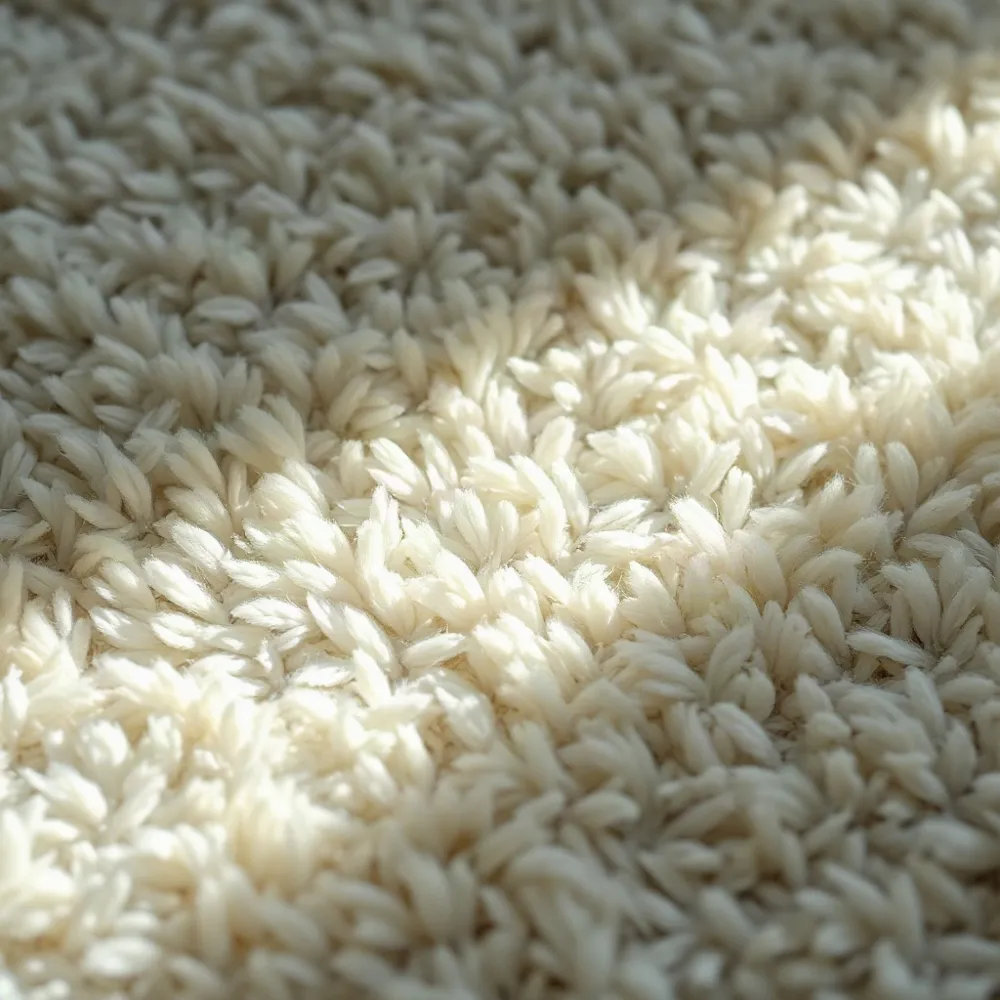
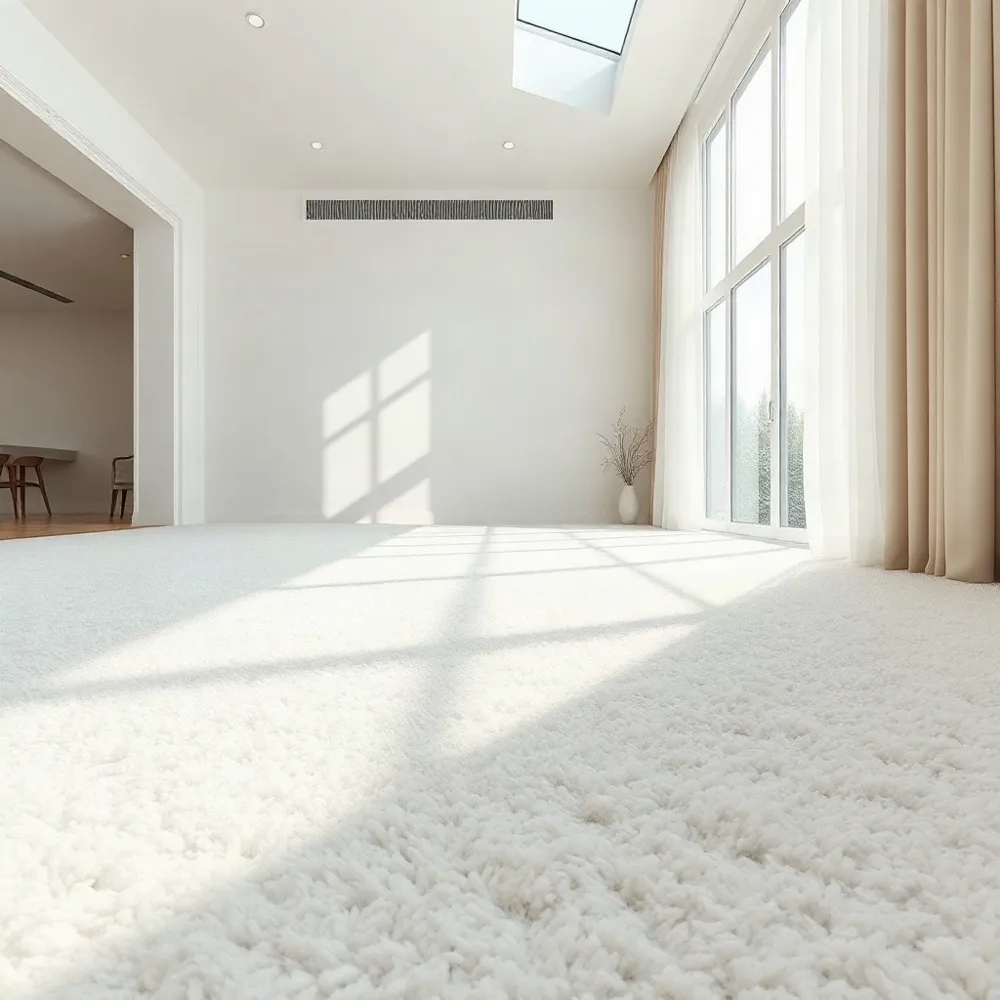
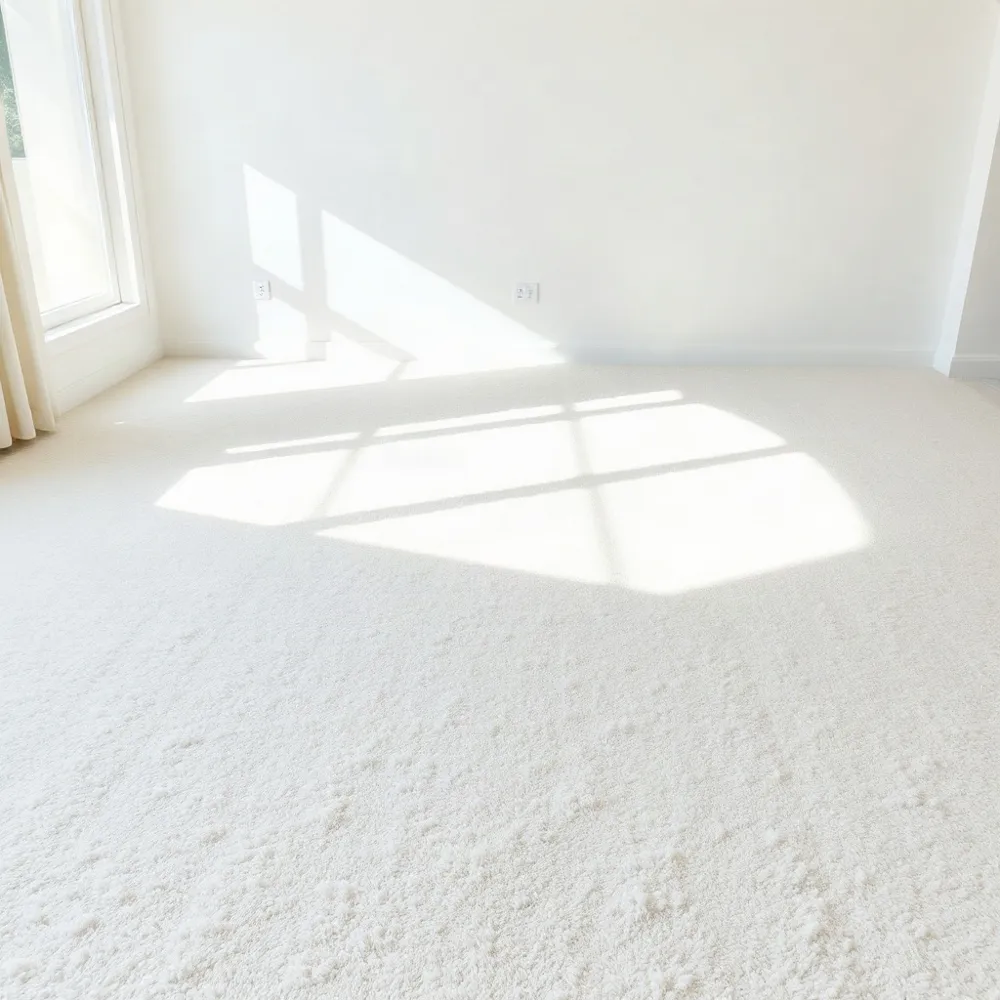
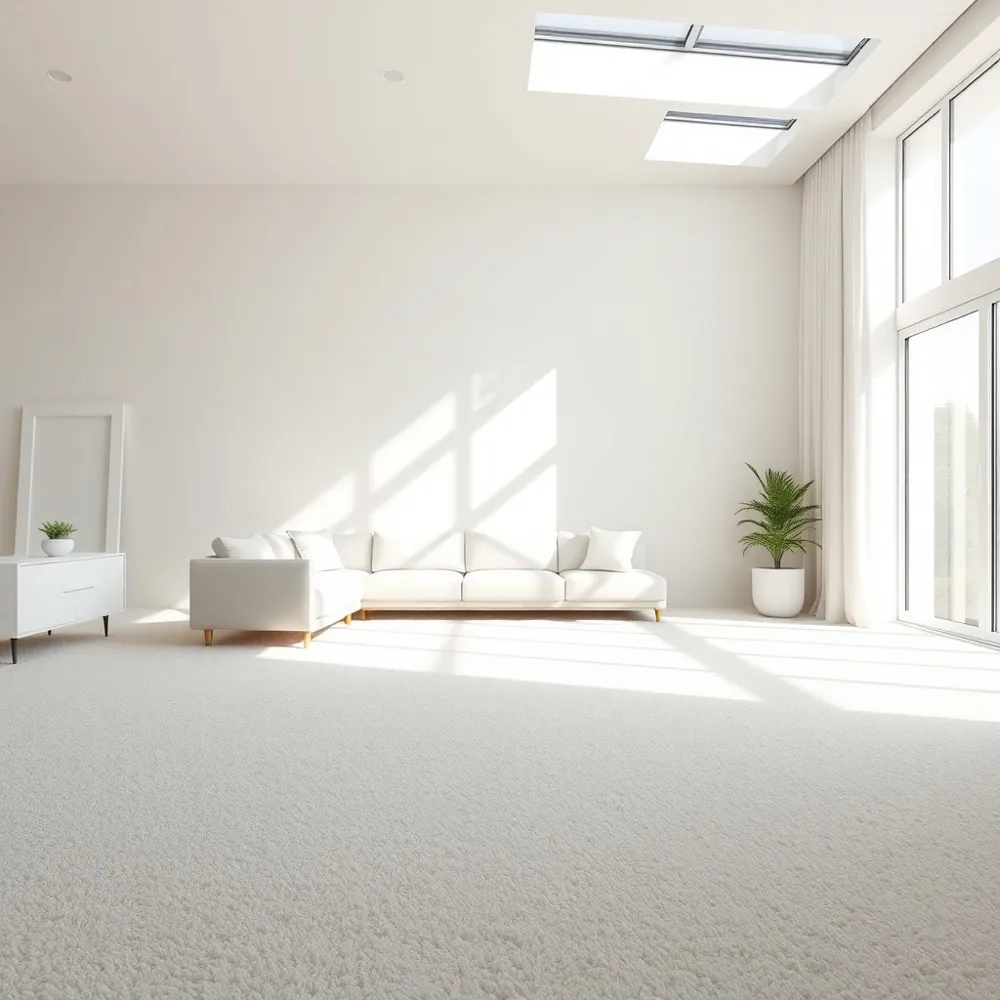
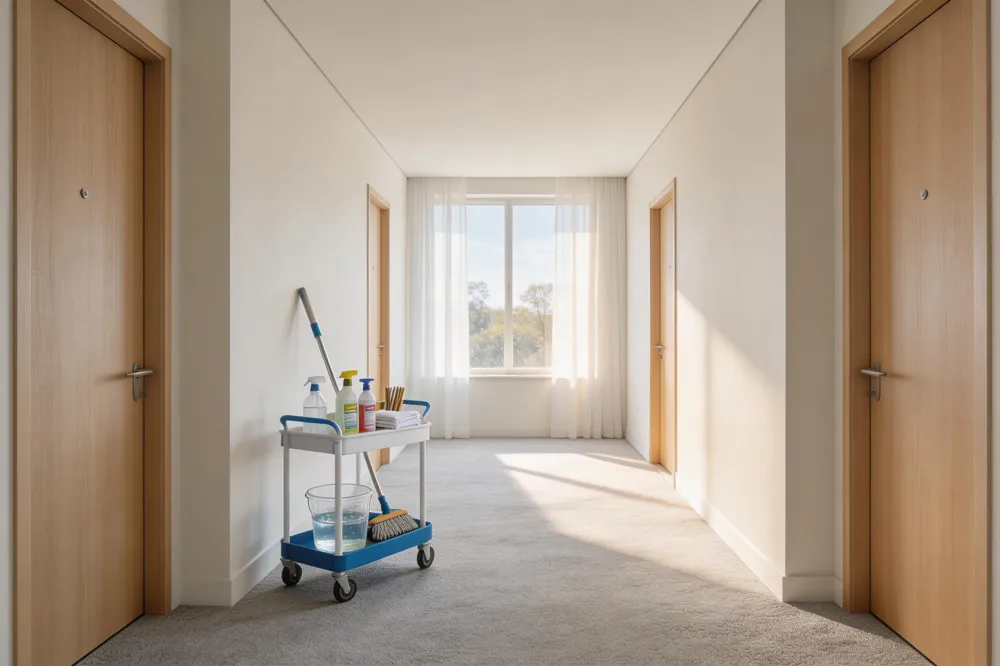
Proper carpet maintenance protects the investment, improves indoor air quality, and prevents premature wear that can trigger costly replacements. Longevity depends on traffic density, fiber type, pile height, humidity, and the amount of grit and moisture that reaches the surface. Vacuuming, spill blotting, use of entrance mats, and periodic professional extraction remove abrasive particles and soil that act like tiny blades on fibers. Bravo Cleaning offers apartment‑focused programs that combine CRI‑approved low‑VOC cleaners, hot‑water extraction and encapsulation to lift deep‑set dirt while preserving fibers. Our flexible scheduling, shoe‑rack installation, and education kits reduce tracked‑in debris and extend carpet life, helping owners maintain value and tenants enjoy a home environment. Our recent partnership with GreenRiver Apartments resulted in a 30% reduction in stain complaints and earned a five‑star tenant satisfaction rating.
Carpet Lifespan and Longevity in Apartments

Typical lifespan of apartment carpet Apartment carpet is usually expected to remain functional for 5–7 years under normal residential use. The exact service life depends on traffic, cleaning frequency, and the quality of the backing and padding. When a carpet shows permanent fraying, discoloration, or odor problems, most leases require replacement regardless of its age.
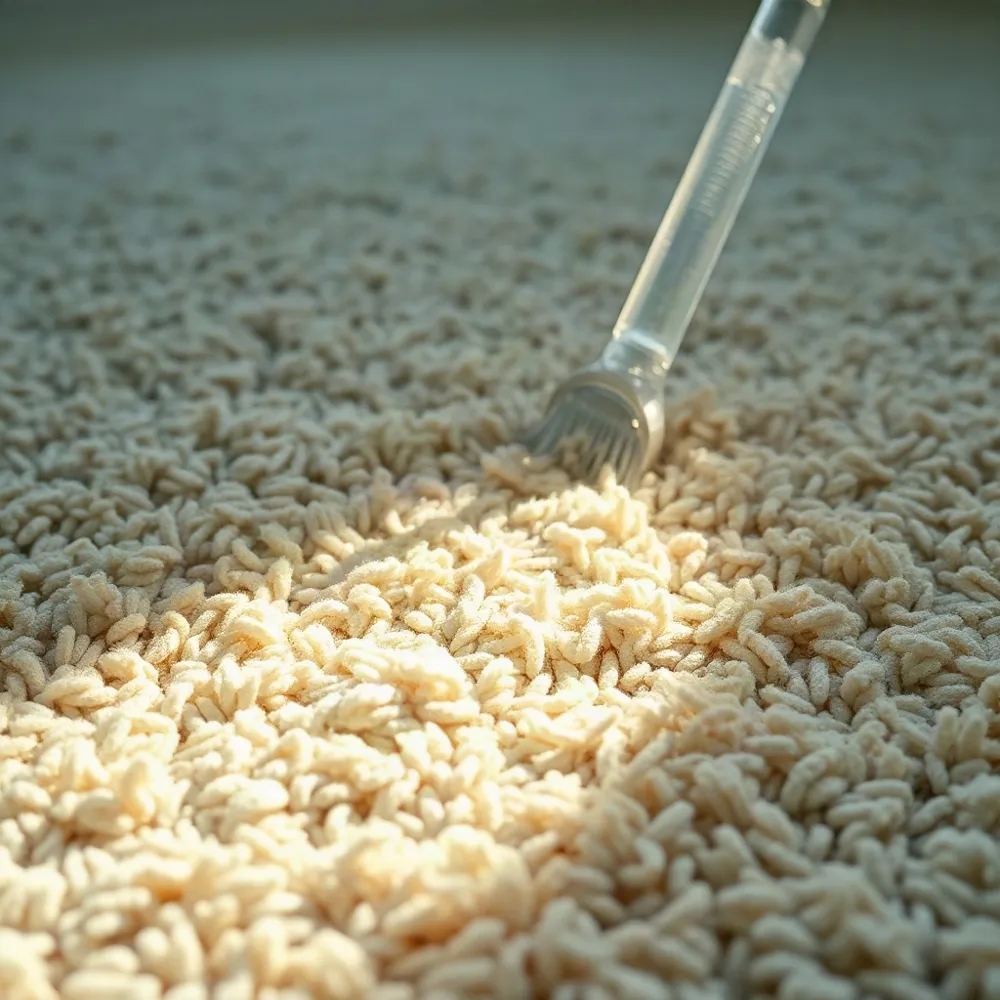
Factors that shorten carpet life Heavy foot traffic, pet odors, deep stains, moisture intrusion, and exposure to harsh chemicals accelerate fiber wear and can promote mold or mildew. Even dry soil acts like tiny razor blades, abrading fibers over time. Inadequate vacuuming, lack of entrance mats, and high indoor humidity further reduce durability.
Maintenance habits that extend carpet years
• Vacuum high‑traffic zones at least twice a week with a CRI‑approved , HEPA‑filter vacuum , using slow overlapping strokes in both directions.
• Place sturdy walk‑off mats outside and inside every entry door and enforce a no‑shoes‑inside policy to keep grit off the carpet.
• Spot‑treat spills within minutes by blotting with a clean, white cloth and a mild, carpet‑safe cleaner (e.g., ¼ tsp dish soap per cup warm water). Avoid rubbing.
• Schedule a professional deep‑cleaning every 12‑18 months using eco‑friendly, residue‑free methods such as low‑moisture encapsulation or hot‑water extraction.
• Keep indoor humidity between 30‑50 % and replace HVAC filters regularly to limit dust settling on fibers.
By combining these practices, property managers can often stretch carpet life well beyond the average 5‑7‑year horizon, preserving appearance, indoor‑air quality, and tenant satisfaction.
Wood Floor Care Essentials

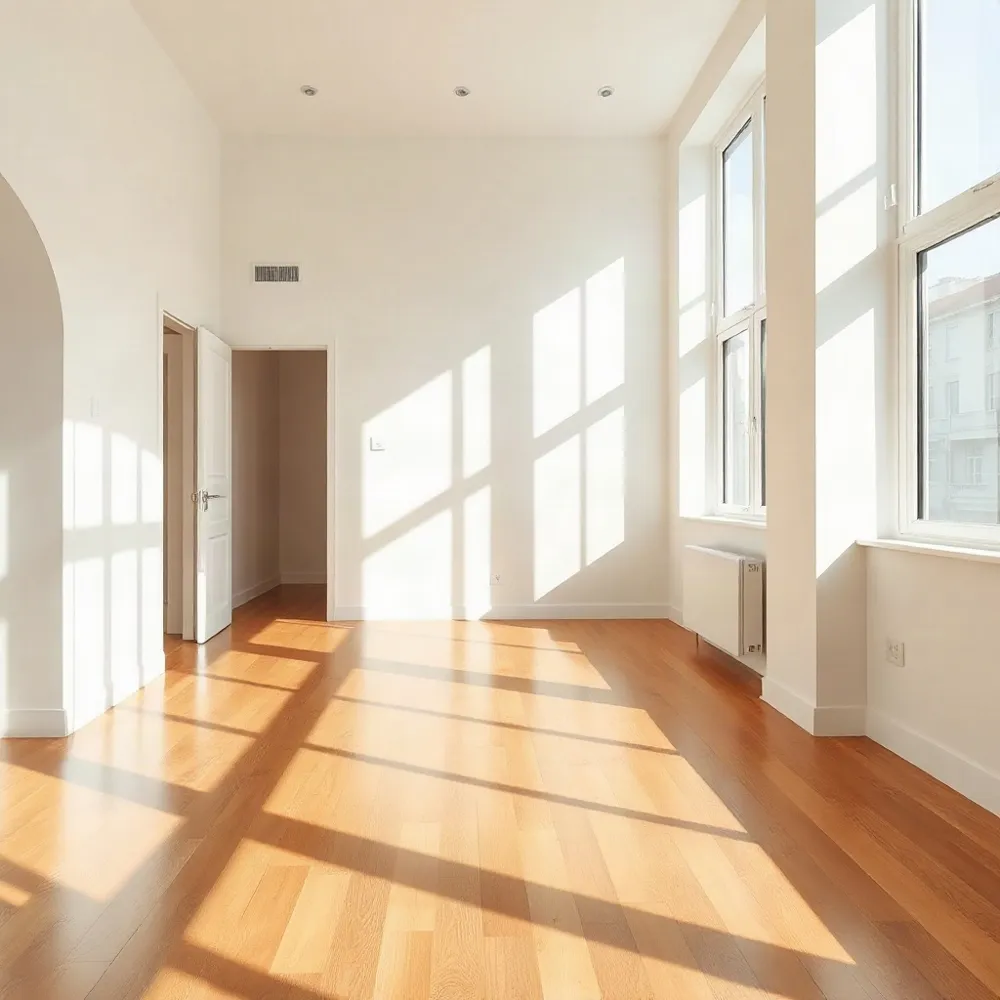
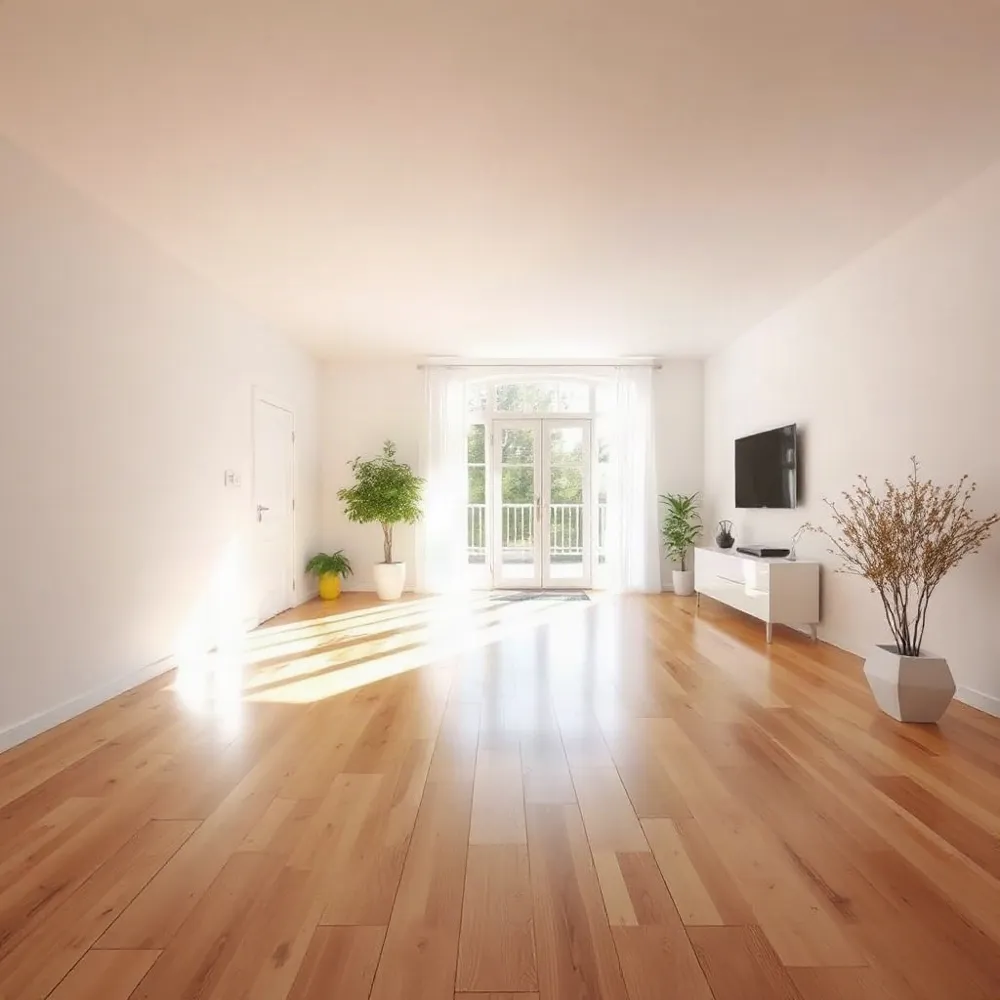
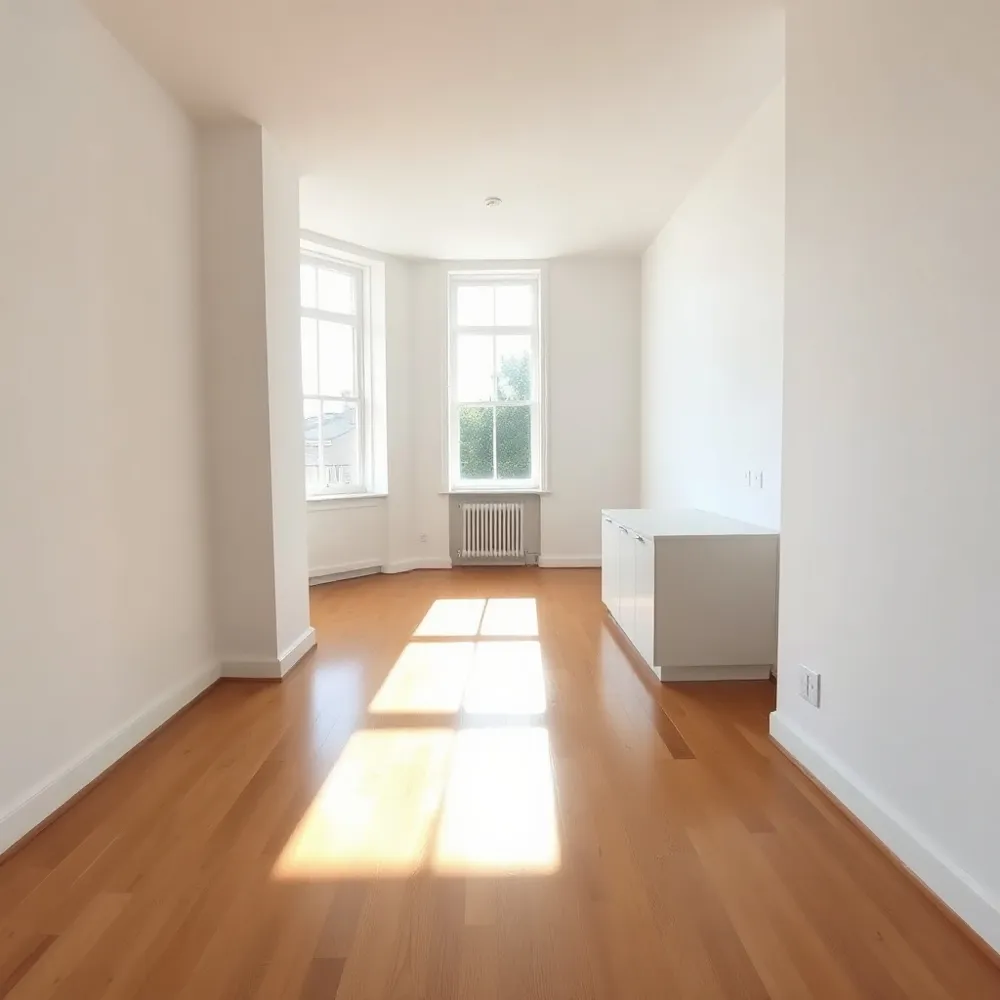
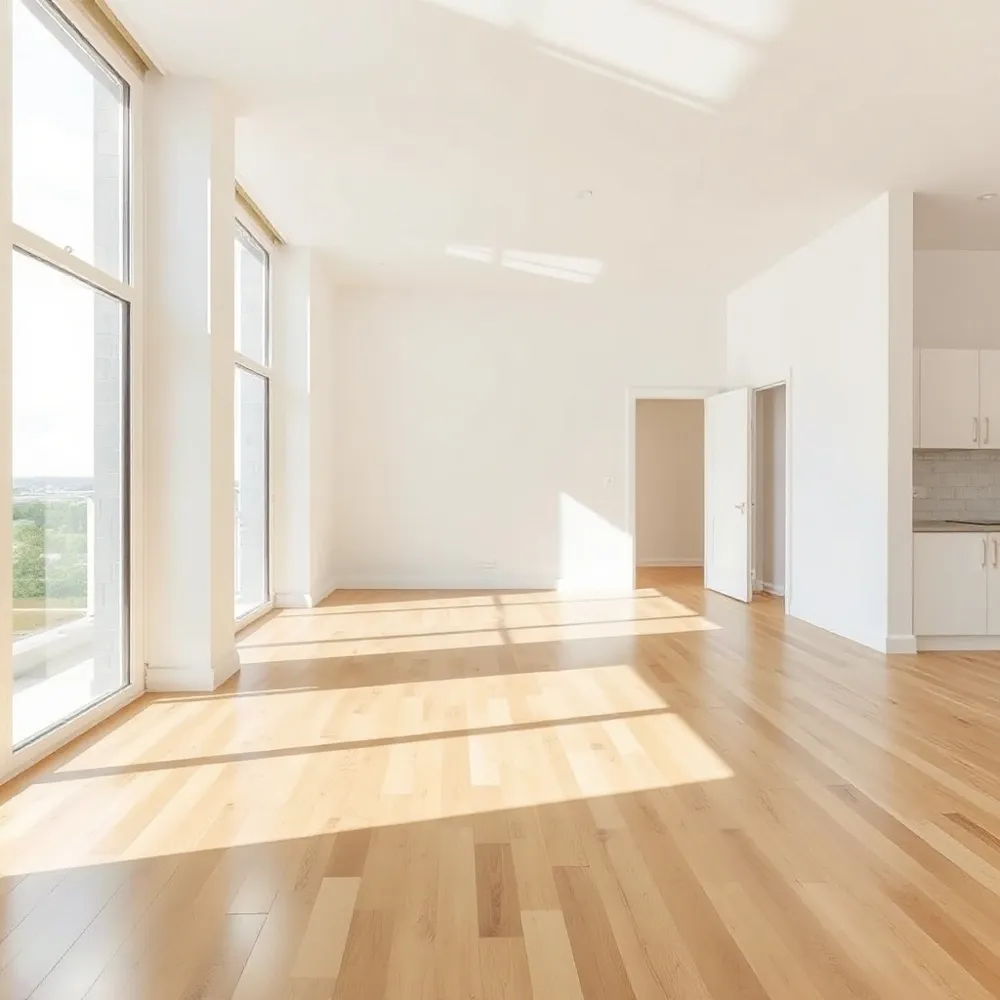
Proper wood‑floor maintenance starts with a gentle cleaning solution: mix a few drops of pH‑neutral dish soap or castile soap into warm water and wring the mop until it is just damp. Excess moisture is the enemy of hardwood; standing water can seep into seams, causing swelling, warping, or mold. After mopping, promptly dry the surface with a clean microfiber cloth or a dry mop to eliminate any remaining dampness and prevent streaks. For routine care, sweep or vacuum with a soft‑bristle attachment to remove grit that acts like tiny blades on fibers. Schedule professional deep‑cleaning annually and use eco‑friendly products to protect indoor air quality.
Can I just use soap and water to mop my apartment wood floors? Yes. A mild, pH‑neutral soap diluted in water, applied with a barely damp mop and followed by immediate drying, safely cleans finished hardwood without damaging the finish.
Laminate Flooring: Safe Cleaning Basics

Proper care keeps laminate looking new and protects the wear layer. Why vinegar must be diluted – the acetic acid in undiluted vinegar can dull the surface and seep into seams. Mix one part white vinegar with at least ten parts water, mist lightly, and dry immediately; a barely‑damp microfiber mop is essential. Choosing pH‑neutral cleaners – a balanced formula lifts dirt without etching the laminate. Commercial options such as Bona Hard‑Surface Floor Cleaner or a DIY mix of 1 tsp clear dish soap in a gallon of warm water work well. Apply a light mist, glide the mop, then dry with a clean cloth for a streak‑free finish. What chemicals to avoid – stay away from bleach, ammonia, oil‑based soaps, abrasive powders, waxes, steam mops, and any scouring pads. These can leave residues, cause swelling, or scratch the protective coating. By sweeping or vacuuming with a soft‑bristled attachment first, then using a pH‑neutral solution and promptly drying, property managers can extend laminate life while maintaining a clean, healthy environment.
Advanced Laminate Care and Specialty Products

Proper laminate maintenance hinges on using the right tools and techniques.How to clean laminate floors with Bona – Begin by dusting with Bona’s Micro‑ Sweeping Pad to lift debris. For routine care, mist the floor lightly with Bona Premium Micro‑Floor Cleaner (or Lemon Mint) and mop in small sections, wiping excess moisture and allowing the surface to air‑dry. Spot‑treat tougher stains with Bona Spot‑Removal Spray and a soft cloth. Every 4‑6 weeks, swap to the PowerPlus Deep‑Clean Pad and Antibacterial Cleaner, then finish with a laminate‑safe polish for lasting shine.Best laminate floor cleaning solution – A pH‑neutral, non‑abrasive formula is ideal. Commercial options such as Black Diamond Stoneworks Wood & Laminate Cleaner, Quick Shine Multi‑Surface Cleaner, or Seventh Generation All‑Purpose Cleaner work well. A DIY mix of one cup white vinegar per gallon warm water, lightly dampened on a microfiber mop, also provides a streak‑free finish without harming the wear layer.How to clean very dirty laminate floors – First sweep or vacuum on a hard‑floor setting. Prepare a solution of warm water, a cup vinegar (or a splash of rubbing alcohol), and a few drops dish soap. Mop with a barely‑damp microfiber mop, dry excess moisture immediately, and for stubborn grime, apply the soapy mixture, let sit briefly, then scrub gently with a non‑scratch pad before a final dry‑buff.How to clean laminate floors with Swiffer – Use a Swiffer Dry Sweeper to capture dust and hair. Follow with a Swiffer WetJet pad for hard floors, ensuring the pad is only damp. Glide in overlapping strokes, then blot any remaining moisture with a dry microfiber cloth or a second dry pad. Allow the floor to dry completely before walking on it.
Health, Air Quality, and Cleaning Efficiency

20‑Minute Cleaning Rule – The 20‑minute rule is a time‑boxing technique that helps property managers keep apartment units tidy without overwhelming staff. Set a timer for 20 minutes, tackle a single task—such as vacuuming a high‑traffic hallway, wiping baseboards, or spot‑cleaning a spill—and work nonstop until the timer rings. Short, focused bursts create momentum, ensure consistent upkeep, and fit easily into busy maintenance schedules.
Carpet and COPD/ hma – Carpet fibers can harbor dust, pollen, pet dander, mold spores, and volatile organic compounds (VOCs) that aggravate COPD and asthma. Regular vacuuming with a HEPA‑filter vacuum and quarterly professional hot‑water extraction (e.g., Bravo Cleaning’s eco‑friendly, residue‑free method) dramatically reduce airborne irritants. When carpet is unavoidable, choose low‑VOC, short‑pile or tightly woven loop styles (nylon, olefin, Triexta) and pair them with low‑VOC padding to limit off‑gassing.
Humidity and Indoor Air – Maintaining indoor humidity between 30‑50 % prevents both carpet matting and mold growth. Use dehumidifiers in damp seasons and humidifiers in dry winter months to keep the carpet’s backing stable and the air breathable. Proper ventilation after cleaning—opening windows or running fans—ensures rapid drying and minimizes mold risk, preserving both carpet life and resident health.
Replacement Schedules and Professional Services

Apartment owners typically replace laminate flooring on a set schedule of about seven years, a timeline echoed in many municipal maintenance codes (e.g., West Hollywood’s Rent Stabilization Ordinance). This interval balances safety, aesthetics, and habitability, and landlords may accelerate replacement if boards crack, warp, or become a tripping hazard. High‑traffic zones benefit from a two‑mat entry system and regular sweeping or vacuuming with a hard‑floor attachment to prolong the surface. When wear is evident, schedule a professional deep‑cleaning—ideally annually or before turnover—to remove embedded grit and prevent moisture damage. Bravo Cleaning employs low‑VOC, biodegradable solutions and low‑moisture encapsulation, ensuring eco‑friendly care that restores laminate shine while safeguarding indoor air quality. By coupling a seven‑year replacement plan with routine green cleaning, property managers protect assets, reduce long‑term costs, and enhance resident satisfaction.
Final Thoughts
Keeping carpets and floors in top condition hinges on a few simple habits: place entrance mats, vacuum high‑traffic zones weekly, blot spills immediately, rotate furniture, and schedule a deep clean at least once a year. Regular professional cleaning removes embedded soil, allergens, and lingering odors, which extends fiber life and preserves indoor air quality. Bravo Cleaning delivers these results with low‑VOC, biodegradable solutions and water‑efficient extraction equipment, reducing waste while protecting health. Our clients repeatedly note “noticeable freshness” and “longer‑lasting carpet” after each service. By combining routine resident care with our sustainable, customized programs, property managers can protect investments, lower replacement costs, and foster healthier living environments for tenants.
Recent articles