Carpet Cleaning for Allergy Sufferers: Reducing Dust Mites and Pollutants


Understanding Your Carpet as an Indoor Air Quality Partner
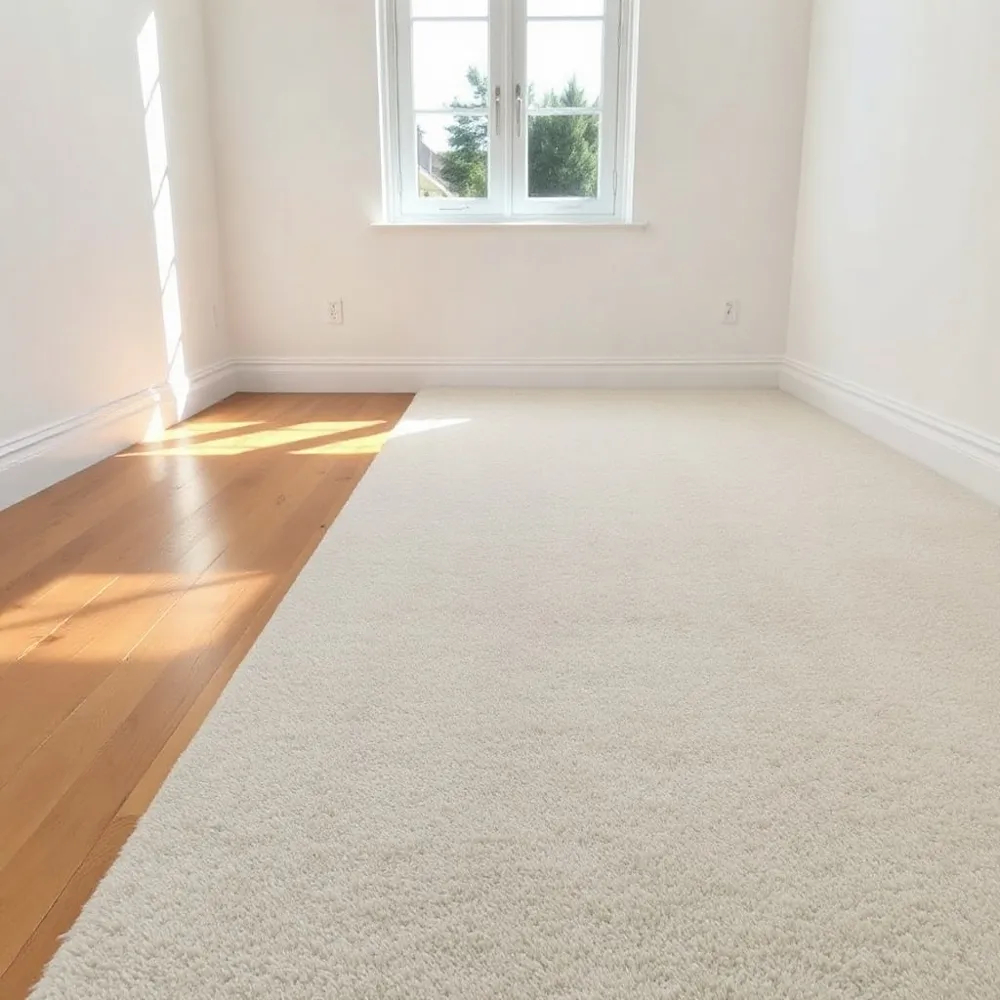
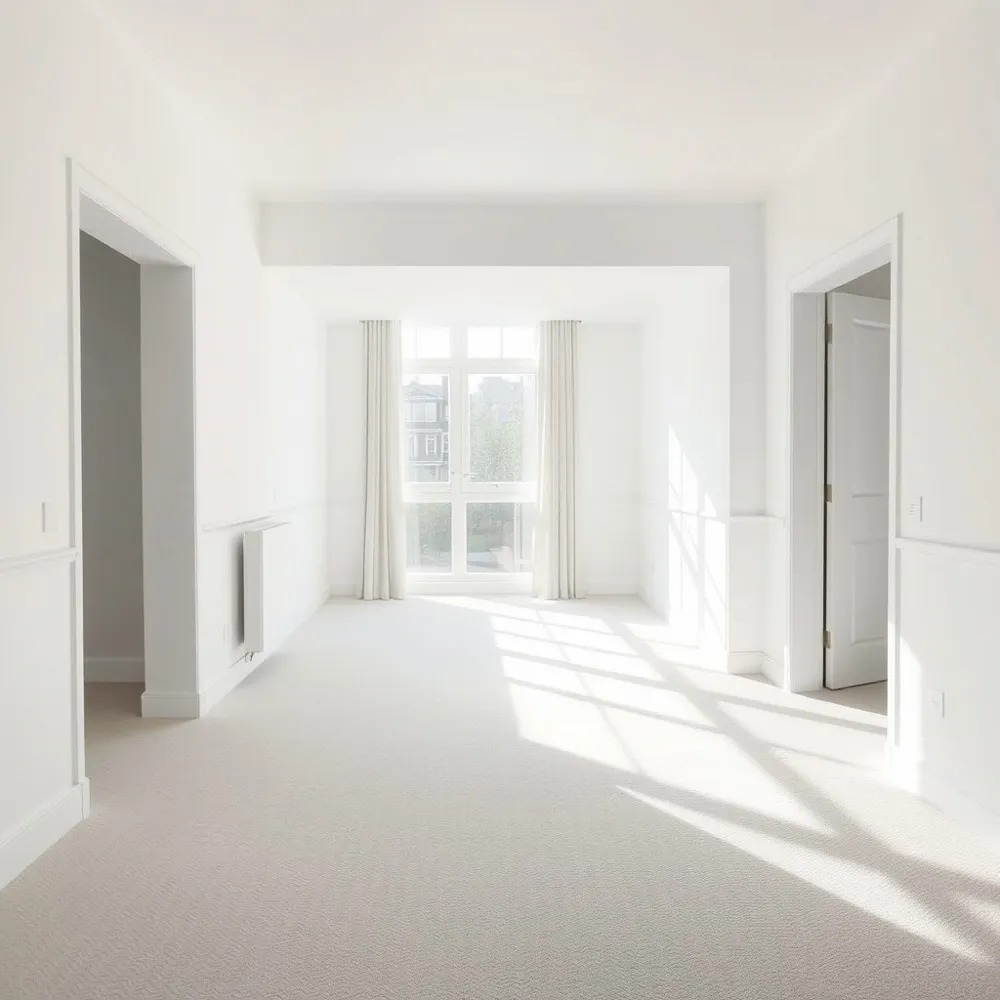
Many property managers and homeowners view carpeting merely as a decorative floor covering, but it functions effectively as a passive air filter. By trapping airborne particles like pollen, dust, and dander, carpets prevent these irritants from circulating within your breathing zone. However, this capacity is finite. When fibers reach a point of saturation, they can no longer secure pollutants effectively, causing indoor air quality to degrade.
At Bravo Cleaning, we recognize that simply allowing dirt to settle is insufficient for maintaining a healthy environment. Unlike standard retail vacuuming, which often fails to penetrate deeply enough to dislodge embedded allergens, our professional care services in the Minneapolis area focus on removing the deep-seated contaminants that standard equipment leaves behind. While general industry guidance from the EPA emphasizes adhering to manufacturer recommendations, our tailored cleaning solutions ensure your floors continue to function as health-positive components of your space rather than reservoirs for microscopic debris.
The Impact of Professional Cleaning on Indoor Air Quality

Residential and commercial carpets function as passive filters, trapping airborne pollutants such as pollen, dust, and dander within their fibers to keep them out of your breathing zone. While this trapping mechanism is an effective way to secure irritants, these particles can accumulate over time and become resuspended in the air when foot traffic disturbs the fibers. This cycle of capture and release creates a pressing need for regular, thorough maintenance to ensure that your flooring remains an asset rather than a warehouse for allergens.
Standard residential vacuuming is a critical first step, but it possesses clear limitations when facing deep-seated debris. Even high-quality models often fail to extract the microscopic allergens lodged deep within the pile or near the carpet backing. Bravo Cleaning bridges this gap for clients by employing advanced, professional-grade equipment that reaches far deeper than consumer-grade machines. While general service providers might rely on aggressive detergents that can leave residue, our approach centers on restoring the integrity of the textile without compromising the indoor climate.
How does professional carpet cleaning improve indoor air quality and support allergy sufferers?
Professional cleaning is essential for maintaining healthy indoor environments, as it systematically extracts the embedded contaminants that standard tools overlook. Deep-cleaning techniques such as hot water extraction act as a restorative process, pulling up deeply embedded dirt, mold spores, and dust mite matter that standard vacuuming cannot reach. By removing these reservoirs, you significantly reduce the concentration of pollutants in your living or working space.
Implementing a consistent deep-cleaning schedule, ideally every 6 to 12 months per industry standards, allows facility managers and homeowners to ensure their carpets continue to support, rather than hinder, indoor air quality. This proactive approach creates a safer, more breathable environment, offering relief for those managing respiratory sensitivities.
Daily Maintenance Practices for Allergy-Sensitive Households

Effective allergen control relies on a consistent maintenance routine that prevents particles from accumulating within your flooring. Experts note that standard vacuuming is often insufficient to capture microscopic allergens, whereas utilizing a vacuum equipped with a HEPA filter allows you to trap up to 99.97% of small particles. For households managing respiratory sensitivities, aim to vacuum high-traffic zones at least twice weekly. When you live in Minneapolis and require expert guidance, Bravo Cleaning offers routine care plans that can help you maintain these rigorous standards throughout the year.
- Implement a no-shoes policy to stop outdoor pollen, pesticides, and dirt from entering your living space.
- Change your HVAC air filters every 1 to 3 months to prevent the system from recirculating settled dust back into your carpet fibers.
- Prioritize the installation of low-pile carpeting whenever possible, as these styles feature fewer fibers, making it harder for dust mites to find a permanent reservoir.
- Use a hygrometer to ensure your indoor relative humidity stays between 30% and 50%, a range that per ACAAI standards inhibits the growth of dust mites and mold.
While consistent maintenance is vital, even the most diligent households benefit from periodic professional intervention. Bravo Cleaning focuses on non-toxic, eco-friendly cleaning solutions to protect your air quality. Our team employs low-moisture methods that align with Mayo Clinic recommendations for reducing allergen exposure without encouraging the damp conditions that promote mold growth. Scheduling a deep clean every 6-12 months ensures that deeply embedded irritants are extracted, maintaining your carpet's effectiveness as a passive air filter.
Sustainable Solutions for Dust Mites and Allergen Removal

Effectively managing allergens requires a combination of disciplined maintenance and professional intervention. Regular vacuuming with a HEPA filter is essential, as it captures microscopic particles rather than circulating them back into your breathing zone. While traditional deep-cleaning chemicals often contain ammonia or bleach, we prioritize the use of hypoallergenic, non-toxic cleaning agents that minimize health risks for sensitive individuals.
Professional hot water extraction serves as a powerful method to flush out embedded waste. To ensure your space remains safe and free from mold, we emphasize the importance of rapid drying times after service. We also lean on sustainable, low-moisture cleaning techniques when appropriate, which consume less water and reduce the environmental footprint compared to legacy, water-intensive methods.
When evaluating service quality, residents and property managers should prioritize providers who recognize industry standards. Always look for partners who utilize products carrying certifications such as EPA Safer Choice, or ensure the equipment employed meets the CRI Green Label Plus criteria. By combining these rigorous standards with a strict no-shoes policy, you can significantly reduce the allergen load that reaches your flooring in the first place.
What eco-friendly methods effectively manage dust mites and allergens in carpets?
Effective control relies on a multi-faceted approach. According to medical research, combining vacuuming with high-temperature sanitization offers a superior, long-term reduction in allergen concentration. Keeping indoor humidity below 50% is equally critical in this process, as higher moisture levels allow mites to thrive. For severe cases where mold is already established, removal may be necessary, as noted by the ACAAI regarding the limitations of cleaning in compromised conditions.
Ensuring Fast Drying and Preventing Musty Odors
Managing moisture is the most vital step in protecting indoor air quality after a cleaning service. If carpet padding and fibers remain damp for too long, they create a breeding ground for mold spores, which can develop quickly in damp conditions.
How can I prevent a musty smell after professional carpet cleaning?
To prevent a musty smell, prioritize rapid drying by maximizing airflow throughout the workspace or home. Open windows to encourage cross-ventilation, and supplement this by turning on ceiling fans or placing portable fans to circulate air directly across the treated surfaces. Using a dehumidifier helps maintain relative humidity below 50%, a threshold that experts at the ACAAI identify as essential to inhibit mold growth and dust mite proliferation.
Reliable providers like Bravo Cleaning prioritize efficient water extraction techniques to prevent oversaturation, which remains the leading cause of trapped dampness. By contrast, some traditional hot water extraction services may leave fibers excessively wet, creating risks that require significantly longer drying times. Always check if a provider utilizes high-powered suction equipment—this ensures that the cleaning solution and pollutants are fully removed rather than pushed deeper into the carpet backing.
Avoid foot traffic on damp carpet to prevent compressing moisture deeper into the fibers. Once the carpet is entirely dry, perform a thorough cleaning with a HEPA-filtered vacuum to lift fibers and remove any debris that may have loosened during the professional treatment. If specific areas remain damp or show signs of previous water damage, it is important to inspect the subfloor before scheduling a deep clean to ensure the area is suitable for intervention.
Selecting Reliable Professional Cleaning Services
Maintaining deep carpet cleanliness requires more than standard equipment. Selecting a service provider with IICRC certification ensures that technicians adhere to industry-recognized standards for safety and allergen removal. Bravo Cleaning grounds its operations in over 20 years of local experience, meaning our team recognizes the specific humidity challenges and seasonal debris patterns common to Minneapolis homes.
Consistency remains vital for property managers overseeing high-turnover residential units or bustling commercial spaces. Generic cleaning cycles often fail to address the unique needs of a floor, whereas our tailored approach at bravocleaningmn.com adapts to your specific foot traffic and building usage. We prioritize health-focused outcomes by utilizing techniques that effectively manage allergen accumulation.
| Feature | Standard Industry Practice | Our Approach |
|---|---|---|
| Staff Training | Variable expertise | Certified technicians |
| Local Knowledge | National franchises | 20 years in Minneapolis |
| Schedule | One-size-fits-all | Custom turnover plans |
Proactive Care for a Healthier Living Environment
Consistent carpet maintenance serves as an essential pillar for those managing respiratory health. While Environmental Protection Agency guidance suggests following manufacturer standards, experts typically recommend professional deep cleaning every 6-12 months. This frequency ensures the removal of deep-seated allergens that standard vacuuming leaves behind.
At Bravo Cleaning, we provide flexible, customized cleaning solutions that prioritize your indoor environment. Unlike some competitors that use harsh detergents leaving residues that attract more soil, our methods focus on eco-friendly practices to protect your air quality. By choosing a tailored maintenance schedule with Bravo Cleaning, you ensure that your residential or commercial space remains a healthier sanctuary year-round.
Recent articles