Custom Cleaning Audits for Property Managers: Identifying Gaps and Solutions


The Strategic Importance of Professional Facility Cleaning Audits
A facility cleaning audit is a formal, structured evaluation that measures whether cleaning standards are being met across a property. Unlike routine walkthroughs, which rely on subjective observation, a proper audit uses weighted scoring, photographic documentation, and corrective action tracking to produce an objective picture of cleanliness.
Systematic audits give property managers actionable data. BOMA International data indicates that facilities with documented audit programs achieve 23% higher occupant satisfaction scores and experience fewer vendor disputes. By moving from a simple visual check to a repeatable measurement system, managers gain the insights needed to hold cleaning crews accountable and maintain consistent quality across properties.
For Minneapolis property managers managing apartments or commercial spaces, the shift to a data-driven approach supports better decision-making about service frequency, staffing levels, and vendor performance. A recorded score that can be tracked over time enables early detection of small issues before they escalate into costly maintenance problems or tenant complaints.
Understanding the Fundamentals and Purpose of Cleaning Audits

A professional cleaning audit serves as a systematic evaluation designed to assess whether cleaning protocols effectively meet sanitation standards, safety regulations, and operational expectations. By conducting these thorough onsite assessments, property managers and businesses can identify areas for improvement, recognize successful maintenance practices, and ensure that cleaning staff are consistently adhering to required service quality. Beyond verifying cleanliness, these audits proactively mitigate health risks such as allergen accumulation or bacterial contamination while simultaneously uncovering inefficiencies in labor or material usage.
What is the purpose of conducting a professional cleaning audit?
Ultimately, regular audits act as a vital quality control mechanism that helps optimize resources and provides actionable insights to enhance overall facility hygiene. This data-driven approach fosters a safer, more professional environment that supports the long-term well-being of occupants and protects the reputation of the property. When compared to the informal nature of casual walkthroughs, a structured audit utilizes objective measurement and documentation to ensure uniformity, a standard bravocleaningmn.com maintains through its approach to facility maintenance.
Formalized auditing creates an empirical trail of accountability that casual inspections often miss. bravocleaningmn.com utilizes systematic criteria to capture performance data. This precision can help mitigate liability by proving compliance with safety protocols and health standards, which may help avoid costly maintenance issues. By identifying small service gaps before they escalate, these audits can serve as a proactive tool to help extend the life of building assets and may help managers maintain high occupancy rates.
Structuring Your Audit with Weighted Zones and Checklists

Effective facility management relies on a consistent, objective evaluation framework that removes ambiguity from cleaning standards. By adopting the seven-zone framework for facility evaluation, property managers can ensure no space is overlooked, from high-traffic lobbies to often-neglected utility areas. This model typically assigns weight based on impact, with restrooms receiving 30% to 35% of the total score and lobbies accounting for 20% to 25%, while loading areas remain at approximately 5%. This weighted scoring ensures that custodial teams prioritize tasks that most directly influence tenant satisfaction and first impressions.
Standardizing inspections for consistent reporting requires more than a simple visual pass. Modern facilities benefit from utilizing mobile digital platforms that automate scoring and enforce accountability through GPS-timestamped photo evidence. These digital tools integrate into standard operating procedures to provide real-time visibility for property management teams. This transparent approach allows for the systematic tracking of maintenance trends, ensuring that issues identified during an audit are addressed rather than ignored.
What should property managers look for when requesting custom cleaning audits to identify service gaps?
When requesting custom cleaning audits, property managers should prioritize providers who move beyond simple walkthroughs to implement a formal, data-driven methodology. A robust audit must include a consistent 100-point checklist with weighted scoring by zone to ensure high-traffic areas, such as lobbies and restrooms, receive the necessary attention. It is essential that providers utilize modern mobile tools to capture photographic documentation and geolocated evidence, which transforms subjective feedback into objective, actionable data. Furthermore, managers should look for a clear corrective action protocol that tracks deficiencies until they are formally resolved, ensuring accountability remains a priority. By selecting partners who emphasize detailed reporting and standardized performance metrics, property managers can effectively identify service gaps and maintain the high cleanliness standards their tenants expect.
How to Execute a Systematic Inspection Process

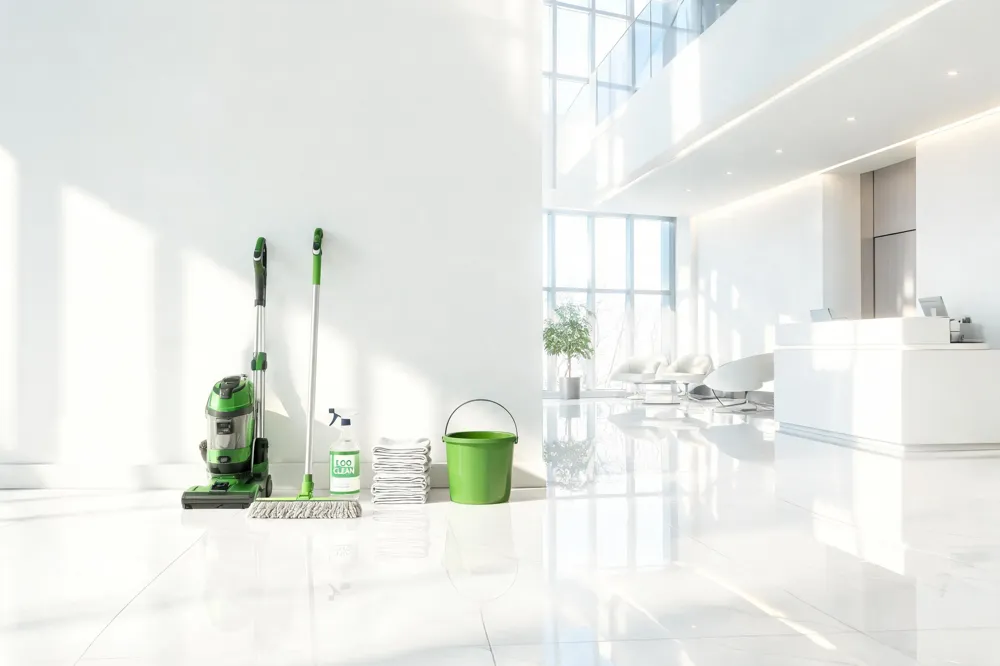
Effective property cleaning audits rely on a systematic, repeatable inspection process that categorizes building zones to ensure no area is overlooked. Rather than relying on sporadic, surface-level checks, property managers should implement a schedule that clearly differentiates between routine daily tasks and periodic, deep-cleaning efforts. While daily maintenance focuses on high-traffic floor areas, trash removal, and the sanitization of high-touch surfaces like elevator buttons and door handles, deep cleaning involves more intensive restorative work, such as professional carpet shampooing and meticulous vent maintenance.
How can property managers effectively conduct a cleaning audit?
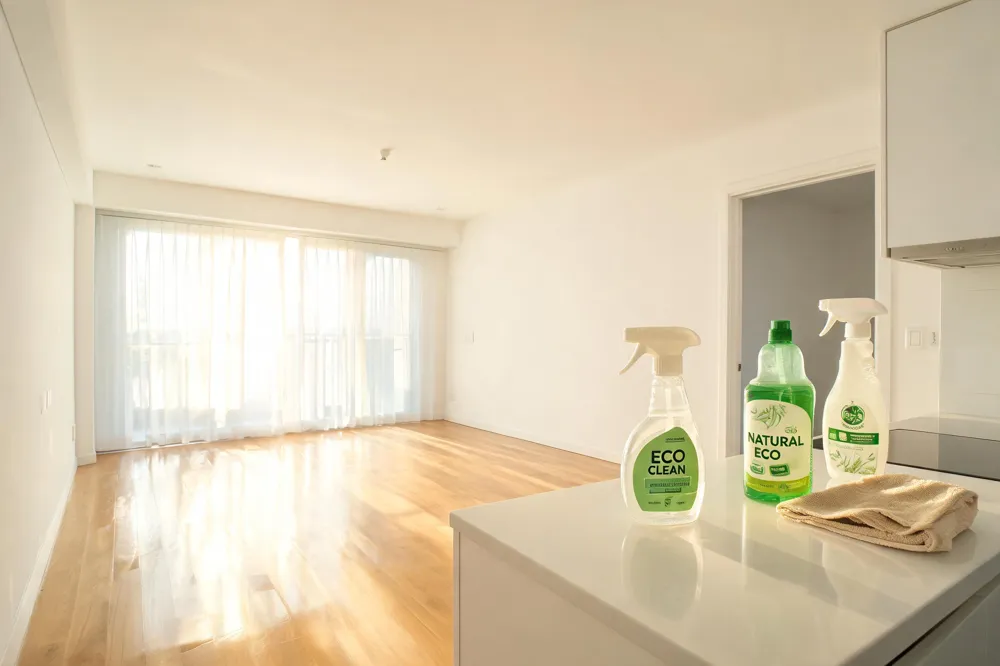
Property managers should verify fundamental daily tasks, such as disinfecting bins, deep-scrubbing restrooms, and maintaining kitchenettes, during every inspection. Beyond immediate physical results, audits must assess professional accountability by reviewing cleaning logs, confirming staff are wearing visible identification, and ensuring the use of eco-friendly, non-toxic products. At bravocleaningmn.com, we prioritize this level of transparency by aligning our detailed service records with the specific needs of Minneapolis facilities.
Correct documentation serves as the backbone of an objective inspection. When a deficiency is identified, it should be captured with dated photographic evidence to clarify the issue for the cleaning crew and facilitate immediate remediation. If the same deficiency appears across two consecutive inspections, it acts as a clear signal of a systemic breakdown rather than a one-time oversight. Tracking these patterns allows for data-driven decisions regarding resource allocation and service adjustments.
To drive continuous improvement, performance data should be objectively recorded to track emerging patterns and address recurring gaps before they result in tenant complaints. Ultimately, if regular audits consistently reveal missed basics, it serves as a critical indicator to escalate concerns or re-evaluate your cleaning service partner. Selecting a team that integrates these digital monitoring tools into their core workflow, such as the approach maintained by bravocleaningmn.com, can help maintain accountability even when management is occupied with other administrative responsibilities.
Leveraging Technology for Transparent Data Management
Property management companies utilize data by integrating digital inspection tools and performance tracking software to ensure cleaning standards are met consistently across all units. Many traditional facilities still rely on paper logs, which often lead to manual errors, lost records, and a lack of real-time visibility. By transitioning to digital dashboards, managers can objectively measure service quality via standardized checklists compared against specific building requirements.
How do property management companies utilize data to maintain cleaning standards?
Modern inspection platforms offer distinct advantages, such as GPS-stamped photo documentation that provides indisputable proof of work completed at specific intervals. While some operators struggle to coordinate geographically dispersed sites, digital tools allow for instant alerts and task assignment, ensuring that any identified deficiency is addressed before it becomes a larger issue. For instance, Bravo Cleaning utilizes these modern systems to provide transparent oversight, allowing property managers to review clear performance data rather than relying on qualitative assertions.
This data-driven approach supports advanced trend analysis, which facilitates predictive maintenance optimization. By tracking recurring issues across monthly or quarterly reports, management teams can identify specific zones where cleaning frequency may need adjustment due to seasonal foot traffic or changing occupancy rates. Routine audits and real-time reporting allow firms to pivot and adjust services based on these cycles. This commitment to transparency and reliability ensures that tailored cleaning solutions from Bravo Cleaning remain effective and efficient over time, helping to preserve the long-term value of your property through informed, data-backed decision-making.
Customizing Schedules for Apartment Complexity
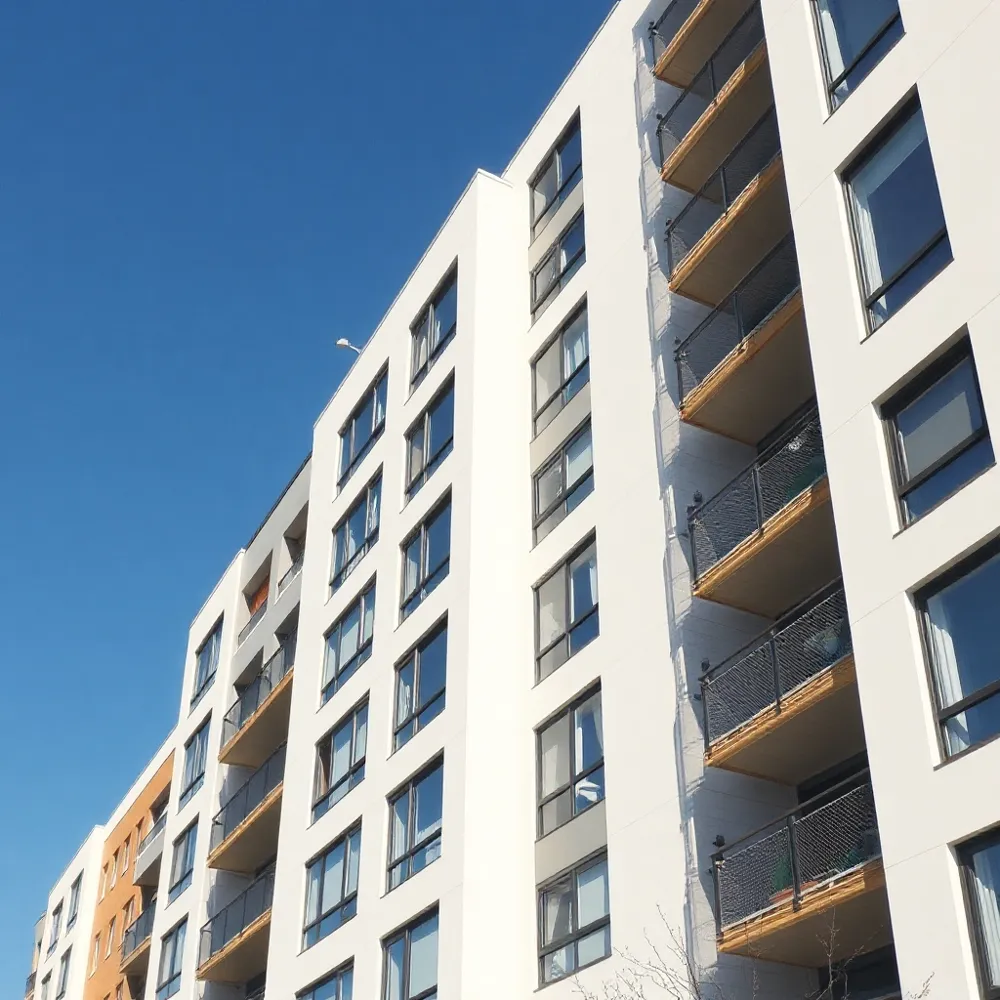
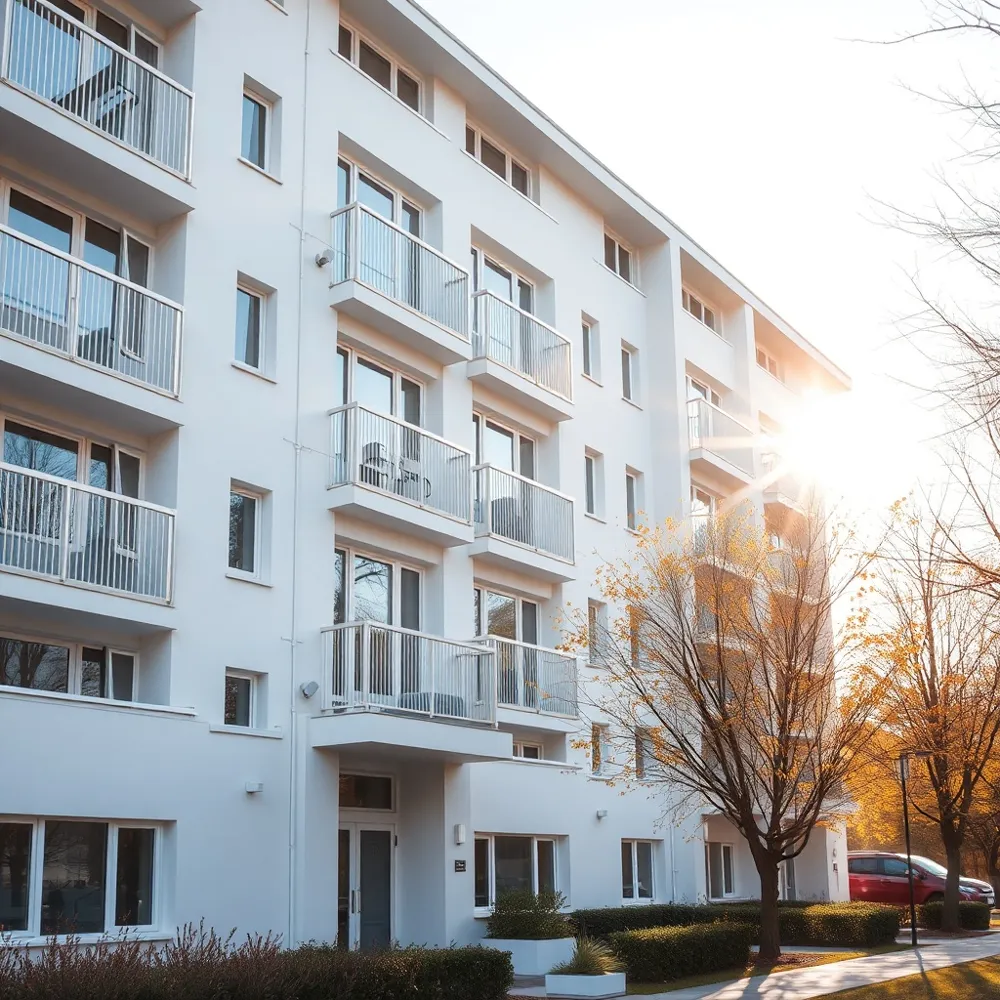
Effective property management requires a nuanced approach to building hygiene that moves past rigid checklists. At Bravo Cleaning, we emphasize that maintaining a multi-family property is not a one-size-fits-all endeavor, as each building features unique layouts, resident demographics, and amenity usage patterns that demand flexible, adaptive service models.
What is the recommended frequency for cleaning apartment complex common areas?
There is no one-size-fits-all approach to cleaning apartment complex common areas, as the ideal frequency depends on factors like foot traffic, building age, and specific amenities. While a general rule of thumb is to perform a thorough professional cleaning at least once a week, high-traffic zones like lobbies, entryways, and gyms often require daily attention or even multiple touch-ups throughout the day to maintain hygiene standards. Floors in entrance areas may need daily vacuuming or mopping, especially during inclement weather, to ensure safety and an inviting appearance. Restrooms and shared facilities often benefit from daily trash removal and surface sanitization, supplemented by deep cleanings on a weekly basis. Ultimately, Bravo Cleaning recommends a tailored schedule that balances your property’s specific usage patterns with the need for a consistently pristine, professional environment for your residents.
Managing specialized amenities such as fitness centers and pool lounges requires balancing consistent sanitation with long-term asset protection. Bravo Cleaning adjusts task frequency based on real-world usage data. We prioritize the deep cleaning of high-touch surfaces in shared recreational areas to prevent the spread of germs, while concurrently scheduling monthly restorative services, such as professional carpet shampooing, to extend the lifecycle of high-traffic flooring.
- Daily: Sanitize high-touch surfaces, empty waste receptacles, and address high-traffic floor areas.
- Weekly: Deep clean floors, refresh light fixtures and vents, and perform thorough restroom sanitization.
- Monthly: Execute professional carpet restoration, HVAC vent cleaning, and equipment disinfecting in common lounges.
Defining Success Through Performance Indicators
Professional cleaning services are effectively evaluated using four primary key performance indicators: appearance, customer satisfaction, indoor air quality, and sustainability practices. Appearance is best measured through objective feedback from building users and visitors, while customer satisfaction is typically assessed by asking facility managers to rate the service on a scale.
Indoor air quality serves as a critical metric, as professional cleaning should utilize eco-friendly solutions and advanced technology to ensure a healthy environment and improved occupant productivity. bravocleaningmn.com prioritizes eco-friendly methods that protect tenant health while meeting rigorous sanitation standards.
Commitment to sustainability has become an essential standard, reflecting a company’s dedication to modern, responsible cleaning practices. By tracking these specific KPIs, property and facility managers can ensure they are partnering with a reliable service provider that delivers consistent, high-quality results. bravocleaningmn.com provides clear, data-backed oversight to help managers maintain the long-term value of their properties.
Partnering for Long-Term Property Excellence
A rigorous facility audit does more than maintain appearances. It protects the long-term value of your investment by identifying maintenance needs before they escalate into costly repairs or structural damage. While some properties attempt to manage hygiene internally, the reality of high turnover and complex flooring demands exceeds the capacity of generic janitorial oversight.
Outsourcing to specialized partners ensures that your building remains in peak condition daily. At Bravo Cleaning, we leverage over 20 years of experience serving the Minneapolis community to provide customized solutions that internal teams often struggle to replicate. By prioritizing consistent quality and eco-friendly methods, property managers can reduce vacancy periods and improve overall tenant satisfaction. Choosing a local partner who understands the unique requirements of our region provides a reliable, high-touch alternative to impersonal national franchises.
Recent articles