How Professional Janitorial Services Improve Indoor Air Quality


The Vital Connection Between Cleanliness and Air Quality
For most individuals, the vast majority of daily life happens inside, with the EPA reporting that the average American spends approximately 90% of their time indoors. This makes the condition of the air inside our buildings a critical factor for long-term health. Surprisingly, indoor air can be two to five times worse than outdoor air due to the accumulation of pollutants from building materials and daily activities.
Poor air quality is directly linked to an array of respiratory issues, including asthma flare-ups and chronic allergies. Beyond physical health, research indicates that these environments can significantly impact cognitive performance and lead to higher rates of absenteeism in office settings. Bravo Cleaning leverages over 20 years of local expertise in the Minneapolis area to combat these risks with professional-grade sanitization and specialized carpet care.
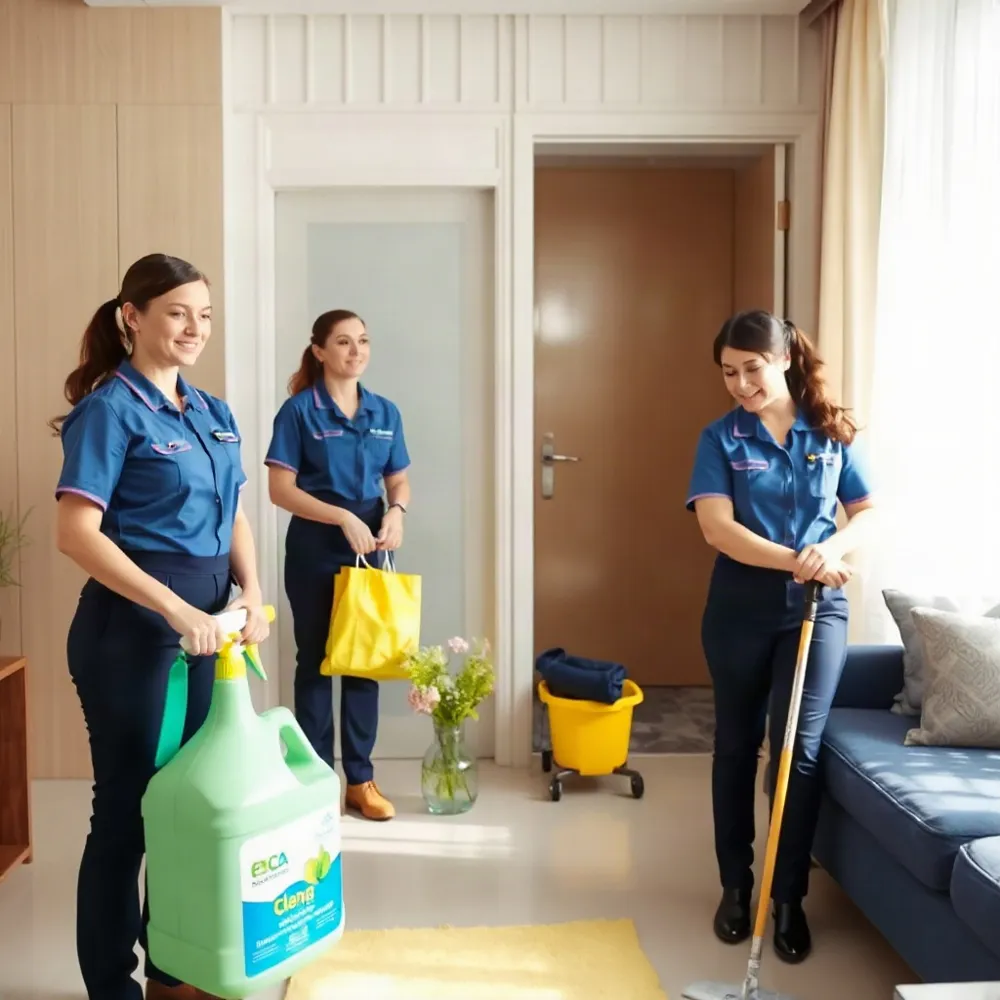
Unlike generalized services that may simply redistribute dust, a tailored approach focuses on trapping and removing particulate matter. By integrating eco-friendly methods and rigorous cleaning standards, professional teams transform indoor spaces into healthier environments, effectively reducing the pollutants that commonly undermine worker productivity and residential comfort.
Essential Strategies for Improving Indoor Air Quality

Maintaining high standards for indoor environments requires a proactive approach centered on three core pillars: source control, improved ventilation, and effective air filtration. Per the US EPA, source control ranks as the most efficient method for enhancing air quality, as it addresses pollutants at their origin rather than managing them after they have already circulated through a building.
What are the most effective ways to improve indoor air quality in residential and commercial spaces?
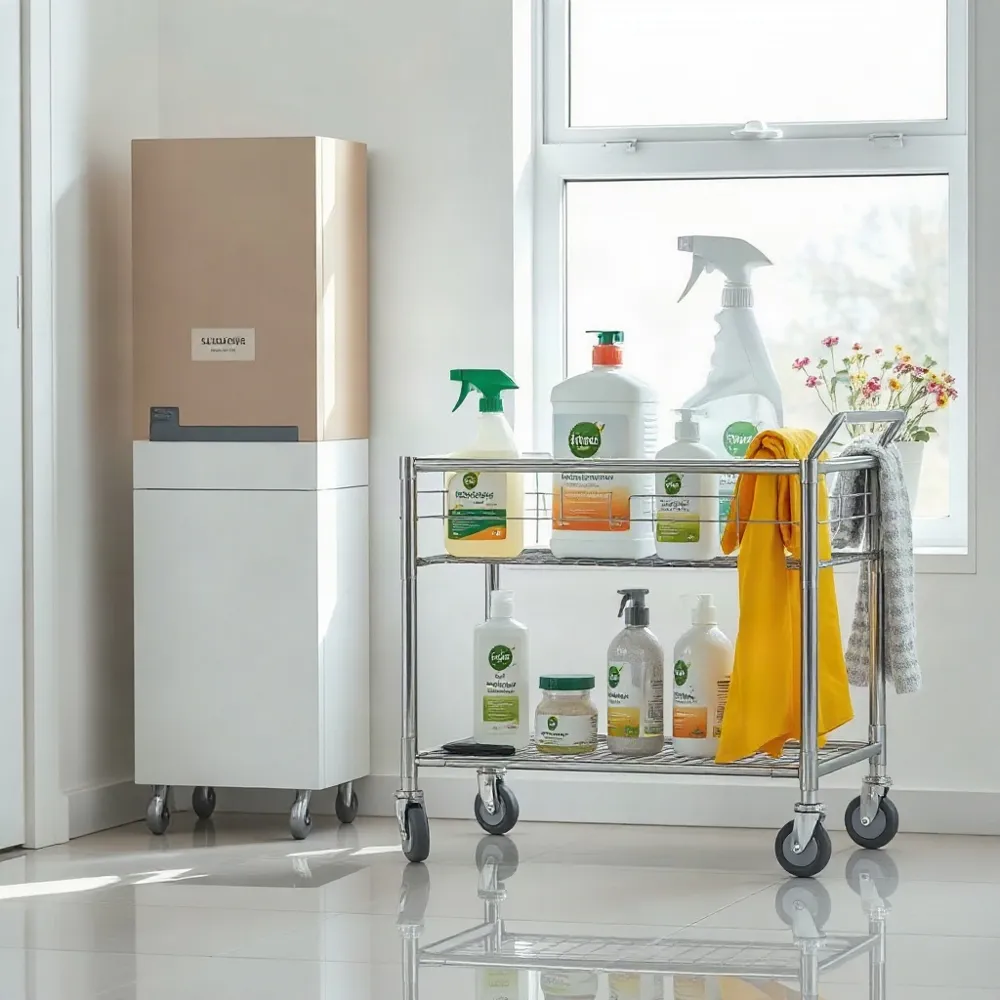
Source control is often the most cost-effective solution because it avoids the high energy expenses associated with running mechanical ventilation systems at maximum capacity. This involves replacing traditional cleaning supplies that contain high levels of volatile organic compounds (VOCs) with low-toxicity alternatives. By choosing bravocleaningmn.com, property managers ensure that eco-friendly, professional-grade products are used to prevent unnecessary chemical emissions from the start.
Ventilation serves as a critical buffer, diluting indoor pollutants by cycling in fresh outdoor air. While many modern residential structures rely on natural infiltration through window gaps or physical openings to receive fresh air, commercial spaces often require supplemental mechanical ventilation to maintain healthy air exchange rates. ISSA emphasizes that maintaining clean surfaces and properly functioning HVAC systems is inseparable from these ventilation efforts, as accumulated dust and debris on coils and vents can significantly obstruct airflow.
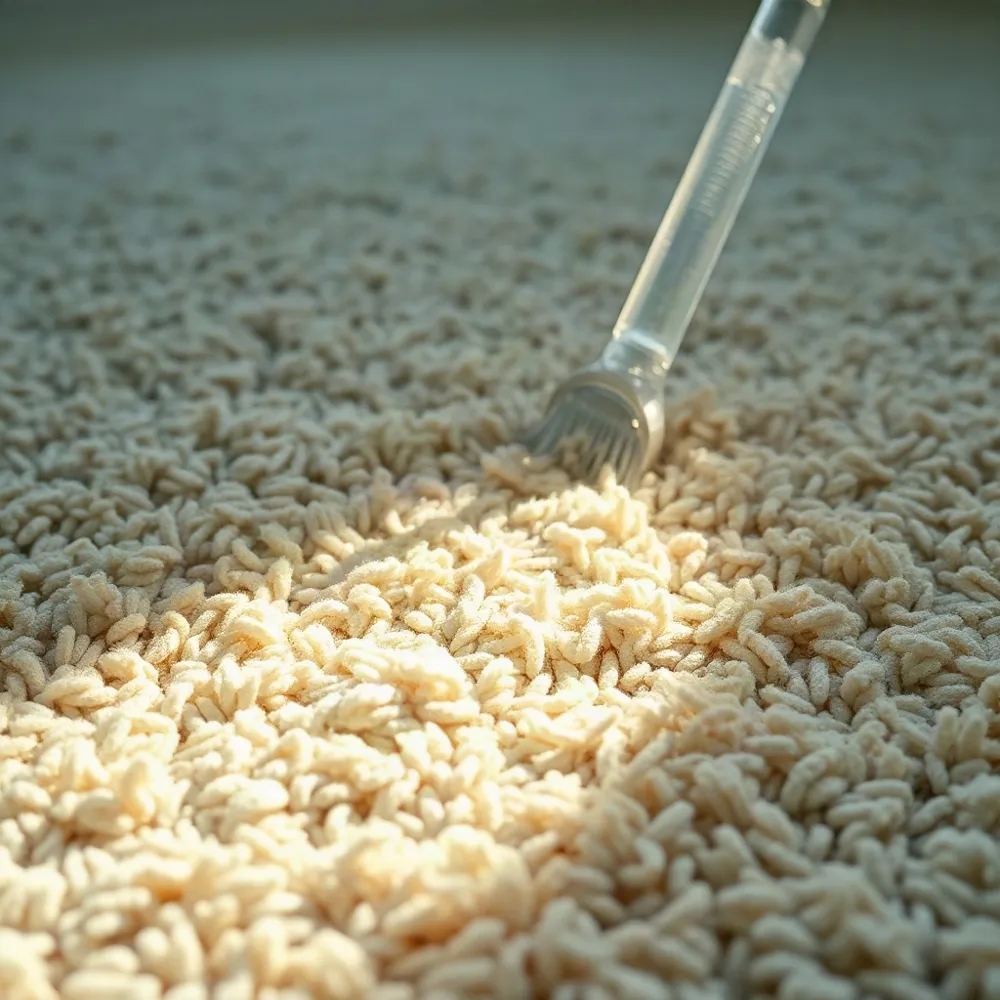
Air filtration acts as the final line of defense. The effectiveness of any air cleaner is measured by its collection efficiency and air circulation rate, often expressed as cubic feet per minute. To ensure consistent results, cleaners must be maintained according to manufacturer specifications. While general maintenance is standard, bravocleaningmn.com leverages professional experience to target hidden pollutants in carpets and high-traffic common areas that standard air purifiers might miss. Integrating these strategies provides a comprehensive framework for healthier, more functional interior spaces.
Professional Janitorial Impact on Indoor Particulate Matter

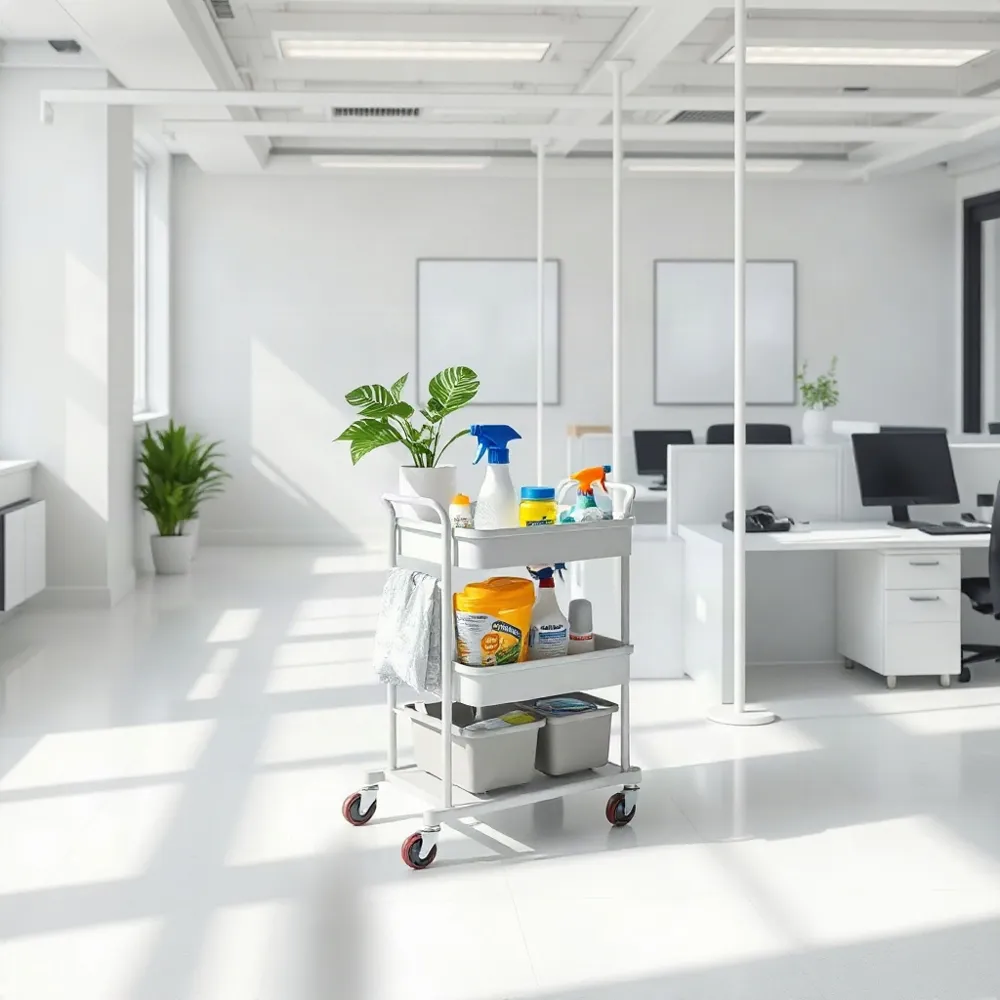
Professional cleaning significantly enhances indoor air quality by systematically reducing the accumulation of dust, allergens, and airborne pollutants within your living or working environment. While regular professional maintenance, such as vacuuming with high-efficiency filters and precise dusting, is highly effective for general atmosphere management, specialized interventions like deep cleaning remain essential for addressing specific concerns. According to the EPA, air duct cleaning is not a routine necessity, but it is a vital professional solution when you identify issues like substantial mold growth, rodent infestations, or excessive dust buildup that compromise your space. By utilizing eco-friendly practices and expert techniques to manage these specific contaminants, professional cleaning services help you maintain a healthier, more comfortable indoor climate for your family or employees. Ultimately, a tailored cleaning strategy serves as a proactive defense against the pollutants that naturally accumulate in residential and commercial buildings.
Advanced Tools for Removing Fine Particulates
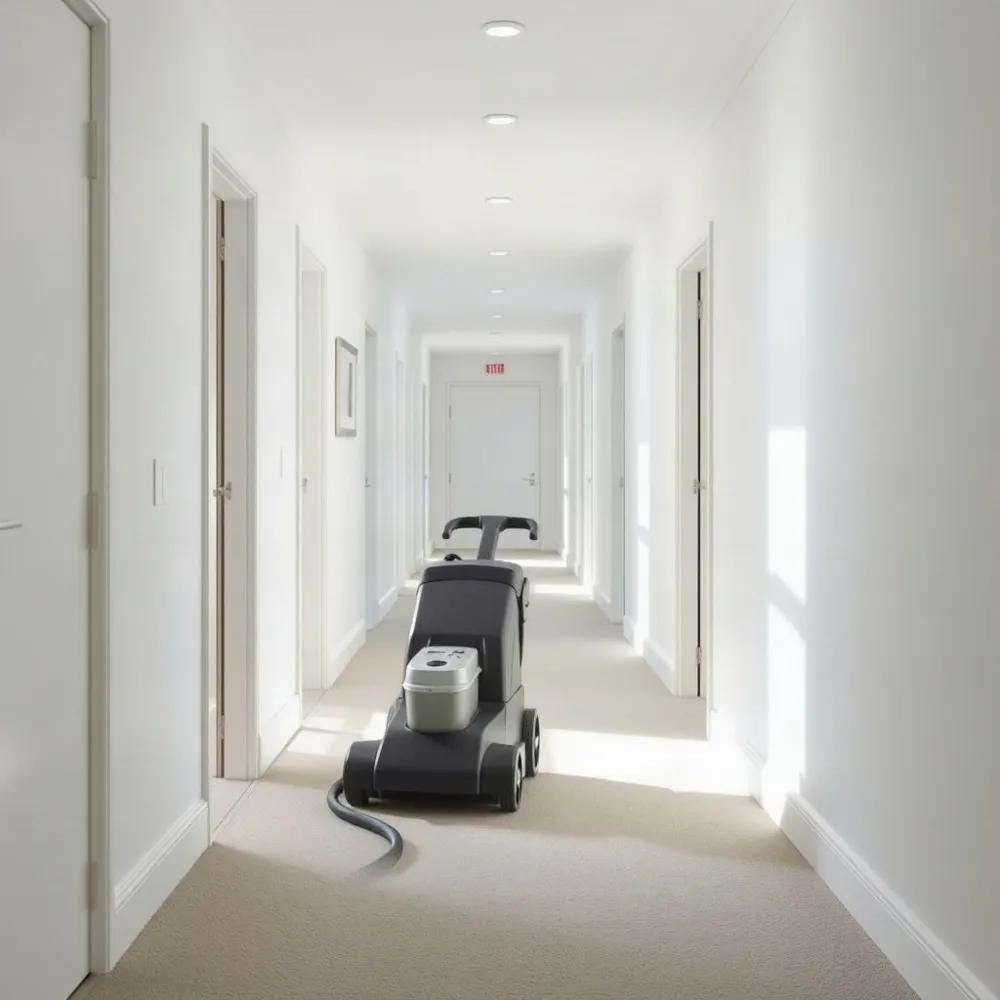
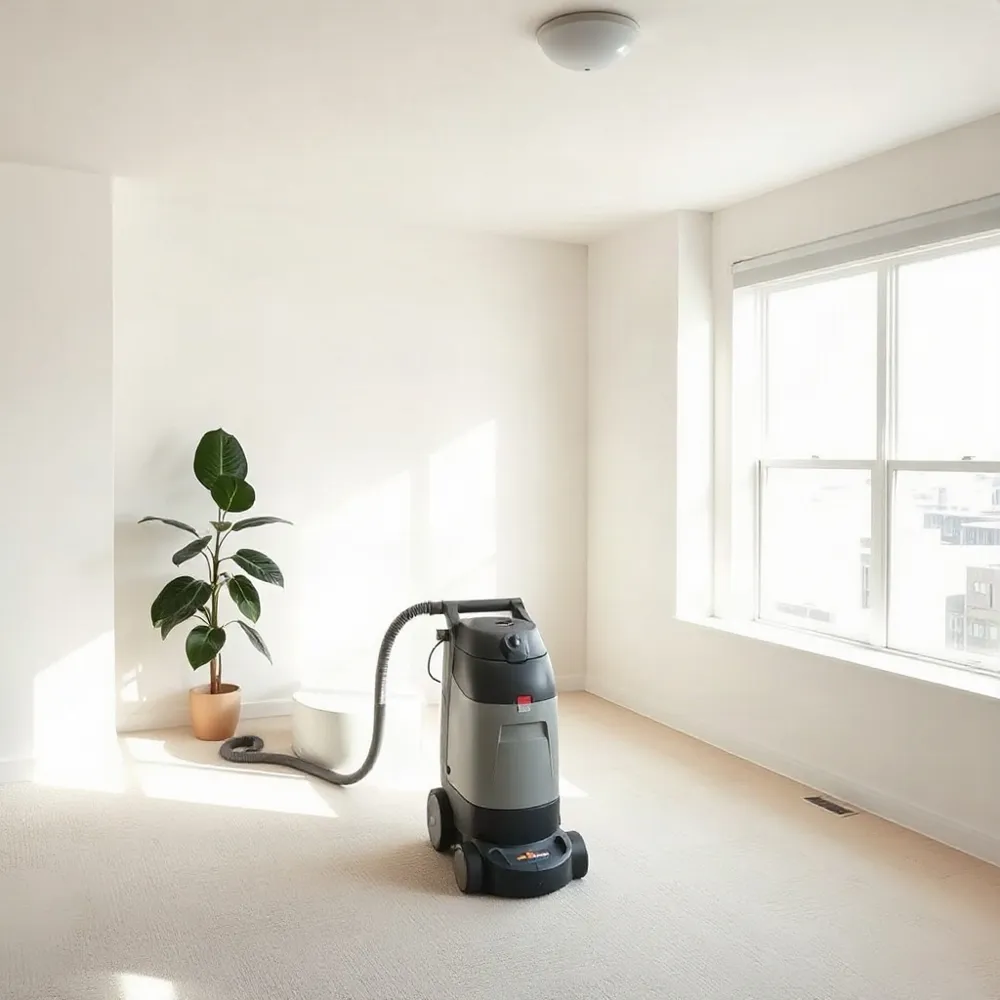
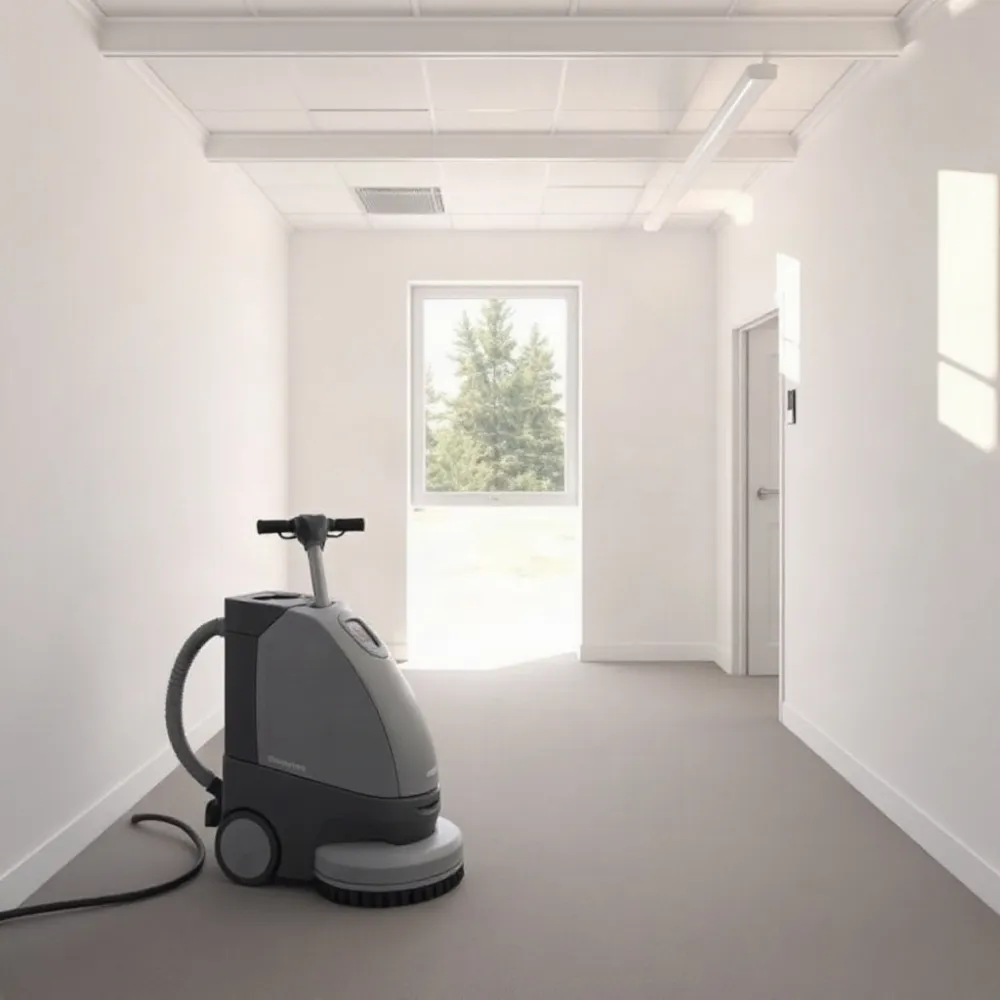
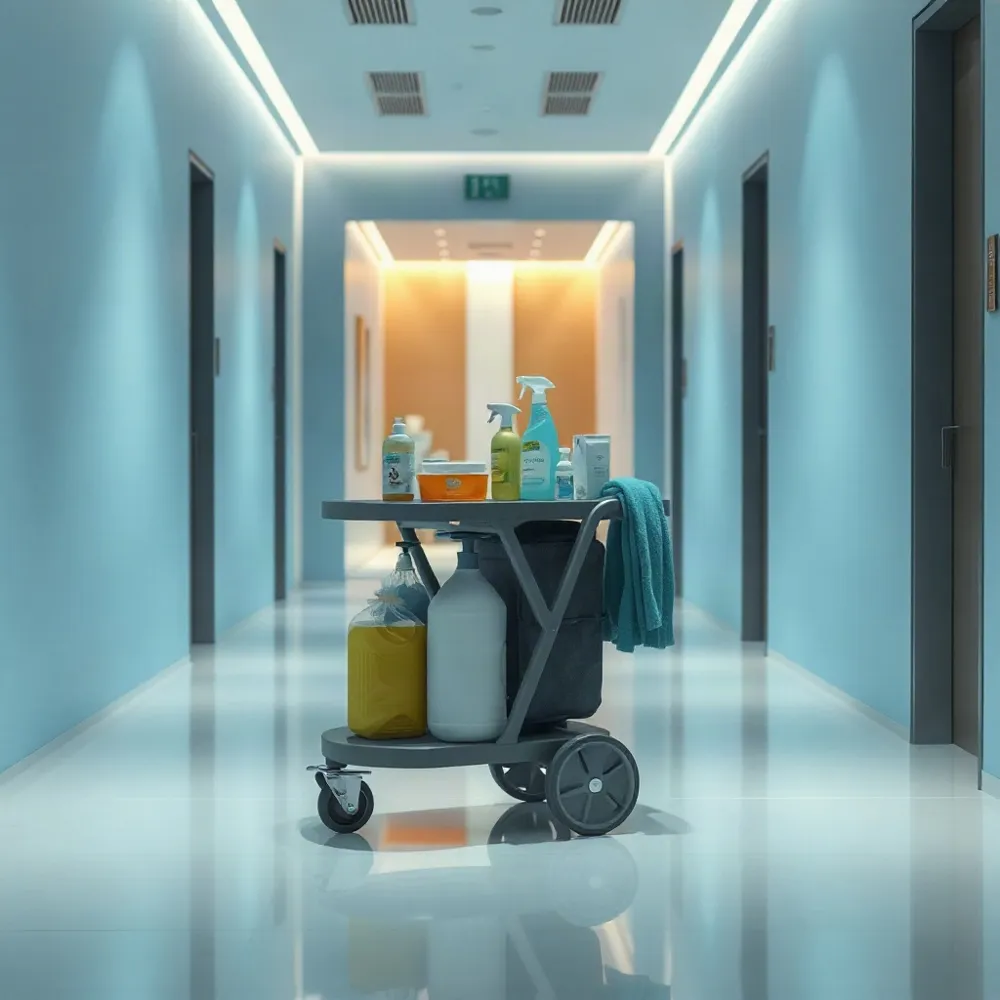
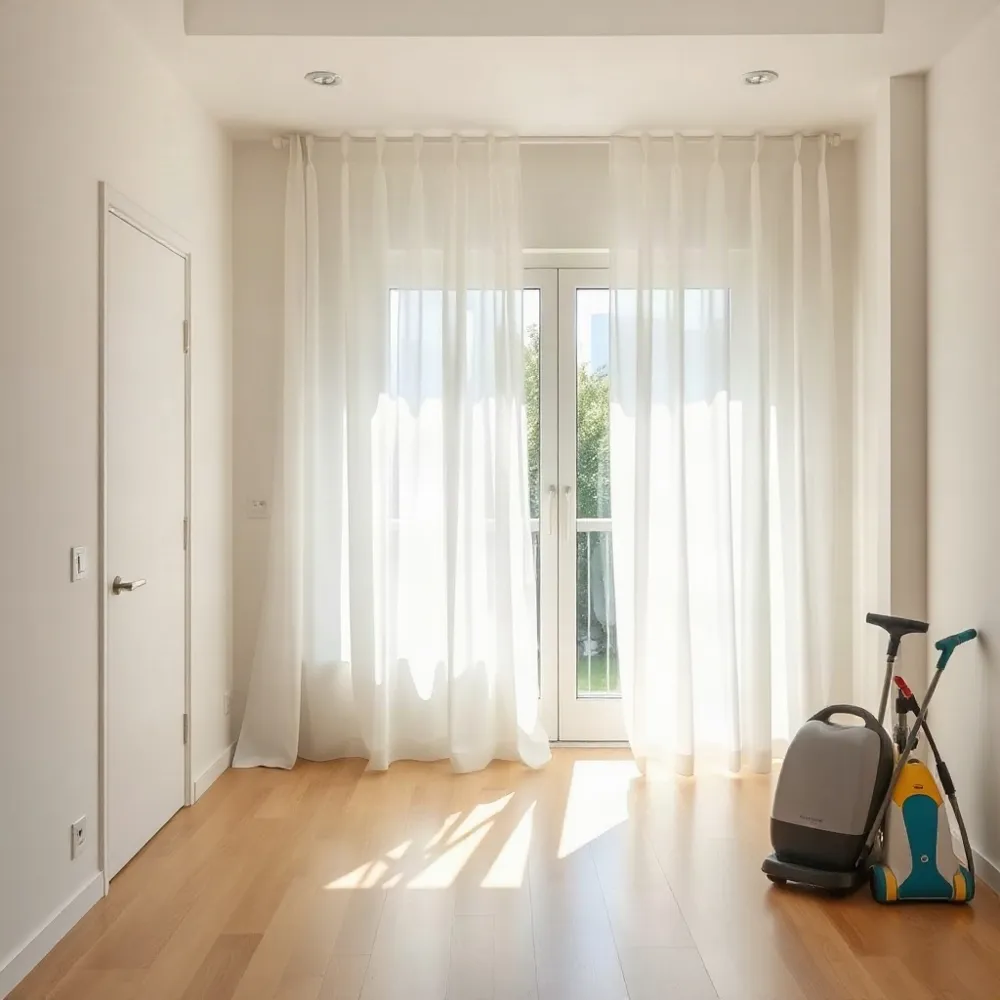
Traditional cleaning tools often push dust back into the air rather than removing it. Professionals instead use HEPA (High-Efficiency Particulate Air) filter vacuums and microfiber cloths, which are proven to capture particles as small as 0.3 microns, including pollen, mold spores, and pet dander. At bravocleaningmn.com, our team prioritizes these high-grade tools to ensure that allergens are trapped rather than redistributed. This is a significant shift from common residential vacuums, which can leak fine dust back into circulation, undermining your efforts to maintain clear air.
Disinfection and Long-Term Air Health
High-traffic areas act as collection points for both surface pollutants and airborne pathogens. Consistent disinfection of touchpoints like door handles, light switches, and common-area surfaces prevents bacteria and viruses from lingering until they circulate through the HVAC system. While some firms may rely on standard spray-and-wipe methods, bravocleaningmn.com utilizes targeted sanitization schedules that prevent moisture-related mold growth and chemical-heavy residue. Per ISSA, this commitment to surface hygiene directly correlates to the quality of the air occupants breathe, as it prevents biological contaminants from becoming airborne in the first place.
Advantages of Green Cleaning for Healthier Indoor Environments

The products used to maintain a commercial or residential space often contain volatile organic compounds, known as VOCs, which are solvents that evaporate into the air at room temperature. Traditional cleaning agents often rely on ammonia, chlorine, and synthetic fragrances that trigger eye, lung, and skin irritation. According to ISSA, minimizing exposure to these chemical pollutants is a primary strategy for supporting respiratory health and occupant comfort.
What is green cleaning and how does it support a healthier indoor environment?
Green cleaning is a professional approach utilizing products and equipment designed to preserve human health and environmental integrity without resorting to harsh, toxic ingredients. bravocleaningmn.com prioritizes these eco-friendly, non-toxic, and biodegradable solutions. By replacing standard cleaners with certified alternatives, we significantly improve indoor air quality and eliminate the pollutants that lead to respiratory issues. Because people spend an estimated 90% of their time indoors, reducing chemical exposure is essential for mitigating symptoms like irritation, headaches, and long-term health risks.
- Utilization of natural, plant-based alternatives like vinegar, baking soda, and essential oils to effectively clean without polluting the air.
- Reliance on third-party verification, such as Green Seal or EcoLogo, to ensure products meet rigorous health and environmental standards.
- Reduction of chemical residue that often acts as a trigger for asthma and allergy sufferers.
- Commitment to high-performance outcomes that ensure a clean space is also a healthy space for residents, employees, and guests.
bravocleaningmn.com implements sustainable, low-toxicity protocols that verify air safety, ensuring your property aligns with modern indoor air quality standards. This holistic method avoids the long-term environmental and health damage caused by petroleum-based detergents, creating a safer environment for everyone involved.
Facility Management Best Practices for Air Quality Control
To ensure optimal indoor air quality, property managers should implement a three-fold strategy centered on source control, improved ventilation, and effective air filtration, as recommended by the EPA. Prioritizing source control serves as the most effective baseline strategy by addressing pollutants at their origin. At bravocleaningmn.com, our team supports this by utilizing eco-friendly, low-VOC cleaning agents that eliminate hazardous chemical emissions that traditional janitorial firms often overlook.
How can property managers ensure optimal air quality through maintenance and cleaning operations?
Consistent HVAC maintenance is vital for longevity and performance. Regularly replacing high-efficiency filters ensures systems operate efficiently to regulate airflow and capture airborne contaminants. bravocleaningmn.com emphasizes professional-grade sanitization that includes cleaning vents and air ducts to prevent the internal accumulation of dust.
- Schedule major, potentially particle-generating tasks during off-peak hours to allow dust to settle or be filtered before the primary workforce arrives.
- Deploy smart air quality monitors in high-occupancy areas to track CO2, humidity, and pollutant levels, enabling data-driven adjustments to cleaning cycles.
- Install high-performance floor mats at all building entryways to capture outdoor pollutants, dirt, and moisture before they are tracked further into the facility.
- Maintain indoor humidity levels between 30% and 50% to prevent the growth of mold and mildew, which can significantly impair indoor air quality.
Identifying and Mitigating Common Indoor Pollutants
What are the common household pollutants that negatively impact air quality? Common household pollutants often originate from everyday items, including paints, varnishes, aerosol sprays, disinfectants, and synthetic air fresheners, which frequently release volatile organic compounds (VOCs). These pollutants can also stem from building materials, furnishings, stored fuels, and office equipment, often resulting in indoor concentrations significantly higher than those found outdoors, per the EPA. Exposure to these gases and particulates may lead to various health concerns, such as respiratory irritation, headaches, nausea, and, in some cases, long-term damage to the central nervous system or organs. To improve air quality, bravocleaningmn.com prioritizes eco-friendly cleaning methods, such as using damp cloths and non-toxic, professional-grade supplies that minimize the release of harmful chemicals. By replacing harsh chemical sprays with safer, sustainable alternatives, property managers and homeowners can create a healthier, more breathable environment for residents and employees alike.
Managing Chemical Interactions and Moisture Control
Beyond selecting low-VOC supplies, safety requires avoiding the dangerous habit of mixing household cleaners. Combining products like bleach and ammonia produces toxic gases that pose an immediate respiratory threat, according to NYC Health. Instead of relying on risky chemical combinations, professional services utilize specialized solutions that effectively sanitize high-touch surfaces without creating hazardous byproducts.
Controlling indoor humidity is equally critical for preventing the growth of mold and bacteria. Maintaining relative humidity levels between 30% and 50% helps inhibit fungal proliferation, protecting the structural integrity of a building and the lungs of its occupants. While many believe that indoor greenery resolves air quality issues, the EPA clarifies that houseplants are not a primary solution; in fact, over-watered soil often promotes microbial growth that aggravates allergies. Consistent, proactive maintenance of drainage and ventilation remains the most effective strategy for managing moisture and pollutant levels.
Commitment to Healthier Spaces in Minneapolis
Prioritizing indoor air quality is an investment in both occupant wellness and facility longevity. By reducing airborne irritants and pathogens through consistent, expert cleaning, businesses and property managers can support the long-term health and productivity of their residents and staff. Studies indicate that improved air quality can significantly boost cognitive performance and reduce absenteeism according to the ISSA.
Proactive maintenance, such as regular HEPA-filtered vacuuming and deep carpet care, prevents the accumulation of hidden pollutants that degrade airflow. Bravo Cleaning leverages over 20 years of local experience to deliver tailored solutions that meet these high standards. Reach out to our team today to develop a specialized cleaning plan that ensures your space remains healthy, efficient, and welcoming.
Recent articles