How Janitorial Services Improve Workplace Hygiene and Productivity

Why Clean Offices Matter
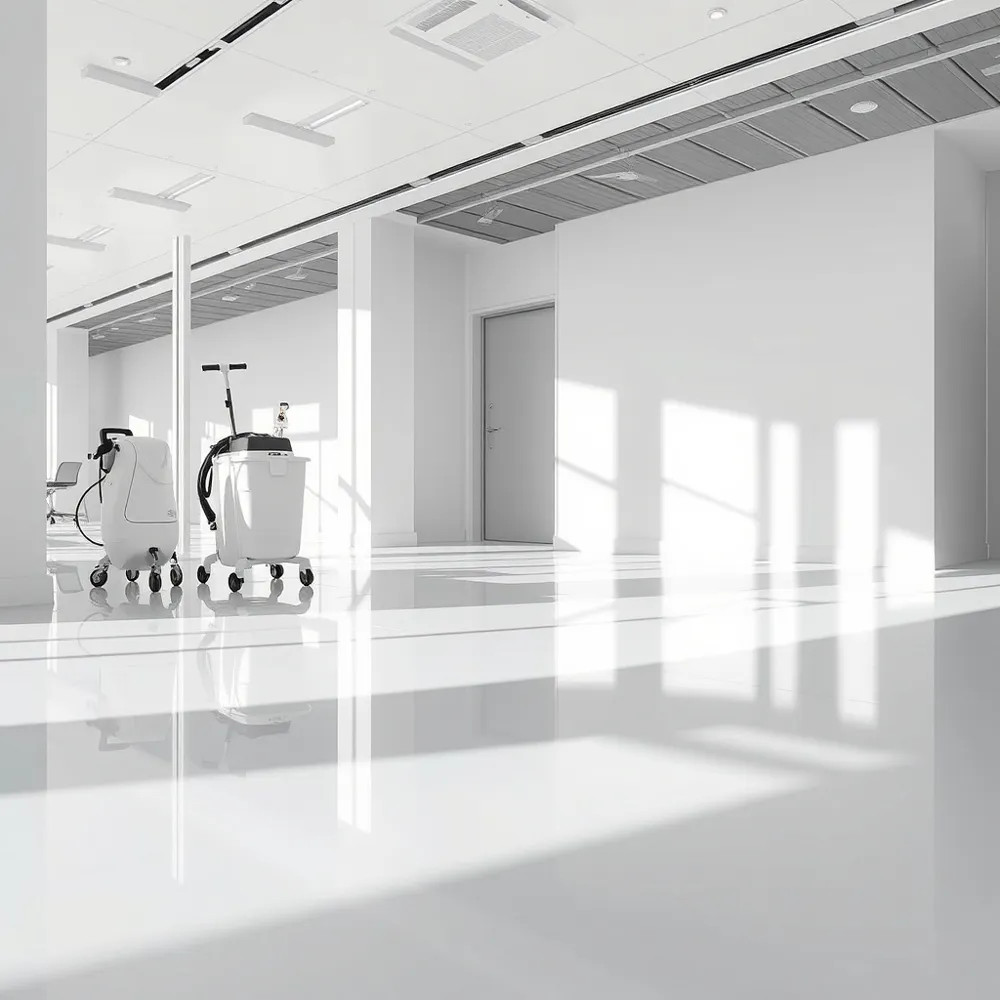
Clean offices directly boost employee morale by creating a healthier, less stressful environment. When high‑touch surfaces, air ducts, and break rooms are regularly disinfected, staff feel valued and experience lower anxiety, which translates into higher engagement and satisfaction. The economic payoff is significant: studies show a 30‑40 % reduction in sick‑day rates after professional cleaning, saving employers thousands of dollars in absenteeism costs and preserving productivity. Professional janitorial services deliver this impact at scale—using EPA‑registered, eco‑friendly disinfectants, HEPA‑grade equipment, and after‑hours scheduling to avoid disruption. Tailored protocols address specific traffic patterns and industry standards, ensuring compliance with OSHA and CDC guidelines while reinforcing a brand’s commitment to employee well‑being. Such improvements also enhance client perceptions, reinforcing market competitiveness and long‑term growth.
Productivity Gains from a Clean Workplace

A tidy, dust‑free office does far more than look good; it directly fuels employee output. When desks, floors and shared surfaces are clean, visual clutter disappears, allowing the brain to focus on tasks instead of filtering distractions. Regular removal of dust and allergens also improves indoor air quality, which research links to a 10‑12% boost in cognitive performance and fewer respiratory complaints that can pull attention away from work.
Sanitizing high‑touch points—door knobs, keyboards, break‑room appliances—cuts the transmission of viruses and bacteria. Studies show a 30‑40% drop in sick‑day rates for workplaces that follow CDC‑approved disinfection schedules, translating into more consistent attendance and smoother project timelines.
Beyond health, a well‑maintained space sends a psychological signal that the employer cares about staff wellbeing. This perception raises morale, reduces stress hormones, and encourages employees to take pride in their work, all of which have been shown to lift productivity by 12‑15%.
One practical framework to keep the office running efficiently is the “3‑3‑3 rule”: spend three hours on deep, focused work; tackle three high‑priority tasks; and allocate three minutes to quick maintenance (e.g., wiping a surface, restocking supplies, or organizing a workstation). By embedding this rhythm into the daily schedule, teams minimize interruptions, keep workspaces orderly, and sustain the momentum that clean‑environment benefits provide.
Office Cleaning Guidelines and Best Practices

Cleanliness guidelines for offices start with daily dusting and disinfection of high‑touch surfaces—door handles, light switches, keyboards, and shared equipment—using soap‑and‑water or an EPA‑approved detergent followed by a registered disinfectant (or 70 % alcohol) held for the label‑specified contact time. Floors are vacuumed and mopped daily; carpet and upholstery receive a deeper cleaning weekly or monthly with eco‑friendly detergents to remove dust, allergens, and microbial buildup. Restroom sanitation protocols require separate cleaning of fixtures, sinks, and toilet handles each day, with staff equipped with PPE and proper hand‑washing. A regular inspection checklist and feedback loop ensure consistency, safety, and sustainability.
Keeping your workplace clean involves a clear schedule that assigns responsibilities, inspects workstations and walkways, and maintains at least a 28‑inch clear path to exits. Employees are encouraged to wipe down high‑touch points, dispose of trash promptly, and store items properly. Professional services handle deep‑cleaning tasks such as carpet extraction, floor polishing, and thorough disinfection using green products.
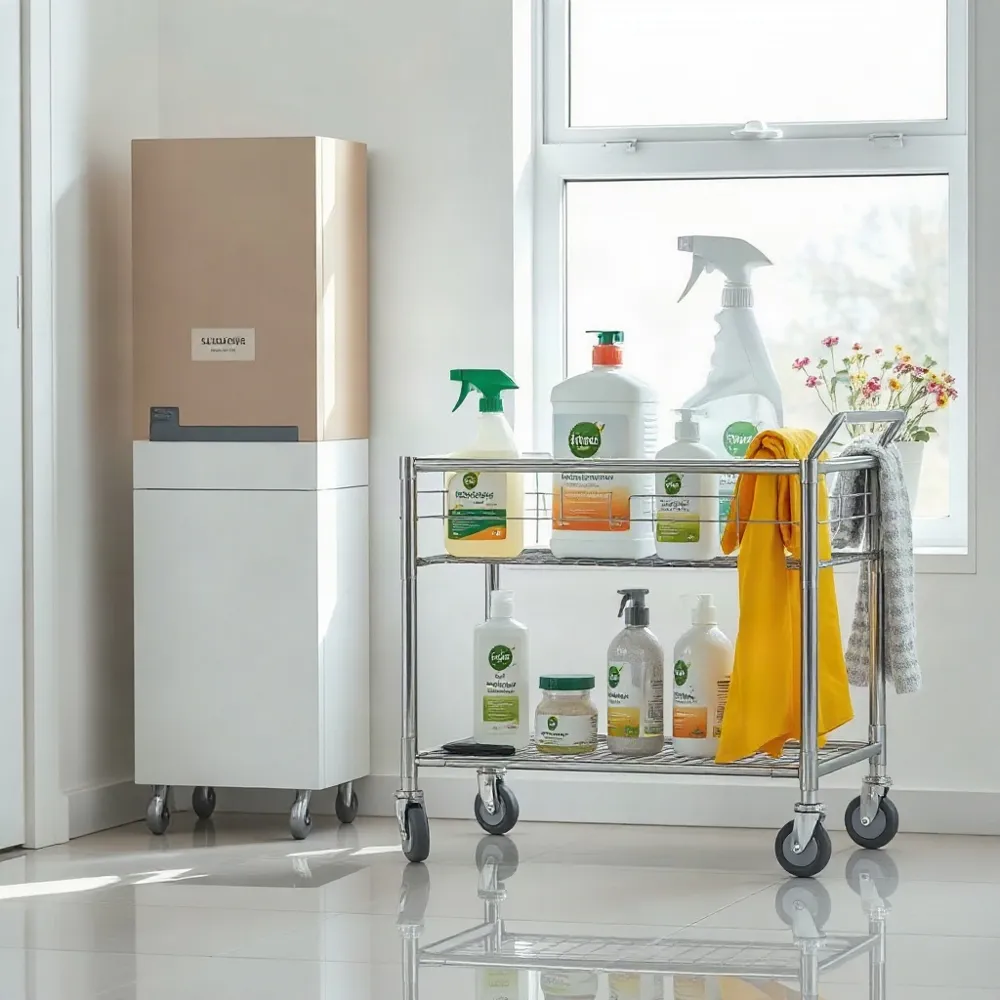
To improve overall cleanliness, implement checklists for desks, conference rooms, and break areas; stock microfiber cloths, eco‑friendly wipes, and hand sanitizer; and conduct regular decluttering sessions. Partnering with a trusted local provider such as Bravo Cleaning guarantees tailored, EPA‑compliant cleaning that enhances indoor air quality, reduces absenteeism, and boosts employee morale and productivity.
Industry Standards, Regulations, and Certifications

What industry does cleaning services belong to? Cleaning services are classified under the Janitorial Services sector (NAICS 561720). This segment includes establishments that clean building interiors, transportation equipment, windows, and provide custodial, housekeeping, and carpet‑care services. Companies such as Bravo Cleaning operate within this classification, positioning janitorial work as a core component of the broader U.S. facilities‑management market.
Janitorial cleaning standards in the U.S.
U.S. standards blend OSHA’s general‑industry regulations (29 CFR 1910) with CDC health‑focused guidelines. OSHA covers hazardous‑material handling, PPE, ventilation, and slip‑and‑fall prevention. The CDC adds infection‑control protocols for surface disinfection and waste disposal. Professional bodies—ISSA, ANSI, and ASTM—provide best‑practice frameworks (e.g., ISSA’s “Clean, Measure, Monitor” and ASTM E1971) that define cleaning frequencies, testing methods, and documentation requirements.CDC cleaning and disinfection guidelines for healthcare facilities
The CDC mandates a risk‑based approach: clean first with detergent, then disinfect with EPA‑registered agents at the required contact time. Staff must use appropriate PPE, follow documented SOPs, and maintain logs for high‑touch surfaces. Regular monitoring and chemical‑exposure controls are essential to reduce health‑care‑associated infections.OSHA cleaning certification requirements
OSHA does not issue a specific cleaning certificate, but employers must train staff to meet Hazard Communication, Bloodborne Pathogens, and Respiratory Protection standards. A written safety‑and‑health program, job‑hazard analyses, and proper PPE provision are required for compliance.OSHA cleaning standards for general workplaces
OSHA requires walk‑working surfaces be clean, dry, and hazard‑free; floors must be maintained to prevent slips; waste containers must be leak‑proof; and chemicals must be stored and used per hazardous‑material regulations. Regular inspections and employee training ensure a safe, sanitary environment.CDC environmental cleaning and disinfection guidelinesThe CDC recommends prioritizing high‑touch surfaces, cleaning with soap/detergent before disinfection, and using EPA‑registered products. Protocols should specify staff responsibilities, PPE, frequency, and documentation, with hand hygiene emphasized to prevent cross‑contamination.
Health, Performance, and Economic Impact

A clean office directly improves employee health outcomes. Routine disinfection of high‑touch surfaces (door handles, keyboards, shared equipment) removes up to 99 % of pathogens, cutting sick‑day rates by 30‑40 % according to CDC‑backed studies. Cleaning vents, carpets and upholstery removes dust, mold, and allergens, lowering airborne irritants, which research from the Harvard T.H. Chan School of Public Health links to an 11 % increase in cognitive performance and fewer respiratory complaints.
These health gains translate into clear economic benefits. Fewer illnesses mean reduced absenteeism; the Journal of Occupational and Environmental Medicine reported a 25 % drop in sick‑day incidents in offices with daily professional cleaning. When employees are present and healthy, productivity rises—studies show up to a 15 % boost in task‑completion speed and a 5 % higher retention rate for firms that maintain spotless workspaces.
Workplace conditions also shape commitment and morale. Organized and tidy workspaces lower stress levels and increase morale, which contributes to higher job satisfaction and productivity. Employees who perceive their employer as caring for their well‑being are 12 % more likely to report higher morale, which in turn drives higher engagement and lower turnover. In sum, investing in professional janitorial services yields measurable health, financial, and cultural returns for any organization.
Policies, Tools, and Future Directions

3 P’s Clean‑Desk Policy
The three P’s of an effective clean‑desk policy are Plan, Protect, and Pick Up. Each morning, staff Plan which documents are needed for the day and set aside the rest. When stepping away, Protect sensitive information by securing papers, devices, and passwords. At day‑end, Pick Up any stray items, filing or disposing of them securely. Consistently applying these steps reduces clutter, safeguards data, and projects professionalism.Employee Involvement in Daily Upkeep
Encourage a culture of ownership: provide microfiber cloths, eco‑friendly wipes, and hand‑sanitizer stations for quick disinfection of high‑touch surfaces. Use checklists for desks, conference rooms, and break areas, and assign clear responsibilities. Regular short decluttering sessions keep walkways clear, improve fire‑hazard compliance, and lower stress levels.Technology and Green‑Cleaning Trends
Adopt electrostatic disinfectors, HEPA‑filtered vacuums, and sensor‑activated hand‑wash stations to boost sanitation while reducing chemical exposure. Green‑cleaning products lower VOC emissions by up to 50%, supporting healthier indoor air and sustainability goals.Continuous Improvement Through Feedback LoopsImplement a digital reporting system where staff can flag hygiene concerns. Review data weekly, adjust cleaning schedules, and share results with employees to demonstrate commitment. This loop drives ongoing enhancements and aligns janitorial services with evolving workplace needs.
A Cleaner Future Starts With Professional Care
Professional janitorial services directly boost productivity and employee health. Routine disinfection of high‑touch surfaces cuts germ transmission, cutting sick‑day rates by up to 40% and keeping staff on‑site. Clean air through carpet, upholstery, and HVAC cleaning removes allergens, sharpening focus and reducing fatigue. An organized, clutter‑free workspace lowers stress, improves morale, and speeds task completion by 15‑20%. Bravo Cleaning leverages over 20 years of Minneapolis‑area expertise to tailor schedules, eco‑friendly products, and after‑hours service that meets each client’s traffic patterns and regulatory needs. Our local teams understand community standards and deliver consistent, OSHA‑compliant results. Contact Bravo Cleaning today to create a healthier, more productive workplace for your business and growth.
Recent articles