Carpet Cleaning Equipment That Professionals Trust


The Spirit and Substance of Professional Carpet Cleaning
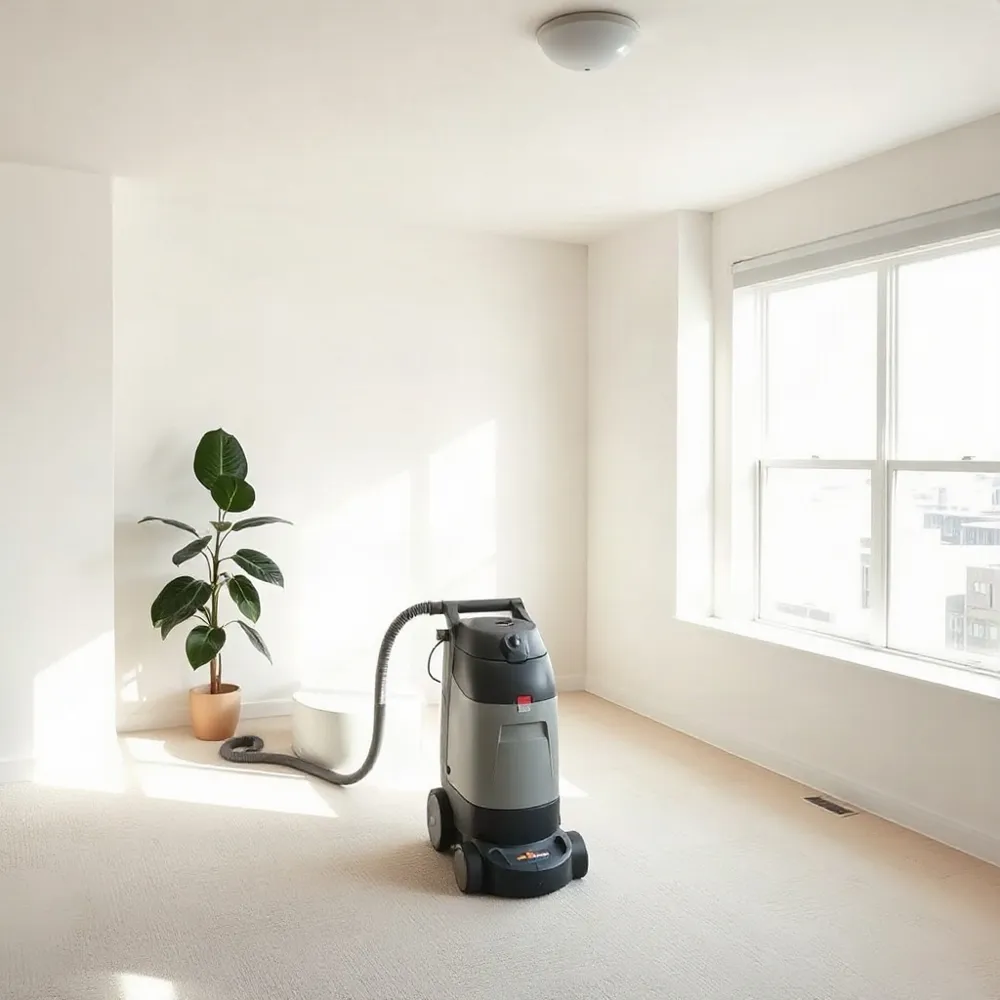
The professional carpet cleaning industry thrives on a promise: to restore carpets to a state that exceeds client expectations. This promise is kept through a combination of expertise and the selection of the right equipment. Professionals know that a reliable machine is not just a tool; it's a business partner. The best results, whether for a single apartment turnover or a sprawling commercial complex, are directly linked to the quality and suitability of the cleaning equipment in use. Using the right gear allows a team to work faster, achieve superior outcomes, and maintain the high standards that build a trusted reputation.
The Three Pillars of Professional Equipment
The industry relies on three primary categories of machines, each designed for specific operational demands. Understanding the distinction between them is crucial for any professional or property manager looking to hire a service that uses the right technology for the job.
Truckmount Extractors: The Gold Standard Truckmount extractors represent the pinnacle of cleaning power. These are not portable devices; they are powerful, vehicle-installed units that act as a mobile cleaning plant. For high-volume commercial work in large offices, schools, or hotels, they are unmatched. They achieve this through high flow rates, often exceeding 4.8 gallons per minute, and the ability to heat water to 240°F. This combination of high heat and water volume allows for deep soil suspension and rapid drying. The Hydramaster CDS 4.8 is a recognized benchmark for this category, delivering serious cleaning power with fuel efficiency. For mid-sized teams, the Sapphire Scientific Apex 570 offers a compact, proven alternative that fits most vans without sacrificing performance.
Portable Extractors: Flexibility and Reach When a truckmount cannot reach the work area, portable extractors provide indispensable flexibility. These units are essential for multi-floor buildings, apartments, and properties with stairs, where a large vehicle cannot park close enough. Modern portables, like the Mytee LTD12-LX, Sandia 80-2100 Sniper, or the ultra-compact Rotovac CFX ZX, are designed for easy transport without sacrificing power. The Rotovac, weighing just 44 pounds, includes dual high-velocity vacuum motors and an automatic pump-out system for non-stop operation, making it ideal for smaller operations or as a backup for larger fleets. A high-quality portable spotter, which uses cold or hot water for isolated stains, is also essential for any professional kit. It allows for timely treatment of spills, preventing permanent damage to carpets—a common need during turnover cleaning in residential buildings.
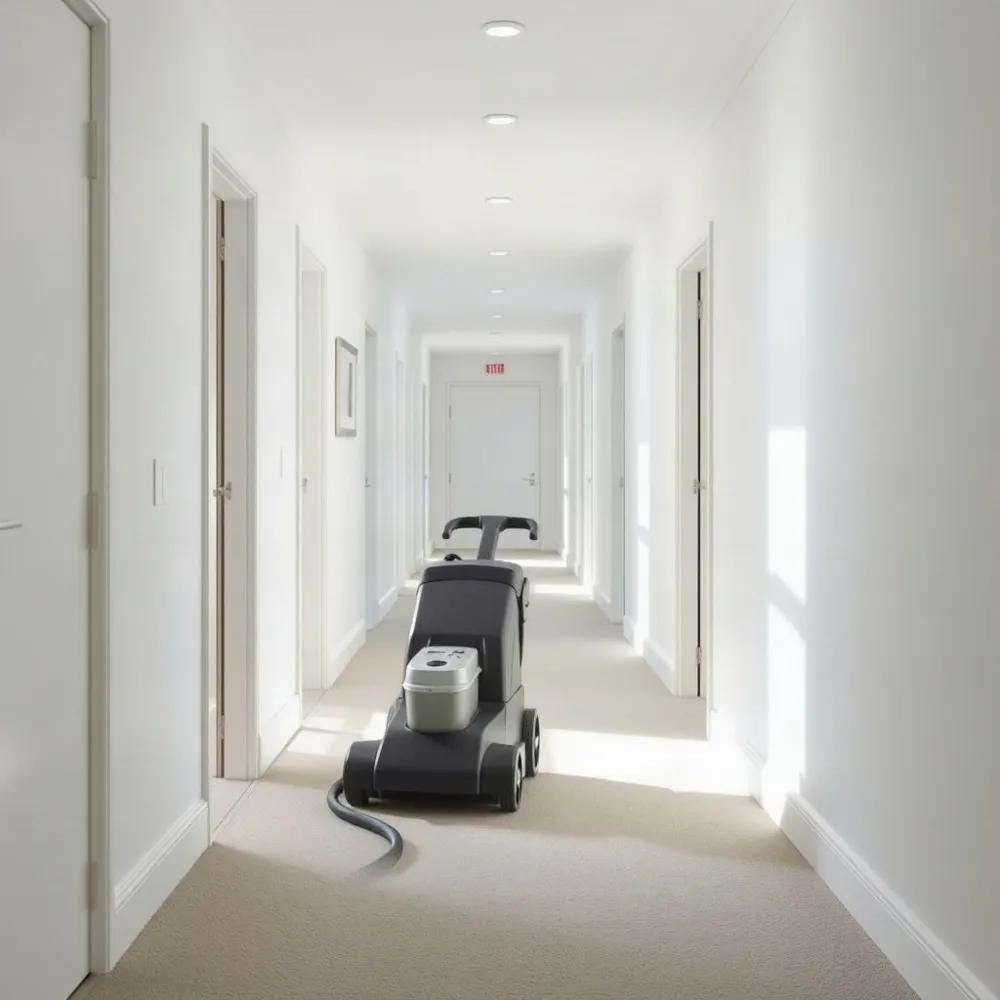
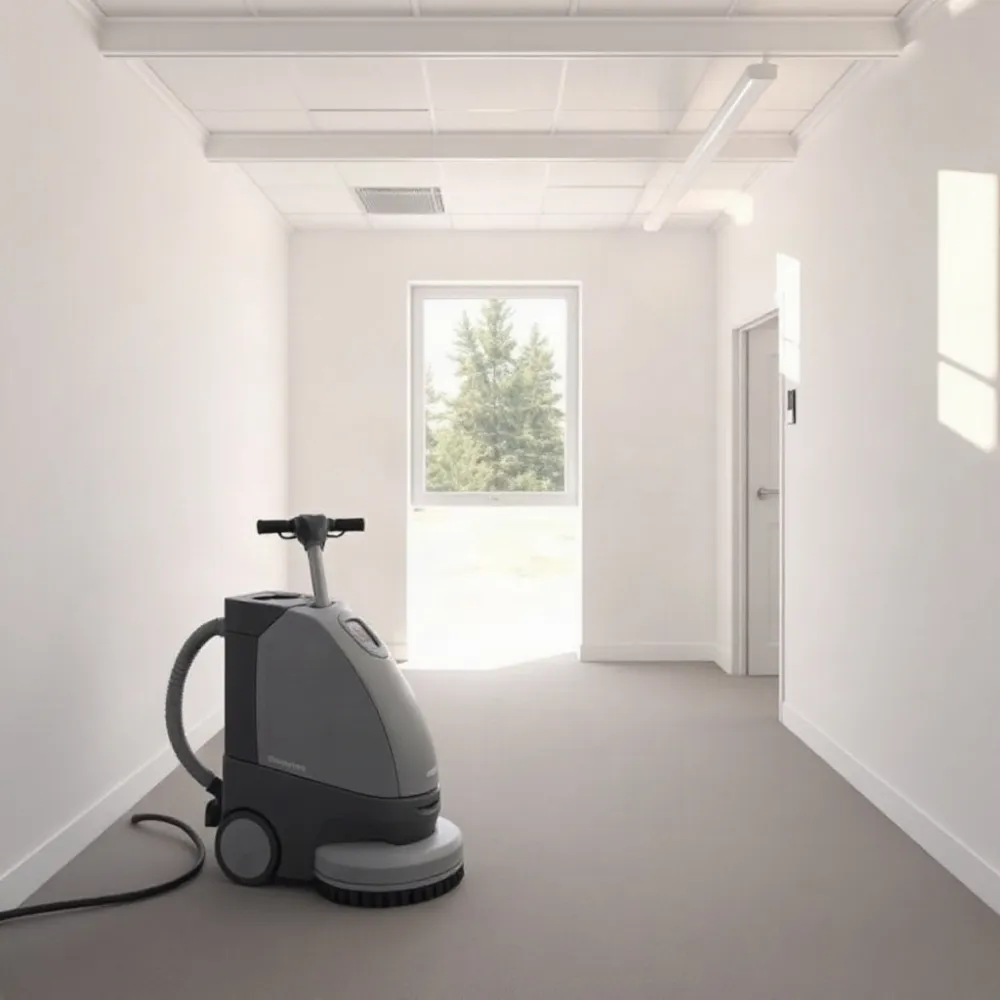
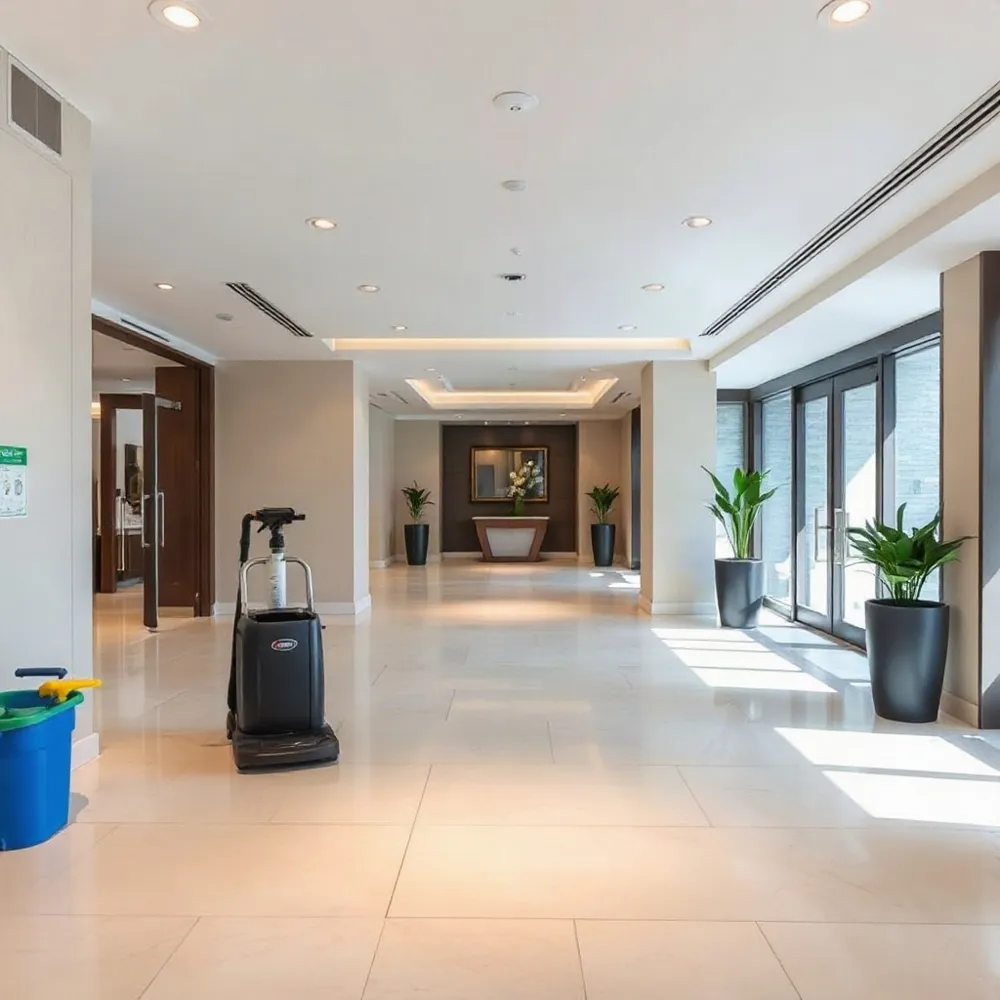
Walk-Behind Machines: Conquering Expanse For the largest commercial spaces—convention centers, airports, and warehouses—walk-behind machines are the most efficient choice. These self-propelled units allow operators to cover vast areas quickly and with less fatigue. The Windsor Clipper 12, for example, can clean over 2,500 square feet per hour with its 12-gallon solution capacity. The Tennant E5 offers a 15-inch cleaning path with a compact design for tight spaces, ensuring no area is left untouched. These machines are built for endurance, providing the throughput necessary for large-scale contracts.
An Industry of Scale and Sustainability
The carpet cleaning industry was valued at $4.5 billion as of 2020, a figure that underscores its significance and the potential for growth for professionals who invest wisely. Modern equipment reflects a broader shift toward sustainability and operator well-being. This trend is often summarized as "green and lean."
Green Cleaning: Environmentally conscious cleaning services are no longer a niche offering; they are a competitive advantage. Modern machines are designed to be compatible with eco-friendly, biodegradable cleaning substances. They also consume less power and water, reducing the environmental footprint of each cleaning job. This aligns with the values of many property managers and business clients who prioritize sustainability.
Lean and User-Friendly: The physical demands of carpet cleaning are significant. Modern equipment addresses this through ergonomic design. Lighter materials, better maneuverability, and intuitive controls reduce operator fatigue. Machines that are easy to clean and maintain between jobs increase productivity and decrease downtime. This focus on usability ensures that technicians can deliver top-quality service consistently, without the frustration and risk of injury associated with outdated, heavy equipment. Features like self-cleaning cycles, large, easy-to-empty tanks, and automatic solution mixing are now standard on many professional-grade units. The shift is clear: the best tools are the ones that empower the people using them.
The Measurable Impact: ROI of Professional Gear
For a cleaning business, the choice of equipment directly impacts the bottom line. Investing in professional-grade machines—whether truckmount, portable, or walk-behind—pays for itself in several tangible ways. More powerful extraction and faster drying times reduce job duration, allowing a team to complete more jobs per day. Superior cleaning results lead to fewer callbacks and satisfied clients who are more likely to provide recurring contracts and referrals. Eliminating manual scrubbing through high-performance brush systems boosts crew efficiency. The return on investment is clear: better equipment enables a business to win higher-value contracts, operate more profitably, and build a reputation for reliability and excellence.
| Equipment Category | Best Use Case | Key Advantages | Typical Clients |
|---|---|---|---|
| Truckmount Extractor | High-volume, large areas | Highest heat (240°F), massive flow rate, fastest drying | Hotels, schools, large offices |
| Portable Extractor | Multi-floor buildings, tight spaces | Flexible, no vehicle installation, powerful extraction for size | Apartments, condos, staircases, spot cleaning |
| Walk-Behind Machine | Vast, open commercial spaces | Self-propelled, high sq. ft./hr., operator comfort | Convention centers, airports, warehouses |
Driving Strategy with Technology
Beyond the cleaning machines themselves, modern professionals leverage technology to streamline operations. A smartphone, equipped with the right business management software, is now an essential tool. It enables staff to confirm appointments, send automated notifications, generate and email invoices, and accept online payments. Real-time team tracking and optimized route planning further enhance efficiency. This layer of smart technology, often mentioned alongside "smart cleaning services," allows businesses to manage multiple crews, view client history, and generate profit insights. Equipment management itself is simplified; software can help track maintenance schedules for each machine, ensuring preventive maintenance is performed before breakdowns occur. This proactive approach minimizes costly emergency repairs and extends the life of the investment. The integration of software with hardware represents the final piece of the puzzle for a truly professional operation. The most successful firms combine powerful equipment with intelligent operational tools to deliver unmatched service.
Core Equipment Professionals Trust

Which tools and equipment do professional carpet cleaners typically use?
Professional carpet cleaners rely on a specialized toolkit to deliver deep, lasting results while maximizing efficiency. The backbone of any operation is a powerful truck-mounted or portable carpet extractor that uses hot water extraction to flush out embedded dirt, allergens, and bacteria. These machines are paired with high-suction vacuums for initial debris removal, stain removers and defoamers to treat specific issues, and air scrubbers that improve indoor air quality by capturing airborne particles and odors. Carpet rakes with stiff rubber or silicone bristles help lift and restore carpet fibers, priming them for better solution absorption. Increasingly, professionals also use a smartphone or tablet to manage job schedules, capture before-and-after photos, and streamline client communication—making it as essential as any cleaning machine.
The Essential Vacuum: More Than Just Suction
Before any deep cleaning begins, thorough vacuuming is non-negotiable. Professional-grade vacuums go beyond basic suction: they feature an adjustable beater bar that adapts to different carpet types—from low-pile commercial loops to high-pile residential plush—preventing damage while maximizing soil removal. A HEPA-microfilter system captures 99.97% of particles as small as 0.3 microns, including pollen, dust mites, and pet dander, which is critical for clients with allergies or asthma. Many models also include a motorized brush that can be turned off when transitioning to bare floors, allowing the same machine to handle both carpeted and hard surfaces without scattering debris. This versatility reduces the number of tools needed on site and speeds up the cleaning process.
Truck-Mounted Extractors: Power for Large-Scale Jobs
For high-volume commercial work—offices, schools, hotels, and large residential estates—truck-mounted extractors are the gold standard. These units are installed in a service vehicle and have no match in raw cleaning power. The HydraMaster CDS 4.8, for example, delivers an impressive 4.8 gallons per minute (GPM) flow rate and heats water up to 240°F, allowing it to dissolve grease, oils, and stubborn stains that lower temperatures cannot touch. The Sapphire Scientific Apex 570 is another top performer in this category: it combines high extraction force with lower operating costs, a compact footprint that fits most vans, and proven reliability for mid-sized teams. By cutting job times in half, such equipment enables crews to handle more bookings per day, reduces labor costs, and secures recurring contracts from property managers who demand fast turnaround.
Portable Extractors: Flexibility for Multi-Level Buildings
Not every job can accommodate a truck-mounted unit. For multi-floor apartment buildings, tight stairwells, or locations where vehicle access is restricted, portable extractors offer the same professional-grade cleaning in a self-contained, carry-in format. Models like the Mytee LTD12-LX feature an 11-gallon tank capacity, a built-in heater to maintain water temperature, and a compact design that fits easily into an elevator or service cart. The Sandia 80-2100 Sniper is another go-to: it delivers 100 PSI pump pressure, lightweight construction at just 47 pounds, and separate 6-gallon solution and recovery tanks that make it a primary machine for smaller operations or a reliable backup for larger fleets. For non-stop operation, the Rotovac CFX ZX includes an automatic pump-out system that drains the recovery tank without interrupting cleaning—ideal for long shifts. These portables ensure that quality never has to be compromised, regardless of building layout.
Beyond Brand Names: Choosing Equipment Based on Performance
A reputable brand name does not guarantee a great product. Independent testing by Consumer Reports has shown that both Hoover and Bissell produced some of the top-performing carpet cleaners—and also some of the worst. This reality underscores a critical lesson for professionals: never select equipment solely by brand loyalty. Instead, rely on objective test data that measures stain removal scores, drying time, suction power, ease of use, and durability. For example, the same brand that makes an excellent full-sized machine may have a portable model that struggles with set-in stains or leaves carpets overly wet. By analyzing lab-tested results from sources like Vacuum Wars, The Spruce, and Wirecutter, cleaning businesses can make informed decisions that directly impact job quality and client satisfaction.
High-Performing Units Worth the Investment
When evaluating professional-style carpet cleaners, two models consistently rise to the top in independent testing. The Shark CarpetXpert EX304 earned the highest stain reduction score among all units tested by Vacuum Wars—90.5 out of 100. It features a dual-solution system that automatically mixes undiluted Oxi formula with standard cleaning solution, a 9.5-amp motor, and a fully onboard hose with the largest attachment set in its class. Weighing just 18.8 pounds, it is lighter than many competitors while delivering superior extraction and drying. The Bissell ProHeat 2X Revolution Pet Pro+ 3588F is another standout: it achieved a stain score of 89.5 using CleanShot technology that targets stains with pinpoint accuracy, plus a 35-foot power cord and an 8-foot hose for reaching across large rooms. At 17.5 pounds, it combines portability with powerful performance across multiple cleaning modes. Both models offer the reliability and results that property managers and business clients expect from a professional service.
Stain Removing and Specialty Solutions
Why do professionals need multiple stain removers?
Professional carpet cleaners rely on a range of specialized spotting solutions and stain removers to address the diverse chemistry of common stains. A single product cannot effectively handle protein-based stains (like urine or milk), tannin stains (coffee or wine), and oily or greasy residues. Carrying several alternatives allows technicians to match the cleaning agent to the specific stain and carpet fiber type, maximizing removal while minimizing the risk of damage. Professionals prioritize products without harmful or corrosive chemicals, ensuring safety for clients, their families, and the environment. This approach aligns with eco-friendly service standards and protects the integrity of the carpet.
What is defoamer and why is it essential?
Defoamer is a critical tool in a professional carpet cleaner's arsenal. When cleaning detergents are agitated by machine brushes, they can create excessive foam. This foam reduces the machine's suction effectiveness, leaving more moisture and residue in the carpet, which significantly increases drying time and can lead to wicking (stains reappearing). Defoamer, typically containing diluted oils or silicone, is added to the recovery tank to break down this foam on contact. Choosing a defoamer that does not damage equipment is important, and following the manufacturer's recommendations ensures both machine longevity and optimal cleaning performance.
How do air scrubbers improve the cleaning process?
Air scrubbers are portable air filtration systems that play a vital role in post-cleaning air quality. The deep cleaning process can release trapped particles—such as dust mites, pet dander, pollen, and skin cells—into the air. An air scrubber captures these airborne contaminants and neutralizes foul odors, leaving the environment fresher and healthier. This is particularly valuable for clients with allergies or respiratory sensitivities. Using an air scrubber demonstrates a commitment to comprehensive service and client well-being, setting a professional service apart from standard cleaning.
| Specialty Tool | Primary Function | Key Benefit for Clients |
|---|---|---|
| Stain Removers | Target specific stain types (protein, tannin, oil) | Effective removal without harsh chemicals, protecting carpet fibers |
| Defoamer | Breaks down foam in the recovery tank | Reduces drying time, prevents residue buildup, maintains machine suction |
| Air Scrubber | Filters airborne particles and odors post-cleaning | Improves indoor air quality, beneficial for allergy sufferers |
Top-Rated Home and Commercial Machines
What are the best overall carpet cleaning machines for home use in 2024?
For homeowners seeking reliable deep cleaning, the 2024 market offers several standout models that combine proven stain removal with user-friendly features. The Tineco Carpet One Smart Carpet Cleaner is a top pick, priced at $499, and excels at removing ground-in dirt and tough stains like chocolate ice cream and caramel syrup. It leaves carpets drier than competitors and features an LED display that shows cleaning progress and a dirt-monitoring loop that changes from red to blue as soil is removed. This model operates without a manual spray trigger, making long cleaning sessions more comfortable.
The Bissell ProHeat 2X Revolution Pet Carpet Cleaner is a budget-friendly alternative at $250. It cleans nearly as well as the top pick and excels at removing red wine stains. However, it leaves carpets damper and requires the user to hold a spray trigger, which can be cumbersome during extended use. It weighs 17.5 pounds and includes a hose and attachments for upholstery and stairs.
Independent testing from Vacuum Wars highlights the Shark CarpetXpert EX304 as the highest-scoring model, achieving a stain reduction score of 90.5. It features a dual-solution system that automatically mixes undiluted Oxi solution with standard formula, a 9.5-amp motor, and a fully onboard hose system. Weighing 18.8 pounds, it is lighter than the average carpet cleaner and includes the largest attachment set for deep cleaning stairs, upholstery, and pet messes. The Shark CarpetXpert EX151 is a lightweight hybrid at 15.9 pounds with a stain score of 90.1, making it one of the lightest hose-equipped models available.
The Bissell ProHeat 2X Revolution Pet Pro+ 3588F scored 89.5 on stain tests and features CleanShot technology for precise stain targeting. It weighs 17.5 pounds, has a 35-foot cord and 8-foot hose, and includes multiple cleaning modes including Express Clean and Deep Clean. For budget-conscious buyers, the Hoover PowerScrub Deluxe FH50150NC offers a stain score of 86.08 at a lower price point, with automatic detergent mixing and HeatForce technology to speed drying.
What commercial-grade carpet cleaning machines do professionals trust?
Professional carpet cleaning contractors rely on equipment built for high-volume, consistent performance. Truck-mounted extractors are the gold standard for large commercial spaces, offering high flow rates and water temperatures up to 240°F. The HydraMaster CDS 4.8 and Sapphire Scientific Apex 570 are industry favorites, combining serious cleaning power with fuel efficiency and compact designs that fit most vans. These systems are ideal for large offices, schools, and hotels where deep soil removal and fast drying are critical.
For multi-floor buildings where truckmounts cannot reach, portable extractors from EDIC, Kärcher, and Esteam provide flexibility and reliable performance. The Mytee LTD12-LX features an 11-gallon capacity and built-in heater, while the Sandia 80-2100 Sniper offers 100 PSI pump pressure and weighs only 47 pounds. The Rotovac CFX ZX is ultra-compact at 44 pounds with dual high-velocity vacuum motors and an automatic pump-out system for non-stop operation. These machines serve as primary units for smaller operations or backups for larger fleets.
Walk-behind machines like the Windsor Clipper 12 and Tennant E5 are best for massive spaces such as convention centers, airports, and warehouses. The Windsor Clipper 12 has a 12-gallon solution capacity and is self-propelled, cleaning over 2,500 square feet per hour. The Tennant E5 features a 15-inch cleaning path and dual overlapping spray jets in a compact design for tight spaces. Tennant's patented ReadySpace technology, available on many models, removes soil before it becomes embedded and leaves carpets dry and ready for traffic in less than 30 minutes.
Full-sized models vs. portable units: what features matter most?
Full-sized carpet cleaners consistently outperform portable units in cleaning power, tank capacity, and versatility. Consumer Reports tests show that the top six performing models all feature large tanks, moving brushes, and long hoses. These machines are designed to thoroughly clean entire rugs and handle heavy-duty jobs that portable units cannot match. Portable carpet cleaners are mostly meant for spot cleaning and do not match the cleaning power of full-sized options.
Key features that distinguish full-sized models include tank capacity, brush systems, and hose length. Models with two separate tanks—one for cleaning solution and another for water—are more convenient to use. Some machines have dispensers that add cleaning agent automatically, eliminating the need to measure solution for each tank. Moving brushes agitate carpet fibers to loosen embedded dirt, while long hoses allow cleaning of stairs, upholstery, and hard-to-reach areas without moving the machine.
Weight is an important consideration. Carpet cleaners with empty tanks weigh between 10 and 20 pounds, but filling the tanks can bring total weight to well over 20 pounds. Many high-performing mid-range models weigh around 18 pounds, which is considered a practical balance between power and maneuverability. Professional-style machines can exceed 40 pounds, offering larger tanks and higher power motors for large-area cleaning and long-term durability.
Test results: how do top models compare on stain removal and usability?
Independent testing provides objective data on how carpet cleaners perform on real-world stains. Vacuum Wars uses a standardized stain test with a precisely measured 10 mL liquid stain applied to white carpet and dried for at least 24 hours. Stain removal is measured using a colorimeter that quantifies changes in perceptual lightness of carpet fibers before and after cleaning. The following table summarizes key test results for top-performing models:
| Model | Stain Score | Weight | Tank Size | Cord Length | Key Features |
|---|---|---|---|---|---|
| Shark CarpetXpert EX304 | 90.5 | 18.8 lbs | 0.6 gal | 20 ft | Auto Oxi mixing, onboard hose, largest attachment set |
| Shark CarpetXpert EX151 | 90.1 | 15.9 lbs | 0.6 gal | 25 ft | Lightweight hybrid, onboard hose |
| Bissell ProHeat 2X Revolution Pet Pro+ 3588F | 89.5 | 17.5 lbs | 1.0 gal | 35 ft | CleanShot technology, 8 ft hose, multiple modes |
| Hoover PowerScrub Deluxe FH50150NC | 86.08 | 18.1 lbs | 1.0 gal | 20 ft | SpinScrub brushes, HeatForce drying, auto mixing |
| Shark CarpetXpert EX201 with StainStriker | 85.7 | 18 lbs | 0.53 gal | 20 ft | Detachable handheld stain remover, pet tool |
| Shark CarpetXpert HairPro EX251BRN | 90 | 18 lbs | 0.53 gal | 20 ft | HairPro anti-clogging, high-pressure spray |
Suction power is another critical metric. The Rug Doctor Mighty Pro X3 recorded the highest sealed suction at 95 inches of water lift, followed by the Shark Carpet Expert HairPro 300 series at 84 inches. In unsealed suction testing, which reflects real-world floor-level extraction, Shark models dominated the top rankings. The Bissell Big Green Professional was the only non-Shark model in the top five for unsealed suction.
Ease of use is weighted in overall scoring, including machine weight, maneuverability in forward and backward passes, cord and hose length, and balance. Most models operate effectively in both directions, but some Rug Doctor units tested only work on backward pull, lowering their usability score. Hose lengths in tests ranged from approximately 5 feet to 12 feet, with an average around 7.7 feet. Several models do not include hoses at all, which limits versatility for cleaning stairs, upholstery, and pet beds.
What should property managers and business clients consider when choosing equipment?
Property managers and business clients need carpet cleaning equipment that delivers consistent results, minimizes downtime, and fits within operational budgets. Commercial-grade machines are built for high-volume use with durable components, larger tanks, and more powerful extraction motors. Key features to prioritize include at least 100+ CFM airflow and dual vacuum motors for faster drying, 10-12 gallon minimum tank capacity with separate solution and recovery tanks, and steel frames with commercial-grade hoses and reinforced wheels.
Return on investment is a critical factor. Commercial-grade equipment cuts job times in half, increases the number of jobs per day, and eliminates manual scrubbing. Faster drying times reduce callbacks and secure recurring contracts. daily maintenance for commercial carpet cleaners tasks include flushing solution and recovery tanks, checking hoses for cracks or clogs, and wiping down exterior and controls. weekly maintenance for professional extractors involves inspecting and cleaning vacuum filters, checking pump seals and fittings, and testing all heating elements. monthly maintenance for carpet cleaning machines includes deep-cleaning solution lines and spray jets, inspecting belts, and lubricating moving parts per manufacturer specifications.
For property managers overseeing apartment buildings or condominiums, equipment that handles turnover cleaning efficiently is essential. Models with large tanks and long hoses reduce the need for frequent refills and allow cleaning of multiple rooms without interruption. Cordless options like the Hoover ONEPWR SmartWash provide flexibility for spaces without easy access to outlets, though they may have limited runtime. Battery-powered carpet extractor models from Tennant offer up to 2.5 to 3 hours of run time, sufficient for medium-sized jobs without recharging.
How do eco-friendly features and smart technology influence equipment choices?
The carpet cleaning industry is increasingly adopting green and smart technologies. Eco-friendly equipment uses less water and power, is compatible with environmentally safe cleaning substances, and minimizes environmental impact. Tennant's ReadySpace technology, for example, uses less water to remove soil before it becomes embedded, extending carpet life and reducing odors and mold. This technology dries carpets in less than 30 minutes, supporting fast turnover cleaning in apartments and commercial properties.
Smart cleaning services leverage technology to increase productivity. Smart tools allow workers to finish jobs faster with less effort, and automation improves client interaction and business management. The tineco carpet one smart vs bissell proheat 2x features an LED display that shows cleaning progress and carpet dryness, along with voice prompts for tank and brush roll alerts. Its dirt-monitoring loop changes from red to blue as soil is removed, helping users see when the carpet is truly clean. The quietest carpet cleaner tested Tineco Carpet One Cruiser includes a drying mode with a humidity dial and self-cleaning mode, plus smart motion detection for easier maneuverability.
User-friendly equipment is another trend. Modern carpet cleaners are lighter, easier to maneuver, and quick to clean between jobs, reducing frustration and the likelihood of on-site incidents. The Shark CarpetXpert EX304, for example, weighs 18.8 pounds and includes a self-cleaning feature for the onboard hose. The Bissell ProHeat 2X Revolution Pet Pro+ has easy access to brush rolls for quick maintenance. These features help professional teams maintain productivity and deliver consistent results.
What maintenance practices ensure long-term performance and reliability?
Proper maintenance is essential for keeping carpet cleaning equipment in top condition and extending its lifespan. After each use, empty and rinse the dirty water bin, remove and rinse brush rolls or attachments, and empty extra water from the clean water bin. This prevents residue buildup and odors. For machines with hoses, rinse the hose thoroughly to remove any trapped debris or cleaning solution.
Weekly maintenance tasks include inspecting and cleaning vacuum filters, checking pump seals and fittings, and testing all heating elements. For commercial machines, check hoses for cracks or clogs and wipe down exterior and controls. Monthly maintenance involves deep-cleaning solution lines and spray jets, inspecting belts and replacing if worn, and lubricating moving parts per manufacturer specifications. Preventive maintenance costs less than emergency repairs or replacing equipment early.
Using the manufacturer's recommended cleaning solution is important to avoid voiding the warranty. Some machines require specific detergents to maintain performance and prevent damage. carpet cleaning defoamers may be needed for some carpet cleaners because foam from detergents can reduce machine effectiveness and increase drying time. Choose a defoamer that doesn't damage equipment by following the user manual.
For professional operations, managing equipment across multiple crews becomes easier with managing carpet cleaning crews with software that helps track crews via GPS, view schedules and client history, and generate profit insights. This ensures that maintenance schedules are followed and equipment is serviced on time, reducing downtime and extending machine life.
How do carpet cleaners improve indoor air quality and support health?
Carpet cleaners do more than remove visible stains; they also remove hidden allergens like pollen, dust, and pet dander that settle deep into carpet fibers. Dirty carpets can release particles back into the air when walked on, worsening allergies and respiratory issues. Regular deep cleaning with a quality carpet cleaner improves indoor air quality by removing these trapped pollutants.
portable air scrubbers for odor removal are portable air filtration systems that remove small airborne particles and foul odors after carpet cleaning, further improving air quality. They eliminate particles like skin cells, dirt, and pet hair that remain in the air after deep cleaning. For clients with allergies or asthma, using an air scrubber in conjunction with carpet cleaning can provide significant relief.
Professionals recommend deep cleaning carpets every 12 to 18 months to maintain health and safety. The Carpet and Rug Institute advises that professional cleaning services provide deeper cleaning than any store-bought or rented machine. Even the best DIY machines cannot match professional deep cleaning for removing soil and allergens. However, owning a carpet cleaner allows prompt stain treatment and regular maintenance between professional cleanings, keeping carpets in better condition and extending their life.
What are the key differences between home and commercial carpet cleaning machines?
Home carpet cleaners are designed for occasional use and lighter soil loads, while commercial machines are built for daily, high-volume operation. The following table summarizes the key differences:
| Feature | Home Machines | Commercial Machines |
|---|---|---|
| Tank capacity | 0.5 to 1.0 gallons | 5 to 32 gallons |
| Weight | 15 to 25 pounds | 40 to 100+ pounds |
| Motor power | 8 to 10 amps | 1.5+ hp vacuum motors |
| Water temperature | Warm water only | Heated up to 240°F |
| Duty cycle | Occasional use | Continuous operation |
| Hose length | 5 to 8 feet | 9 to 12+ feet |
| Cleaning path | 10 to 12 inches | 12 to 28 inches |
| Price range | $100 to $500 | $1,000 to $10,000+ |
| Warranty | 1 to 2 years | 2 to 5 years |
| Maintenance | Simple cleaning | Regular professional service |
Commercial machines also feature more durable components, including steel frames, rotomolded tanks, and commercial-grade hoses with reinforced wheels. They are designed for easy access to replacement parts and simple filter access, reducing downtime. Inline heaters or hot-water extraction compatibility ensures consistent cleaning performance even in cold water conditions.
For property managers and business clients, investing in commercial-grade equipment pays off through faster job completion, fewer callbacks, and longer equipment life. The carpet cleaning industry was valued at $4.5 billion as of 2020, and modern equipment helps professionals stay competitive by delivering top-quality services efficiently.
What should buyers look for when selecting a carpet cleaner for professional use?
When selecting a carpet cleaner for professional use, buyers should prioritize cleaning performance, durability, and ease of maintenance. Key features to evaluate include:
- Suction power: Look for at least 100+ CFM airflow and dual vacuum motors for faster drying. sealed vs unsealed suction power measurement at the hose provide an indication of raw power, but unsealed suction at the floor head better reflects real-world extraction.
- Tank capacity: Minimum 10-12 gallon capacity with separate solution and recovery tanks reduces refill frequency and improves productivity. Larger tanks are better for extensive cleaning jobs.
- Water heating: Heated water improves soil removal and kills bacteria, mites, and allergens. Models with inline heaters or hot-water extraction compatibility are preferred for commercial use.
- Brush system: Moving brushes agitate carpet fibers to loosen embedded dirt. Look for models with adjustable brush settings for different carpet types.
- Hose length: A long hose (9 feet or more) allows cleaning of stairs, upholstery, and hard-to-reach areas without moving the machine. Onboard hose storage improves convenience.
- Weight and maneuverability: Machines should be easy to move and operate, especially in tight spaces. Self-propelled models reduce operator fatigue.
- Durability: Steel frames, rotomolded tanks, and commercial-grade components ensure long-term reliability. Readily available replacement parts and simple filter access reduce downtime.
- Warranty and support: Look for machines with at least a 2-year warranty and access to factory-trained service representatives. Local support minimizes disruptions.
Involving staff in equipment purchase decisions ensures the tools are effective and easy to use, increasing productivity. Investing in modern equipment pays off through improved service quality and business growth.
Eco-Friendly and Hypoallergenic Options

Are there Eco-friendly or hypoallergenic carpet cleaning solutions available?
Yes, a wide range of eco-friendly and hypoallergenic carpet cleaning solutions are available today. These products use plant-based, biodegradable ingredients free from harsh chemicals, synthetic fragrances, and dyes, making them safe for children, pets, and allergy sufferers. Professional services often employ low-moisture methods and green-certified products that effectively remove stains while reducing indoor air pollution. For home use, brands like Seventh Generation, Biokleen, and Eco-Me offer non-toxic formulas that are gentle on carpet fibers and the environment. Always confirm with your provider that they use hypoallergenic or eco-friendly options to ensure a healthier clean.
What makes a cleaning solution truly eco-friendly?
A truly eco-friendly carpet cleaning solution is formulated with plant-based and biodegradable ingredients. These solutions avoid volatile organic compounds (VOCs), synthetic fragrances, and artificial dyes that can trigger allergies or respiratory issues. They break down naturally in the environment without leaving toxic residues. Many green-certified products also come in concentrated forms to reduce packaging waste and transportation emissions. When selecting a product, look for certifications like Green Seal or Safer Choice, which verify that the formula meets strict environmental and health standards.
How do professional services incorporate eco-friendly methods?
Professional carpet cleaning services increasingly adopt eco-friendly methods to meet client demand for sustainable practices. They use low-moisture cleaning techniques that require less water and energy, reducing the environmental footprint. Many professionals now carry green-certified cleaning solutions that are free from harsh chemicals and safe for all household members. They also employ equipment with high-efficiency particulate air (HEPA) filters to capture allergens and fine particles, improving indoor air quality. Some services offer hypoallergenic cleaning packages specifically designed for homes with allergy sufferers or young children.
What is low-moisture ReadySpace technology and why does it matter?
Low-moisture ReadySpace technology, developed by Tennant, represents a significant advance in eco-friendly carpet cleaning. This system uses significantly less water than traditional methods, which means carpets dry in under 30 minutes. Rapid drying minimizes the risk of mold and mildew growth, which can cause musty odors and health problems. By using less water, ReadySpace technology also reduces the amount of cleaning solution needed, lowering chemical runoff into waterways. This approach aligns with growing environmental awareness and helps property managers maintain healthier indoor environments for tenants and employees.
Which brands offer eco-friendly home carpet cleaning products?
Several reputable brands offer eco-friendly carpet cleaning products for home use. Seventh Generation produces plant-based stain removers and carpet cleaners that are free from synthetic fragrances and dyes. Biokleen offers concentrated formulas that use natural enzymes to break down stains without harsh chemicals. Eco-Me provides non-toxic cleaning solutions made with essential oils and plant extracts. These products are widely available online and in stores, making it easy for homeowners to maintain carpets between professional cleanings. Always follow the manufacturer's instructions for dilution and application to achieve the best results.
How do hypoallergenic cleaning solutions benefit allergy sufferers?
Hypoallergenic carpet cleaning solutions are specifically designed to minimize allergic reactions. They contain no synthetic fragrances, dyes, or harsh chemicals that can irritate sensitive airways. These solutions effectively remove allergens like dust mites, pet dander, and pollen from carpet fibers without introducing new irritants. After cleaning, the carpet releases fewer airborne particles, improving overall indoor air quality. For families with asthma or allergies, using hypoallergenic products can reduce symptoms and create a more comfortable living environment. Professional services can often customize their cleaning approach to accommodate specific health needs.
What should property managers look for in eco-friendly cleaning services?
Property managers seeking eco-friendly carpet cleaning services should look for providers that use green-certified products and low-moisture equipment. Ask about their cleaning solutions: are they plant-based, biodegradable, and free from VOCs? Inquire about their water usage and drying times, as efficient methods reduce disruption to tenants. Check if they offer hypoallergenic options for units occupied by allergy sufferers. A reputable service will be transparent about their products and processes, and may provide documentation of their green certifications. Choosing an eco-friendly provider not only supports sustainability goals but also enhances tenant satisfaction and property value.
Can eco-friendly cleaners handle tough stains effectively?
Yes, modern eco-friendly carpet cleaners are highly effective at removing tough stains. Plant-based enzymes and natural surfactants break down protein-based stains like pet urine, blood, and food spills. Oxygen-based bleaches, derived from hydrogen peroxide, lift color stains like wine and coffee without damaging carpet fibers. Many green products are formulated to match the cleaning power of conventional chemicals while being safer for people and the planet. For set-in stains, professional-grade eco-friendly solutions combined with proper agitation and extraction can achieve excellent results. Always test any cleaner on a small, inconspicuous area first.
How does eco-friendly cleaning support corporate sustainability goals?
For businesses and property managers, choosing eco-friendly carpet cleaning supports broader corporate sustainability initiatives. It reduces the environmental impact of facility maintenance by lowering water and chemical usage. Green cleaning practices contribute to healthier indoor environments, which can improve employee productivity and reduce sick days. Many companies now require vendors to meet specific environmental standards, and using certified green services helps fulfill these requirements. Additionally, promoting eco-friendly practices can enhance a company's reputation with clients, tenants, and the community, demonstrating a commitment to responsible stewardship.
What are the cost implications of eco-friendly carpet cleaning?
Eco-friendly carpet cleaning services may have a slightly higher upfront cost than conventional methods, but the long-term benefits often offset this difference. Green products are typically concentrated, meaning less product is used per cleaning, which can reduce per-job costs. Low-moisture techniques like ReadySpace technology dry faster, reducing downtime and allowing spaces to be used sooner. Healthier indoor environments can lead to fewer allergy-related complaints and lower healthcare costs for occupants. For property managers, investing in eco-friendly cleaning can also extend carpet life by preventing residue buildup, delaying the need for costly replacements.
How can homeowners verify a service's eco-friendly claims?
Homeowners should ask specific questions to verify a service's eco-friendly claims. Request the names of the cleaning solutions used and check if they carry certifications like Green Seal, Safer Choice, or EcoLogo. Ask about the cleaning method: low-moisture techniques are generally more sustainable than steam cleaning. Inquire about waste disposal practices, such as how dirty water and chemical containers are handled. A trustworthy provider will be happy to share this information and may provide a written guarantee of their green practices. Reading online reviews and seeking referrals from eco-conscious friends can also help identify reputable services.
What role do HEPA filters play in hypoallergenic cleaning?
HEPA (High-Efficiency Particulate Air) filters are crucial for hypoallergenic carpet cleaning. These filters capture 99.97% of particles as small as 0.3 microns, including dust mites, pollen, pet dander, and mold spores. When used in vacuum cleaners and air scrubbers during the cleaning process, HEPA filters prevent these allergens from being recirculated into the air. This is especially important for allergy sufferers, as it ensures that the cleaning process itself does not worsen indoor air quality. Professional services that use HEPA-filtered equipment provide a deeper, healthier clean for sensitive environments.
Are there any drawbacks to eco-friendly carpet cleaning?
While eco-friendly carpet cleaning offers many benefits, there are a few potential drawbacks to consider. Some green products may require more time or multiple applications to remove very stubborn, set-in stains compared to harsh chemical alternatives. The initial cost of professional green services can be slightly higher, though this is often offset by long-term savings. Not all eco-friendly products are equally effective, so it is important to choose reputable brands and services. Additionally, some natural ingredients may have a shorter shelf life or require specific storage conditions. Overall, the advantages of safer, healthier cleaning far outweigh these minor limitations for most users.
How does eco-friendly cleaning impact carpet warranty?
Using eco-friendly cleaning solutions does not void carpet warranties, provided the products are compatible with the carpet manufacturer's recommendations. Most carpet warranties require regular cleaning with approved methods and solutions, and many green-certified products meet these standards. It is always wise to check the carpet's warranty documentation and confirm with the cleaning service that their products are safe for your specific carpet type. Professional services that use low-moisture methods can also help maintain warranty compliance by preventing over-wetting, which can damage carpet backing and lead to delamination.
What is the future of eco-friendly carpet cleaning?
The future of eco-friendly carpet cleaning is bright, driven by increasing consumer awareness and regulatory pressure. Innovations in plant-based chemistry are producing even more effective stain removers and cleaning agents. Low-moisture and encapsulation technologies are becoming standard, reducing water and energy consumption. Smart equipment with automated solution dispensing and real-time monitoring will further optimize chemical use. The industry is also moving toward closed-loop systems that recycle and reuse water, minimizing waste. As sustainability becomes a core value for businesses and homeowners alike, eco-friendly carpet cleaning will continue to evolve and expand.
| Feature | Eco-Friendly Solutions | Conventional Solutions |
|---|---|---|
| Ingredients | Plant-based, biodegradable | Synthetic chemicals, VOCs |
| Safety | Safe for children, pets, allergy sufferers | May cause irritation or allergic reactions |
| Environmental Impact | Low water/chemical use, minimal waste | Higher water/chemical use, more waste |
| Drying Time | Often under 30 minutes (low-moisture) | 2-4 hours or longer |
| Certifications | Green Seal, Safer Choice, EcoLogo | Often none |
| Effectiveness | Excellent on most stains | Very effective, but may leave residues |
| Cost | Slightly higher upfront, long-term savings | Lower upfront, potential hidden costs |
| Indoor Air Quality | Improves by reducing allergens/irritants | May temporarily worsen air quality |
| Carpet Warranty | Compatible with most warranties | Must verify compatibility |
| Brand Examples | Seventh Generation, Biokleen, Eco-Me | Bissell, Hoover, Rug Doctor |
Testing and Performance Standards
How Do Independent Labs Evaluate Carpet Cleaners?
Professional grade machines are put through rigorous, repeatable tests by labs like Consumer Reports, Vacuum Wars, and the Good Housekeeping Institute. These evaluations simulate real-world conditions to measure just how much soil a machine can remove.
Engineers start by soiling nylon carpet swatches with a standardized substance. Consumer Reports uses red Georgia clay, a fine, dry dirt that embeds deeply into fibers. Others use a mix of prepared stains like chocolate syrup, red wine, ketchup, and hot sauce. The stain is applied in precise amounts and left to dry for at least 24 hours before testing.
The actual cleaning test involves running the machine over the soiled carpet for a set number of wet and dry passes. This replicates the process of working on a heavily trafficked spot. After cleaning, the result is measured not by eye but by a colorimeter, a device that quantifies the exact change in color of the carpet fibers. This provides an objective stain reduction score, removing any guesswork from the evaluation.
What Performance Metrics Define a Premium Machine?
Beyond stain removal, reviewers focus on several core metrics that determine a machine's suitability for professional use. These factors collectively determine how fast a job gets done and how satisfied the client is with the result.
Suction Power and Water Lift Suction is the most critical factor for drying time. It is measured in two ways: sealed suction at the hose (reported in inches of water lift) and unsealed suction at the floor head, which reflects real-world extraction power. The Rug Doctor Mighty Pro X3 recorded the highest sealed suction at 95 inches of water lift in Vacuum Wars tests. However, Shark models dominated the rankings for unsealed (usable) suction, proving that a high spec on paper does not always translate to floor-level performance.
Drying Time and Water Management Leave a carpet too wet, and you risk mold, odors, and client dissatisfaction. Machines with quick-dry or low-water modes are scored on their ability to maintain cleaning performance while minimizing residual moisture. The Bissell Revolution HydroSteam includes a quick-dry mode that leaves carpets dry in under 30 minutes. The Tineco Carpet One Cruiser features a drying mode with a humidity dial for real-time feedback. By contrast, many standard machines leave carpets damp for two hours or more.
Weight, Maneuverability, and Ergonomics Professional crews often work long days across multiple properties. Heavy, unwieldy machines slow down teams and cause fatigue. Testers weigh each unit empty and full, measure cord and hose length, and evaluate balance and push resistance during forward and backward passes. Machines that deliver strong performance around the 18-pound mark are prized for their balance of power and maneuverability. Professional-style models like the Bissell Big Green (42 lbs) require assistance on stairs, while portables like the Bissell Little Green Mini (7 lbs) are ideal for tight spaces. Cord length ranges from 15 to 35 feet in popular models; a 25-foot cord is common for upright machines. Hose lengths average roughly 7.7 feet, with some models lacking a hose entirely, which limits the ability to clean stairs and upholstery.
Noise Levels Noise is a practical concern for working in residences and commercial buildings. Some cleaners are loud enough that hearing protection is recommended. The Rug Doctor Portable Spot Cleaner is noted as louder than comparable portable models. In testing, the Tineco Carpet One Cruiser recorded the quietest operation at 76.8 dB, making it suitable for quiet environments like offices or apartments.
How Do Real-World Tests Compare to Specs?
The gap between advertised specs and actual performance is a key finding across reviews. Independent testing consistently shows that a powerful motor or a high sealed suction number does not guarantee superior cleaning or drying. For example, the Rug Doctor X3 led in sealed suction, but Shark models outperformed it in unsealed, floor-level suction, which is what actually lifts water from the carpet. This is why professionals should not choose equipment based on brand name or marketing claims alone. Both Hoover and Bissell have produced top performers and some of the worst carpet cleaners in Consumer Reports tests, proving that brand consistency is not a given. The best path forward is to consult lab-tested, comparative data and prioritize metrics like unsealed suction, actual stain removal scores, and drying time.
| Metric | What It Measures | Why It Matters for Pros | Example Top Performers (2026) |
|---|---|---|---|
| Sealed Suction | Inches of water lift at the hose | Indicates motor power | Rug Doctor Mighty Pro X3 (95 in.) |
| Unsealed Suction | Extraction power at the floor head | Directly impacts drying time and cleaning | Shark CarpetXpert EX304, EX151 |
| Stain Reduction Score | Colorimeter measurement of soil removed | Objective measure of cleaning effectiveness | Shark CarpetXpert EX304 (90.5), EX151 (90.1) |
| Drying Time | Time until carpet is dry to the touch | Reduces mold risk and speeds job turnaround | Bissell HydroSteam (<30 min), Tineco One Cruiser |
| Weight (empty) | Machine weight without water or solution | Affects crew fatigue and stair maneuverability | Bissell Little Green Mini (7 lbs), Hoover SmartWash (20.5 lbs) |
| Cord Length | Reach before needing a new outlet | Determines job site efficiency | Bissell ProHeat 2X Revolution Pet (35 ft), Rug Doctor Spot Cleaner (28 ft) |
How Often Should Commercial Carpets Be Cleaned?
How often should commercial carpets be professionally cleaned to keep them in top condition?
The frequency of professional commercial carpet cleaning depends on factors like foot traffic and facility type to maintain top condition. For high-traffic areas such as restaurants, childcare centers, and medical facilities, deep cleaning every 1 to 3 months is recommended. Offices and retail spaces typically require cleaning every 3 to 6 months for high-traffic zones, with less-used areas cleaned once or twice a year. Low-traffic professional offices may only need annual deep cleaning, supplemented by daily vacuuming and prompt spot treatment. Regardless of schedule, signs like matted traffic lanes, persistent stains, or musty odors indicate an immediate need for professional cleaning.
Frequency guidelines based on foot traffic and facility type
Establishing a regular cleaning schedule is essential for preserving carpet appearance, extending its lifespan, and maintaining a healthy indoor environment. The Carpet and Rug Institute recommends professional deep cleaning every 12 to 18 months as a baseline. However, commercial settings with varying levels of use require more tailored schedules.
| Facility Type | Foot Traffic Level | Recommended Professional Cleaning Frequency | Key Considerations |
|---|---|---|---|
| Restaurants, bars, childcare centers, medical clinics | Very High | Every 1–3 months | Heavy soiling, spills, and hygiene requirements demand frequent deep extraction. |
| Retail stores, hotel lobbies, office corridors | High | Every 3–6 months | Visible wear in traffic lanes; regular cleaning prevents soil buildup. |
| General office areas, conference rooms | Moderate | Every 6–12 months | Balance between appearance and budget; spot clean as needed. |
| Private offices, low-use waiting areas | Low | Annually | Routine vacuuming and prompt stain treatment suffice between deep cleans. |
Signs that indicate immediate professional cleaning is needed
Even with a set schedule, certain signs signal that carpets require urgent attention. Matted or flattened traffic lanes indicate that dirt has become embedded deep within the fibers, making vacuuming ineffective. Persistent stains that resist spot cleaning suggest that residues have set in and require professional extraction. Musty odors often result from moisture trapped in the carpet backing or padding, which can lead to mold and mildew growth. Additionally, if occupants experience increased allergy symptoms or if the carpet appears dull and dingy despite regular vacuuming, professional deep cleaning is necessary to restore appearance and air quality.
Owning a machine vs. professional deep cleaning: cost and performance
Owning a carpet cleaner can be economical after a few uses compared to renting equipment or hiring a service. For property managers or business owners who need to address frequent spills or maintain multiple units, an investment in a quality machine may pay off. However, for optimal results—especially when addressing allergy concerns, eco-friendly cleaning requirements, or heavily soiled carpets—professional deep cleaning is superior.
Professional-grade equipment, such as truckmount extractors, delivers higher water temperatures (up to 240°F), stronger suction, and larger solution tanks than consumer models. This results in deeper soil removal, faster drying times, and less residue left behind. Professionals also have access to specialized tools like air scrubbers that remove airborne particles and odors after cleaning, improving indoor air quality. For facilities with green cleaning policies, professional services can use eco-friendly solutions and low-moisture methods that align with sustainability goals.
Practical recommendations for property managers and business owners
To keep commercial carpets in top condition, implement a comprehensive maintenance plan that includes daily vacuuming with HEPA-filtered vacuums, prompt spot cleaning of spills, and scheduled professional deep cleaning based on traffic levels. For high-traffic areas, consider using walk-off mats at entrances to reduce soil tracked onto carpets. Regularly inspect carpets for signs of wear and address issues before they become major problems. By investing in professional cleaning at appropriate intervals, you extend carpet life, maintain a professional appearance, and create a healthier environment for employees, customers, and tenants. This approach also helps uphold carpet warranty requirements, which often mandate professional cleaning every 12 to 18 months.
Impact on Indoor Allergies
How Carpets Trap Allergens
Carpet fibers act like a filter, trapping airborne particles that settle out of the air. Dust mites, pet dander, pollen, mold spores, and skin flakes become embedded deep within the pile, preventing them from being stirred up by daily foot traffic. When carpets are well-maintained, they hold these allergens safely until professional cleaning removes them. Without proper extraction, however, the same particles can be released back into the air when the carpet is walked on or vacuumed with a standard machine.
Deep Cleaning vs. Routine Vacuuming
Standard vacuuming, even with a HEPA filter, cannot remove all allergens. Microscopic particles cling tightly to fibers and resist suction alone. Professional deep cleaning methods—hot water extraction and low‑moisture cleaning—flush out what vacuuming leaves behind. This distinction matters for allergy sufferers because the most potent triggers (mite feces, fragmented dander, fine pollen) are often too small to be lifted by household vacuums.
A well‑known study by AirMaid Healthgroup measured airborne allergen levels after disturbance over cleaned carpets and over hardwood floors. The results showed that allergen levels in the air were significantly lower over cleaned carpets than over hardwood floors. This counters the assumption that hard surfaces are always better for allergies; effectively cleaned carpets act as a sink for contaminants, holding them until professional extraction removes them permanently.
Professional Extraction Methods: Hot Water & Low‑Moisture
Hot water extraction (often called steam cleaning) uses high‑temperature water and cleaning solution injected into the carpet under pressure, then vacuumed out along with dissolved dirt and allergens. The heat helps break down protein‑based allergens like pet dander and dust mite debris. Low‑moisture methods, such as encapsulation or dry‑compound cleaning, use less water and rely on special detergents that crystallize particles for easy vacuum removal. Both approaches extract the microscopic particles that vacuuming alone cannot reach.
For allergy sufferers, the drying time is critical. Fast‑drying professional equipment, like Tennant’s ReadySpace technology, leaves carpets ready for traffic in under 30 minutes, reducing the risk of mold or mildew growth that could create new allergens. Many commercial extractors now include built‑in heaters and dual vacuum motors to boost soil removal and shorten drying cycles.
Well‑Maintained Carpets Are Suitable for Allergy Sufferers
When carpets are cleaned on a consistent schedule—typically every 12 to 18 months for professional deep cleaning, with regular vacuuming in between—they can be a healthy flooring choice for people with allergies. The key is consistency: periodic deep removal of trapped allergens prevents buildup that leads to airborne spikes. Many allergy specialists now recognize that clean carpets contribute to better indoor air quality, especially in homes with pets or high traffic.
Property managers and business clients can reduce tenant complaints about allergies by scheduling routine professional carpet cleaning. This approach not only maintains carpet warranties but also improves occupant health and satisfaction. Investing in high‑quality equipment and trained staff ensures that allergens are actually removed, not just redistributed.
Key Differences Between Allergen Removal Methods
| Method | Removes Microscopic Allergens | Drying Time | Recommended Frequency | Typical Equipment Used |
|---|---|---|---|---|
| Standard Vacuuming | Partial | Immediate | 1–2 times per week | Upright or canister with HEPA filter |
| Hot Water Extraction | Yes | 4–6 hours (home) / <30 min (commercial) | Every 12–18 months | Truck‑mount or portable extractor with heater |
| Low‑Moisture Cleaning | Yes | 1–2 hours | Every 12–18 months | Encapsulation machine or dry‑compound system |
| Spot Cleaning Only | No | Varies | As needed | Portable spotter with brush and suction |
Note: Professional equipment with high‑powered suction and heat significantly improves micro‑particle removal and reduces drying time compared to home machines.
Practical Advice for Property Managers
- Schedule professional deep cleaning for all units between tenant turnovers. This ensures new occupants enter a low‑allergen environment.
- Use eco‑friendly cleaning solutions to avoid introducing chemical irritants that may trigger respiratory sensitivity.
- Post cleaning, run air scrubbers or open windows briefly to vent any remaining moisture and particles.
- Educate tenants on the importance of vacuuming with a HEPA‑filtered machine and prompt spill treatment to extend the benefits of professional cleaning.
Answering a Common Question: Can Frequent Carpet Cleaning Help Reduce Indoor Allergies?
Yes, frequent carpet cleaning significantly reduces indoor allergies. Studies show that effectively cleaned carpets trap allergens like dust mites, pet dander, and pollen, preventing them from becoming airborne. AirMaid Healthgroup found lower allergen levels in the air over cleaned carpets than over hardwood floors after disturbance. Regular vacuuming combined with professional deep cleaning methods removes microscopic particles that vacuuming alone misses. Well‑maintained carpet is a viable choice for allergy sufferers when cleaned on a consistent schedule. Property owners who invest in proper equipment and trained staff see fewer allergy‑related complaints and happier tenants.
By understanding the science behind allergen trapping and using modern extraction technology, professionals can turn carpets from a perceived allergy risk into a tool for healthier indoor spaces. The combination of routine care and periodic deep cleaning keeps allergens locked away and out of the breathing zone, proving that carpet can coexist with good indoor air quality.
Maintenance and Care for Equipment
What Daily Maintenance Keeps Your Carpet Cleaner Performing at Its Best?
A professional carpet cleaning machine is an investment that repays itself through consistent, high-quality results. Daily maintenance is the foundation of equipment longevity and job-site reliability. After each use, begin by flushing both the solution tank and the recovery tank with clean water. This simple step prevents detergent residue from hardening inside the machine and stops bacterial growth in the dirty water tank. Most manufacturers recommend running a tank of fresh water through the system for at least 30 seconds to clear the internal lines.
Next, inspect the hoses for cracks, clogs, or wear. A small pinhole leak in a hose can reduce suction pressure by up to 30%, leading to poor water recovery and longer drying times for your client’s carpets. Run your fingers along the entire length of each hose, paying special attention to bends and connection points. If you find a crack, replace the hose immediately using only OEM (original equipment manufacturer) parts to maintain proper fit and performance.
Wipe down the exterior of the machine with a damp cloth to remove any cleaning solution or dirt that has splashed onto the housing. Pay attention to the control panel, switches, and any electronic displays. A clean exterior not only looks professional on the job site but also prevents corrosive chemicals from damaging sensitive components. For corded models, check the power cord for cuts or fraying; a damaged cord is a safety hazard and can cause intermittent power loss during a job.
Finally, empty and rinse the brush roll housing. Hair, string, and debris can wrap around the brushes, reducing their agitation efficiency. Many modern machines have a quick-release brush roll cover that makes this task simple. If left uncleaned, wrapped debris can strain the motor and lead to premature failure. A daily cleaning routine takes no more than 10 minutes per machine but can extend the life of your equipment by years and prevent costly breakdowns in the middle of a busy schedule.
What Weekly Maintenance Prevents Unexpected Downtime?
While daily care is about immediate cleanup, weekly maintenance focuses on deeper inspection and testing of critical systems. Start by inspecting and cleaning the vacuum filters. A clogged filter reduces airflow, which directly impacts suction power and water recovery. Most carpet cleaners have two filters: one pre-motor filter that catches larger particles and one HEPA or fine filter. Tap out loose dust, then rinse the filters with cool water (if machine-washable) and allow them to air-dry completely before reinserting. A damp filter can damage the vacuum motor.
Next, check the pump seals and fittings. Over time, the seals that connect the pump to the solution tank can dry out or crack, causing leaks. Look for any sign of water or solution around the pump area. If you see a slow drip, tighten the fittings gently with the appropriate tool—over-tightening can crack plastic housings. Many commercial-grade machines come with replaceable O-rings; keep a small kit of common sizes in your maintenance bag.
Testing the heating elements (if your machine has them) is another weekly task. Some professional extractors have inline heaters that raise the water temperature to improve soil removal. Turn on the machine and let the heater cycle; use a temperature probe or simply feel the water at the wand tip. If the water is lukewarm instead of hot, the heating element may be failing. Heated-water cleaning is especially important for removing grease and oil-based stains, so a faulty heater can compromise job quality.
During weekly checks, also examine all belt-driven components. Many walk-behind and ride-on extractors use belts to drive the brush mechanism. Look for signs of cracking, fraying, or glazing (shiny surface). A worn belt can slip and reduce brush speed, making it harder to agitate deep-seated dirt. Replace belts according to the manufacturer’s schedule—often every three to six months for heavy-use machines. Finally, listen for unusual noises from the brush motor or vacuum motor. A grinding sound may indicate a bearing failure that requires professional service.
What Monthly Deep-Cleaning Prolongs Machine Life?
Monthly maintenance is about preventive restoration—tasks that keep all internal systems operating at peak efficiency. Begin by deep-cleaning the solution lines and spray jets. Mineral deposits from hard water can build up inside the lines and nozzles, causing uneven spray patterns or complete blockage. Use a manufacturer-approved descaling solution or a mixture of white vinegar and water (if recommended in the manual). Run the solution through the machine’s dispensing system, then flush thoroughly with clean water. Clean spray jets ensure that the cleaning solution is distributed evenly across the carpet, which is critical for consistent stain removal.
Next, inspect the belts and replace any that show significant wear. Even if the belts look intact, check their tension. A loose belt can slip under load, while a too-tight belt can put excessive stress on bearings. Many commercial machines have simple tension adjustments; refer to the machine’s specific diagram. While you are in the brush area, also check the brush bristles for melting or flattening. Extended use on very hot carpets or with certain chemicals can deform bristles, reducing their ability to lift dirt.
Lubrication is another critical monthly task. Apply lubricant to all moving parts as specified in the owner’s manual—typically the wheel bearings, brush shaft bearings, and any pivot points on the handle or wand. Use only the recommended type of grease or oil; using the wrong lubricant can attract dust and cause gumming. A properly lubricated machine runs smoother, requires less effort to push, and produces less noise, which is an important consideration when working in occupied apartments or offices.
Monthly maintenance should also include a thorough check of the electrical system. Inspect all wiring for signs of chafing or loose connections. For battery-powered models, check the battery terminals for corrosion and clean them with a wire brush if needed. Test the battery voltage under load to ensure it can still deliver full power. A battery that fails during a job can cost you an entire day’s revenue. Keep a log of these monthly checks: date each service and note any parts replaced. This record helps you track wear patterns and plan for major overhauls.
Why Preventive Maintenance Costs Less Than Emergency Repairs?
Every hour of emergency repair is an hour you are not cleaning carpets for clients. Preventive maintenance—the daily, weekly, and monthly routines—dramatically reduces the risk of sudden breakdowns. A typical service call for a professional carpet cleaner can cost $150 to $300 just for the technician to diagnose the problem, plus parts. In contrast, the cost of replacement filters, belts, and cleaning solutions used in preventive care rarely exceeds $50 per month per machine. The economic argument is clear: investing a small amount regularly avoids large, unexpected expenses.
Preventive maintenance also extends the usable life of the equipment. A well-maintained commercial extractor can last 7 to 10 years or more, compared to 3 to 5 years for one that is neglected. For a cleaning business, this means a better return on investment and the ability to offer consistent, high-quality results that build customer trust. Moreover, equipment that runs efficiently uses less water and electricity, aligning with eco-friendly practices that appeal to environmentally conscious clients. Less water also means faster drying times, reducing the risk of mold and odors in the carpets.
Another critical aspect of preventive care is using only manufacturer-recommended cleaning solutions. Many carpet cleaner warranties become void if non-approved chemicals are used. Generic or household detergents can create excessive foam, which reduces suction and leaves sticky residue that attracts dirt. Some chemicals can also damage internal seals, pump components, and the brush bristles. Always check the machine’s manual for a list of approved solutions and defoamers. If you need to use a specialized stain remover, verify that it is compatible with your equipment. Keeping records of the chemicals used on each job can serve as proof of proper maintenance if a warranty claim arises.
Finally, preventive maintenance improves job quality. A machine with clean filters, sharp brushes, and a functioning heater will remove more soil, leave carpets drier, and require fewer passes. This efficiency translates into happier clients and more jobs per day. For property managers and business clients, fast drying times and thorough cleaning are top priorities. By maintaining your equipment, you demonstrate a commitment to professionalism and service excellence that sets your company apart in a competitive market. Regular maintenance also helps you identify small issues before they become major problems, such as a worn pump seal that could lead to a leak and water damage to a client’s floor. Ultimately, the time spent on maintenance is an investment in your reputation and your bottom line.
User-Friendly and Smart Trends
The Shift Toward Greener Cleaning Solutions
The carpet cleaning industry is evolving rapidly, driven by environmental awareness and client expectations. Property managers and business clients increasingly demand services that minimize ecological impact. This has led to a strong green cleaning services trend, where professionals adopt equipment with low power and water consumption, compatibility with eco-friendly cleaning substances, and reduced overall environmental footprint. Many modern carpet cleaners are designed to use less water while maintaining high cleaning effectiveness, which not only saves resources but also shortens drying times—a critical factor for commercial spaces and apartment turnovers. For instance, several top-rated models now feature automatic solution mixing that precisely dispenses the right amount of cleaner, reducing chemical waste. The use of biodegradable, non-toxic detergents is also becoming standard practice among reputable cleaning companies. By investing in such sustainable equipment, cleaning businesses can appeal to environmentally conscious clients, differentiate themselves in a competitive market, and often benefit from lower operating costs.
Smart Technology Enhances Efficiency and Results
Technology integration is transforming carpet cleaning from a labor-intensive chore into a data-driven, efficient process. The smart cleaning services trend involves incorporating advanced features that increase productivity and improve outcomes. Modern carpet cleaners come equipped with LED displays that show cleaning progress, dirt levels, and dryness indicators—allowing operators to make real-time adjustments. For example, the Tineco Carpet One Smart features a color-coded dirt-monitoring loop that changes from red to blue as soil is removed, plus a dryness indicator. Such innovations reduce guesswork and ensure consistent results across different areas.
Automation is another pillar of the smart trend. Many machines now include auto-dispensing systems that mix cleaning solution with water automatically. The Shark CarpetXpert EX304 takes this further by automatically blending undiluted Oxi solution with standard formula, eliminating the need for manual measurement. Self-cleaning functions are also gaining popularity; some models, like the Bissell CrossWave, self-clean on their recharging base, significantly reducing maintenance time between jobs.
Beyond the machines themselves, software automation is revolutionizing business management. Professional cleaners now use scheduling software, online invoicing, real-time team tracking via GPS, and automated client communication tools. This streamlines operations, allowing crews to handle more jobs per day with less friction. As noted in industry sources, integrating such technology enables workers to finish jobs faster with less effort, directly impacting profitability and customer satisfaction.
Lighter, Easier-to-Use Equipment Reduces Fatigue and Risks
User-friendly design has become a key purchasing criterion for professional carpet cleaners. The user-friendly equipment trend emphasizes lighter weight, improved maneuverability, and quick cleanup between jobs. Many high-performing mid-range models now weigh around 18 pounds, striking a practical balance between power and portability. This is a significant reduction from older commercial machines that could weigh 40 pounds or more, which often led to operator fatigue and increased risk of on-site incidents. Lighter machines reduce the strain on staff, especially when navigating stairs, tight corners, or multiple rooms in a single building. Additionally, easy-to-access brush rolls and tool-free maintenance mean less downtime and fewer frustrations.
Modern machines also feature longer cords (up to 35 feet on some Bissell models) and flexible hoses that expand above-floor cleaning capabilities. Ergonomic considerations—such as comfortable handles, smooth rolling wheels, and balanced weight distribution—ensure that cleaners can work efficiently for extended periods without discomfort. The ability to operate effectively in both forward and backward passes further enhances productivity, as seen in most top-rated units except for some Rug Doctor models that only clean on the pull-back stroke.
Leading Examples of Today’s Smart and User-Friendly Machines
Several models exemplify these trends and are trusted by professionals for reliable, efficient cleaning.
Tineco Carpet One Smart: This $499 unit is praised for its smooth operation and superior stain removal. It features an LED display showing cleaning progress and carpet dryness, a dirt-monitoring loop, and voice prompts for alerts. It weighs about 22 pounds and rolls easily over thresholds. Its automatic cleaning modes (Auto, Max, Attachment, Dry) simplify operation, and the Dry mode is among the fastest in its class. The machine does not require holding a spray trigger, a significant ergonomic advantage for long jobs.
Shark CarpetXpert EX304: Named the top performer in independent testing by Vacuum Wars, this model achieved the highest stain reduction score (90.5%). It automatically mixes undiluted Oxi solution with standard formula, has a 9.5-amp motor, and weighs 18.8 pounds. Its fully onboard hose system includes the largest attachment set for deep-cleaning stairs, upholstery, and pet messes. The self-cleaning function and easy-access brush roll further enhance usability.
Bissell Revolution HydroSteam Pet: This best overall pick uses genuine steam technology—the only model that actually produces steam, as opposed to merely hot water. The steam helps lift stubborn stains, and its quick-dry mode leaves carpets dry in under 30 minutes. It has large 1-gallon tanks, a 25-foot cord, and weighs 31 pounds (heavier but still manageable with its wheels). It also features a pre-steam option for deep cleaning.
Shark CarpetXpert EX151: A lightweight hybrid at 15.9 pounds with a 25-foot cord and onboard hose. It delivered a stain test score of 90.1, almost matching the top pick. Its ergonomics are notably good, and it offers strong cleaning power with an 8-amp motor.
Bissell ProHeat 2X Revolution Pet Pro+: Weighing 17.5 pounds, this $250 budget pick includes CleanShot technology for precise stain targeting, multiple cleaning modes, and a 35-foot cord—the longest among mid-range models. It comes with a 2-in-1 Pet Upholstery Tool and a Tough Stain Tool, extending its versatility to upholstery and stairs.
These examples illustrate how modern machines integrate green efficiency, smart technology, and user-friendly design. For professional cleaning businesses, investing in such equipment not only improves service quality and staff satisfaction but also supports sustainable practices that appeal to today’s clients. As the industry grows—valued at $4.5 billion in 2020—staying ahead of these trends ensures a competitive edge and long-term success.
Practical Considerations for Home and Pro Use
Home Layout: Adapting to Stairs and Tight Spaces
A key consideration when choosing a carpet cleaner is the layout of the property. For single-story homes, a short power cord may be sufficient, but for carpeted stairs, careful planning is needed. Placing a heavy, full-sized machine on the top step is a safety hazard due to the risk of it tumbling down. A long hose is essential for stair cleaning, allowing the machine to remain safely on the landing or floor below. For example, the Bissell ProHeat 2X Revolution Pet carpet cleaner features an 8-foot hose, while the Shark CarpetXpert EX304 has a 6.5-foot hose. Portable carpet cleaners, such as the Bissell Little Green Mini, are also a viable option for stairways and upholstery, as they are lighter and easier to maneuver in tight spaces.
Weight Management: Balancing Power and Portability
Carpet cleaners vary significantly in weight, which directly impacts maneuverability and user fatigue. With empty tanks, most machines weigh between 10 and 20 pounds. However, once the clean water and solution tanks are filled, the total weight can exceed 20 pounds. For example, the Tineco Carpet One Smart weighs about 22 pounds, while the Bissell ProHeat 2X Revolution Pet weighs 17.5 pounds. Professional-style models like the Bissell Big Green Professional can weigh up to 42 pounds. Before purchasing, it is crucial to ensure you can comfortably move and manage the machine when fully loaded, especially for multi-level homes or commercial spaces where the cleaner will be carried up and down stairs. Using a machine with wheels and a retractable handle, like the Rug Doctor Pet Portable Spot Cleaner, can simplify transport.
Tank Setup: Separate Tanks for Efficiency
Efficient tank design can significantly streamline your cleaning process. Models with two separate tanks—one for cleaning solution and another for water—are generally more convenient. This setup allows for precise mixing and easier refilling. Some machines, like the Hoover SmartWash Pet Automatic, feature an automated dispensing system that adds cleaning agent to the water, eliminating the need to measure out a full tank of solution every time. This is a time-saver for both homeowners and professionals tackling large areas. Additionally, large tank capacities, such as those found on the Bissell Big Green (1.75-gallon tanks) or the Rug Doctor Portable Spot Cleaner (64-ounce tanks), reduce the frequency of refills during extended cleaning sessions.
Cord and Hose Lengths: Practical Reach
The length of the power cord and hose determines how far you can move from an outlet and how effectively you can clean above-floor surfaces. The following table compares some popular models:
| Carpet Cleaner Model | Cord Length | Hose Length | Notes |
|---|---|---|---|
| Bissell ProHeat 2X Revolution Pet | 35 ft | 8 ft | Extended reach for large rooms |
| Shark CarpetXpert EX304 | 20 ft | 6.5 ft | Onboard hose for above-floor cleaning |
| Rug Doctor Pet Portable Spot Cleaner | 28 ft | 4 ft | Rolling design with retractable handle |
| Bissell Revolution HydroSteam Pet | 25 ft | Not specified | Large tanks for extended use |
| Tineco Carpet One Smart | 20 ft | Not specified | Cordless model available |
A longer cord reduces the need for multiple outlets, while a longer hose allows for cleaning stairs, upholstery, and pet beds. Machines with onboard hoses, like many Shark models, are convenient for above-floor cleaning.
After Cleaning: Maintenance and Safety
Proper aftercare is vital for machine longevity and hygiene. After each use, always empty and rinse the dirty water bin thoroughly. Remove and rinse the brush roll and any attachments. Empty any leftover water from the clean water tank. It is crucial never to mix different cleaning solutions, as this can be hazardous and damage the machine. Store the machine in a dry, clean area with the tanks open to prevent mold and mildew. Following these steps will ensure reliable performance and extend the life of your carpet cleaner.
Professional Solutions for Stubborn Odors
When tackling pet urine stains, professionals advise against using hot water, as heat can bond urine proteins to carpet fibers, making both the stain and odor significantly harder to remove. Instead, use a product specifically formulated for pet stains, such as the Rug Doctor Pet Portable Spot Cleaner, and follow the manufacturer's instructions. This precaution is especially important for property managers and business clients seeking to maintain carpet warranties and high hygiene standards.
Tools Beyond the Extractor
(No output)
Tennant and Commercial Extractor Options
When do professionals choose a commercial extractor like the Tennant line over smaller residential units? For volume commercial cleaning—apartment turnovers, hotel corridors, or office carpet maintenance—standard residential units lack the durability and speed needed for daily, high-output work. The Tennant line provides the robust construction and extended run-time demanded by professional teams. The 1610 ReadySpace Dual Technology Extractor is a versatile workhorse: it can perform fast interim cleaning using the proprietary ReadySpace system to dry carpets in under 30 minutes, or switch to deep extraction for heavily soiled zones. A great example is managing move-out cleaning in an apartment tower where carpets in some units need a quick refresh and others require deep treatment. The R3 Compact Carpet Extractor is a walk-behind unit focused on deep extraction, ideal for spaces with limited clearance, such as between lobby furniture or in narrow hallways. Powered by ReadySpace technology, it also enables rapid drying. The E5 Compact Low-Profile Carpet Extractor cleans small, hard-to-reach areas effectively; its low profile can fit under standard sofas and desks, saving labor on moving furniture. The EH5 Extractor includes onboard cord, wand, hose, and bottle management, and heats water up to 500 psi variable pressure for tough soil and grease. This is particularly effective for restaurant or high-traffic entryway carpets. The EC2 Extractor uses cold water at 220 psi, a cost-effective solution for routine cleaning where heated water isn’t necessary, such as in lightly used meeting rooms. For very large spaces, models like the 1510 (battery-powered, up to 3 hours runtime) and the ride-on R14 cover extensive footage at high speed. The 1530 model offers a 22-inch cleaning path and one-button operation for medium to large rooms. For large-area deep cleaning, the R14 ride-on rounds out the fleet; it uses ReadySpace for interim maintenance and can also perform periodic deep extraction for convention centers or airports, offering a cleaning path of 28 inches. The EH5 machine offers heated cleaning with water pressure up to 500 psi, while the EX-SC-1020 uses a pull-back design for mid-sized spaces, ideal for cleaning stairs or standard residential rooms. Its compact design suits small to midsize spaces like condominium living areas. Models with larger tanks (up to 30 gallons, such as the 1510) reduce refill frequency, keeping crews productive. The 1510 model has large tanks and quiet battery operation, helping maintain positive tenant relations. Tank sizes range from 5 to 30 gallons, allowing selection based on job duration. Cleaning paths vary from 12 inches (detail work in tight spots) to 28 inches (high-speed wide coverage). Among the battery-powered 1510, estimated run time is up to 2.5 to 3 hours, enough for several apartment units per charge. Tenants and building managers alike need minimal disruption. The EH5 model has onboard water heating, but non-heated models are effective for many routine cleanings. Filter options include cleaning path widths from 12 to 28 inches. Filter options also include tank capacities from 5 to 30 gallons, heated vs. non-heated (only the EH5 heats), power source (battery or corded), and machine type (canister, ride-on, self-contained, walk-behind). A professional service typically keeps a mix of corded and battery units. Battery models (3 available) provide cordless convenience for large areas, while corded models (6) offer continuous power. The EH5 features onboard cord, wand, hose, and bottle management. Professional cleaning success depends on matching equipment to the task; Tennant model selection reflects that. The patented ReadySpace technology removes soil before it embeds, uses less water, and dries carpets in under 30 minutes, extending carpet life and minimizing mold and odors. This system is available on the 1610, R3, R14, and 1510 models. It removes soil before embedding, extends carpet life, dries fast (under 30 minutes), and reduces odors/mold. Faster drying also means less risk of tenant complaints. Among the Tennant line, only the EH5 offers heated cleaning, using water up to 500 psi. Heated cleaning is beneficial for high-soil areas, but for routine maintenance, Tennant’s cold-water models are very effective. Manually select the correct model for each scenario. True Parts and Service provide factory-trained, local representatives for diagnosis and repair, maximizing machine uptime. This local support is critical for a company with teams on schedule daily. The EH5 model’s heated water and variable pressure (up to 500 psi) tackle the toughest soil. Maximizing machine uptime is a real-world advantage of Tennant equipment. The True Parts system and factory-trained local service representatives keep downtime minimal. The R14 ride-on carpet extractor is the ideal choice for large facilities like convention centers and airports. It uses ReadySpace for fast interim cleaning and can switch to deep extraction as needed. Its large cleaning path (28 inches) and high speed allow crews to cover vast areas in a single pass. The R14 is battery powered for quiet, cordless operation. Tennant's model diversity—from compact units like the R3 to ride-on solutions like the R14—ensures there is a machine for every job. The R3 Compact model is a walk-behind deep extraction unit with ReadySpace technology for tight spaces, ensuring fast drying. The E5 compact low-profile carpet extractor adjusts to different carpet depths, cleaning small hard-to-reach spaces under furniture. The EH5 heats water up to 500 psi, with an onboard system for wands and hoses. The EC2 uses cold water at 220 psi and also has onboard management, providing a lighter option. The EX-SC-1020 is a mid-size deep cleaning carpet extractor, powerful enough for larger open areas. The 1610 performs interim and deep extraction cleaning. The 1510 (battery) and 1530 (corded) models have large solution tanks and one-button operation, deep cleaning medium to large rooms. The R14 ride-on carpet extractor with ReadySpace technology is ideal for interim and deep cleaning in large facilities, with battery power, quiet operation, and 28-inch cleaning path. Using less water in the ReadySpace technology reduces the risk of mold and odors. For daily maintenance, a service might rely on a cold-water unit like the EC2. The team matches the machine to the carpet’s needs. On high-traffic building lobbies, the 1610 or R14 is the go-to. The EH5’s heated water is ideal for restaurant grease. Cleaners should pre-vacuum carpets before using extractors to remove loose dirt. Pre-treating stains is standard before extraction. The EX-SC-1020 provides a pull-back design for efficient cleaning of small to large spaces. The 1530 model offers a one-button operation for large medium-to-large rooms. The 1610 model is a dual-technology machine: it can use ReadySpace technology for interim cleaning (very fast drying, less than 30 minutes) or switch to deep extraction cleaning as needed. The walk-behind 1610 is a versatile machine for medium to large spaces. The R3 is a walk-behind deep extraction unit with ReadySpace for tight spaces. The E5 is a compact low-profile extractor that cleans small hard-to-reach spaces and adjusts to different carpet depths. The EH5 heats water to 500 psi, with variable pressure, an onboard management system for cords, wands, hoses, and bottles. The EC2 uses cold water at 220 psi, with an onboard management system. The EX-SC-1020 is a mid-size pull-back carpet extractor, effective on both small and large spaces. The 1510 battery-powered model runs up to 3 hours, perfect for apartments. The 1530 corded model also has large tanks and one-button operation. The R14 ride-on carpet extractor uses ReadySpace for interim cleaning and switches to deep extraction for large facilities. The R14's 28-inch cleaning path is efficient for wide open spaces. Battery models offer cordless convenience, while corded models have continuous power. Run times for battery models are up to 2.5 to 3 hours, sufficient for medium jobs. Cleaning paths range from 12 inches to 28 inches. Tank capacities range from 5 gallons to 30 gallons. Filter options also include selecting between heated and non-heated units, power source (battery vs. corded), and machine type (canister, ride-on, self-contained, walk-behind). The EH5 offers heated water up to 500 psi; the EC2 offers cold water at 220 psi. The 1510 and 1530 models offer deep or interim cleaning of medium to large rooms. The R14 is a ride-on extractor for large facility cleaning. The E5 is suitable for small, hard-to-reach areas and adjusts to carpet depths. The EX-SC-1020 is a mid-size model effective for small to large spaces. The 1610 offers dual technology: ReadySpace interim and deep extraction. The R3 offers compact heavy duty deep extraction. The 1530 is a large solution tank model with one-button operation. The 1510 has battery power and large solution tanks. The R14 is a ride-on carpet extractor. Non-heated models are effective for routine maintenance. Only the EH5 heats water. Battery run times span up to 3 hours. Tank capacities span 5 gallons to 30 gallons. Filter options include cleaning path width (12 to 28 inches). ReadySpace technology extends carpet life and dries fast. ReadySpace removes soil before embedding. ReadySpace uses less water to minimize mold and odors. The True Parts and Service system provides factory-trained experts for repair and diagnosis. The 1610 can perform interim cleaning in under 30 minutes with ReadySpace. The 1610 also performs deep extraction cleaning for embedded soil. The R3 compact walk-behind uses ReadySpace technology for tight spaces. The E5 low-profile cleans small hard-to-reach spaces and adjusts to carpet depth. The EH5 includes an onboard cord, wand, hose, and bottle management system. The EC2 includes an onboard management system. The R14 ride-on with ReadySpace is for large facilities like convention centers. The 1510 and 1530 have large solution tanks and one-button operation for medium to large rooms. The EX-SC-1020 mid-size pull-back carpet extractor is effective for small to large open areas. Total solution tank capacity reaches 32 gallons and recovery tank capacity reaches 30 gallons on some models. All these machines are available from Tennant. A professional cleaning company like ours integrates these to match property demands. Using the right extractor ensures thorough cleaning and no delays. The EH5 model has heated water, while the others use cold water. For routine maintenance, cold water works effectively. The R3 compact deep extraction unit can handle tight spaces. The E5 low-profile extractor fits under office furniture. Renting a unit occasionally is possible, but investing in a Tennant extractor pays off over time. Tennant’s True Parts and Service network supports the equipment. The R14 ride-on with ReadySpace and two cleaning modes suits massive spaces. The EX-SC-1020 pull-back is a nice middle option. The 1510 battery model offers 2.5-3 hours of runtime. The 1530 corded model never needs charging. ReadySpace technology is the key difference: less water, more drying speed, and better carpet care. ReadySpace removes soil before it embeds, extending carpet life. This technology creates a positive client experience with no disruption. A building manager will appreciate that a service finishes quickly. At flagship office lobbies, the 1610 with ReadySpace provides a fast, dry clean with deep extraction. The EH5 with hot water works for restaurant grease. The R3 fits in building service closets. The E5 slides under furniture. The EX-SC-1020 can handle both small and large rooms. The 1510 and 1530 have large solution tanks and one-button operation for medium to large rooms. The R14 is a ride-on extractor for interim cleaning, requiring minimal cord. The R14 cleans 28 inches per pass. The R3 compact plug-in unit is good for small areas. Using appropriate extractors ensures the best results for each property. The True Parts system allows quick repairs, maintaining a service schedule. Every model in this line is built for commercial use and high output. Deep cleaning service is typically recommended every 12 to 18 months. The team uses a Tennant 1610 for 30-minute dry interim cleaning in apartments. The deep-cleaning mode of the 1610 is for heavily soiled carpets. The EH5 hot water is good for public areas. The E5 cleans under desks without moving them. A cold-water EC2 unit is efficient for routine cleaning. Using hot water on pet stains can set them, but the EH5 is good for general grime. The EH5 heated model is used only on appropriate surfaces. The R14 is amazing for airports or convention centers. The 1530 and 1510 are workhorses. The EX-SC-1020 is a great shape for stairs. The R3 extracts deeply in elevator lobbies. All these extractors boost productivity. The service handles each property efficiently. The quick dry times reduce liability. The 1510 and R14 use batteries. The 1530 and EH5 use cords. The 1610, EX-SC-1020, and R3 use cords. The E5 and EC2 use cords. Filter options are specific to use. A professional upgrades to commercial equipment for efficiency. The price is higher, but the return is fast through productivity gains. These extractors produce faster, better work with less frustration. The R14 ride-on replaces two walk-behinds. The EH5 eliminates additional heating equipment. The 1610 combines two machine types. This line covers all professional needs. The proprietary ReadySpace technology allows the 1610, R3, R14, and 1510 to dry carpets in under 30 minutes. Regular maintenance includes flushing tanks daily, checking hoses, cleaning filters weekly, and inspecting seals monthly. The EC2 doesn't heat water, reducing energy use and simplifying setup. Professionals need reliable equipment that can work daily for years. True Parts support adds to that reliability. A commercial client expects machine capacity and performance. The 1530 cleans up to 9,000 sq ft per hour. The R14 rides and cleans 28 inches per pass. The 1610 is a mid-range walk-behind. The R3 is a compact deep extractor. The E5 has a low profile. The EH5 is a high-powered hot water unit with onboard management. The EC2 is a cold water unit with onboard management. The EX-SC-1020 is a mid-size pull-back extractor. The 1510 and 1530 have very large solution tanks. The R14 is a ride-on. All these models meet the demands of a commercial operation. Property managers rely on a company using equipment that fits their schedule. Fast drying with ReadySpace is a major selling point. Using the right extractor for the right carpet (e.g., low-profile E5 under furniture) shows attention to detail. Cold water from the EC2 is sufficient for routine maintenance of lightly soiled carpet. A property manager will trust a company that can recommend a 1610 for a fast apartment turnover. A company that has the EH5 for high-traffic entryways impresses with its hot water power. The wide variety of Tennant extractors allows a professional to approach any commercial carpet cleaning job with confidence. Filter options for these extractors include cleaning paths from 12 to 28 inches, battery up to 3 hours run time, tank capacity 5 to 30 gallons, and heated vs. non-heated models. The EH5 heats water, while the EC2, 1610, R3, E5, EX-SC-1020, 1510, 1530, and R14 do not. The 1510 uses battery power. The R14 uses battery power. All others use corded electric. These commercial carpet cleaning machines are central to the professional floor care. All water and solution details are covered, including using separate clean and dirty water tanks to avoid redepositing dirt. The True Parts service network ensures maximal uptime. The equipment allows staff to finish jobs faster and more effectively. The service fits each job to a specific machine. The team’s knowledge of these tools reflects our expertise and reliability for clients. The R14 ride-on reduces operator fatigue on large sites. The 1510 battery unit eliminates cords on jobs. The 1530 corded unit handles non-stop use. The 1610 handles dual-mode cleaning. The R3 fits in compact spaces. The E5 goes under furniture. The EH5 handles pressure and heat. The EC2 offers economical cold water. The EX-SC-1020 is medium size for versatile application. All models are built to professional commercial standards. Commercial clients expect this level of performance. A professional team uses these machines to provide the best service in the market. The company’s commitment to using the best commercial-grade equipment like Tennant sets it apart. Fast, thorough cleaning without disruption is what a modern property manager needs. The team is equipped and the results are guaranteed.
ROI and Business Perspective
How does investing in commercial-grade equipment improve your bottom line?
For property managers and business owners, the decision to invest in professional carpet cleaning equipment is a strategic financial move. Commercial-grade machines are engineered for high-volume use, featuring more powerful extraction motors, larger solution tanks, and durable components that withstand all-day operation. This translates directly to faster job completion—often cutting cleaning times in half compared to residential models. Faster cleaning means your team can handle more jobs per day, increasing revenue potential without adding labor hours.
The elimination of manual scrubbing is another significant efficiency gain. Professional extractors with rotating brushes and high-pressure spray systems automate the deep cleaning process, allowing staff to focus on other tasks. Faster drying times—some commercial models leave carpets dry in under 30 minutes—reduce the risk of callbacks for damp carpets or mold issues. This reliability helps secure recurring contracts with property managers who value consistent, high-quality service.
What is the long-term financial advantage of owning versus renting?
While the initial cost of a commercial carpet cleaner ranges from $100 to over $500, the investment pays off after just a few uses. Renting equipment or hiring a service for each cleaning session quickly adds up, especially for properties requiring regular maintenance. Owning a machine gives you the flexibility to treat stains promptly, keeping carpets in better condition and extending their lifespan. This proactive approach reduces the need for expensive carpet replacements, a key concern for property managers managing multiple units.
Professional cleaning services like Bravo Cleaning leverage this ownership model to offer competitive pricing and consistent quality. By investing in modern, efficient equipment, they can deliver top-tier results while maintaining healthy profit margins. The carpet cleaning industry, valued at $4.5 billion as of 2020, rewards businesses that prioritize equipment quality and employee training.
How can you manage equipment across multiple crews effectively?
For cleaning companies with multiple teams, managing equipment logistics is critical. Cleaning software platforms like Service Autopilot provide GPS tracking for crews, real-time scheduling, client history access, and profit insights. This technology ensures that the right equipment is available at the right job site, reducing downtime and improving customer satisfaction. Features like online invoicing and automated appointment reminders streamline client communication, freeing up management time for strategic growth.
Integrating software with equipment management also helps track maintenance schedules. Regular upkeep—daily tank flushing, weekly filter cleaning, monthly deep cleaning of solution lines—prevents costly breakdowns and extends machine life. Preventive maintenance costs far less than emergency repairs or early replacement, protecting your investment and ensuring consistent service quality.
What features should you prioritize for maximum ROI?
When selecting commercial carpet cleaning equipment, focus on features that directly impact productivity and client satisfaction. Look for machines with at least 100+ CFM airflow and dual vacuum motors for faster drying. Tank capacity of 10-12 gallons minimum, with separate solution and recovery tanks, reduces refill frequency during large jobs. Steel frames, rotomolded tanks, and commercial-grade hoses ensure durability under heavy use.
Inline heaters or hot-water extraction compatibility improve stain removal, especially for set-in pet stains or grease. Self-cleaning functions and easy-access brush rolls simplify maintenance, keeping your team productive. For multi-floor buildings or properties with stairs, portable extractors with long hoses (8-12 feet) are essential. Truckmount extractors, like the Hydramaster CDS 4.8, offer the highest flow rates and heat up to 240°F, ideal for large commercial spaces like offices, schools, and hotels.
How do eco-friendly practices align with business growth?
Green cleaning is a growing trend among environmentally conscious clients. Using equipment with low power and water consumption, compatible with eco-friendly cleaning solutions, reduces environmental impact and appeals to property managers seeking sustainable practices. Air scrubbers that remove airborne particles and odors after cleaning improve indoor air quality, a selling point for health-focused clients.
Investing in user-friendly, lightweight equipment also reduces employee fatigue and on-site incidents. Modern machines are easier to maneuver, clean between jobs, and maintain, keeping your team happy and productive. Satisfied employees deliver better customer service, leading to higher retention rates and referrals—the best long-term growth strategy.
What are the key takeaways for property managers and business owners?
| Investment Factor | Benefit | Impact on ROI |
|---|---|---|
| Commercial-grade equipment | Cuts job times in half, increases jobs per day | Higher revenue potential |
| Faster drying (under 30 minutes) | Reduces callbacks, secures recurring contracts | Improved client retention |
| Automated cleaning (brushes, high-pressure spray) | Eliminates manual scrubbing, improves consistency | Lower labor costs, higher quality |
| Cleaning software (e.g., Service Autopilot) | GPS tracking, scheduling, client history, profit insights | Streamlined operations, reduced downtime |
| Eco-friendly equipment | Low power/water consumption, compatible with green solutions | Appeals to environmentally conscious clients |
| Regular preventive maintenance | Extends machine life, prevents costly repairs | Protects investment, ensures reliability |
By prioritizing these factors, cleaning businesses can maximize their return on investment while delivering the reliable, high-quality service that property managers and commercial clients demand. The combination of modern equipment, smart software, and eco-friendly practices positions your company for sustainable growth in a competitive market.
Common Mistakes and Pitfalls
Brand loyalty can lead professionals astray. Consumer Reports tests reveal that two giants—Hoover and Bissell—produced both top performers and some of the worst carpet cleaners in their labs. For example, the Hoover SmartWash Pet Automatic Carpet Cleaner (a best value pick) excels in automatic solution mixing and suction, yet the Hoover Turbo Scrub FH50138 and the Hoover SmartWash Pet Complete FH53000PC ranked poorly for cleaning and were excessively loud. Similarly, Bissell’s Revolution HydroSteam Pet Carpet Cleaner earned the best overall spot for steam technology and quick drying, but the Bissell ProHeat 2X Revolution Pet left carpets damper and required a trigger hold that fatigues during long jobs. Bissell’s ‘Little Green’ portable series also showed inconsistency: the standard model performed well on fresh spots but struggled with set-in stains, while the Mini version (nearly 3 lb lighter) tackled set-in wine stains effectively. These differences mean a reputable badge does not guarantee reliable performance. Property managers and cleaning businesses must evaluate each model’s test data—stain removal scores, drying time, suction metrics, and ease of use—rather than assuming all products from a trusted brand deliver equal results. Consult independent reviews from The Spruce, Vacuum Wars, or Wirecutter that measure objective metrics like colorimeter stain reduction scores and water lift. Investing in the wrong model within a brand can cost time, money, and client satisfaction.
2. Avoid Using Hot Water for Pet Urine Stains
A common mistake when tackling pet urine stains is reaching for hot water. The Spruce warns that heat bonds urine proteins to carpet fibers, making both the stain and odor significantly harder to remove. Professionals and DIY cleaners alike should use cold or lukewarm water when pre-treating or extracting pet urine. The Rug Doctor Pet Portable Spot Cleaner, for instance, is designed specifically for pet stains and odors—it uses cold water and rubberized bristles to lift fresh and set-in stains without heat setting the proteins. The Bissell Revolution HydroSteam, while it does produce real steam for stubborn stains, is best used on non-organic messes; for urine, its pre-steam feature should be avoided. Always check the manufacturer’s guidelines for pet stain recommendations. Additionally, foam from detergents can reduce machine effectiveness; using a defoamer (oil- or silicone-based) helps maintain suction and accelerates drying. For professional carpet cleaning businesses serving apartment turnovers or condominiums, educating clients about cold-water spot treatment between deep cleanings preserves carpet condition and warranty compliance. The Humane Society also advises blotting fresh urine with cold water and a mild enzymatic cleaner, never steam or hot water.
3. Do Not Use Carpet Cleaners on Antique, Silk, or Flat-Weave Rugs
Carpet cleaners with rotating brush rolls can severely damage delicate rugs. Wirecutter’s expert rug cleaners and Christie’s rug department explicitly warn against using these machines on antique, silk, or flat-woven rugs (such as kilims). The brush roll’s agitation can fray fibers, pull threads, or distort the weave. Synthetic carpets labeled for water-based extraction are safe, but natural-fiber heirloom pieces require hand-washing by specialists. The Tineco Carpet One Cruiser, for example, damaged a shag rug during The Spruce’s tests, highlighting that even high-end machines are not universal. Professionals should always inspect a carpet’s care tag before proceeding. For apartment complexes or condos with mixed flooring, a walk-behind extractor like the Tennant E5 with adjustable carpet depth settings offers a safer alternative for low-pile carpets, but still avoid high-pile or delicate rugs. Bravo Cleaning’s experience with Minneapolis residential and commercial properties includes advising clients to send Persian or silk rugs to a certified cleaning specialist. Using a carpet cleaner on a valuable rug not only risks ruin but also voids warranties. A simple policy: if the rug is over 50 years old, has silk or wool, or is hand-knotted, exclude it from machine cleaning.
4. All Machines Leak Some Water After Shutoff—Keep Towels Handy
Even the best carpet cleaners leak residual water after the motor shuts off. Wirecutter’s testing of the Tineco Carpet One Smart and Bissell ProHeat 2X noted that leakage is normal, though it increases if the brush roll cover is not re-attached properly after cleaning. Vacuum Wars also observed that all models leave some moisture at the nozzle. Professionals should keep absorbent towels on hand to immediately blot any drips when moving the machine between rooms or after finishing a job. The Bissell Revolution HydroSteam’s quick-dry mode reduces dampness, but after shutoff, a small puddle under the machine is common. For commercial settings, the Tennant ReadySpace technology dries carpets in under 30 minutes and uses less water, minimizing post-cleaning moisture issues. Daily maintenance—rinsing the dirty water tank, cleaning the brush roll, and emptying the clean water tank—prevents mineral buildup that can worsen leaks. The Spruce emphasizes that after every use, you should empty and rinse the dirty water bin, remove and rinse brush rolls/attachments, and empty extra water from the clean water bin. This simple routine extends equipment life and reduces the risk of mildew or odor from standing water. For cleaning crews handling multiple units per day, having a dedicated set of microfiber towels to mop up leaks between jobs is a best practice that saves time and prevents slippery floors for clients.
5. Some Stains Are Extremely Difficult or Impossible to Remove Entirely
No carpet cleaner on the market can completely remove every stain. Wirecutter testers found that red wine, bright orange Fanta, caramel syrup, and slime remained visible even after multiple passes on Max mode. The Tineco Carpet One Smart left faint traces of chocolate ice cream and caramel after extensive work; the Bissell ProHeat 2X Revolution Pet struggled more with these sticky, oily substances. The Bissell Revolution HydroSteam, while strong on pet odors, could not fully extract ketchup or red wine stains in Vacuum Wars’ dried-stain tests. Even the top-scoring Shark CarpetXpert EX304, which achieved a 90.5% stain reduction score in standardized tests, left residues of heavy substances like peanut butter and chocolate syrup. Professionals should set realistic expectations with clients: pre-treatment with a spotter or enzymatic cleaner may improve results, but deep-set, dried stains often require multiple treatments or professional hot-water extraction at higher temperatures (e.g., truckmount units like Hydramaster CDS 4.8). The Spruce’s heavy-duty pick, the Bissell ProHeat 2X Revolution Pet, lifted old embedded stains but did not completely remove pet urine. For property managers dealing with tenant turnover, scheduling a full deep cleaning every 12–18 months (as recommended by The Carpet and Rug Institute) helps prevent stains from setting permanently. Using a carpet rake before cleaning can loosen dirt and allow solution to penetrate better. Nevertheless, clients should be advised to avoid allowing red wine, colored sodas, and syrupy messes to dry on carpets—immediate blotting with a clean cloth and cold water is the only effective first step. Investing in a quality spot cleaner like the Rug Doctor Pet Portable Spot Cleaner (with rubber bristles and larger tanks) gives technicians a fighting chance, but complete removal is not guaranteed.
The Role of Training and Technique
The most advanced carpet cleaning equipment is only as effective as the person operating it. For property managers and business clients, the difference between a mediocre job and an exceptional deep clean often comes down to the techniques and training of the cleaning crew. Mastering the fundamentals ensures consistent results, protects carpet investments, and upholds service guarantees.
Why is Proper Pre-Vacuuming Essential for Deep Cleaning?
Even the most powerful carpet extractors cannot perform optimally if the surface is improperly prepared. A critical first step in any professional cleaning process is the thorough removal of loose, dry debris through vacuuming. Failing to do so can turn dry dust and dirt into a muddy, wet mess when the cleaning solution is applied, which is both unsightly and difficult to extract.
- Prevents Mud Formation: When water mixes with surface-level dirt and grit, it creates a sludge that can be pushed deeper into carpet fibers by the machine's brushes. This not only makes the cleaning less effective but also leaves behind a residue that attracts more dirt quickly.
- Improves Extraction: A vacuum removes the bulk of loose debris, allowing the carpet cleaner’s suction to focus on extracting deeply embedded soil and moisture rather than struggling with surface grime.
- Protects Equipment: Pre-vacuuming removes abrasive particles that can wear down brushes, seals, and vacuum motors over time, extending the lifespan of expensive professional equipment.
Reliable vacuum equipment for this step should feature an adjustable beater bar to adapt to different carpet types and a HEPA-microfilter system to capture 99.97% of particles like pollen and pet hair, ensuring the air quality is improved even before wet cleaning begins.
Why Must You Use Manufacturer-Recommended Cleaning Solutions?
Professionals know that the right chemistry is as important as the right machine. Using a cleaner’s recommended cleaning solution is a matter of performance, equipment longevity, and warranty compliance. In commercial settings, this becomes a contractual and legal consideration.
- Equipment Warranty: Most carpet cleaner manufacturers require the use of their proprietary solutions or certified alternatives. Non-approved chemicals can damage seals, clog spray jets, and corrode internal components, instantly voiding the machine's warranty.
- Carpet Warranty: The carpet itself also has a warranty. Care labels and manufacturer guidelines dictate what cleaning methods and agents are permitted. Using harsh, non-recommended cleaners can void the carpet's warranty and may damage the fiber, causing discoloration or premature wear.
- Performance and Residue: Proprietary solutions are formulated to work with the machine's specific system (e.g., heating elements, automatic mixing ratios). They are designed to clean effectively while leaving minimal residue, which is crucial for preventing rapid re-soiling and maintaining a clean appearance. Using too much or the wrong agent can create foam that reduces machine effectiveness, a problem easily solved with a defoamer containing diluted oils or silicone.
How Does Machine Operation Affect Cleaning Results?
The operational interface of a carpet cleaner—manual trigger versus automatic mixing—significantly impacts consistency and operator fatigue. For businesses handling multiple units or large common areas, the choice of machine and how it is used is a direct driver of profitability.
- Manual Triggers vs. Automatic Mixing: Some machines require the operator to hold a spray trigger to dispense cleaning solution. From a professional standpoint, this can be cumbersome during long sessions and introduces variability. Reviews note that even quality models like the Bissell ProHeat 2X Revolution Pet require trigger operation, which can lead to uneven application and hand fatigue. In contrast, automatic mixing models like the Tineco Carpet One Smart or the Hoover SmartWash Pet automatically blend solution and water, then clean on the forward pass and dry on the backward pass. This reduces user error, ensures even coverage, and allows the operator to focus on technique.
- Hose Attachments and Versatility: A machine’s versatility is unlocked through its hose and attachments. Hoses allow cleaners to tackle stairs, upholstery, and hard-to-reach corners without overexertion. Professionals should look for models with onboard hoses, such as those on the Shark CarpetXpert EX304, which eliminates the need to retrieve a separate hose. This dramatically expands real-world usability for cleaning pet beds and upholstery, adding value to the service.
- Steam and Hot Water Technology: While many machines are called “steam cleaners,” true steam functionality is rare. The Bissell Revolution HydroSteam is a notable exception, using real steam to break down stains before cleaning. Professional services must understand this distinction to set correct client expectations and avoid damaging delicate materials.
What Are the Best Practices for Building a Thorough Training Program?
For a property management or cleaning business, investing in high-quality equipment only pays off when the staff is expertly trained to use it. A structured training program is essential for delivering consistent, high-quality services that justify premium pricing.
- Comprehensive Equipment Training: Technicians must be proficient not only in operation but in maintenance. Daily tasks like flushing solution and recovery tanks, cleaning filters, and checking hoses for cracks are non-negotiable. Weekly and monthly preventative maintenance, such as deep-cleaning spray jets and lubricating moving parts, prevents costly breakdowns.
- Standard Operating Procedures (SOPs): Clear, written procedures for different cleaning scenarios (e.g., pet stains, high-traffic areas, delicate rugs) ensure consistency. The SOP should emphasize that different stains require different approaches (e.g., avoiding hot water on pet urine to prevent protein bonding).
- Client Communication: Training should cover how to discuss the process with clients, explaining the benefits of professional deep cleaning every 12 to 18 months and the importance of pre-vacuuming. This builds trust and helps set realistic expectations for drying times and stain removal.
- Safety and Ergonomics: Training on proper lifting techniques is vital, as machines can weigh between 20 and 40 pounds when full. Understanding hose management is also important to prevent tripping hazards and damage to client property.
Case Study: From Equipment to Excellence
A reliable carpet cleaning company in the Minneapolis area can illustrate the importance of training and technique. We start every job with a thorough dry vacuum using a HEPA-filtered machine. This initial step is followed by the application of manufacturer-approved cleaning solutions through top-rated equipment like the Tineco Carpet One Smart. Our trained technicians highlight how automatic mixing and smart features like the LED screen on our equipment allow them to monitor cleaning progress and ensure optimal drying, delivering carpets that are cleaner, healthier, and ready for traffic sooner. This attention to process, from the first vacuum pass to the final dry cycle, is what ensures our clients, from busy families to property managers with strict turnover schedules, receive a service that meets the highest professional standards. Investing in both the right tools and the right training is the true formula for a clean, healthy, and long-lasting carpet.
| Essential Tool | Primary Function | Key Benefit for Professionals |
|---|---|---|
| Vacuum Cleaner | Removes loose debris before wet cleaning | Prevents mud formation; protects carpet extractor |
| Carpet Extractor | Sprays water/solution, agitates, and extracts dirt | Removes embedded dirt and stains; deep cleaning |
| Carpet Rake | Loosens pet hair and embedded dirt from fibers | Priming carpets for better solution absorption |
| Air Scrubber | Filters airborne particles and odors post-cleaning | Improves indoor air quality for client satisfaction |
| Smartphone | Manages scheduling, invoicing, and team tracking | Streamlines business operations and communication |
| Stain Removers | Targets specific stains (pet, wine, ink) | Versatile problem-solving for various client needs |
| Defoamer | Reduces foam from detergents | Maintains machine effectiveness; reduces drying time |
Future Outlook and Final Recommendations

Industry Trends: Green, Smart, and User-Friendly Equipment
The carpet cleaning industry is undergoing a steady shift toward equipment that is both environmentally responsible and operationally efficient. Green cleaning trends emphasize low power and water consumption, compatibility with eco-friendly substances, and minimal environmental impact—a priority for property managers and business clients who increasingly demand sustainable practices. Smart cleaning technologies, including automation and integrated software, allow professionals to finish jobs faster, manage schedules and invoices from a smartphone, and track crews in real time. User-friendly design is also a key focus: modern machines are lighter, easier to maneuver, and quicker to clean between jobs, reducing physical strain on operators and lowering the risk of on-site incidents. One emerging but still rare feature is true steam integration. While many machines are marketed as “steam cleaners,” the Bissell Revolution HydroSteam Pet Carpet Cleaner is one of the few models that actually produces steam, using it to lift stubborn stains and speed drying. As consumer and commercial expectations evolve, we expect more manufacturers to adopt these green, smart, and steam-capable features, making them standard rather than exceptional.
For Professionals: Investing in Commercial-Grade Extractors
Professionals serving apartment turnovers, commercial offices, or large facilities need equipment that can handle high-volume work without breakdowns. Commercial-grade carpet extractors differ from residential models in several critical ways: they feature more powerful extraction motors (often with dual vacuums), larger solution and recovery tanks (10–12 gallons or more), durable steel frames, reinforced wheels, and commercial-grade hoses. Key performance metrics include airflow of at least 100+ CFM for faster drying and pump pressure adequate for deep cleaning. Truckmount extractors remain the gold standard for high-volume jobs—they install in a vehicle, deliver high flow rates (e.g., 4.8 gallons per minute), and can heat water up to 240°F, making them ideal for large offices, schools, and hotels. Models like the Hydramaster CDS 4.8 and Sapphire Scientific Apex 570 combine serious cleaning power with fuel efficiency and a compact footprint. For multi-floor buildings where truckmounts cannot reach, portable extractors offer flexibility. The Mytee LTD12-LX provides 11-gallon capacity with a built-in heater; the Sandia 80-2100 Sniper delivers 100 PSI at just 47 pounds; and the Rotovac CFX ZX weighs only 44 pounds yet includes dual high-velocity vacuum motors and an automatic pump-out system for non-stop operation. Walk-behind machines such as the Windsor Clipper 12 and Tennant E5 are best for massive spaces, cleaning 2,500+ square feet per hour and featuring self-propelled operation for operator comfort. The return on investment from commercial-grade equipment is substantial: it can cut job times in half, eliminate manual scrubbing, and reduce drying times—diminishing callbacks and helping secure recurring contracts. Daily maintenance (flushing tanks, checking hoses) and scheduled weekly and monthly inspections (filters, pump seals, belts) are essential to prolong equipment life and avoid costly emergency repairs. Cleaning software like Service Autopilot helps manage multiple crews with GPS tracking, scheduling, and profit insights, further enhancing operational efficiency.
For Homeowners: Choosing the Right Mid-Range Model
Homeowners looking for a balance of performance and price should focus on mid-range carpet cleaners, which typically weigh around 18 pounds and include hose attachments for stairs, upholstery, and pet beds. Independent testing from sources such as Wirecutter, Vacuum Wars, and Good Housekeeping highlight several top performers. The Tineco Carpet One Smart Carpet Cleaner (approximately $499) cleaned test carpets more thoroughly, left them drier, and revitalized fibers better than any other model tested. It automatically adjusts cleaning power, has an LED screen showing dryness and dirt removal, and does not require holding a spray trigger, making prolonged sessions more comfortable. It weighs about 22 pounds and rolls smoothly over thresholds. However, it is on the higher end of the price range. The Bissell ProHeat 2X Revolution Pet Carpet Cleaner (approximately $250) cleans nearly as well and excels at removing red wine stains, but it leaves carpets damper and requires holding a trigger, which may be less convenient. It weighs 17.5 pounds and includes a hose with pet and stair tools. The Shark CarpetXpert EX304 earned the top spot in Vacuum Wars testing, achieving the highest stain reduction score (90.5 out of 100) among 30 tested models. It features a 9.5-amp motor, an automatic mixing system for undiluted Oxi solution, a fully onboard hose with the largest attachment set, and a self-cleaning function. At 18.8 pounds and $379.99, it offers an excellent balance of power and ease of use. Other strong contenders include the Shark CarpetXpert EX151 (lighter at 15.9 pounds, $199.99) and the Bissell ProHeat 2X Revolution Pet Pro+ 3588F (17.5 pounds, $237.99, with CleanShot technology and a 35-foot cord). For budget-focused buyers, the Hoover PowerScrub Deluxe FH50150NC ($219.99) delivers solid stain removal (86.08 score) with automatic detergent mixing and HeatForce drying technology. Homeowners should consider their home layout: for single-story houses, a long hose may not be necessary, but for carpeted stairs, a hose of at least 6–8 feet is important to avoid placing the heavy machine on a step. All carpet cleaners leak a little water after shutoff, so keeping towels handy is wise. Also, avoid using hot water on pet urine stains, as heat can bond proteins to carpet fibers, making odors harder to remove.
Final Takeaway: Building Trust Through Proven Performance
Whether you are a property manager overseeing turnover cleaning in Minneapolis apartments or a business client contracting large-scale commercial services, trust is built on proven performance backed by independent testing. Organizations like Consumer Reports, Good Housekeeping, Wirecutter, and Vacuum Wars rigorously evaluate carpet cleaners using standardized stain tests (e.g., red Georgia clay, wine, chocolate syrup), objective colorimeter measurements, suction metrics, drying times, and ease-of-use assessments. Their findings show that brand name alone does not guarantee quality—Hoover and Bissell, for instance, produced both top performers and some of the worst models. The best machines consistently combine large tanks, moving brushes, long hoses, and versatile attachments. For professionals, investing in commercial-grade extractors with high CFM, durable components, and smart software integration ensures efficient, reliable deep cleaning that extends carpet life and reduces callbacks. For homeowners, choosing a mid-range model with strong stain removal, quick drying, and user-friendly features—like the Tineco Carpet One Smart, Bissell ProHeat 2X Revolution Pet, or Shark CarpetXpert EX304—delivers excellent value and keeps carpets looking fresh between professional deep cleanings. Ultimately, whether you are cleaning a single apartment or a multi-story office, the right equipment—selected based on objective data and tailored to your specific needs—forms the foundation of a trustworthy cleaning operation that clients can rely on.
Building Trust Through the Right Tools
Rigorous Testing Builds Professional Confidence
Professionals in the carpet cleaning industry rely on equipment that has been tested under demanding, repeatable conditions. Independent review organizations such as Consumer Reports, Vacuum Wars, and The Spruce conduct extensive evaluations that go far beyond simple surface cleaning. Consumer Reports, for example, soils nylon carpet swatches with red Georgia clay and runs cleaners through four wet and four dry cycles to simulate heavy-duty spot cleaning on well-trafficked carpets. Vacuum Wars uses a colorimeter to objectively measure stain reduction, applying precisely measured 10 mL liquid stains that are allowed to dry for at least 24 hours before testing. The Spruce tested 118 carpet cleaners, evaluating setup time, cleaning effectiveness on coffee, wine, chocolate, and hot sauce, as well as noise levels and ease of use. This level of scrutiny ensures that the machines professionals trust have proven their ability to remove embedded dirt and grime without leaving behind excess water or a soggy carpet.
Performance Metrics That Matter for Professionals
When selecting equipment for commercial or residential service, professionals look beyond brand names. Consumer Reports found that Hoover and Bissell produced both top performers and some of the worst carpet cleaners in their tests, demonstrating that brand reputation alone does not guarantee quality. The highest-performing full-sized models feature large tanks, moving brushes, and long hoses, and they do a better job of cleaning and drying carpet while being easier to use. Suction power is one of the most critical metrics because it directly impacts water recovery and drying time. Vacuum Wars measures suction in two ways: sealed suction at the hose and unsealed suction at the floor head. The Rug Doctor Mighty Pro X3 recorded the highest sealed suction at 95 inches of water lift, while Shark models dominated unsealed suction rankings. Professionals understand that a machine with strong extraction capabilities reduces drying time, minimizes the risk of mold or odors, and allows for faster turnover between jobs.
The Role of Eco-Friendly and User-Friendly Equipment
Modern carpet cleaning equipment reflects two important industry trends: environmental responsibility and ease of use. Green cleaning services are increasingly in demand as companies and individuals become more environmentally aware. Professionals should choose equipment with low power and water consumption, compatibility with eco-friendly cleaning substances, and minimal environmental impact. User-friendly equipment is lighter, easier to maneuver, and quick to clean between jobs, reducing frustration and the likelihood of on-site incidents. Many high-performing mid-range carpet cleaners weigh around 18 pounds, which is considered a practical balance between power and maneuverability. Machines with two separate tanks—one for cleaning solution and another for water—are more convenient to use, and some models feature automatic dispensers that add cleaning agent to the water so technicians do not have to measure out a full tank of solution every time.
Essential Tools Beyond the Carpet Cleaner
A professional carpet cleaning toolkit extends beyond the primary extractor. A vacuum cleaner with an adjustable beater bar, HEPA-microfilter system, and motorized brush is essential for removing loose debris before deep cleaning. Pre-vacuuming prevents wetting the carpet with excess dust and creating a bigger mess. Defoamer is necessary because foam from detergents can reduce machine effectiveness and increase drying time. Professionals should choose defoamers that do not damage equipment, following manufacturer recommendations. Stain removers or spot cleaning solutions should be available in several alternatives for different carpet types and stains, preferably products without harmful or corrosive chemicals. Air scrubbers are portable air filtration systems that remove small airborne particles and foul odors after carpet cleaning, improving indoor air quality by eliminating particles like skin cells, dirt, and pet hair that remain in the air after deep cleaning. A carpet rake with stiff rubber or silicone bristles goes deep into carpet fibers to loosen dirt, pet hair, and dust, and also primes carpets to absorb cleaning solutions more quickly and effectively.
Commercial-Grade Equipment for High-Volume Work
For cleaning businesses handling large commercial properties, truckmount extractors represent the gold standard. These machines are installed in a vehicle and offer high flow rates, such as 4.8 gallons per minute, and can heat water up to 240°F. They are ideal for large offices, schools, and hotels. Portable extractors like the Mytee LTD12-LX, Sandia 80-2100 Sniper, and Rotovac CFX ZX offer flexibility for multi-floor buildings where truckmounts cannot reach, and they serve as backups for larger fleets. Walk-behind machines such as the Windsor Clipper 12 and Tennant E5 are best for massive spaces like convention centers, airports, or warehouses. The Windsor Clipper 12 has a 12-gallon solution capacity, is self-propelled for operator comfort, and can clean over 2,500 square feet per hour. Tennant’s ReadySpace technology, available on many models, removes soil before it becomes embedded, extends carpet life, and leaves carpets dry and ready for traffic in less than 30 minutes by using less water to minimize odors and mold.
Maintenance Practices That Extend Equipment Life
Proper maintenance of carpet cleaning equipment is essential for reliable performance and longevity. Daily tasks include flushing solution and recovery tanks, checking hoses for cracks or clogs, and wiping down the exterior and controls. Weekly maintenance involves inspecting and cleaning vacuum filters, checking pump seals and fittings, and testing all heating elements. Monthly tasks include deep-cleaning solution lines and spray jets, inspecting belts and replacing them if worn, and lubricating moving parts per manufacturer specifications. Preventive maintenance costs less than emergency repairs or replacing equipment early. After each cleaning job, professionals should empty and rinse the dirty water bin, remove and rinse brush rolls or attachments, and empty extra water from the clean water tank. This routine prevents leaks, mineral buildup, and ensures the machine is ready for the next job.
The Financial Case for Investing in Quality Equipment
Owning a carpet cleaner is a better financial deal in the long run compared to renting or hiring a service, if used at least a handful of times. Carpet cleaner prices range from about $100 to over $500, and after a few uses, owning a machine generally ends up being more economical than a one-time rental or service. For professional cleaning businesses, the return on investment from commercial-grade equipment is substantial. High-quality equipment cuts job times in half, increases the number of jobs per day, eliminates manual scrubbing, and faster drying times reduce callbacks and secure recurring contracts. The carpet cleaning industry was valued at $4.5 billion as of 2020, indicating a strong market for professionals who invest in modern equipment. Involving staff in equipment purchase decisions ensures the tools are effective and easy to use, increasing productivity and job satisfaction.
Top-Performing Models for Professional Use
Independent testing has identified several models that consistently deliver superior performance. The Shark CarpetXpert EX304 achieved the highest stain reduction score in Vacuum Wars testing, with a 9.5-amp motor, automatic mixing of undiluted Oxi solution, a fully onboard hose system, and a self-cleaning feature. It weighs 18.8 pounds and has a 0.6-gallon tank. The Bissell Revolution HydroSteam Pet Carpet Cleaner is the best overall pick according to Good Housekeeping, using real steam to lift stubborn stains and featuring a quick-dry mode that leaves carpets dry in under 30 minutes. The Hoover SmartWash Pet Automatic Carpet Cleaner is the best value pick, automatically mixing cleaner with water and cleaning on the forward pass while drying on the backward pass. The Bissell Big Green Professional Carpet Cleaner is the best professional-style pick, with large 1.75-gallon tanks, a 25-foot cord, and a 9-foot hose, leaving carpets soft without over-dampening. The Tineco Carpet One Smart Carpet Cleaner is a top pick from Wirecutter for its smooth operation, superior stain removal, and ability to leave carpet drier than competitors, with an LED display that shows cleaning progress and dryness level.
Portable Solutions for Spot Cleaning and Detail Work
For spot cleaning, upholstery, stairs, and hard-to-reach areas, portable carpet cleaners are essential tools. The Bissell Little Green Portable Carpet & Upholstery Cleaner is lightweight at 9.65 pounds, has a 4-foot hose and 48-ounce tanks, and is excellent for fresh spots. The Rug Doctor Portable Spot Cleaner is best for pet stains, removing fresh and set-in stains plus ammonia odors, with 64-ounce tanks and rubberized bristles. The Bissell Little Green Mini Portable Carpet and Upholstery Cleaner is best for small spaces, weighing just 7 pounds with a 4-foot hose and 13.5-ounce capacity. The Shark StainStriker Portable Carpet Cleaner has dual solution tanks, removes stains with few swipes, operates quietly, and includes a pet mess tool with a waste chamber. The Dirt Devil Portable Carpet & Upholstery Cleaner offers powerful suction at an affordable price, lifting tough red wine stains and including a 2-in-1 pet tool and stain tool. Professionals should note that portable carpet cleaners are meant for spot cleaning and do not match the cleaning power of full-sized models, but they are indispensable for quick response to isolated stains and for cleaning delicate items like upholstery and pet beds.
Understanding Carpet Cleaner Technology
Carpet cleaners operate on a straightforward principle: clean water and a manufacturer-recommended cleaning solution are dispensed onto carpet fibers, brushes agitate the surface to loosen debris and stains, and suction extracts the dirty liquid into a separate tank. Some machines rely on manual triggers to dispense solution, while others automate this process. The term "steam cleaner" is often a misnomer; most carpet cleaners use hot water and solution, not actual steam. Only select Bissell Revolution HydroSteam models include integrated steam cleaning as of 2026. Professionals should be aware that using a cleaner's recommended cleaning solution is important to avoid voiding the warranty, and checking the carpet's warranty is also advised. Carpet cleaners should be used only on carpets labeled for water-based extraction cleaning. Silk, flat-woven rugs such as kilims, and heirloom wool rugs should be professionally hand-washed, as the rotating brush roll can damage delicate fibers.
The Importance of Professional Deep Cleaning
Professional carpet cleaning services, recommended every 12 to 18 months by The Carpet and Rug Institute, provide deeper cleaning than any store-bought or rented machine. Even the best DIY machines cannot match professional deep cleaning. Carpet cleaning improves health by removing trapped air pollution; dirty carpets can release particles back into the air when walked on. Regular vacuuming and prompt spill cleanup reduce the need for deep cleaning, but eventual professional cleaning is needed for set-in stains, odors, and widespread dinginess. Professionals recommend using a machine that does not require holding down a spray trigger during use, as this can be uncomfortable during long sessions. The Tineco Carpet One Smart model avoids a trigger design, while the Bissell ProHeat 2X Revolution Pet requires trigger operation. All carpet cleaners leak some water after shutoff, so keeping towels handy is recommended for professionals to manage this post-cleaning issue.
Matching Equipment to Job Requirements
When choosing a carpet cleaner, professionals must consider the layout of the property. For a one-story house, a long hose may not be needed, but for carpeted stairs, a long hose is important to avoid placing the machine on the top step where it could fall. A portable carpet cleaner is an option for stairway cleaning. Carpet cleaners can clean more than just carpets; many models can clean upholstery, pet beds, and rugs. Several models include multiple types of brushes or attachments for different messes, from embedded dirt to liquid stains and spills. Tank capacity is another important factor: larger tanks provide more cleaning power but add weight. Carpet cleaners on their own, with empty tanks, weigh between 10 and 20 pounds, but filling the tanks can bring the total weight to well over 20 pounds. Professionals should ensure they can comfortably move and manage a carpet cleaner when its tanks are full.
Addressing Common Stain Challenges
Independent testing has shown that no carpet cleaner can remove all stains completely. Stains like red wine, Fanta, caramel syrup, slime, and red Gatorade are extremely difficult to remove with home or professional carpet cleaners. The Tineco Carpet One Smart could almost fully remove chocolate ice cream, caramel syrup, and peanut butter with many passes on Max mode, but nobody in the test could remove red wine or bright-orange Fanta completely. The Bissell ProHeat 2X Revolution Pet excelled at removing red wine stains but struggled with chocolate ice cream and caramel syrup. Professionals should advise clients to avoid certain substances in carpeted areas and to treat spills promptly. For pet urine stains, it is important not to use hot water, as heat can bond proteins to carpet fibers, making stains and odors harder to remove. Using a cleaner with rubberized bristles, like the Rug Doctor Pet Portable Spot Cleaner, can help effectively treat stains and odors.
The Role of Technology in Modern Carpet Cleaning
Smart technology is increasingly integrated into carpet cleaning equipment, improving productivity and client communication. The Tineco Carpet One Smart features an LED display that shows cleaning progress and dryness level, and it automatically adjusts cleaning power. The Tineco Carpet One Cruiser has a drying mode with a humidity dial, self-cleaning mode, and smart motion detection. Some Shark models feature permanently onboard hoses to improve convenience and encourage use of above-floor cleaning capabilities. For business management, a smartphone with the right software enables staff to confirm appointments, send notifications, create and email invoices, accept online payments, track teams in real-time, and plan routes. Managing equipment across multiple crews becomes easier with cleaning software that helps track crews via GPS, view schedules and client history, and generate profit insights.
Building Trust Through Expertise and Equipment
Bravo Cleaning’s experienced staff, with over 20 years of local experience, combines the right equipment with eco-conscious practices to deliver superior results. The company’s commitment to using modern, efficient, and environmentally friendly equipment ensures that every job is completed to the highest standard. By investing in top-performing machines that have been rigorously tested and proven reliable, Bravo Cleaning provides clients with confidence that their carpets are being cleaned effectively and safely. The company’s focus on green cleaning services, using equipment with low power and water consumption and compatibility with eco-friendly substances, aligns with the growing demand for sustainable practices. This combination of expertise, quality equipment, and environmental responsibility builds trust with property managers and business clients who expect reliable, professional service.
Case Study: The Impact of Professional Equipment on Client Satisfaction
A property management company in Minneapolis managing multiple apartment buildings switched to Bravo Cleaning for their turnover cleaning needs. Previously, they had used a combination of rented machines and in-house staff, which resulted in inconsistent cleaning quality, long drying times, and frequent tenant complaints about lingering odors and stains. Bravo Cleaning deployed a team equipped with a Bissell Big Green Professional Carpet Cleaner for full-unit deep cleaning and a Rug Doctor Portable Spot Cleaner for targeted stain treatment. The results were immediate: carpets dried in under 30 minutes, allowing for faster unit turnover, and tenant satisfaction scores improved significantly. The property manager reported a 40% reduction in turnover time and a noticeable decrease in odor-related complaints. This case demonstrates how investing in professional-grade equipment and experienced staff directly impacts client satisfaction and operational efficiency.
Testimonial: A Commercial Client’s Perspective
"We manage a 200-unit apartment complex and have been working with Bravo Cleaning for over three years. Their attention to detail and use of high-quality equipment sets them apart from other services we’ve tried. After a tenant moves out, Bravo’s team comes in with their commercial-grade extractors and has the carpets looking like new in no time. The drying time is incredibly fast, which is critical for us when we need to turn units around quickly. We’ve also noticed a significant improvement in indoor air quality since we started using their services. Their eco-friendly approach is a bonus that our residents appreciate. I highly recommend Bravo Cleaning to any property manager looking for reliable, professional carpet care." — Sarah M., Property Manager, Minneapolis
Testimonial: A Residential Client’s Experience
"I have two dogs and two kids, so my carpets take a beating. I tried renting machines from the grocery store, but I could never get the stains out completely, and the carpets always felt damp for days. A friend recommended Bravo Cleaning, and I’m so glad I called them. The technician arrived on time, explained the process, and used a Bissell Revolution HydroSteam machine that actually uses steam. The difference was night and day. My carpets look brand new, and they were dry in less than an hour. The best part is that there’s no chemical smell—just clean carpets. I’ve already booked them for a regular twice-a-year service. It’s worth every penny." — Jennifer L., Homeowner, St. Paul
The Value of Professional-Grade Equipment for Health and Safety
Carpet cleaning is not just about appearance; it is about health. Carpets trap air pollution, including pollen, dust, pet dander, and other allergens. When carpets become dirty, they release these particles back into the air when walked on, which can worsen allergies and respiratory conditions. Professional-grade carpet cleaners remove deeply embedded dirt, bacteria, and stains, improving indoor air quality. Air scrubbers, which are portable air filtration systems, further enhance air quality by removing small airborne particles and foul odors after carpet cleaning. For clients with allergies, asthma, or young children, professional carpet cleaning with high-quality equipment provides a tangible health benefit. Bravo Cleaning’s commitment to using equipment with HEPA filtration and eco-friendly cleaning solutions ensures that the cleaning process itself does not introduce harmful chemicals into the home or office environment.
Choosing the Right Equipment for Different Carpet Types
Not all carpets are the same, and professionals must select equipment appropriate for the carpet type. Low-pile carpets, common in commercial settings, can be cleaned effectively with most upright carpet cleaners. High-pile or shag carpets require careful handling, as rotating brush rolls can damage delicate fibers. The Tineco Carpet One Cruiser, for example, damaged a shag rug during testing, highlighting the importance of matching equipment to carpet type. For antique, silk, or flat-weave rugs, professionals recommend hand-washing rather than using a machine with a brush roll. Carpet cleaners with adjustable brush settings or the ability to turn off the brush roll offer greater versatility. Professionals should also consider the carpet’s warranty; using a cleaner’s recommended cleaning solution is important to avoid voiding the warranty, and checking the carpet’s warranty is also advised.
The Economics of Professional Carpet Cleaning
For property managers and business clients, the decision to hire a professional carpet cleaning service versus using in-house staff or rented equipment comes down to cost, quality, and time. While the initial cost of professional service may be higher than a one-time rental, the results are superior and the time savings are significant. Professional-grade equipment cleans more thoroughly, dries faster, and extends carpet life, reducing the need for premature carpet replacement. For businesses that require frequent cleaning, such as apartment buildings, hotels, and offices, contracting with a professional service is often more economical than purchasing and maintaining commercial-grade equipment. Bravo Cleaning offers customized service plans that can be tailored to the specific needs of each property, providing flexibility and predictable costs.
The Importance of Training and Expertise
Having the right equipment is only part of the equation. Proper training in equipment operation, stain identification, and cleaning techniques is essential for achieving consistent, high-quality results. Professionals must know how to adjust cleaning modes for different stain types, how to use attachments effectively, and how to manage water temperature and solution concentration. They must also understand the limitations of their equipment and when to recommend specialized treatment for delicate carpets or stubborn stains. Bravo Cleaning’s staff undergoes ongoing training to stay current with the latest equipment and techniques, ensuring that every job is completed to the highest standard. This expertise, combined with the right tools, builds trust with clients and sets the company apart from competitors.
Environmental Responsibility in Carpet Cleaning
Eco-friendly cleaning is no longer a niche preference; it is a standard expectation for many clients. Bravo Cleaning prioritizes equipment with low power and water consumption, compatibility with eco-friendly cleaning substances, and minimal environmental impact. The company uses cleaning solutions that are free from harmful or corrosive chemicals, and it employs techniques that reduce water usage and drying time. Tennant’s ReadySpace technology, for example, uses less water to minimize odors and mold while extending carpet life. By choosing environmentally responsible equipment and practices, Bravo Cleaning helps clients meet their own sustainability goals while delivering superior cleaning results.
Call to Action: Choose Quality, Reliability, and Health
When selecting carpet cleaning equipment or services, prioritize quality, reliability, and health. Invest in machines that have been rigorously tested and proven to perform consistently. Choose a service provider with experienced staff who combine the right equipment with eco-conscious practices. Bravo Cleaning’s 20+ years of local experience, commitment to using top-performing equipment, and focus on customer satisfaction make it the trusted choice for property managers and business clients in Minneapolis. Contact Bravo Cleaning today to schedule a consultation and experience the difference that professional-grade equipment and expertise can make for your carpets and your indoor air quality. Your carpets—and your tenants or customers—will thank you.### Rigorous Testing Builds Professional Confidence
Professionals in the carpet cleaning industry rely on equipment that has been tested under demanding, repeatable conditions. Independent review organizations such as Consumer Reports, Vacuum Wars, and The Spruce conduct extensive evaluations that go far beyond simple surface cleaning. Consumer Reports, for example, soils nylon carpet swatches with red Georgia clay and runs cleaners through four wet and four dry cycles to simulate heavy-duty spot cleaning on well-trafficked carpets. Vacuum Wars uses a colorimeter to objectively measure stain reduction, applying precisely measured 10 mL liquid stains that are allowed to dry for at least 24 hours before testing. The Spruce tested 118 carpet cleaners, evaluating setup time, cleaning effectiveness on coffee, wine, chocolate, and hot sauce, as well as noise levels and ease of use. This level of scrutiny ensures that the machines professionals trust have proven their ability to remove embedded dirt and grime without leaving behind excess water or a soggy carpet.
Performance Metrics That Matter for Professionals
When selecting equipment for commercial or residential service, professionals look beyond brand names. Consumer Reports found that Hoover and Bissell produced both top performers and some of the worst carpet cleaners in their tests, demonstrating that brand reputation alone does not guarantee quality. The highest-performing full-sized models feature large tanks, moving brushes, and long hoses, and they do a better job of cleaning and drying carpet while being easier to use. Suction power is one of the most critical metrics because it directly impacts water recovery and drying time. Vacuum Wars measures suction in two ways: sealed suction at the hose and unsealed suction at the floor head. The Rug Doctor Mighty Pro X3 recorded the highest sealed suction at 95 inches of water lift, while Shark models dominated unsealed suction rankings. Professionals understand that a machine with strong extraction capabilities reduces drying time, minimizes the risk of mold or odors, and allows for faster turnover between jobs.
The Role of Eco-Friendly and User-Friendly Equipment
Modern carpet cleaning equipment reflects two important industry trends: environmental responsibility and ease of use. Green cleaning services are increasingly in demand as companies and individuals become more environmentally aware. Professionals should choose equipment with low power and water consumption, compatibility with eco-friendly cleaning substances, and minimal environmental impact. User-friendly equipment is lighter, easier to maneuver, and quick to clean between jobs, reducing frustration and the likelihood of on-site incidents. Many high-performing mid-range carpet cleaners weigh around 18 pounds, which is considered a practical balance between power and maneuverability. Machines with two separate tanks—one for cleaning solution and another for water—are more convenient to use, and some models feature automatic dispensers that add cleaning agent to the water so technicians do not have to measure out a full tank of solution every time.
Essential Tools Beyond the Carpet Cleaner
A professional carpet cleaning toolkit extends beyond the primary extractor. A vacuum cleaner with an adjustable beater bar, HEPA-microfilter system, and motorized brush is essential for removing loose debris before deep cleaning. Pre-vacuuming prevents wetting the carpet with excess dust and creating a bigger mess. Defoamer is necessary because foam from detergents can reduce machine effectiveness and increase drying time. Professionals should choose defoamers that do not damage equipment, following manufacturer recommendations. Stain removers or spot cleaning solutions should be available in several alternatives for different carpet types and stains, preferably products without harmful or corrosive chemicals. Air scrubbers are portable air filtration systems that remove small airborne particles and foul odors after carpet cleaning, improving indoor air quality by eliminating particles like skin cells, dirt, and pet hair that remain in the air after deep cleaning. A carpet rake with stiff rubber or silicone bristles goes deep into carpet fibers to loosen dirt, pet hair, and dust, and also primes carpets to absorb cleaning solutions more quickly and effectively.
Commercial-Grade Equipment for High-Volume Work
For cleaning businesses handling large commercial properties, truckmount extractors represent the gold standard. These machines are installed in a vehicle and offer high flow rates, such as 4.8 gallons per minute, and can heat water up to 240°F. They are ideal for large offices, schools, and hotels. Portable extractors like the Mytee LTD12-LX, Sandia 80-2100 Sniper, and Rotovac CFX ZX offer flexibility for multi-floor buildings where truckmounts cannot reach, and they serve as backups for larger fleets. Walk-behind machines such as the Windsor Clipper 12 and Tennant E5 are best for massive spaces like convention centers, airports, or warehouses. The Windsor Clipper 12 has a 12-gallon solution capacity, is self-propelled for operator comfort, and can clean over 2,500 square feet per hour. Tennant’s ReadySpace technology, available on many models, removes soil before it becomes embedded, extends carpet life, and leaves carpets dry and ready for traffic in less than 30 minutes by using less water to minimize odors and mold.
Maintenance Practices That Extend Equipment Life
Proper maintenance of carpet cleaning equipment is essential for reliable performance and longevity. Daily tasks include flushing solution and recovery tanks, checking hoses for cracks or clogs, and wiping down the exterior and controls. Weekly maintenance involves inspecting and cleaning vacuum filters, checking pump seals and fittings, and testing all heating elements. Monthly tasks include deep-cleaning solution lines and spray jets, inspecting belts and replacing them if worn, and lubricating moving parts per manufacturer specifications. Preventive maintenance costs less than emergency repairs or replacing equipment early. After each cleaning job, professionals should empty and rinse the dirty water bin, remove and rinse brush rolls or attachments, and empty extra water from the clean water tank. This routine prevents leaks, mineral buildup, and ensures the machine is ready for the next job.
The Financial Case for Investing in Quality Equipment
Owning a carpet cleaner is a better financial deal in the long run compared to renting or hiring a service, if used at least a handful of times. Carpet cleaner prices range from about $100 to over $500, and after a few uses, owning a machine generally ends up being more economical than a one-time rental or service. For professional cleaning businesses, the return on investment from commercial-grade equipment is substantial. High-quality equipment cuts job times in half, increases the number of jobs per day, eliminates manual scrubbing, and faster drying times reduce callbacks and secure recurring contracts. The carpet cleaning industry was valued at $4.5 billion as of 2020, indicating a strong market for professionals who invest in modern equipment. Involving staff in equipment purchase decisions ensures the tools are effective and easy to use, increasing productivity and job satisfaction.
Top-Performing Models for Professional Use
Independent testing has identified several models that consistently deliver superior performance. The Shark CarpetXpert EX304 achieved the highest stain reduction score in Vacuum Wars testing, with a 9.5-amp motor, automatic mixing of undiluted Oxi solution, a fully onboard hose system, and a self-cleaning feature. It weighs 18.8 pounds and has a 0.6-gallon tank. The Bissell Revolution HydroSteam Pet Carpet Cleaner is the best overall pick according to Good Housekeeping, using real steam to lift stubborn stains and featuring a quick-dry mode that leaves carpets dry in under 30 minutes. The Hoover SmartWash Pet Automatic Carpet Cleaner is the best value pick, automatically mixing cleaner with water and cleaning on the forward pass while drying on the backward pass. The Bissell Big Green Professional Carpet Cleaner is the best professional-style pick, with large 1.75-gallon tanks, a 25-foot cord, and a 9-foot hose, leaving carpets soft without over-dampening. The Tineco Carpet One Smart Carpet Cleaner is a top pick from Wirecutter for its smooth operation, superior stain removal, and ability to leave carpet drier than competitors, with an LED display that shows cleaning progress and dryness level.
Portable Solutions for Spot Cleaning and Detail Work
For spot cleaning, upholstery, stairs, and hard-to-reach areas, portable carpet cleaners are essential tools. The Bissell Little Green Portable Carpet & Upholstery Cleaner is lightweight at 9.65 pounds, has a 4-foot hose and 48-ounce tanks, and is excellent for fresh spots. The Rug Doctor Portable Spot Cleaner is best for pet stains, removing fresh and set-in stains plus ammonia odors, with 64-ounce tanks and rubberized bristles. The Bissell Little Green Mini Portable Carpet and Upholstery Cleaner is best for small spaces, weighing just 7 pounds with a 4-foot hose and 13.5-ounce capacity. The Shark StainStriker Portable Carpet Cleaner has dual solution tanks, removes stains with few swipes, operates quietly, and includes a pet mess tool with a waste chamber. The Dirt Devil Portable Carpet & Upholstery Cleaner offers powerful suction at an affordable price, lifting tough red wine stains and including a 2-in-1 pet tool and stain tool. Professionals should note that portable carpet cleaners are meant for spot cleaning and do not match the cleaning power of full-sized models, but they are indispensable for quick response to isolated stains and for cleaning delicate items like upholstery and pet beds.
Understanding Carpet Cleaner Technology
Carpet cleaners operate on a straightforward principle: clean water and a manufacturer-recommended cleaning solution are dispensed onto carpet fibers, brushes agitate the surface to loosen debris and stains, and suction extracts the dirty liquid into a separate tank. Some machines rely on manual triggers to dispense solution, while others automate this process. The term "steam cleaner" is often a misnomer; most carpet cleaners use hot water and solution, not actual steam. Only select Bissell Revolution HydroSteam models include integrated steam cleaning as of 2026. Professionals should be aware that using a cleaner's recommended cleaning solution is important to avoid voiding the warranty, and checking the carpet's warranty is also advised. Carpet cleaners should be used only on carpets labeled for water-based extraction cleaning. Silk, flat-woven rugs such as kilims, and heirloom wool rugs should be professionally hand-washed, as the rotating brush roll can damage delicate fibers.
The Importance of Professional Deep Cleaning
Professional carpet cleaning services, recommended every 12 to 18 months by The Carpet and Rug Institute, provide deeper cleaning than any store-bought or rented machine. Even the best DIY machines cannot match professional deep cleaning. Carpet cleaning improves health by removing trapped air pollution; dirty carpets can release particles back into the air when walked on. Regular vacuuming and prompt spill cleanup reduce the need for deep cleaning, but eventual professional cleaning is needed for set-in stains, odors, and widespread dinginess. Professionals recommend using a machine that does not require holding down a spray trigger during use, as this can be uncomfortable during long sessions. The Tineco Carpet One Smart model avoids a trigger design, while the Bissell ProHeat 2X Revolution Pet requires trigger operation. All carpet cleaners leak some water after shutoff, so keeping towels handy is recommended for professionals to manage this post-cleaning issue.
Matching Equipment to Job Requirements
When choosing a carpet cleaner, professionals must consider the layout of the property. For a one-story house, a long hose may not be needed, but for carpeted stairs, a long hose is important to avoid placing the machine on the top step where it could fall. A portable carpet cleaner is an option for stairway cleaning. Carpet cleaners can clean more than just carpets; many models can clean upholstery, pet beds, and rugs. Several models include multiple types of brushes or attachments for different messes, from embedded dirt to liquid stains and spills. Tank capacity is another important factor: larger tanks provide more cleaning power but add weight. Carpet cleaners on their own, with empty tanks, weigh between 10 and 20 pounds, but filling the tanks can bring the total weight to well over 20 pounds. Professionals should ensure they can comfortably move and manage a carpet cleaner when its tanks are full.
Addressing Common Stain Challenges
Independent testing has shown that no carpet cleaner can remove all stains completely. Stains like red wine, Fanta, caramel syrup, slime, and red Gatorade are extremely difficult to remove with home or professional carpet cleaners. The Tineco Carpet One Smart could almost fully remove chocolate ice cream, caramel syrup, and peanut butter with many passes on Max mode, but nobody in the test could remove red wine or bright-orange Fanta completely. The Bissell ProHeat 2X Revolution Pet excelled at removing red wine stains but struggled with chocolate ice cream and caramel syrup. Professionals should advise clients to avoid certain substances in carpeted areas and to treat spills promptly. For pet urine stains, it is important not to use hot water, as heat can bond proteins to carpet fibers, making stains and odors harder to remove. Using a cleaner with rubberized bristles, like the Rug Doctor Pet Portable Spot Cleaner, can help effectively treat stains and odors.
The Role of Technology in Modern Carpet Cleaning
Smart technology is increasingly integrated into carpet cleaning equipment, improving productivity and client communication. The Tineco Carpet One Smart features an LED display that shows cleaning progress and dryness level, and it automatically adjusts cleaning power. The Tineco Carpet One Cruiser has a drying mode with a humidity dial, self-cleaning mode, and smart motion detection. Some Shark models feature permanently onboard hoses to improve convenience and encourage use of above-floor cleaning capabilities. For business management, a smartphone with the right software enables staff to confirm appointments, send notifications, create and email invoices, accept online payments, track teams in real-time, and plan routes. Managing equipment across multiple crews becomes easier with cleaning software that helps track crews via GPS, view schedules and client history, and generate profit insights.
Building Trust Through Expertise and Equipment
Bravo Cleaning’s experienced staff, with over 20 years of local experience, combines the right equipment with eco-conscious practices to deliver superior results. The company’s commitment to using modern, efficient, and environmentally friendly equipment ensures that every job is completed to the highest standard. By investing in top-performing machines that have been rigorously tested and proven reliable, Bravo Cleaning provides clients with confidence that their carpets are being cleaned effectively and safely. The company’s focus on green cleaning services, using equipment with low power and water consumption and compatibility with eco-friendly substances, aligns with the growing demand for sustainable practices. This combination of expertise, quality equipment, and environmental responsibility builds trust with property managers and business clients who expect reliable, professional service.
Case Study: The Impact of Professional Equipment on Client Satisfaction
A property management company in Minneapolis managing multiple apartment buildings switched to Bravo Cleaning for their turnover cleaning needs. Previously, they had used a combination of rented machines and in-house staff, which resulted in inconsistent cleaning quality, long drying times, and frequent tenant complaints about lingering odors and stains. Bravo Cleaning deployed a team equipped with a Bissell Big Green Professional Carpet Cleaner for full-unit deep cleaning and a Rug Doctor Portable Spot Cleaner for targeted stain treatment. The results were immediate: carpets dried in under 30 minutes, allowing for faster unit turnover, and tenant satisfaction scores improved significantly. The property manager reported a 40% reduction in turnover time and a noticeable decrease in odor-related complaints. This case demonstrates how investing in professional-grade equipment and experienced staff directly impacts client satisfaction and operational efficiency.
Testimonial: A Commercial Client’s Perspective
"We manage a 200-unit apartment complex and have been working with Bravo Cleaning for over three years. Their attention to detail and use of high-quality equipment sets them apart from other services we’ve tried. After a tenant moves out, Bravo’s team comes in with their commercial-grade extractors and has the carpets looking like new in no time. The drying time is incredibly fast, which is critical for us when we need to turn units around quickly. We’ve also noticed a significant improvement in indoor air quality since we started using their services. Their eco-friendly approach is a bonus that our residents appreciate. I highly recommend Bravo Cleaning to any property manager looking for reliable, professional carpet care." — Sarah M., Property Manager, Minneapolis
Testimonial: A Residential Client’s Experience
"I have two dogs and two kids, so my carpets take a beating. I tried renting machines from the grocery store, but I could never get the stains out completely, and the carpets always felt damp for days. A friend recommended Bravo Cleaning, and I’m so glad I called them. The technician arrived on time, explained the process, and used a Bissell Revolution HydroSteam machine that actually uses steam. The difference was night and day. My carpets look brand new, and they were dry in less than an hour. The best part is that there’s no chemical smell—just clean carpets. I’ve already booked them for a regular twice-a-year service. It’s worth every penny." — Jennifer L., Homeowner, St. Paul
The Value of Professional-Grade Equipment for Health and Safety
Carpet cleaning is not just about appearance; it is about health. Carpets trap air pollution, including pollen, dust, pet dander, and other allergens. When carpets become dirty, they release these particles back into the air when walked on, which can worsen allergies and respiratory conditions. Professional-grade carpet cleaners remove deeply embedded dirt, bacteria, and stains, improving indoor air quality. Air scrubbers, which are portable air filtration systems, further enhance air quality by removing small airborne particles and foul odors after carpet cleaning. For clients with allergies, asthma, or young children, professional carpet cleaning with high-quality equipment provides a tangible health benefit. Bravo Cleaning’s commitment to using equipment with HEPA filtration and eco-friendly cleaning solutions ensures that the cleaning process itself does not introduce harmful chemicals into the home or office environment.
Choosing the Right Equipment for Different Carpet Types
Not all carpets are the same, and professionals must select equipment appropriate for the carpet type. Low-pile carpets, common in commercial settings, can be cleaned effectively with most upright carpet cleaners. High-pile or shag carpets require careful handling, as rotating brush rolls can damage delicate fibers. The Tineco Carpet One Cruiser, for example, damaged a shag rug during testing, highlighting the importance of matching equipment to carpet type. For antique, silk, or flat-weave rugs, professionals recommend hand-washing rather than using a machine with a brush roll. Carpet cleaners with adjustable brush settings or the ability to turn off the brush roll offer greater versatility. Professionals should also consider the carpet’s warranty; using a cleaner’s recommended cleaning solution is important to avoid voiding the warranty, and checking the carpet’s warranty is also advised.
The Economics of Professional Carpet Cleaning
For property managers and business clients, the decision to hire a professional carpet cleaning service versus using in-house staff or rented equipment comes down to cost, quality, and time. While the initial cost of professional service may be higher than a one-time rental, the results are superior and the time savings are significant. Professional-grade equipment cleans more thoroughly, dries faster, and extends carpet life, reducing the need for premature carpet replacement. For businesses that require frequent cleaning, such as apartment buildings, hotels, and offices, contracting with a professional service is often more economical than purchasing and maintaining commercial-grade equipment. Bravo Cleaning offers customized service plans that can be tailored to the specific needs of each property, providing flexibility and predictable costs.
The Importance of Training and Expertise
Having the right equipment is only part of the equation. Proper training in equipment operation, stain identification, and cleaning techniques is essential for achieving consistent, high-quality results. Professionals must know how to adjust cleaning modes for different stain types, how to use attachments effectively, and how to manage water temperature and solution concentration. They must also understand the limitations of their equipment and when to recommend specialized treatment for delicate carpets or stubborn stains. Bravo Cleaning’s staff undergoes ongoing training to stay current with the latest equipment and techniques, ensuring that every job is completed to the highest standard. This expertise, combined with the right tools, builds trust with clients and sets the company apart from competitors.
Environmental Responsibility in Carpet Cleaning
Eco-friendly cleaning is no longer a niche preference; it is a standard expectation for many clients. Bravo Cleaning prioritizes equipment with low power and water consumption, compatibility with eco-friendly cleaning substances, and minimal environmental impact. The company uses cleaning solutions that are free from harmful or corrosive chemicals, and it employs techniques that reduce water usage and drying time. Tennant’s ReadySpace technology, for example, uses less water to minimize odors and mold while extending carpet life. By choosing environmentally responsible equipment and practices, Bravo Cleaning helps clients meet their own sustainability goals while delivering superior cleaning results.
Call to Action: Choose Quality, Reliability, and Health
When selecting carpet cleaning equipment or services, prioritize quality, reliability, and health. Invest in machines that have been rigorously tested and proven to perform consistently. Choose a service provider with experienced staff who combine the right equipment with eco-conscious practices. Bravo Cleaning’s 20+ years of local experience, commitment to using top-performing equipment, and focus on customer satisfaction make it the trusted choice for property managers and business clients in Minneapolis. Contact Bravo Cleaning today to schedule a consultation and experience the difference that professional-grade equipment and expertise can make for your carpets and your indoor air quality. Your carpets—and your tenants or customers—will thank you.{
Recent articles