Dedicated Cleaning Teams: The Secret to Impeccable Service

Introduction: Beyond Individual Effort to Systematic Excellence
A Professional Definition
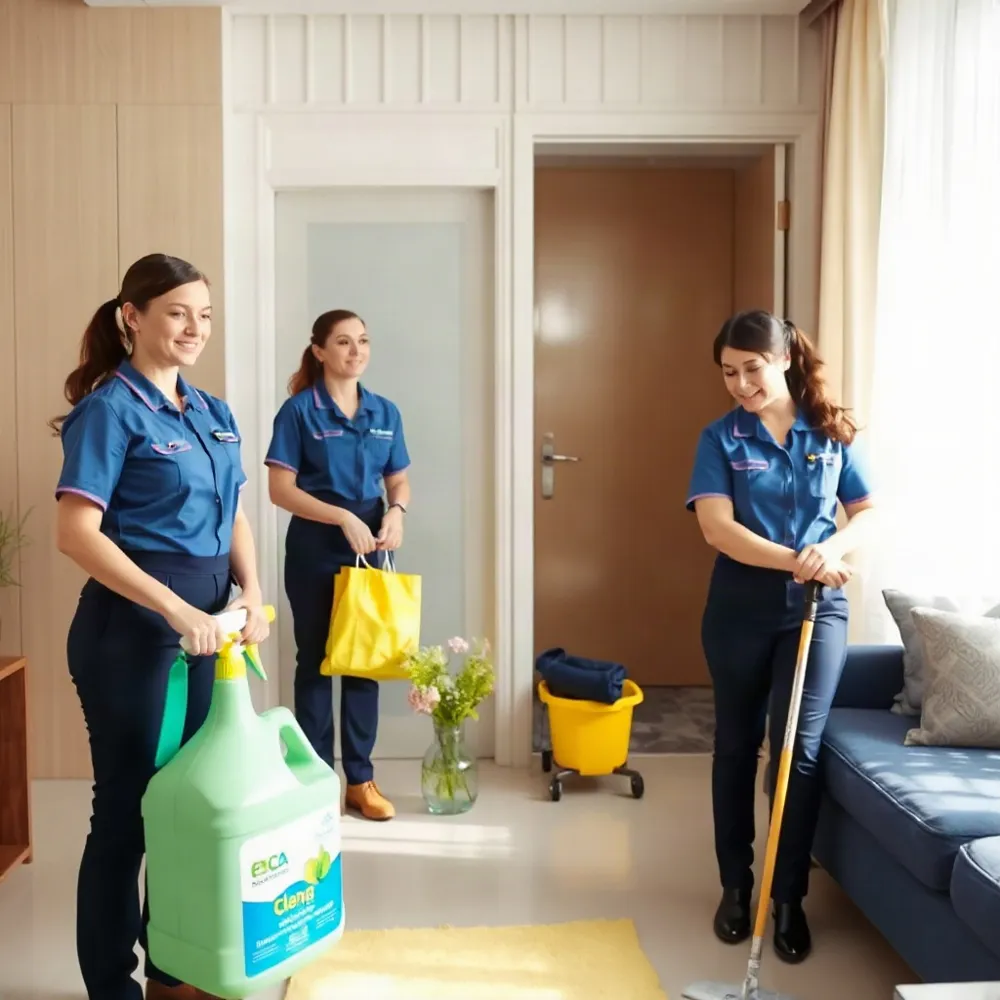
In professional cleaning, a dedicated cleaning team is far more than just a group of individuals assigned to the same building. It represents a systematic, coordinated approach where trained personnel operate as a unified unit, each specializing in specific tasks to maximize efficiency and quality. This model moves beyond the limitations of solo cleaners or fragmented services, providing a structured solution for maintaining both commercial and residential properties. The focus is on consistency, accountability, and delivering impeccable results tailored to the unique needs of each facility.
The Evolution in Cleaning Practices
For decades, the common approach in many industries was zone or individual cleaning, where one person handled all tasks—from dusting to mopping—in a single area. However, challenges like high labor turnover, inconsistent quality, and rising operational costs drove a shift. Businesses and property managers recognized the need for more reliable, scalable solutions. This historical progression led to the widespread adoption of team-based methods, which structure work around specialized roles rather than geographic zones, transforming cleaning from a basic chore into a systematic operational strategy.
The Core Concept of Specialization
The fundamental principle behind dedicated cleaning teams is specialization. By dividing responsibilities, team members become experts in their specific duties. For example, one specialist may focus solely on high-touch surface sanitization, while another manages deep carpet care and floor maintenance. This specialization leads to superior outcomes in several ways:
- Enhanced Speed & Efficiency: Eliminates time wasted switching between tasks and tools.
- Higher Quality & Consistency: Standardizes procedures so that restrooms, lobbies, and workspaces are cleaned to the same high standard every time.
- Improved Health & Safety: Allows for focused, thorough disinfection and the proper use of eco-friendly products and techniques.
- Better Problem Detection: Specialists are more likely to notice maintenance issues early, such as a developing carpet stain or a potential mold risk.
This systematic approach is equally effective for a bustling office tower requiring nightly cleaning and a residential property undergoing turnover preparation, ensuring every environment receives the detailed attention it requires.
A Summary of Core Principles
| Principle | Description | Key Benefit |
|---|---|---|
| Structured Coordination | Team members work in a defined sequence with clear communication and oversight. | Predictable workflow and seamless service with minimal disruption. |
| Role Specialization | Tasks are divided among experts (e.g., sanitation, vacuuming, detailing). | Mastery of specific tasks leads to faster, higher-quality results. |
| Standardized Processes | Every cleaning action follows a documented, repeatable method. | Guarantees consistent outcomes and simplifies quality control checks. |
| Strategic Resource Use | Teams are equipped with professional-grade, often eco-friendly, tools and products. | Ensures effective cleaning while supporting sustainability and safety goals. |
| Focused Accountability | Responsibilities are clearly assigned, making performance easy to track and manage. | Builds trust with clients and allows for continuous service improvement. |
The Anatomy of a High-Performance Cleaning Team

A Structured, Systematic Approach to Efficiency
The traditional model of assigning a single cleaner to handle all tasks in a designated zone often leads to inefficiencies and inconsistent results. In contrast, the team cleaning method is a structured, systematic approach where personnel work as a coordinated unit, each assigned to specific, specialized tasks. This transforms cleaning from a series of individual chores into a streamlined operation with clear accountability. The shift from zone cleaning to this collaborative model is driven by a need for predictability, cost control, and a higher standard of cleanliness, particularly in larger commercial facilities.
Specializing Tasks for Superior Results
The core of this high-performance model lies in moving away from the 'jack-of-all-trades' approach. Instead, labor is divided based on function, allowing each team member to master a set of specific skills. This specialization leads to faster execution, better attention to detail, and a more consistent application of cleaning procedures across the entire facility. It eliminates the wasted motion and time associated with a single person constantly switching between different tools and tasks. By focusing on a single role, cleaners become experts, ensuring that every restroom is sanitized with the same precision and every floor is vacuumed with the same thoroughness. This impact of task specialization on cleaning quality is fundamental to a successful operation.
Creating a Predictable and Efficient Workflow
This logical division of labor naturally creates a predictable and efficient workflow. Each specialist follows a defined route to complete their assigned duties, creating a reliable rhythm that minimizes downtime and overlaps. For example, a Collection Specialist might move through an office suite first to empty trash and clear surfaces, followed by a Vacuum Specialist, and finally a Utility Specialist for final floor care. This systematic progression ensures comprehensive coverage and allows supervisors to manage quality and performance with greater ease. The result is a reliable, repeatable process that delivers impeccable results on schedule, every time.
What are the four primary roles in a team cleaning system?
The four primary roles in a team cleaning system are the Collection Specialist, the Vacuum Specialist, the Restroom Specialist, and the Utility Specialist.
| Role | Primary Responsibilities | Key Tasks |
|---|---|---|
| Collection Specialist | Light-duty tidying and sanitizing | Empties trash, dusts surfaces, wipes desks, spot cleans spills. |
| Vacuum Specialist | Comprehensive floor care | Vacuums carpets and hard floors, edges, uses backpack vacuums. |
| Restroom Specialist | High-level sanitization | Cleans and disinfects fixtures, restocks supplies, scrubs floors. |
| Utility Specialist | General and intensive cleaning | Mops floors, cleans glass, spot cleans carpets, maintains lobbies. |
| Team Leader/Supervisor | Oversight and quality control | Coordinates workflow, performs inspections, provides real-time feedback. |
Unlocking Efficiency and Superior Quality

Tangible Benefits of a Team-Based Approach
The structured, collaborative nature of a team-based cleaning model transforms janitorial operations. This approach organizes staff into specialized roles—such as a light-duty specialist for dusting, a restroom sanitation expert, a vacuum specialist for floors, and a utility specialist for mopping. Each member focuses on their core task across the entire facility rather than one person handling all duties in a single zone. This division of labor unlocks significant operational advantages.
How Task Specialization Drives Efficiency
Specialization directly tackles inefficiency at its source. When a single cleaner is responsible for all tasks, they waste time constantly switching between tools, chemicals, and mindsets. A team system eliminates this wasted motion. Each specialist follows a defined route with their specific equipment, creating a predictable, assembly-line-like workflow. This focused approach reduces overall cleaning time, allowing a team to cover more square footage per labor hour. Furthermore, it lowers equipment costs for the service provider, as fewer sets of tools are needed overall compared to outfitting every individual cleaner.
The Impact on Quality Control and Consistency
A structured team approach makes quality control remarkably easier to manage. With clearly defined roles, supervisors can inspect specific tasks more effectively. Is there a problem with vacuuming patterns or restroom sanitization? The responsibility is clear, and corrective training can be targeted precisely. This system ensures tasks are performed the same way every time, leading to standardized, reliable results. The consistency is a stark contrast to the variability often seen in zone cleaning, where individual methods and priorities can differ widely. For clients, this means a uniformly pristine environment day after day, which is essential for maintaining property appeal for tenants and buyers.
Enhanced Supervision and Operational Flexibility
The clarity of a team structure simplifies management and enhances operational resilience. Training new employees is faster, as they only need to master one specialized set of tasks rather than the full spectrum of cleaning duties. If a team member is absent, a replacement can be slotted into that specific role without disrupting the entire cleaning schedule for a building. This flexibility is crucial for maintaining service continuity and addressing common industry challenges like labor shortages and high turnover rates.
A Comparative Look at Cleaning Methods
| Method | Core Principle | Key Advantage | Typical Challenge |
|---|---|---|---|
| Team Cleaning | Specialists for specific tasks (e.g., vacuuming, restrooms) | High efficiency, consistent quality, easier supervision | Requires coordination and initial training setup |
| Zone Cleaning | One cleaner handles all tasks in an assigned area | Simpler initial understanding for cleaner | Variable quality, inefficient tool switching |
| Individual Cleaning | Solo cleaner manages entire scope for a property | Low coordination needed | Scalability issues, potential for burnout |
The team cleaning model, as highlighted, is particularly effective in larger facilities with predictable schedules, such as office buildings, educational campuses, and healthcare facilities. It represents a strategic investment in both cleaning quality and long-term operational cost-effectiveness.
The Strategic Advantage for Property Management and Businesses

How Dedicated Teams Act as Strategic Partners for Property Managers
Leading janitorial service providers function as essential, strategic partners for property managers. They go beyond simple cleaning to offer single-source coordination, managing all cleaning needs from common areas to tenant spaces. This unified approach streamlines scheduling and ensures consistent quality standards, significantly reducing the administrative burden on property managers. By outsourcing to a dedicated cleaning team, managers gain access to specialized expertise and reliable service, allowing them to focus on higher-value tasks like tenant relations and strategic planning.
A dedicated team provides predictable operating expenses through fixed-cost contracts, eliminating the variable costs and logistical headaches of managing an in-house crew. This partnership is built on clear communication, often facilitated by an assigned account manager, ensuring that the property’s unique needs are understood and met precisely. The result is a seamless, efficient operation where cleanliness becomes a reliable asset rather than a recurring challenge.
| Partnership Element | Benefit for Property Manager | Operational Impact |
|---|---|---|
| Single-Source Coordination | Unified scheduling, consistent standards | Less administrative work, fewer vendors |
| Dedicated Account Manager | Clear point of contact, tailored service | Faster issue resolution, proactive planning |
| Fixed-Cost Contracts | Predictable operating expenses | Easier budgeting, no surprise costs |
| Specialized Industry Knowledge | Compliance with health and safety codes | Reduced risk of fines, higher tenant safety |
| Technology Integration | Real-time reporting and quality checks | Data-driven insights for continuous improvement |
Benefits: Preventive Maintenance, Preserving Asset Value, and Attracting/Retaining Tenants
Regular, professional cleaning is a powerful form of preventive maintenance. It prevents the slow, costly deterioration of property assets by removing harmful substances like grit, grime, and pollutants that wear down surfaces over time. For example, routine deep cleaning of carpets and upholstery removes embedded dirt that can break down fibers, significantly extending their lifespan and saving on premature replacement costs. This proactive care helps preserve the structural integrity and aesthetic appeal of the entire property.
This diligence directly preserves and can even enhance asset value. A well-maintained property with pristine lobbies, clean restrooms, and spotless exteriors creates an outstanding first impression. For prospective tenants, this signals a property that is cared for and professionally managed. This enhanced curb appeal is crucial for attracting high-quality tenants, reducing vacancy rates, and can even justify premium rental rates. For property owners, a clean, well-kept facility tends to retain or appreciate in market value, supporting stronger long-term investment returns.
Retaining current tenants is equally important. A consistently clean environment fosters tenant satisfaction and loyalty. When tenants see their common areas meticulously maintained and their concerns addressed promptly, they are more likely to renew their leases. This reduces costly turnover and the associated expenses of marketing, vacancy periods, and intensive turnover cleaning. Investing in a dedicated cleaning team thus becomes a strategic tool for stabilizing occupancy and protecting the property’s revenue stream.
The Role in Creating a Professional Image, Healthier Indoor Air, and Boosting Employee Productivity
A spotless commercial space is a direct reflection of a business’s professionalism and attention to detail. For property managers showcasing spaces to potential tenants, and for businesses hosting clients, a clean, fresh-smelling environment builds immediate confidence. It conveys that the company or property management cares about quality, which positively influences perceptions of the goods or services offered. A shoddy appearance, conversely, can imply neglect and harm a brand’s reputation.
The impact extends deeply into the health of the indoor environment. The air inside a business can be more polluted than outdoor air, with contaminants like dust, allergens, and pathogens circulating through HVAC systems. A dedicated cleaning team addresses this by using high-grade equipment like HEPA filtration vacuums and performing thorough disinfection of high-touch surfaces. By removing these pollutants and using safer, green cleaning products that avoid lingering toxins, they create a healthier workspace that can reduce the spread of illnesses and potential allergic reactions.
This healthier environment has a direct, positive effect on employee productivity and morale. Employees working in a clean, organized space tend to have higher job satisfaction, take more pride in their work, and are less likely to be absent due to illness. Studies show that poor indoor air quality can lower cognitive function and employee productivity, so maintaining a clean environment helps keep teams focused and efficient. Ultimately, the work of a dedicated janitorial team contributes to a more positive, productive, and profitable workplace culture, making it a cornerstone investment for any successful business.
The People Factor: Building and Motivating a Passionate Team

How do you motivate a cleaning team to meet high standards?
At Bravo Cleaning, we motivate our team by emphasizing that high cleaning standards are directly tied to safety and professionalism, creating a shared purpose. We foster healthy competition through recognition and incentives for exceptional work, similar to rewarding the cleanest stations. Ensuring equitable task distribution prevents burnout and promotes collective responsibility for outcomes. Most importantly, we empower our team by providing reliable, high-quality, eco-friendly cleaning products and techniques and equipment, making excellence achievable. This combination of clear purpose, fair systems, and proper support cultivates a motivated team dedicated to upholding our reputation.
Recruiting the Right People for Lasting Performance
Building a passionate cleaning team starts with hiring. We prioritize attitude, reliability, and work ethic over a perfect cleaning resume. Technical skills can be taught, but a strong sense of responsibility and pride in one’s work is foundational.
We look for candidates who understand that their role directly impacts client health, safety, and business image. This personal investment in our mission leads to higher job satisfaction and significantly lowers employee turnover, creating a stable, experienced crew. This approach is key to building a reliable cleaning team for consistent results.
Comprehensive Training and Clear Role Definitions
Once onboard, every team member undergoes rigorous training. This goes beyond basic techniques to include our eco-friendly cleaning solutions protocols, specialized equipment use, and industry-specific standards for different properties.
We define roles clearly, whether someone is a light-duty specialist, a floor care expert, or a restroom sanitation specialist. This clarity, supported by detailed checklists and standard operating procedures, ensures consistent, high-quality results. It also allows new employees to master their tasks quickly and confidently, embodying team cleaning best practices.
Fostering a Positive Culture and Recognizing Excellence
A positive work environment is critical for retention. We offer competitive compensation, comprehensive benefits, and clear paths for career advancement. Regular team meetings and open communication channels ensure everyone feels heard and valued.
We actively celebrate successes, both team-wide and individual. Recognizing hard work—whether through formal incentives or simple acknowledgment—boosts morale and reinforces our high standards. This culture of appreciation transforms a group of individuals into a dedicated, cohesive team passionate about delivering impeccable service.
Key Elements for a Strong Cleaning Team
| Element | Primary Focus | Outcome for Client |
|---|---|---|
| Recruiting | Attitude & reliability | Consistent, trustworthy service |
| Training | Role-specific skills & protocols | High-quality, standardized results |
| Culture | Recognition & career growth | Low turnover, invested team |
| Management | Clear communication & support | Proactive problem-solving |
| Tools | Quality equipment & eco-friendly cleaning products and techniques | Efficient, healthy environments |
Aligning Team Strengths with Client Needs
We match individual team members' strengths to the right roles and client settings. A detail-oriented person thrives in a healthcare facility, while an adaptable individual excels in a dynamic office building.
This personalized matching ensures our staff is engaged and our clients receive service tailored to their unique environment. It’s a core part of how we deliver customized cleaning solutions for every residential or commercial property we serve.
Tailored Solutions from Turnover to Daily Care

How dedicated teams excel in specialized services like turnover cleaning and deep carpet care.
Commercial cleaning is more than a general wipe-down. It involves deep, restorative work that protects property value and ensures health. Dedicated teams are structured to master these complex services. Their systematic approach divides specialized tasks among experts, ensuring peak efficiency and consistent, high-quality results.
For example, property turnover cleaning is a critical moment. A single oversight can delay leasing and affect rental income. A dedicated team handles this pressure with precision. They deploy specialists for tasks like intensive sanitization of kitchens and bathrooms, steam cleaning carpets, and detailed appliance cleaning. This division of labor means each task receives expert attention, making the property look brand-new and accelerating tenant transitions.
Deep carpet care is another area where specialization shines. Carpets trap allergens, dust mites, and stubborn stains that regular vacuuming misses. A dedicated team uses specialists trained in advanced techniques and commercial-grade equipment, like truck-mounted extraction systems. They don't just clean the surface; they remove deep-seated dirt and pathogens, extending the carpet's life, improving indoor air quality, and enhancing the overall aesthetic of a workspace or rental unit.
The ability to customize schedules and services for specific industry needs (e.g., offices, healthcare, residential).
Every facility has unique rhythms, traffic patterns, and compliance requirements. A cookie-cutter cleaning plan is ineffective. The true value of a dedicated cleaning team lies in its flexibility and ability to tailor services precisely. This customization ensures minimal disruption and maximum impact, whether for an office building, a medical facility, or a residential apartment complex.
Effective management starts with a detailed assessment. A dedicated account manager analyzes the facility's scope of work, industry standards, and operational hours. Based on this, they engineer a custom cleaning process. For a corporate office, this might mean after-hours or weekend cleaning to avoid disturbing employees. The plan would prioritize high-touch surface disinfection, floor care in common areas, and maintaining a pristine professional image for clients.
Healthcare facilities and educational institutions demand even more specialized approaches. Teams are trained in protocols from bodies like the CDC and FDA. Services are scheduled around patient care or class times, with a sharp focus on infection control, restroom sanitation, and using hospital-grade disinfectants. For property managers overseeing residential buildings, services are tailored to tenant turnover cycles, combining move-in/move-out deep cleans with regular maintenance of lobbies, hallways, and amenities.
This strategic customization extends to service frequency. Plans can be structured as daily, weekly, or monthly, aligning perfectly with a business's budget and operational needs. The result is a predictable, cost-effective partnership that adapts as the client's needs evolve.
The role of eco-friendly products and advanced techniques in delivering impeccable, sustainable results.
Today's commercial cleaning goes beyond appearance; it's about creating a healthy, sustainable environment. Dedicated teams leverage green cleaning solutions and advanced methodologies to achieve impeccable results that are safe for occupants, staff, and the planet. This commitment is a cornerstone of modern, responsible property and facility management.
Eco-friendly products are formulated to be effective without harsh chemicals, toxins, or strong perfumes that can trigger allergies or respiratory issues. Using EPA Safer Choice certified or Green Seal products reduces potential health risks for employees and tenants. These solutions are gentle on surfaces like hardwood floors and delicate tiles, preventing long-term damage and preserving assets. They also contribute to better indoor air quality—a significant concern, as indoor air can be more polluted than outdoor air.
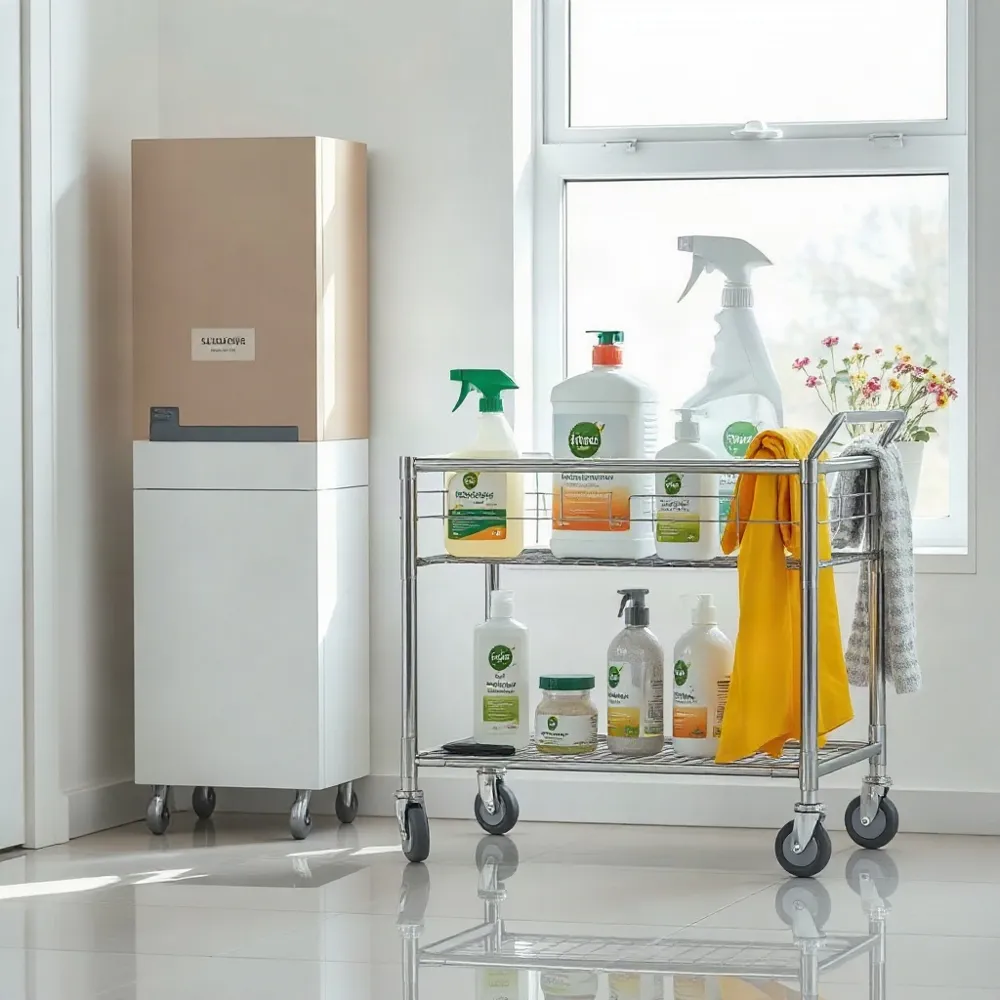
Advanced techniques, such as the structured team cleaning method, are equally important. This systematic approach isn't just about speed; it enhances quality control and reduces waste. Specialists use high-efficiency particulate air (HEPA) filtration vacuums to capture microscopic allergens. Color-coded microfiber cloths and mops prevent cross-contamination between areas like restrooms and kitchens. Advanced carpet cleaning methods ensure deep sanitization without leaving harmful residues.
Together, these practices support broader sustainability goals. They minimize environmental harm, reduce waste from disposable supplies, and help properties pursue certifications like LEED. For clients, this means a cleaner, healthier space that aligns with their corporate values, boosts employee morale, and presents a positive, professional image to all who enter.
| Service Specialty | Key Customization Aspect | Benefit for Client |
|---|---|---|
| Property Turnover Cleaning | Intensive deep clean & sanitization cycle | Faster lease-ups, preserves asset value |
| Daily Office Maintenance | After-hours scheduling & high-touch focus | Uninterrupted operations, healthier staff |
| Healthcare Facility Cleaning | CDC protocol training & infection control | Compliance, patient & staff safety |
| Carpet & Upholstery Care | Advanced extraction & eco-friendly solutions | Longer asset life, improved air quality |
| Retail & Hospitality | Flexible peak-time scheduling & detail focus | Enhanced customer experience, positive reviews |
A Practical Tip for Home and Small Business Owners
What is the 20 minute rule for effective cleaning?
The 20-minute rule for effective cleaning is a productivity technique where you focus on cleaning tasks for 20 minutes, followed by a 10-minute break. This method breaks down overwhelming chores into manageable, timed sprints, making it easier to start and maintain momentum. The short, dedicated bursts of effort help prevent burnout and keep motivation high. By consistently applying these focused intervals, you can gradually tackle larger cleaning projects without feeling drained. It's a practical strategy to maintain a cleaner home through sustainable, repeated effort.
Introducing a Simple Technique Inspired by Professional Efficiency
Professional cleaning teams use systematic approaches to achieve impeccable results. They divide large spaces into specific zones and assign specialists to focused tasks, like dusting or vacuuming. This structure prevents wasted motion and ensures every detail is covered efficiently.
You can apply a similar principle on a smaller scale. The 20-minute rule is your personal version of task specialization. Instead of trying to clean an entire house or office at once, you dedicate a short, focused period to one specific area or chore.
This mirrors how a dedicated cleaning team would handle a facility, with clear roles and predictable workflows. For a small business owner, this could mean spending 20 minutes sanitizing high-touch surfaces in the morning before opening, a task professional teams perform with precision to ensure a safe and healthy workspace cleaning.
How Focused Intervals Make Cleaning More Manageable
Large cleaning projects can feel daunting, leading to procrastination. The 20-minute rule tackles this by making the commitment small and achievable. Knowing you only have to work for a brief period lowers the mental barrier to starting.
During each 20-minute session, concentrate on a single type of task. For example:
- Session 1: Wipe down all kitchen countertops, appliances, and cabinet fronts.
- Session 2: Vacuum the living room carpet and area rugs.
- Session 3: Clean and disinfect bathroom sinks, mirrors, and fixtures.
This focused approach prevents the inefficiency of constantly switching between different tools and supplies, a key advantage professional teams gain through their structured team cleaning methods. The scheduled 10-minute breaks are crucial for maintaining energy and preventing the physical strain that can lead to burnout, whether for a homeowner or an employee.
Connecting to the Systematic Approach of Professional Teams
The disciplined rhythm of the 20-minute rule reflects the core operational strategy of successful commercial cleaning services in Boston. Professional teams rely on defined roles, clear schedules, and consistent routines to deliver reliable, high-quality results.
Adopting this timed-interval method brings that same level of organization and predictability to your personal or small business cleaning routine. It transforms cleaning from a sporadic, overwhelming chore into a regular, manageable part of your schedule.
Just as property managers depend on professional janitorial services for consistent upkeep to protect their investment, you can use this simple technique to maintain your space proactively. It helps prevent the accumulation of grime and clutter that requires deep cleaning later, aligning with the long-term maintenance benefits professional janitorial services provide for commercial assets.
| Principle | Professional Team Application | Your 20-Minute Rule Application |
|---|---|---|
| Task Specialization | Light duty specialist dusts, vacuum specialist cleans floors. | Focus 20 minutes solely on dusting or solely on vacuuming. |
| Predictable Workflow | Teams follow defined routes for efficiency. | Schedule 20-minute sessions at consistent times (e.g., daily, weekly). |
| Consistent Quality | Standardized procedures ensure reliable results. | Repeated focused efforts maintain a baseline of cleanliness. |
| Manageable Workloads | Tasks are distributed to prevent employee burnout. | Short sessions prevent you from feeling overwhelmed or exhausted. |
Conclusion: The Lasting Value of a Dedicated Partnership
More Than Just a Clean Floor
Choosing to partner with a dedicated commercial cleaning team goes far beyond a simple transaction for a tidy space. It is a strategic decision for any property manager or business owner. A dedicated team becomes an extension of your own operations, delivering consistent, high-quality results that protect your investment, support your people, and enhance your reputation.
Reliability and Trust as Cornerstones
A dedicated team provides a level of reliability that ad-hoc or high-turnover services cannot match. With a single point of contact and a familiar crew, communication is streamlined, and accountability is clear. This partnership means your facility's unique needs are understood and met without fail. You gain peace of mind, knowing that a trusted partner is proactively caring for your property, often identifying minor issues before they become costly problems.
A Tangible Investment in Value and Health
Professional cleaning is an investment with measurable returns. Regular, expert maintenance directly preserves the lifespan and appeal of assets like carpets, flooring, and fixtures, delaying costly replacements. More importantly, it safeguards the health of everyone who enters the building. By using effective, often eco-friendly products and advanced techniques to remove allergens and pathogens, dedicated teams contribute to a healthier environment, which can lead to reduced absenteeism and higher productivity.
Partnering for Long-Term Success
The true value of a dedicated cleaning partnership is realized over time. It’s about aligning with a company that views your success as its own. For lasting results, it’s crucial to partner with an experienced, locally-rooted professional cleaning company. Their community commitment, deep understanding of local needs, and long-term focus ensure you receive not just a service, but a true partnership dedicated to the ongoing success of your property and business.
Recent articles