Green Cleaning Statistics: The Rise and Impact of Eco-Friendly Cleaning Services


The Green Cleaning Movement Unveiled
The rise of eco-friendly cleaning is reshaping how consumers, businesses, and industries approach housekeeping and sanitation. Driven by growing health concerns, environmental awareness, and regulatory pressure, green cleaning solutions promise safer, more sustainable alternatives to conventional products laden with harsh chemicals. This article delves into the compelling statistics underpinning this trend, explores the innovations transforming the market, and examines the broad impact of eco-friendly cleaning services on health, operations, and the environment.
Rapid Growth of the Eco-Friendly Cleaning Market
What is the current size and growth forecast of the eco-friendly cleaning services market?
The global eco-friendly cleaning services market size reached a valuation of $8.8 billion in 2025. Forecasts project a robust compound annual growth rate (CAGR) of 9.7% from 2025 to 2033, driving the market size to an impressive $14.5 billion by 2033. This strong growth underscores rising demand for Sustainable Cleaning Products globally.
What are the major drivers fueling this growth?
Key factors propelling the market include heightened consumer awareness of environmental issues and a growing preference for Green living consumer demand. Corporate social responsibility (CSR) in cleaning initiatives and the increasing demand for Eco-friendly cleaning products further support expansion. These drivers reflect a societal shift toward Conscious Consumption and Cleaning.
Which application sectors contribute most to the market?
Residential and commercial sectors are the primary contributors. Residential cleaning services are experiencing rapid growth, fueled by increased health consciousness and disposable incomes. Commercial and industrial cleaning segments continue expanding, driven by stricter hygiene standards and sustainability goals in workplaces.
Which regions lead the market, and which are emerging?
North America leads the market, accounting for the entire $8.8 billion revenue in 2025. Other significant regions include Europe, Asia-Pacific, Latin America, and the Middle East & Africa, all experiencing notable growth due to urbanization, rising environmental awareness, and regulatory support.
Who are key market players and what trends shape the industry?
Leading U.S.-based companies such as Eco Clean, Clean House, The Maids, and Green Clean actively shape the market landscape. Industry trends include adoption of Natural Household Cleaners Market, Eco-Friendly Packaging, Smart cleaning devices, Subscription cleaning services, and targeted efforts to Reducing pollution with green cleaning, all enhancing sustainability and customer engagement.
Health and Environmental Benefits of Green Cleaning

How does green cleaning reduce health risks?
Green cleaning products help reduce health risks by containing fewer volatile organic compounds (VOCs) and avoiding harmful chemicals like ammonia, chlorine, and phthalates. These substances are known triggers for respiratory problems, skin irritation, asthma, and allergic reactions. By eliminating these toxic chemicals, green cleaning products create safer environments for occupants and cleaning staff (Benefits of Green Cleaning; Household use of green cleaning products).
In what ways does green cleaning improve indoor air quality?
Green cleaning improves indoor air quality by minimizing the emission of VOCs and synthetic fragrances. These emissions can cause asthma attacks, headaches, and respiratory discomfort. Using eco-friendly products results in healthier indoor environments, which can lead to enhanced productivity and comfort for workers and residents alike (Improving Indoor Air Quality; Green cleaning benefits).
What environmental advantages do eco-friendly cleaning products offer?
Eco-friendly cleaning solutions utilize biodegradable ingredients that break down rapidly, preventing water pollution and reducing harm to aquatic ecosystems (Environmental Impact of Eco-Friendly Cleaning). They are often packaged in recyclable or refillable containers, significantly minimizing plastic waste and lowering overall carbon footprints. These practices contribute to a healthier planet and promote sustainability (Sustainable Cleaning Products and Packaging; Green Cleaning Guide Recommendations).
Are green cleaning products safer for children and pets?
Yes, green cleaning products are designed to be safer for vulnerable populations such as children and pets. They avoid toxic substances and certain essential oils that can be harmful, reducing health risks associated with accidental exposure or ingestion (Safe Cleaning for Children and Pets; Pet-Safe Green Cleaning Products). This makes them an excellent choice for households with kids and animals (Eco-Friendly Cleaning and Mental Tranquility).
How do certifications support the integrity of eco-friendly cleaning products?
Certifications like EPA Safer Choice, Green Seal, EcoLogo, and USDA BioPreferred validate that cleaning products meet strict criteria for human health and environmental safety. They help consumers avoid misleading claims by ensuring products are truly eco-friendly and effective, fostering trust and encouraging wider adoption of green cleaning practices (Avoiding Greenwashing in Cleaning Products; EPA Safer Choice certification).
Economic and Operational Impacts of Adopting Green Cleaning
What are the cost implications of switching to green cleaning products?
Though green cleaning products may come with higher upfront costs, they provide substantial long-term financial benefits. Businesses save through reduced chemical inventories and less waste, as many green products are highly concentrated and require smaller quantities. This consolidation also lowers training time and associated expenses. Furthermore, eco-friendly products typically cause less damage to equipment, reducing replacement costs. Overall, operational efficiencies balance initial investments, making green cleaning a cost-effective choice over time.
How does green cleaning affect workplace health and liability?
Green cleaning significantly improves workplace health by reducing exposure to harmful chemicals commonly found in traditional products. This decreases the frequency of respiratory issues, skin irritations, and other health problems among workers. Consequently, organizations experience fewer workers' compensation claims and diminish potential legal liabilities linked to chemical exposure. Such risk reduction also minimizes the chances of costly regulatory fines (Benefits of green cleaning products and worker safety).
Can green cleaning improve productivity and corporate image?
Yes, adopting green cleaning boosts indoor air quality, which positively affects worker morale, attendance, and productivity. Employees benefit from a healthier environment with fewer allergens and irritants. On the corporate side, businesses enhance their brand reputation by demonstrating commitment to Corporate social responsibility (CSR) in cleaning. This appeal attracts eco-conscious customers and helps differentiate the company in competitive markets.
How does green cleaning aid regulatory compliance?
Using third-party certified products like Green Seal certification benefits and EPA Safer Choice certification ensures compliance with stringent environmental and safety standards. These certifications assist businesses in meeting local and national regulations aimed at reducing harmful chemical exposures. By aligning with evolving policies, companies avoid fines and penalties, ensuring smoother operations and reinforcing their commitment to safety and sustainability (Regulatory compliance in green cleaning industry.
In summary, while green cleaning may require an initial investment, the economic advantages through Long-tail cost savings of green cleaning, reduced health risks, enhanced productivity, improved brand image, and assured regulatory compliance represent compelling reasons for businesses to transition to Sustainability in Cleaning.
Technological Innovations Propelling Sustainable Cleaning
What innovative technologies are shaping the green cleaning industry?
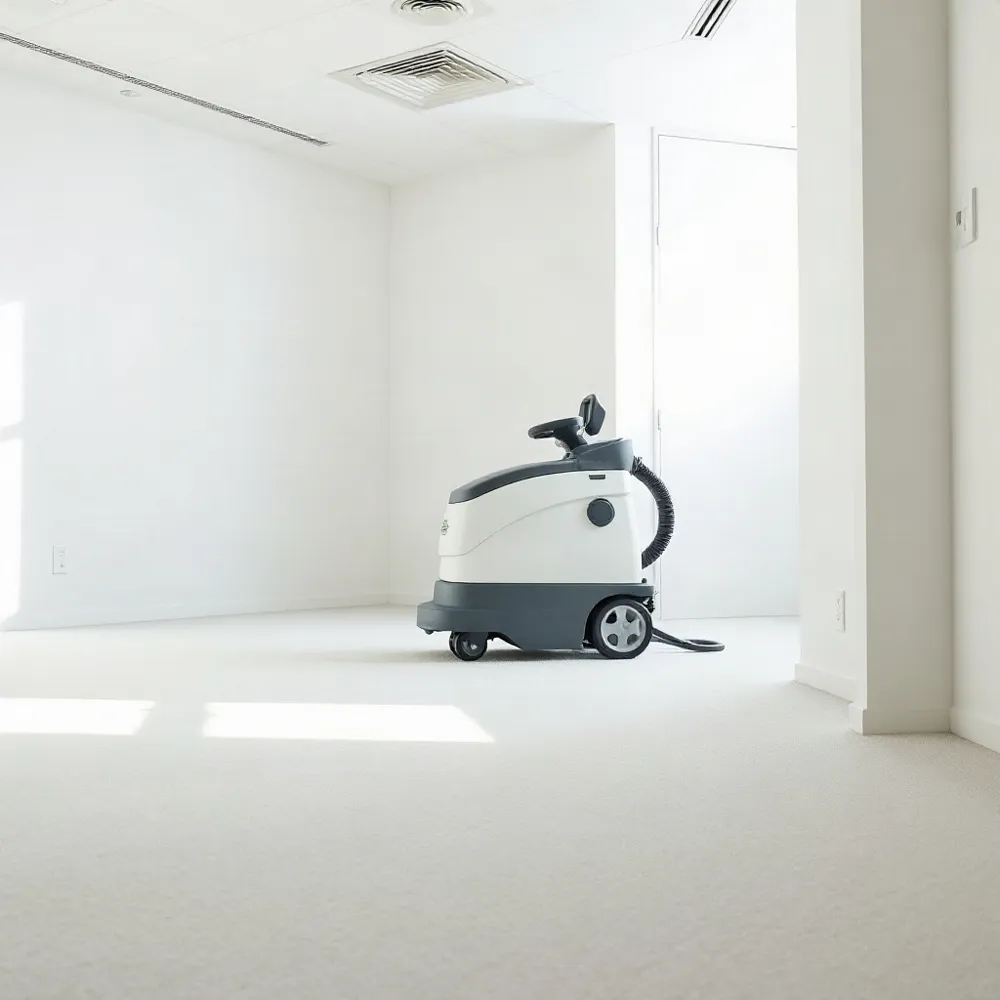
Emerging technologies significantly enhance eco-friendly cleaning efficiency and adoption. Innovations such as IoT-enabled dispensers enable precise dosing of cleaning agents, reducing waste. App-integrated scheduling systems simplify service management and customer engagement. Advanced tools like dry steam cleaners and electrolyzed water systems offer chemical-free cleaning alternatives. Robotic cleaning automation further boosts consistency and labor efficiency while minimizing environmental impact.
How are new cleaning agents contributing to eco-friendly practices?
The development of plant-based cleaners harnessing natural disinfecting properties from citrus extracts and essential oils. Enzymatic cleaners using biodegradable enzymes break down organic matter efficiently. Biodegradable polymers derived from renewable resources reduce long-term ecological footprints. Concentrated formulas minimize packaging and transportation needs, contributing to sustainability without compromising cleaning effectiveness.
What sustainable packaging solutions are being adopted?
Sustainable packaging strategies focus on refillable containers that cut plastic use. Recyclable and compostable materials are increasingly standard, reducing landfill waste. Waterless product formats decrease shipping weight and plastic volume, further lowering carbon footprints. These packaging innovations align with consumers’ growing preference for environmentally responsible products.
How does technology improve market accessibility and service delivery?
Technology advances foster greater accessibility through on-demand and subscription-based cleaning services accessible via mobile apps. IoT features enable real-time supply level tracking, automatic ordering, and smart integration of eco-certifications, boosting transparency and trust. Such conveniences encourage consumer adoption and support efficient, sustainable cleaning operations.
In summary, technological innovations from advanced machinery to sustainable materials and digital platforms are vital to the continued growth and environmental benefits of the green cleaning industry.
Consumer Trends and Market Dynamics Driving Green Cleaning Adoption
How has consumer behavior shifted towards eco-friendly cleaning products?
Consumer behavior in the cleaning products market has notably shifted, with over 37% of consumers now willing to pay a premium for green cleaning products. This trend is fueled by growing health concerns and heightened environmental awareness. Shoppers increasingly seek safer, natural alternatives to traditional chemical-based cleaners, contributing to the rising demand and adoption of eco-friendly options.
What demographic or health trends influence green cleaning preferences?
The preference for green cleaning products is particularly strong among families with children and pets, who prioritize safety and reduced exposure to harsh chemicals. Allergy sufferers and environmentally conscious individuals also drive demand, motivated by risks of asthma, skin irritation, and long-term health effects from conventional cleaning agents. This demographic's increased awareness fosters a move toward hypoallergenic and non-toxic cleaning solutions.
How are sales channels adapting to these trends?
Retail and distribution channels are evolving to meet the surge in eco-friendly product demand. Online sales platforms and subscription-based services have expanded rapidly, offering consumers convenient access to natural household cleaners. This digital growth enhances market reach and encourages repeat purchases through regular delivery models, helping brands build loyalty and address consumer preferences for sustainability and transparency.
What role do regulations and certifications play in market growth?
Government regulations that limit harmful chemicals and promote sustainable practices have significantly shaped market expansion. Third-party certifications—such as Green Seal and EPA Safer Choice certification—serve as trustworthy assurances of product safety and environmental responsibility. These certifications help consumers avoid misleading claims and encourage manufacturers to adopt greener formulations, thus reinforcing consumer confidence and accelerating market growth.
This combination of shifting consumer values, health-driven choices, innovative sales models, and regulatory support is shaping the future of the green cleaning industry, making eco-friendly products more mainstream and accessible than ever before.
Challenges and Future Outlook of Green Cleaning Services
What challenges does the green cleaning industry face?
The green cleaning sector encounters several barriers, starting with higher upfront costs for eco-friendly cleaning products compared to traditional cleaners. Many consumers and businesses hold misconceptions, doubting the effectiveness of green products which can slow adoption. Regulatory complexities also pose challenges as differing standards and government regulations on cleaning products across regions create difficulties in compliance.
Greenwashing, where companies exaggerate or falsely claim environmental benefits, undermines market trust. Supply chain disruptions and labor shortages further strain the industry's growth potential.
How are companies addressing these challenges?
To combat skepticism and regulatory issues, companies emphasize transparent certifications such as Green Seal certification and EPA Safer Choice certification to assure authenticity. Consumer education is prioritized to dispel myths around green product efficacy.
Technological innovation is helping reduce costs by improving product concentrations and delivery methods. Businesses are also branching out into niche markets like healthcare cleaning services and sustainable building maintenance, leveraging specialized expertise.
What new business opportunities are emerging?
Expanding consumer demands open niches like pet-friendly and allergy-free cleaning services, which address safety concerns for vulnerable groups. Post-construction and medical cleaning services represent lucrative specialized segments.
Subscription-based green cleaning service models are gaining popularity, providing convenience and steady revenue. Such offerings align with consumer preferences for flexible, eco-conscious solutions.
What is the future outlook for the green cleaning industry?
The future remains bright as the industry projects robust growth with compound annual growth rates between 9% and 12%. This is fueled by advancing green technologies and eco-friendly cleaning practices, stringent governmental regulations, and increasing consumer environmental awareness.
Sustainability commitments by businesses and rising demand for healthy indoor environments will continue to propel innovation and market expansion in the coming decade.
Green Cleaning: A Sustainable Path Forward
The statistics and trends clearly indicate that green cleaning is no longer a niche but a vital segment transforming how we maintain health, hygiene, and environmental stewardship. As consumers increasingly prioritize safer, sustainable products and businesses reap operational and reputational benefits, the eco-friendly cleaning industry is poised for continued expansion and innovation. Navigating challenges through education, certification, and technology will be key to maximizing green cleaning’s positive impact for people and the planet.
Recent articles