Tailored Cleaning Solutions That Cut Operating Costs for Property Managers

Introduction
Customized cleaning is a strategic advantage for property managers because it aligns service frequency, methods, and product choices with each building’s occupancy patterns and tenant expectations. By tailoring schedules to high‑traffic zones and vacancy cycles, managers avoid unnecessary labor, reduce chemical waste, and keep units market‑ready faster, which directly improves cash flow. The cost‑saving toolbox includes automation (robotic scrubbers that cut cleaning time by up to 70%), bulk purchasing and auto‑dilution of eco‑friendly chemicals, bundled service contracts that lock in rates and earn volume discounts, and comprehensive staff training that minimizes re‑work and injury claims. Together, these practices lower labor, material, and administrative expenses while enhancing tenant satisfaction and property value.
Optimizing Turnover Cleaning for Cost Efficiency

Apartment turnover cleaning checklist
A thorough apartment turnover cleaning checklist for Minneapolis properties includes:
- Remove all personal items and trash.
- Dust ceiling fans, light fixtures, and vents.
- Clean windows, sills, and tracks.
- Wipe down all interior doors and door frames.
- Kitchen cleaning: cabinets, countertops, sink, appliances (inside oven and refrigerator), and mop floor.
- Clean bathrooms: scrub toilets, showers/tubs, sinks, mirrors, and mop floor.
- Vacuum and mop all flooring, paying special attention to high‑traffic areas.
- Spot‑clean carpets and address any stains.
- Check and replace burnt‑out light bulbs.
- Ensure all HVAC filters are clean.
- Perform a final walkthrough to verify no areas are missed.
Turnover cleaning costs per hour
In the Minneapolis‑St. Paul metro area, Turnover cleaning rates: $30‑$45 per hour per cleaner. The exact rate depends on unit size, depth of cleaning required, and any added services such as carpet care or eco‑friendly product usage. Bravo Cleaning’s transparent hourly pricing starts at $30 per hour for standard units, rising toward $45 per hour for larger spaces or specialized eco‑cleaning, A free on‑site estimate ensures managers know the final cost before work begins.
Apartment turnover cleaning prices
Typical pricing in Minneapolis is:
- One‑bedroom: $120 – $180
- Two‑bedroom: $180 – $250
- Three‑bedroom: $250 – $350 These rates cover a complete kitchen and bathroom clean, carpet spot‑treatment, and appliance cleaning. Prices increase for heavily soiled units, larger footprints, or extra services like window washing or deep‑carpet shampoo. Compared with national averages of $157‑$296 for standard apartment cleaning, Bravo Cleaning’s rates are competitive, reflecting over 20 years of local expertise and eco‑friendly practices. For precise budgeting, a free estimate that accounts for square footage, bathroom count, and special requests is recommended.
Customized Cleaning: Tailoring Services to Property Needs

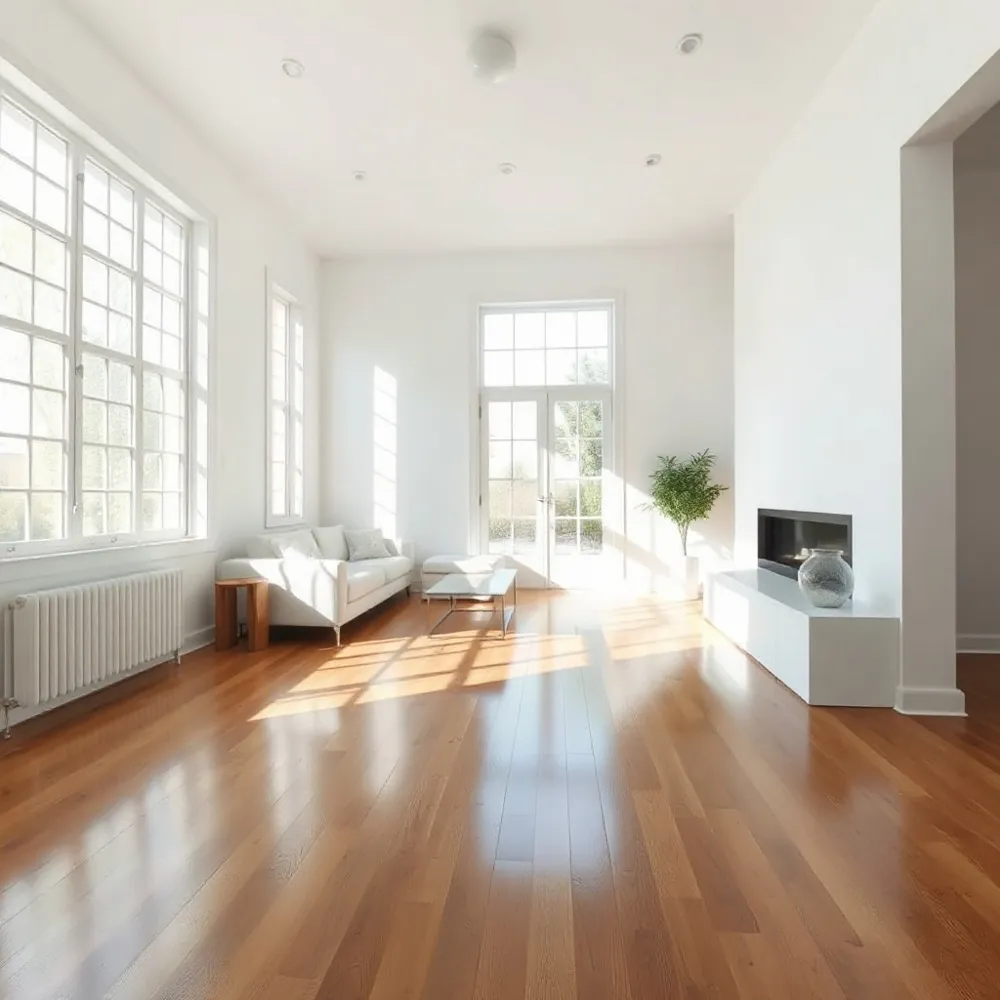
Customized cleaning is a service that is tailored to the unique requirements of each space, property, or business rather than using a one‑size‑fits‑all approach. By assessing factors such as foot traffic, industry‑specific hazards, and the client’s schedule, the cleaning team creates a plan that targets the exact areas and tasks that matter most. This results in higher‑quality, more efficient cleaning—whether it’s removing grease in a restaurant kitchen, focusing on sanitization in a medical office, or providing intensive turnover cleaning for apartments and condos.
Benefits of tailored schedules include reduced labor hours, lower chemical waste, and the ability to align cleaning frequency with occupancy patterns, which can cut operating costs by up to 20 % (ISS A, 2024). Eco‑friendly products further amplify savings by decreasing hazardous waste disposal fees and improving indoor air quality, supporting LEED and WELL certifications. Property managers who adopt customized, green cleaning programs report higher tenant satisfaction scores and shorter vacancy periods, translating directly into increased revenue and property value.
Property Management Cleaning: Scope and Value

Property management cleaning is a specialized service that keeps rental and commercial properties in pristine condition for owners, tenants, and visitors. It includes deep‑cleaning of apartments, condos, and shared spaces such as hallways, fitness centers, pool areas, and dining rooms, with a focus on turnover cleaning when renters move in or out. Technicians treat carpets, upholstery, and hard floors, apply grout sealants, and may disinfect air ducts to protect health and extend the life of the building’s assets. The service is designed to be reliable, efficient, and environmentally friendly, helping property managers maintain high occupancy rates and reduce costly repairs.
Tenant satisfaction rises when common areas are consistently clean; surveys show 78 % of tenants consider cleanliness a key factor in lease renewal, and professional cleaning can cut complaints by up to 25 %.
Lifecycle cost reduction comes from automated floor scrubbers that cut cleaning time by 70 %, eco‑friendly chemicals that lower disposal fees, and regular carpet care that extends carpet life by 20‑30 %, together saving thousands of dollars annually.
Pricing Realities: Hourly Rates and Value Assessment

Is $50 an hour good for house cleaning? In Minneapolis, standard house‑cleaning rates range from $30 to $45 per hour. A $50‑per‑hour charge sits above the local average and is generally viewed as a premium price. This premium is justified when the service includes deep‑cleaning, move‑out preparation, carpet‑care, or specialized eco‑friendly products, all of which require additional time, equipment, or expertise. Reputable, locally owned firms such as Bravo Cleaning often charge $50/hr because of their experienced staff, green‑product use, and strong community reputation; for basic cleaning, a slightly lower rate may offer comparable value.
Turnover cleaning costs per hour? Professional turnover cleaning in the Minneapolis‑St. Paul area typically runs $30‑$45 per hour per cleaner. Rates vary with unit size, depth of cleaning, and optional services like carpet extraction or green chemicals. Bravo Cleaning starts at $30/hr for standard units and may approach $45/hr for larger spaces or premium eco‑cleaning, with transparent on‑site estimates provided beforehand.
How much does turnover cleaning cost? Turnover (move‑out) cleaning usually falls between $100 and $355, depending on unit size and condition. Studios or one‑bedrooms cost $100‑$150; two‑bedrooms $150‑$250; three‑plus‑bedrooms $250‑$355. Add‑on carpet or upholstery cleaning can add $50‑$100 per room. Bravo Cleaning offers free, customized quotes and uses experienced staff with eco‑friendly products to protect both tenant health and property investment.
Technology and Training: Driving Efficiency

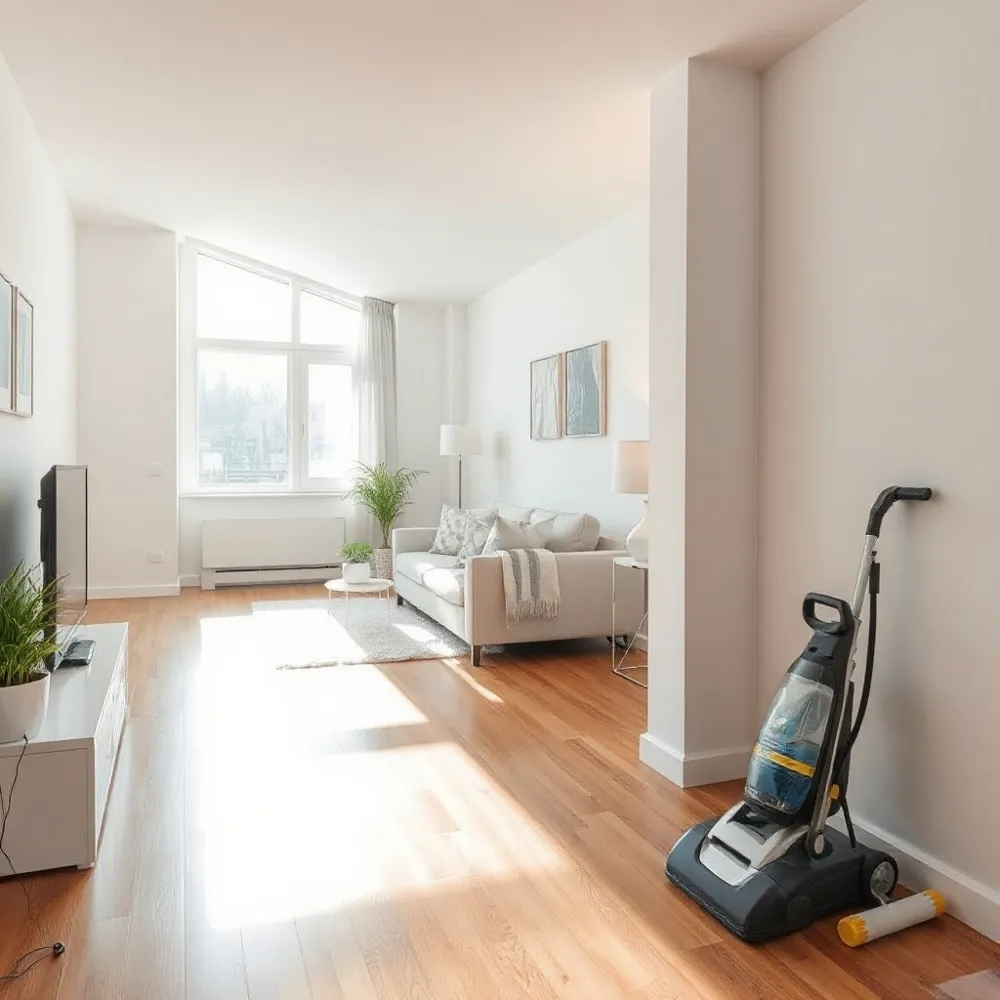
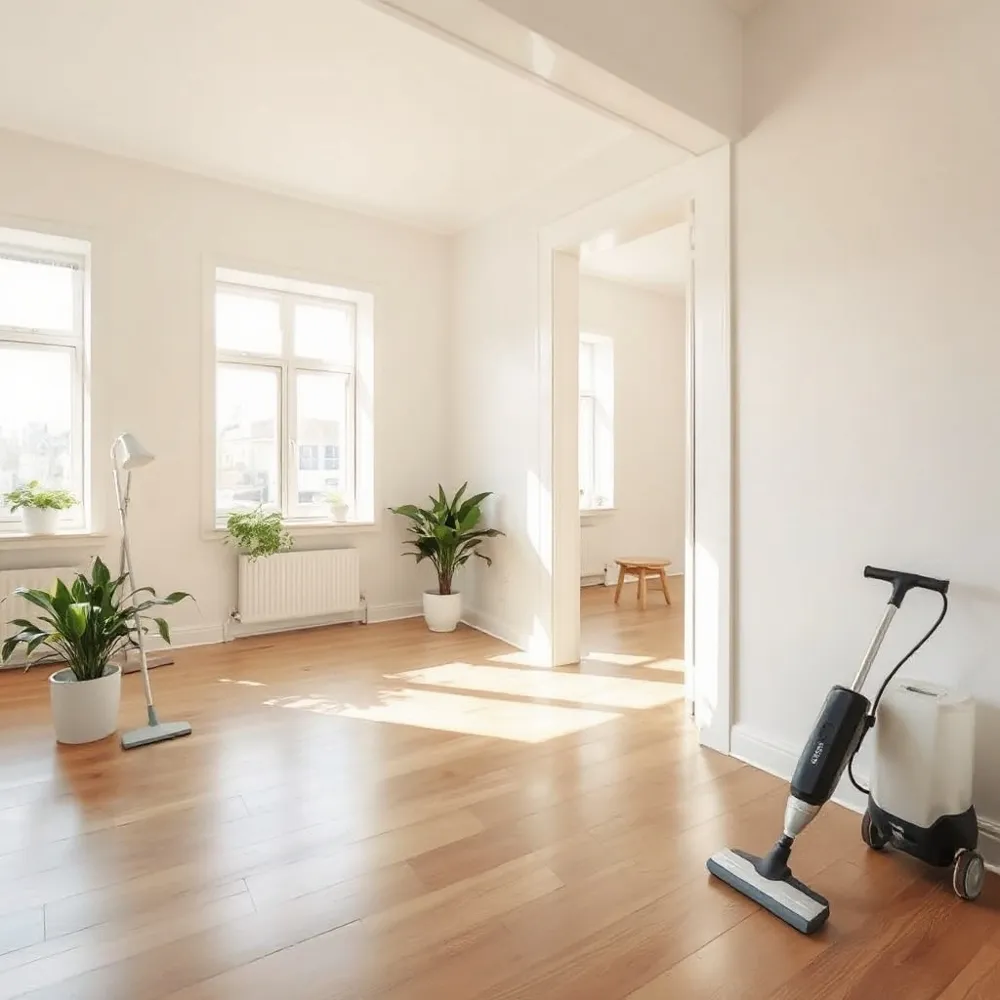
Modern property managers are leveraging automation and targeted training to slash cleaning costs while boosting service quality. [Automated floor‑cleaning] machines—such as [backpack vacuums and cylindrical‑brush scrubbers]—can reduce cleaning time for a 5,000‑sq‑ft area from two hours to just 15‑30 minutes, allowing a smaller crew to cover more ground (University of Minnesota). Investing in the latest scrubbers also improves labor productivity versus older equipment. On the training side, the International Sanitary Supply Association’s [CIMS certification] has proven its value; a University of Georgia case study documented over US$400,000 in savings after achieving certification, thanks to standardized procedures and reduced re‑work. Finally, [work‑loading tools] like ISSA’s 612 Cleaning Times book or InfoClean software enable precise time‑and‑task estimates, helping managers schedule efficiently, avoid overtime, and bid more accurately. Together, automation, certification, and data‑driven scheduling create a high‑performance cleaning program that lowers expenses, protects staff, and enhances tenant satisfaction.
Green Practices and Bulk Purchasing: Sustainable Savings

Property managers can cut operating expenses while boosting sustainability by adopting four inter‑related green strategies. First, buying cleaning chemicals in bulk—such as 5‑gallon containers—lowers per‑unit cost and reduces packaging waste, a practice highlighted by ISSA and reinforced by super‑concentrated product data that shows up to a 90% cost drop versus ready‑to‑use cleaners. Second, installing auto‑dilution systems ensures precise mixing ratios, preventing over‑use, minimizing spill risk, and slashing chemical spend by 10‑15%, as demonstrated in multiple case studies. Third, switching to eco‑friendly, low‑VOC cleaning products not only meets EPA‑Safer Choice standards but also reduces indoor air pollutants, cuts hazardous‑waste disposal fees by roughly 20%, and can qualify properties for LEED or WELL certifications. Finally, geographically grouping service locations for same‑day cleaning reduces crew travel distance, trims fuel consumption, and shortens labor hours, delivering up to a 12% labor‑cost reduction. Together, these practices deliver measurable financial savings while enhancing tenant health, environmental stewardship, and overall property value.
Conclusion
Key takeaways: Automation, eco‑friendly products, and customized schedules are the most effective levers for cutting cleaning costs while boosting tenant satisfaction. Modern floor‑scrubbing machines can slash cleaning time by up to 80%, bulk‑purchased or super‑concentrated chemicals lower per‑unit expenses, and targeted high‑traffic cleaning reduces unnecessary labor. Action steps for property managers: 1) Conduct a baseline audit of current cleaning frequency, chemical usage, and equipment age. 2) Adopt automated scrubbers or backpack vacuums and implement auto‑dilution or concentration‑control dispensers. 3) Switch to EPA‑Safer Choice or low‑VOC cleaners and purchase them in bulk. 4) Develop a data‑driven, occupancy‑based cleaning schedule using software tools. 5) Partner with a certified, locally‑owned vendor (e.g., Bravo Cleaning) for training, bundled services, and rapid turnover support. These steps deliver measurable cost reductions and a healthier, more marketable property.
Recent articles