8 Advantages of Flexible and Reliable Cleaning Schedules for Businesses and Homes

Why Structured Cleaning Schedules Matter
The Importance of Cleaning Schedules
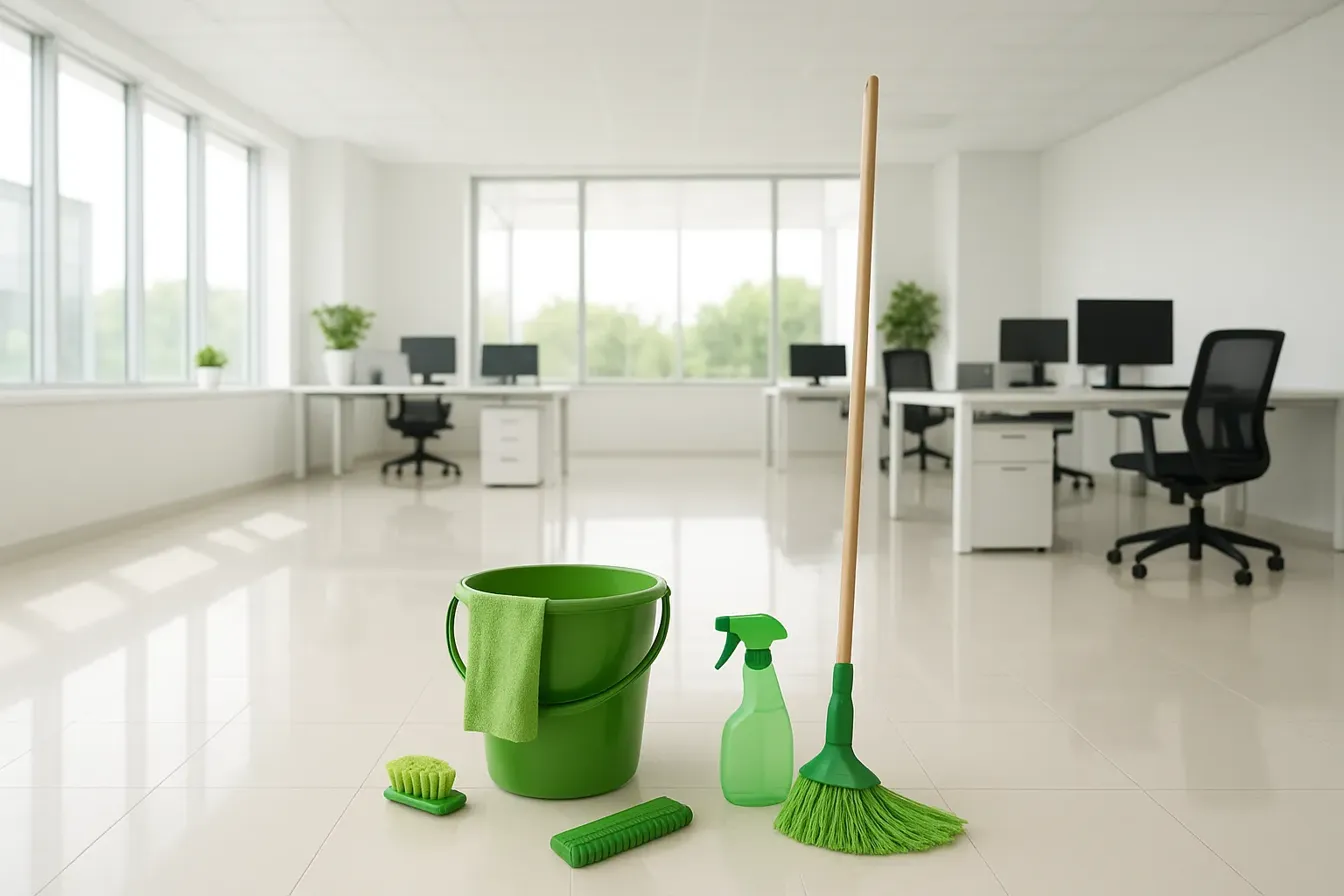
A structured cleaning schedule provides a systematic plan for maintaining order and cleanliness within homes or commercial spaces, helping prevent the accumulation of dirt and clutter.
Time and Stress Management
Following a regular cleaning routine breaks down major tasks into manageable intervals, which efficiently saves time and reduces the stress tied to overwhelming chores or last-minute cleaning efforts.
Health Benefits
Consistent cleaning reduces allergens like dust, pet dander, and pollen, improving indoor air quality and minimizing respiratory risks, while thorough sanitation diminishes harmful bacteria and germs.
Organizational Benefits
Regular cleaning schedules foster a clean, organized environment that promotes mental well-being, lowers anxiety, and supports cognitive focus, contributing to a more productive and calming space for residents and employees alike.
Key Facts on Benefits and Practices of Cleaning Schedules
- Consistent cleaning reduces allergens and germs, improving health and indoor air quality.
- Customized cleaning schedules save time and money by dividing tasks into manageable intervals.
- Reliable cleaning services reduce stress and free clients to focus on other priorities.
- Scheduled office cleaning decreases employee illness and boosts morale and productivity.
- Preventive cleaning preserves property, preventing damage and costly repairs.
- Flexible cleaning plans adapt to business or lifestyle changes, ensuring hygiene without disruption.
- An organized, clutter-free environment supports mental health by reducing stress and improving focus.
- Eco-friendly cleaning methods reduce toxic exposure and environmental impact while improving air quality.
- Effective cleaning depends on adequate time, temperature, mechanical action, chemical agents, and procedures.
- Sharing cleaning responsibilities fosters cooperation and emotional well-being among residents or staff.
1. Consistent Cleanliness Enhances Health and Air Quality

How Does Regular Cleaning Improve Health and Lifestyle?
Maintaining consistent cleanliness plays a crucial role in reducing allergens such as dust, mold, and pests, which are common triggers for allergies and asthma. By routinely removing germs and bacteria, cleaning helps minimize health risks, including foodborne illnesses and accident hazards caused by clutter or spills. For more on the Regular cleaning schedule benefits, see detailed insights on maintaining a healthier home environment.
What Are the Benefits of Improved Indoor Air Quality?
Regular professional cleaning significantly improves indoor air quality by eliminating dust, pet dander, pollen, and other airborne irritants. This is especially important for sensitive populations like children, the elderly, or those with respiratory conditions. Using HEPA-filtered vacuums and eco-friendly cleaning methods, experienced cleaners ensure thorough allergen removal without introducing harmful chemicals. Learn more about Benefits of Hiring Professional Cleaning Services including air quality and health protection.
Why Is Consistency Important in Cleaning?
Consistency in cleaning prevents buildup that can harbor microbes and allergens, creating a healthier environment over time. This regular upkeep also protects surfaces and helps maintain a home's or office's overall air cleanliness, directly impacting occupants' respiratory health and well-being. Explore the value of Benefits of recurring cleaning services and how routine cleaning promotes health and cleanliness.
Mental and Emotional Benefits of a Clean Environment
A clean and organized living or working space reduces mental clutter, stress, and anxiety. This fosters improved focus, productivity, and emotional balance, while promoting better sleep—for a holistic benefit to lifestyle quality. For comprehensive insights on clean home mental health benefits, see how cleaning impacts mental well-being and stress reduction.
By choosing professional cleaning services that emphasize eco-friendly cleaning methods and specialized equipment, property managers and business clients can ensure a healthier, safer space for all occupants. For commercial cleaning advantages, including Benefits of Commercial Cleaning, and Benefits of professional office cleaning see expert recommendations for a clean and productive workplace.
2. Flexibility in Scheduling Suits Diverse Needs and Budgets
What Are the Benefits of Having a Cleaning Schedule?
Having a cleaning schedule offers multiple advantages that enhance both home and business environments. It saves time and money by dividing cleaning tasks into manageable segments, which helps avoid overwhelming messes and costly deep cleans. This systematic approach reduces stress by keeping spaces consistently tidy and promotes productivity by fostering an organized and healthier atmosphere. Additionally, it encourages shared responsibility among household or staff members, balancing workloads effectively.
Customized Cleaning Plans Tailored to Your Needs
Customized cleaning plans provide a flexible framework designed to meet the specific requirements of various properties and lifestyles. Whether for residential homes or commercial spaces, these plans allow clients to select the frequency and scope of services—from daily maintenance to weekly, bi-weekly, or monthly visits. This flexibility ensures cleaning routines can adapt to busy schedules, varying foot traffic, or special operational hours, thereby maintaining cleanliness without disrupting daily activities.
Frequency Options and Adaptability
Clients can choose from multiple frequency options to align cleaning with their lifestyle or business operations. For homes, weekly or bi-weekly cleanings are popular due to their balance of thoroughness and cost-effectiveness. Businesses often require more frequent schedules that consider peak times, employee presence, and customer visits. The ability to adapt and scale schedules allows for responsive cleaning services that accommodate seasonal changes, special events, or fluctuations in occupancy.
Cost-Effectiveness Through Tailored Services
Tailored cleaning solutions optimize resource use by focusing on priority areas and customizing tasks to specific needs, which avoids unnecessary expenses linked to generic cleaning. By choosing an appropriate frequency and customized plan, clients benefit from efficient cleaning that maximizes value. Preventative maintenance through regular, scheduled cleanings also reduces the need for costly repairs or replacements by protecting property surfaces and fixtures over time.
Overall, flexible scheduling in professional cleaning services enhances convenience, promotes healthier environments, and offers economic advantages by aligning with client lifestyles and operational demands.
3. Reliable Cleaning Services Save Time and Reduce Stress
What are the benefits of having a cleaning schedule?
Having a well-planned cleaning schedule benefits helps homeowners and businesses manage their time efficiently. By breaking cleaning into regular, manageable intervals, it prevents overwhelming tasks that consume hours and lead to fatigue. This regularity reduces stress by maintaining a consistently organized and clean environment, eliminating the anxiety of last-minute scrambles.
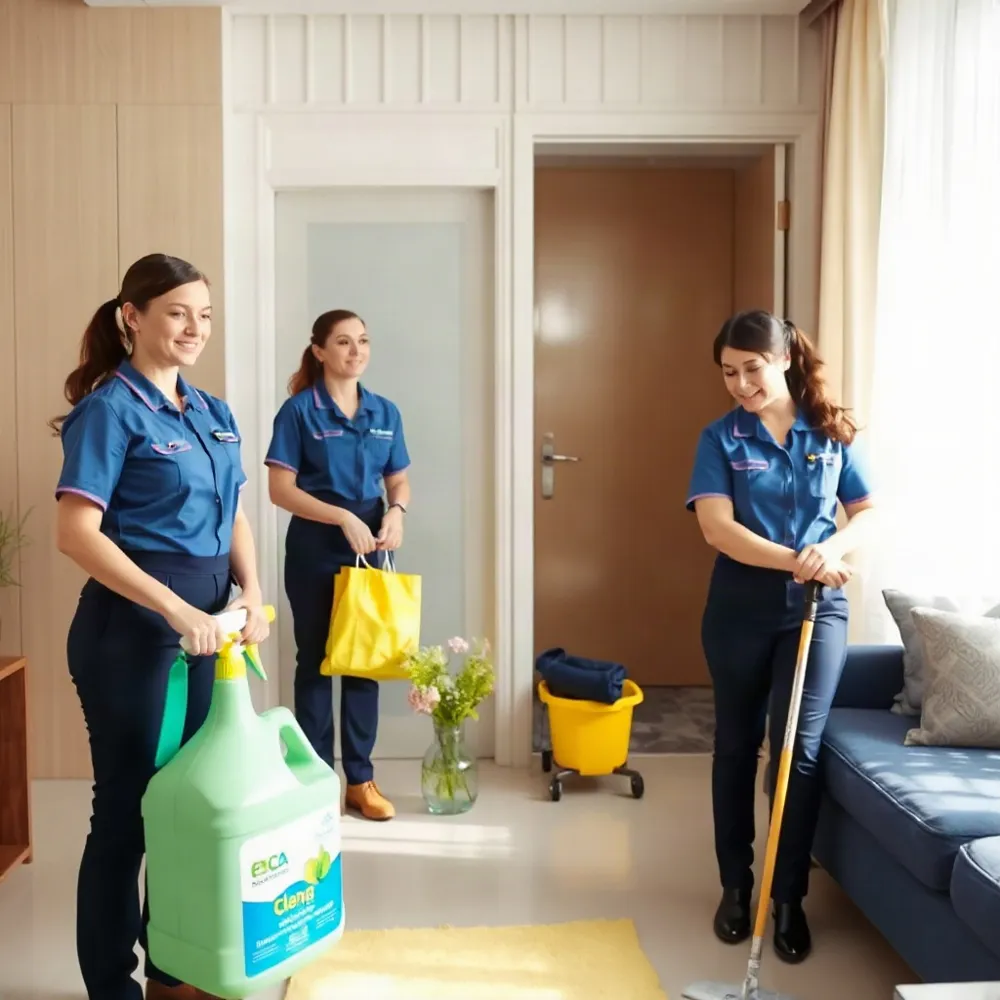
Professional cleaning services play a vital role in saving time with cleaning services for both residential and commercial clients. By delegating cleaning to experts, property managers and homeowners can focus on other priorities like work, family, or business operations without worrying about the quality or timing of cleaning.
These services also significantly reduce the mental burden associated with chore management. Knowing that cleaning is supervised and carried out on a reliable schedule ensures peace of mind with reliable cleaning services, especially during busy periods or unexpected disruptions. Clients no longer need to intervene or reschedule due to personal or work-related commitments.
Consistent service from professional cleaners guarantees that homes and offices remain hygienic and orderly. This dependability fosters a calm living or working space, boosting emotional wellness and organized spaces and productivity.
Overall, reliable cleaning services transform cleaning from a stressful obligation into a seamless, trusted routine, saving time, reducing mental strain, and providing clients with confidence in their environment's cleanliness.
4. Improved Productivity and Workplace Morale Through Scheduled Cleaning
How Do Clean Offices Reduce Illness and Absenteeism?
Maintaining a clean office environment significantly decreases the spread of germs, bacteria, and viruses. Professional office cleaning services employ hospital-grade disinfectants to sanitize high-touch areas such as keyboards, door handles, and conference room surfaces. This regular disinfection reduces illness among employees, leading to fewer sick days and higher overall attendance.
Why is Disinfecting High-Touch Areas Essential?
High-touch surfaces are frequent transmission points for pathogens. Targeted cleaning of these areas minimizes the risk of contagion, supporting a healthier workforce. Professional cleaners use specialized equipment and eco-friendly cleaning methods to ensure thorough sanitation without compromising safety.
How Does Scheduled Cleaning Enhance Employee Morale and Focus?
A tidy and well-maintained workspace fosters employee comfort and satisfaction. Studies indicate that when employees observe a clean environment, their morale improves, promoting higher productivity and better focus. Daytime cleaning enables employees to witness cleaning transformations firsthand, which reinforces confidence in workplace hygiene.
What is the Impact of Cleanliness on Professional Image?
A spotless office enhances client impressions by reflecting professionalism and attentiveness to detail. This positive image can influence client trust and business relationships. Consistent cleaning schedules ensure that offices remain presentable and welcoming at all times, supporting a strong brand reputation.
Scheduled cleaning is thus a strategic investment that benefits employee health, workplace morale, and client perceptions, contributing directly to business success.
5. Preventive Maintenance Preserves Property and Cuts Costs

How does cleaning prevent damage to floors, fixtures, and furniture?
Regular cleaning using professional techniques significantly contributes to the preservation of floors, fixtures, and furniture in both homes and offices. By removing dirt, grime, dust, and allergens promptly, cleaning prevents abrasive particles from causing scratches or wear on surfaces such as hardwood floors and countertops. Specialized cleaning products tailored to each material help maintain finish quality and prevent staining, warping, or discoloration, thereby extending the lifespan of home furnishings.
Why is early detection of maintenance issues important?
Consistent cleaning schedules enable professionals to spot early signs of maintenance issues, such as moisture damage, mold growth, or structural wear. Addressing these problems promptly reduces the risk of escalation, avoiding more extensive and costly repairs. For example, noticing a leaking faucet or deteriorated grout during routine cleaning allows for timely intervention, protecting property integrity and occupant safety. This highlights the early detection of home issues.
How do preventive cleaning practices lead to long-term savings?
Implementing regular, thorough cleaning reduces the buildup of damaging elements that accelerate wear and tear. Over time, this proactive approach translates into cost savings by minimizing the need for major restoration, replacement of furnishings, or deep refurbishment. Preventive maintenance through cleaning lowers operational disruptions and costly emergency repairs, supporting budget efficiency for property managers and homeowners alike. The economic benefits of cleaning schedules and cost savings from regular cleaning emphasize this advantage.
What professional techniques are used to protect home and office assets?
Professional cleaning services employ specialized tools and procedures, including industrial-grade equipment and eco-friendly cleaning methods designed to protect surfaces without causing damage. Methods such as Maid Brigade PUREcleaning® process and careful attention to material compatibility ensure safe and effective cleaning. Thorough training on proper techniques enables cleaning teams to uphold asset quality, safeguard investments, and maintain aesthetic appeal by using professional cleaning tools and safety procedures.
What are the main factors that affect the effectiveness of cleaning?
Effective cleaning depends on several critical factors: allocating sufficient time to each task, applying appropriate temperatures, incorporating mechanical actions like scrubbing, using suitable chemical products, and strictly following established procedures. These combined elements ensure intensive dirt and germ removal, prevent odor formation, and maintain sanitary environments essential for health and longevity of the property, as outlined in the benefits of scheduled cleaning.
Overall, preventive maintenance through scheduled professional cleaning plays a vital role in property preservation and cost management. By integrating customized cleaning plans into routine maintenance plans, property managers and homeowners can safeguard their investments, improve environmental quality, and reduce long-term expenditures.
6. Flexibility Adapts to Dynamic Business and Lifestyle Changes
How Does Adjusting Cleaning Frequency and Timing Meet Seasonal or Operational Needs?
Flexible cleaning schedules allow businesses and homeowners to modify cleaning frequency and timing to suit specific seasonal demands and operational fluctuations. For example, cleaning services can increase visits during allergy or flu season to maintain optimal Indoor air quality improvement and reduce health risks. Similarly, businesses can schedule additional deep cleans around peak client traffic periods or special events to ensure a pristine environment.
How Does Flexibility Accommodate Fluctuating Office Occupancy and Hybrid Work Models?
The rise of hybrid work models creates dynamic office occupancy, where the number of on-site employees varies daily or weekly. Flexible cleaning plans respond by adjusting the scope and timing of cleaning operations to focus on high-touch and shared spaces such as hot desks and common areas, which experience greater use and turnover. This adaptability helps maintain hygiene standards without unnecessary cleaning of underutilized areas, optimizing both health safety and cost-efficiency.
What Is the Role of Scalable Cleaning Contracts in Dynamic Environments?
Scalable cleaning contracts offer businesses the ability to expand or reduce cleaning services as operational needs change. For instance, a company may increase cleaning frequency temporarily during busy seasons or scale back during periods of remote work. This contract flexibility ensures continual cleanliness and responsiveness to emerging requirements while controlling costs and minimizing workflow disruptions.
How Does Flexible Cleaning Minimize Disruption to Core Business Activities?
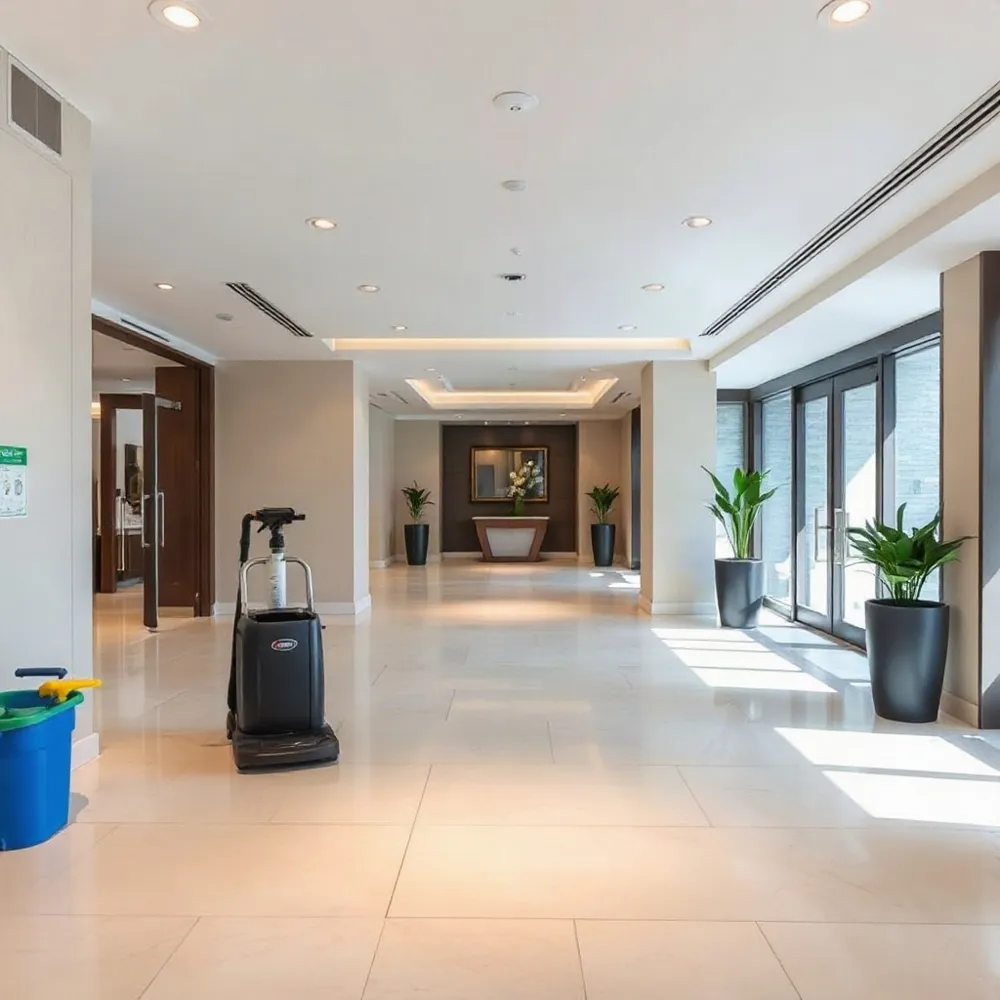
By aligning cleaning schedules with business peak and off-peak hours, flexible cleaning services minimize interference with daily operations. Cleaning can be timed for evenings, early mornings, or midday lulls depending on the workplace rhythm. Moreover, using quiet, efficient equipment and trained staff fosters a seamless cleaning process that maintains a sanitary and professional environment without distracting employees or clients.
These tailored cleaning solutions are vital for property managers and business clients seeking to uphold hygiene and professionalism amid shifting demands and lifestyles. Incorporating flexibility into cleaning plans supports health, productivity, and operational continuity, thereby enhancing overall client satisfaction and workplace well-being.
7. Mental Health and Emotional Well-being Benefit from Organized Cleaning

How Does a Clutter-Free Environment Reduce Stress?
Maintaining an organized and clutter-free space significantly lowers stress levels. Clutter can overwhelm the senses and elevate anxiety, while a tidy environment fosters calmness and mental clarity. This creates a more relaxing atmosphere conducive to emotional well-being.
In What Ways Does Cleaning Improve Sleep and Cognitive Focus?
Regular reducing allergens by cleaning and dust that can disrupt sleep quality. Additionally, an orderly home promotes better cognitive focus by removing distractions, helping individuals concentrate on tasks with clarity and calmness.
How Can Sharing Cleaning Duties Enhance Relationships?
Distributing cleaning responsibilities fairly among household members or colleagues fosters cooperation and reduces conflict. Studies report that when chores are shared, family members feel closer and more respected, while workplace teams benefit from improved communication and morale. Learn more about sharing household chores and saving time with regular cleaning.
What Is the 1% Rule of Cleaning?
The 1% rule involves committing to only one small cleaning task at a time—such as wiping a countertop or organizing a drawer—to steadily improve the home environment. This manageable approach encourages consistent tidiness without overwhelming effort, resulting in a more peaceful and organized living or working space. For tips on creating a cleaning schedule and successful cleaning schedule tips, see related guidance.
Applying These Practices for Emotional Stability
By integrating these strategies into daily routines—engaging everyone in shared tasks and embracing small, regular actions—homes and offices support mental health through orderly surroundings that lower stress and build a sense of control.
| Topic | Benefit | Practical Tip |
|---|---|---|
| Stress Reduction | Calmer, less anxious atmosphere | Regular decluttering sessions |
| Improved Sleep & Focus | Better rest and cognitive clarity | Maintain clean, allergen-free spaces |
| Shared Cleaning Duties | Enhanced relationships | Assign chores equitably with clear schedules |
| The 1% Cleaning Rule | Sustainable tidiness, less overwhelm | Commit to one small daily cleaning task |
8. Eco-Friendly and Health-Conscious Cleaning Practices Support Sustainability
How do green cleaning products and biodegradable agents benefit homes and businesses?
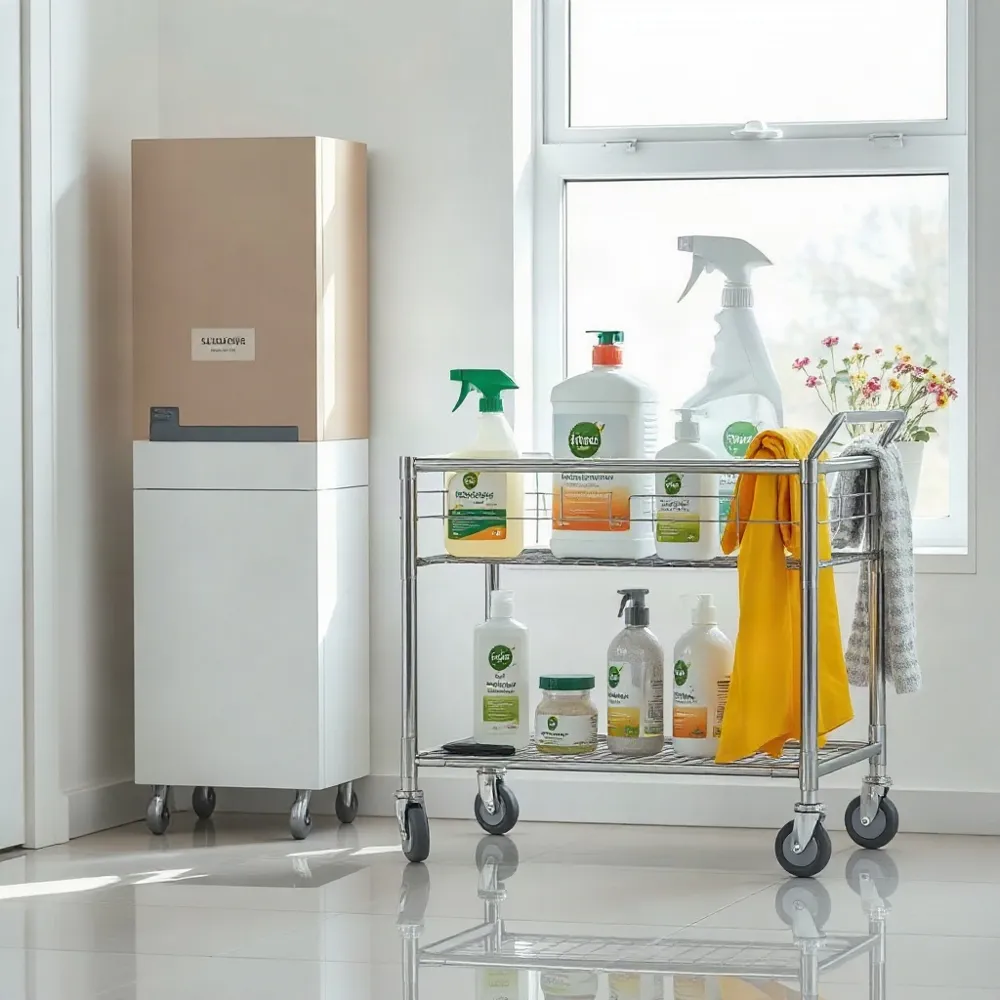
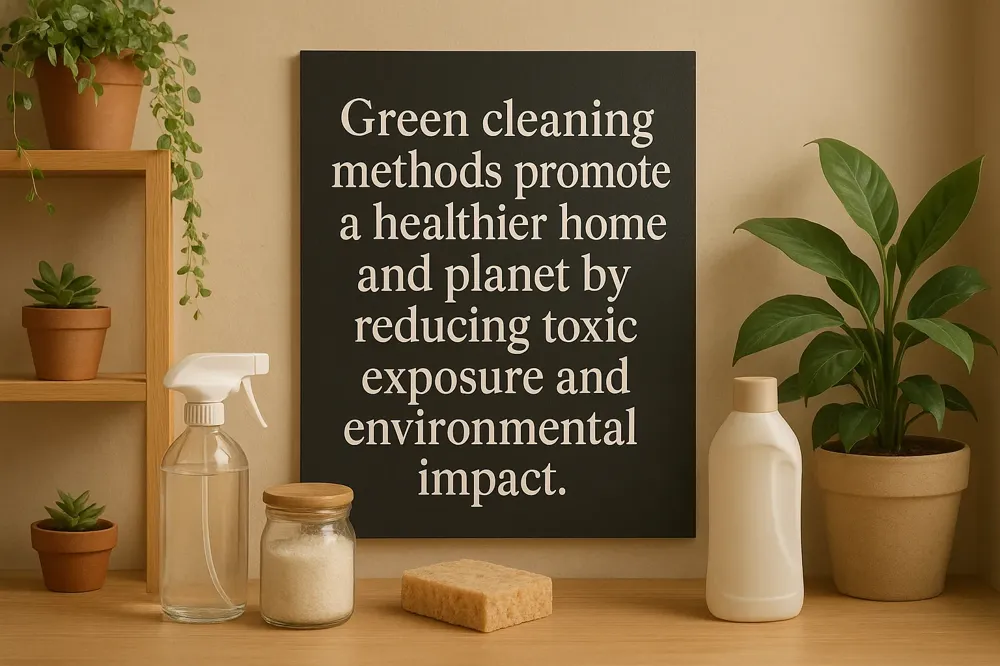
Modern professional cleaning services benefits increasingly use green products and biodegradable agents to maintain hygiene standards while minimizing environmental impact. These products effectively clean surfaces without introducing harmful chemicals, reducing pollution and waste. Their biodegradability ensures that residues break down naturally, lessening harm to waterways and ecosystems.
Why is reducing toxic chemical exposure important?
Using eco-friendly cleaning methods reduces residents' and employees' exposure to toxic chemicals commonly found in traditional cleaners. This minimizes risks of allergic reactions, respiratory issues, and other health complications, creating safer living and working environments. Particularly in health-sensitive contexts such as homes with children or elderly individuals and workplaces with frequent public access, this approach supports well-being.
What role does eco-conscious cleaning play in improving indoor air quality?
Green cleaning products typically emit fewer volatile organic compounds (VOCs), leading to improved indoor air quality. This is critical in both residences and commercial spaces where occupants spend significant time indoors. Better air quality contributes to decreased allergens, dust, and airborne irritants, supporting respiratory health and overall comfort, thanks to indoor air quality improvement.
How do these practices align with environmental values in residential and commercial settings?
Adopting eco-friendly cleaning reflects a commitment to sustainability appreciated by today's environmentally aware clients. For residential properties, it enhances the living environment and supports longer-term home maintenance with minimal ecological footprint. For businesses, it bolsters corporate social responsibility initiatives and appeals to eco-conscious consumers and employees, reinforcing brand reputation and market competitiveness through customized cleaning plans.
In summary, integrating green and health-conscious cleaning practices represents a strategic choice. It supports sustainable property care and promotes healthier spaces, meeting the expectations of modern homeowners and business clients committed to environmental stewardship and wellness.
How Does a Cleaning Schedule Improve Your Life?
What are the benefits of having a cleaning schedule?
Having a cleaning schedule offers numerous advantages that enhance your home environment and overall well-being. One of the most significant benefits is better time management. By breaking down cleaning tasks into manageable daily or weekly routines, a schedule prevents the buildup of clutter and grime, saving you from overwhelming, time-consuming cleaning marathons.
A consistent cleaning routine also contributes to stress reduction. Living in a tidy, organized space creates a calming atmosphere, boosting mental clarity and promoting restful sleep. Psychological research supports that cluttered environments contribute to anxiety, whereas order supports emotional stability.
Beyond personal benefits, a cleaning schedule promotes shared chore responsibility within households. Assigning tasks fairly among family members reduces the 'chore gap' many experience, easing the mental burden and strengthening relationships through collaboration and communication.
Furthermore, regular scheduled cleaning leads to improved health outcomes. Regular removal of dust, allergens, pet dander, and germs enhances indoor air quality, reducing respiratory risks and allergic reactions. Sanitizing key areas also limits the spread of viruses and bacteria, supporting a safer living environment for all occupants.
In summary, following a cleaning schedule helps maintain a cleaner, healthier home, saves valuable time, reduces stress, and encourages equitable sharing of responsibilities—all contributing to a better quality of life.
Why Is an Organized Cleaning Program Advantageous?
What are the advantages of having an organized cleaning program?
An organized cleaning program brings a host of benefits that impact both physical and mental well-being. One of the foremost physical health benefits of cleaning is the reduction of allergens such as dust, pet dander, and mold, which can improve indoor air quality and lessen respiratory issues. Regularly scheduled cleaning helps prevent the accumulation of pests and harmful bacteria, contributing to a healthier living or working environment.
From a mental health perspective, an orderly environment reduces stress and anxiety by eliminating visual clutter. This creates a calming space that supports relaxation and promotes better sleep quality. Many studies show that keeping spaces tidy enhances emotional wellness and organized spaces and cognitive clarity, helping reduce feelings of overwhelm.
Productivity also improves in clean and well-maintained surroundings. A decluttered space minimizes distractions, allowing individuals and employees to focus more effectively on tasks. This effect is strengthened by the time savings achieved through systematic cleaning schedules, as less time is lost searching for misplaced items.
Additionally, an organized cleaning program fosters welcoming spaces. Clean homes and offices create positive first impressions for guests and clients, reflecting professionalism and care. This welcoming atmosphere can enhance social interactions and business reputations alike.
In summary, adopting a structured cleaning routine offers substantial advantages: supporting better physical health, reducing stress, boosting productivity, saving time, and creating inviting environments that benefit both residents and visitors.
What Factors Influence the Effectiveness of Cleaning?
What are the main factors that affect the effectiveness of cleaning?
The effectiveness of cleaning hinges on five primary factors: time, temperature, mechanical action, chemical reaction, and procedures.
Time is crucial as it allows cleaning agents sufficient duration to break down soils, dirt, and contaminants. A rushed process reduces cleaning quality and can leave residues behind.
Temperature influences how well chemicals dissolve dirt and grease. Warmer temperatures often activate chemicals more effectively but must be balanced with surface safety.
Mechanical action refers to physical methods such as scrubbing, agitation, or pressure washing. This action dislodges and removes debris, especially in hard-to-reach areas or textured surfaces.
Chemical reaction involves selecting suitable cleaning agents that target specific soils, including stubborn organic waste and odors from sources like body fluids or trash. Using the right chemicals ensures efficient breakdown without damaging surfaces.
Lastly, following proper procedures is paramount. Established protocols ensure every area is cleaned consistently and thoroughly, preventing cross-contamination and persistent odors. Adhering to procedural checklists guarantees that specialized tools and products are used correctly for optimal hygiene.
By managing these factors effectively, cleaning services in homes and commercial properties maintain high standards of cleanliness, promote healthier environments, and protect valuable assets. Emphasizing protocol adherence also instills confidence and satisfaction among clients managing residential or business properties.
Embrace Flexibility and Reliability for Optimal Cleanliness and Well-being
Flexibility and reliability are fundamental for maintaining impeccable cleanliness tailored to the unique needs of homes and workplaces. Adapting cleaning schedules—whether daily, weekly, or bi-weekly—ensures that environments remain inviting and healthy without disrupting daily operations or personal routines.
Customized cleaning plans provide an efficient approach by focusing on priority areas and adjusting frequency to align with lifestyle demands or business peak periods. This tailored service maximizes the benefits of professional cleaning while respecting budgets and time constraints.
Reliable cleaning services promote superior health by consistently removing allergens, bacteria, and viruses. Such commitment enhances indoor air quality and reduces illness risks, crucial for workforce productivity and overall well-being.
Importantly, dependable and flexible cleaning translates to peace of mind for property managers and homeowners alike, knowing that their environments are safeguarded by expert care at the right times. This proactive approach fosters both comfort and confidence in the spaces we live and work in.
Recent articles