Turn Cleaning Insights: What Apartment Managers Need to Understand


Introduction to Apartment Turnover Cleaning
Understanding Apartment Turnover Cleaning
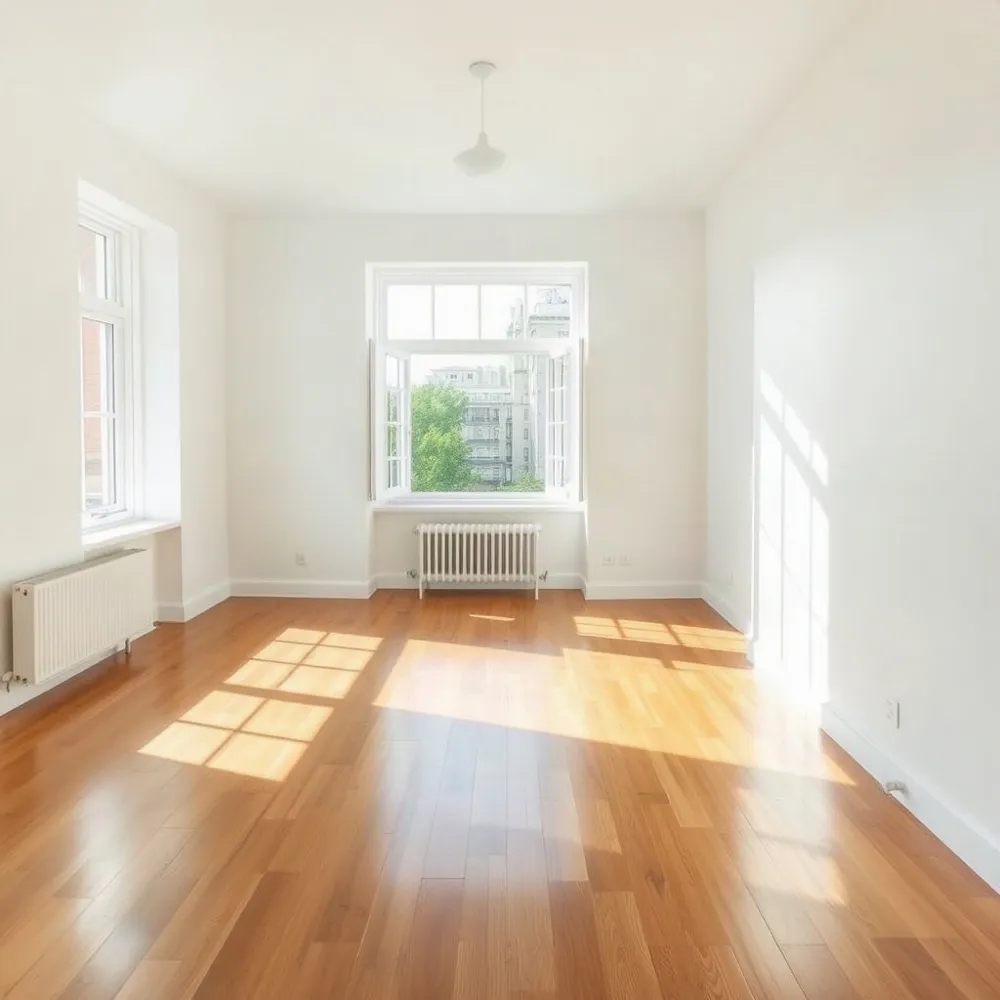
Apartment turnover cleaning refers to the comprehensive process undertaken between the time one tenant moves out and a new tenant moves in. This critical phase involves thorough cleaning, inspections, and repairs aimed at preparing the unit for the next resident. The main objective is to maintain the apartment in a state of readiness, ensuring it is clean, safe, and appealing.
Why Apartment Turnover Cleaning Matters
Efficient turnover cleaning is essential for several reasons. First, it helps secure tenant satisfaction and retention by offering a fresh and well-maintained living environment. Second, it supports property managers and landlords in minimizing vacancy periods, thereby preventing income interruptions. Lastly, meticulous turnaround cleaning underscores professionalism and attention to detail, which enhances the overall reputation and value of the rental property.
Understanding the Apartment Turnover Cleaning Checklist

What is an apartment turnover cleaning checklist?
An apartment turnover cleaning checklist is a detailed guide outlining tasks necessary to prepare a rental unit for new tenants. It ensures every part of the apartment is deep cleaned, disinfected, and ready for occupancy, helping to maintain property value and tenant satisfaction.
Detailed tasks involved in turnover cleaning
The checklist covers thorough cleaning of all surfaces including floors, countertops, sinks, and appliances. Essential steps include cleaning kitchen appliances like refrigerators and stoves, scrubbing bathroom fixtures and grout, and wiping down window blinds.
Importance of deep cleaning kitchens, bathrooms, and general living areas
Kitchens and bathrooms demand focused attention due to frequent use and potential buildup of grease, mold, or bacteria. Deep cleaning these areas ensures hygienic conditions. General areas such as living rooms and hallways need to be cleaned from top to bottom, typically finishing with floor cleaning to avoid re-contamination. See Kitchen cleaning checklist, Bathroom cleaning tips, and Floor cleaning order.
Role of carpet cleaning and deodorizing in tenant appeal
Carpets should undergo professional carpet cleaning or be replaced if worn out. This step eliminates odors, pests, and deep-seated dirt, significantly improving the apartment’s appeal and comfort for future tenants. For guidance, refer to Deep cleaning carpets and Carpet cleaning tips.
Disinfection of high-touch surfaces to promote health and safety
High-touch points including door handles, light switches, and countertops must be disinfected thoroughly. Regular disinfection reduces the presence of harmful bacteria and allergens, contributing to a healthier living environment. For comprehensive cleaning approaches, see the Apartment Cleaning Checklist.
By following a comprehensive apartment turnover cleaning checklist, landlords and property managers can streamline the apartment turnover process, enhancing tenant satisfaction and minimizing vacancy duration.
Best Practices for Effective Turnover Cleaning and Repairs

What are the best practices for apartment turnover cleaning?
Effective apartment turnover cleaning checklist requires a structured and thorough approach to prepare the unit for new tenants swiftly and efficiently.
Pre-move-out inspections with photo documentation
Begin with a detailed move-out walkthrough to identify damages and maintenance needs. Use photo documentation for landlords to create clear records that help avoid disputes and streamline repair planning.
Repair priorities before cleaning and painting
Complete all pre-cleaning repairs prior to cleaning and painting. Address plumbing, electrical, repairing appliances, fixing water damage, and replacing filters in apartments to prevent complications during the cleaning phase. This sequence ensures repairs are not undone by subsequent work.
The sequence of cleaning tasks - top to bottom approach
Adopt a top-to-bottom apartment cleaning strategy starting from ceilings and fixtures, moving down to walls, surfaces, and finishing with floors. This includes a kitchen cleaning checklist, bathroom cleaning tips, and floor cleaning order, with carpets professional carpet cleaning or replaced to remove odors and pests.
Importance of lock changes and safety checks
Changing locks after tenant turnover guarantees security for new residents. Also, inspect smoke and carbon monoxide detectors, fire extinguishers, and other safety features to ensure they are functional and up to date.
By adhering to these best practices, property managers can reduce vacancy times, maintain tenant satisfaction, and uphold the property's condition, ultimately protecting rental income and enhancing appeal.
The Role and Responsibilities of Cleaning Managers in Turnover Processes

What are the main responsibilities of a cleaning manager in apartment turnover cleaning?
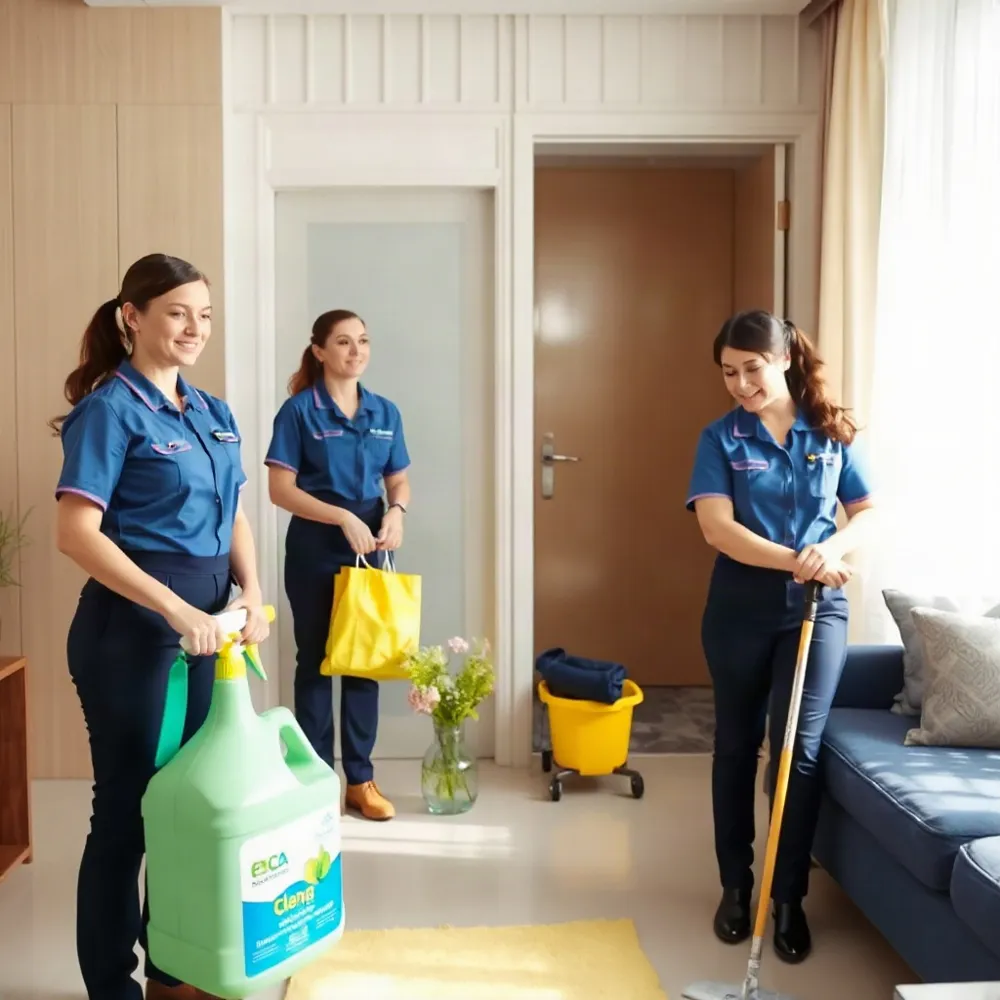
A cleaning manager plays a pivotal role in the apartment turnover process, ensuring that each unit is meticulously prepared for new tenants. Their primary responsibility is to coordinate cleaning schedules and staff assignments effectively. This involves creating detailed cleaning plans tailored to the specific needs of each property and assigning tasks to cleaning staff to promote efficiency and thoroughness.
Quality control is a critical aspect of their duties. Cleaning managers conduct regular inspections of completed units to verify that all surfaces, appliances, and fixtures meet high sanitation and safety standards. Any deficiencies are promptly addressed to maintain tenant satisfaction and compliance with health regulations.
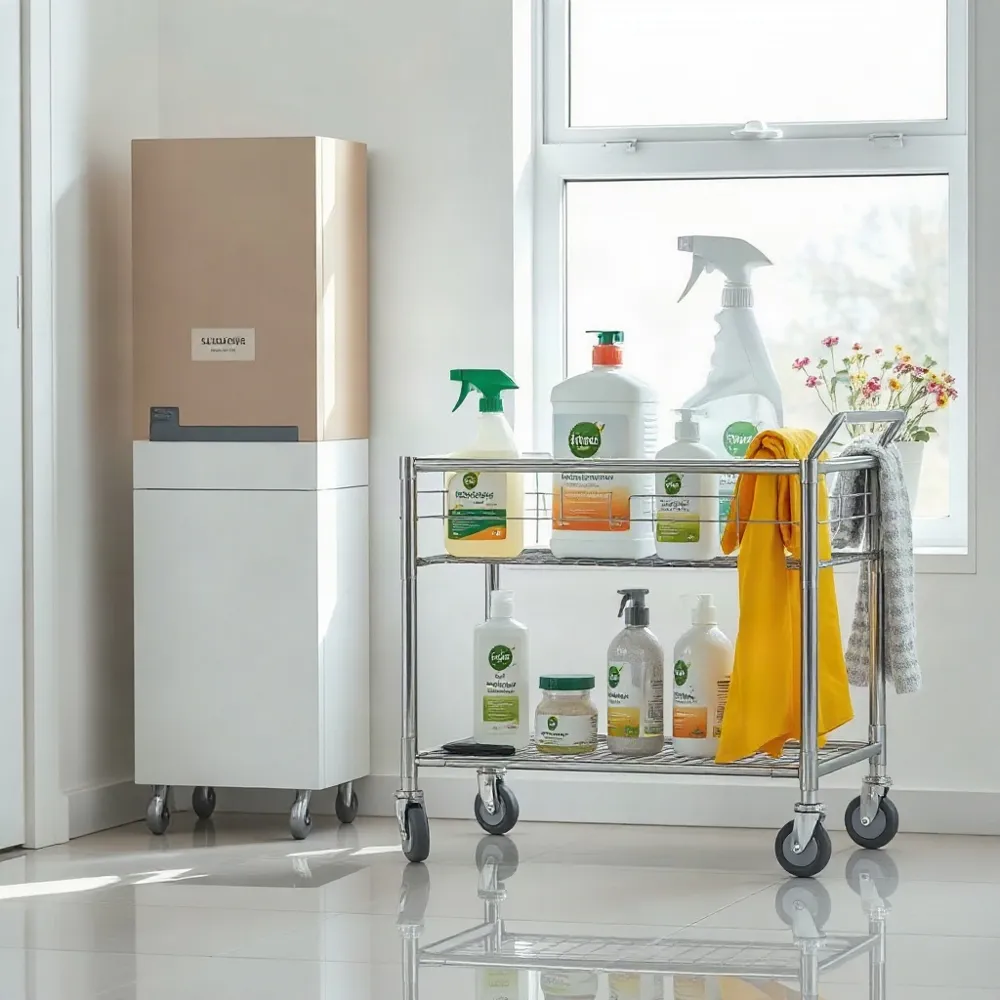
Managing cleaning supplies and equipment is also essential. The manager ensures that all necessary materials are stocked and that equipment is properly maintained and suited to various surfaces and cleaning tasks. This careful management supports consistent, high-quality results across all turnover cleanings.
Lastly, cleaning managers maintain detailed records of cleaning jobs, including schedules, staff logs, and inspection reports. These records aid in accurate invoicing, support dispute resolution, and help identify areas for improvement. By overseeing comprehensive cleaning operations and administrative tasks, the cleaning manager significantly contributes to minimizing vacancy periods and upholding the property's reputation. For more tips, see Apartment turnover cleaning strategies.
Cost Considerations for Apartment Turnover Cleaning in Minneapolis

What is the typical cost range for apartment turnover cleaning services in Minneapolis?
Apartment turnover cleaning costs Minneapolis typically range from $190 to $380 for a standard-sized unit, which is about 1,900 square feet. This price generally covers deep cleaning tasks essential for preparing the apartment between tenants. Smaller units can expect lower costs, around $118, while larger or more heavily soiled apartments may be charged up to $237 or more. For detailed guidelines, see the apartment turnover cleaning checklist.
What additional service costs might you encounter?
Additional costs may arise for specialized services such as carpet cleaning, window washing, or oven cleaning. These services help ensure thorough cleanliness and tenant satisfaction but will increase the total expense beyond the base cleaning fee. Learn more about professional carpet cleaning and related cleaning tasks.
How are hourly rates structured for professional cleaning services?
Professional cleaners in Minneapolis typically charge around $50 per hour. The overall cost depends on the unit size, extent of cleaning required, and any added services. For insights on cleaning rates and managing quality, check out 5 Things Property Managers Should Know About Cleaning.
What factors influence price variations for turnover cleaning?
Several elements affect pricing including unit size, condition, and specific cleaning needs. Higher costs are often associated with extensive damage repair preparation, deep carpet cleaning or replacement, and additional tasks like painting or appliance maintenance. Efficient scheduling and workflow management can help control costs without sacrificing quality. For comprehensive cleaning strategies, visit Tips for cleaning apartment turnovers.
Efficient Cleaning Methods to Prepare Apartments After Tenant Move-Out
What is the recommended method to clean an apartment after a tenant moves out?
The first step in post move-out cleaning involves removing all trash and debris from the apartment. Clearing out these items ensures that the space is ready for a deeper clean without obstruction. Following this, dusting becomes crucial — focus on ceiling fans, light fixtures, corners, windowsills, and blinds to eliminate cobwebs and dust buildup. For detailed guidelines, see the Apartment turnover cleaning checklist, or the apartment turnover cleaning checklist and apartment turnover cleaning checklist.
Step-by-step cleaning method post move-out
- Remove Trash and Debris: Discard all leftover items from the previous tenant.
- Dust Hard-to-Reach Areas: Light fixtures, corners, and ceiling fans need attention.
- Clean Windows and Blinds: Wipe down all glass surfaces and surrounding frames.
- Deep Clean Kitchens: Scrub appliances, cabinets, sinks, and countertops.
- Sanitize Bathrooms: Thoroughly clean toilets, showers, bathtubs, sinks, and tiles.
- Vacuum and Mop Floors: Finish by cleaning floors to remove dirt and allergens.
For a comprehensive cleaning approach, refer to the Apartment Cleaning Checklist and Apartment turnover process.
Critical areas like kitchens and bathrooms to clean thoroughly
The kitchen and bathroom require special focus because these areas are most prone to grime build-up and harbor bacteria. Appliances should be wiped inside and out, including stoves and refrigerators. Cabinets and counters need sanitizing to remove residue or spills. Bathrooms need scrubbing of tiles, fixtures, and fittings to ensure they are hygienic and visually appealing. Consult the Kitchen cleaning checklist and Bathroom cleaning tips for more information.
Removing debris and dusting hard-to-reach places
Dust collection often occurs in overlooked places like ceiling corners and light fixtures. Use microfiber cloths and appropriate cleaning tools to remove dust and prevent allergens from lingering. Proper cleaning in these areas enhances air quality and tenant satisfaction. See Tips for cleaning apartment turnovers for practical advice.
Vacuuming and mopping floors to finalize cleanliness
A comprehensive cleaning finishes by vacuuming carpets and mopping all hard floors. This step ensures no dust or dirt remains, creating a fresh and welcoming environment for new occupants. Hiring professional cleaning services can further guarantee every surface meets high standards of cleanliness. For guidance, refer to Carpet cleaning tips and professional carpet cleaning or professional carpet cleaning.
| Cleaning Step | Areas Covered | Purpose |
|---|---|---|
| Remove Trash/Debris | Entire apartment | Clear space for deep cleaning |
| Dust Hard-to-Reach | Fans, corners, lights | Eliminate dust, improve air quality |
| Clean Windows/Blinds | Windows, blinds | Remove dirt and stains for bright appearance |
| Deep Clean Kitchen | Appliances, counters | Remove grime, sanitize food prep areas |
| Sanitize Bathrooms | Fixtures, tiles | Ensure hygiene and prevent bacteria |
| Vacuum & Mop Floors | Carpet, hard floors | Finalize cleanliness, remove allergens and dirt |
For more professional cleaning insights, see 5 Things Property Managers Should Know About Cleaning and Bravo Cleaning, Inc. reviews.
Summing Up: Prioritizing Turnover Cleaning for Apartment Managers
The Impact of Thorough Turnover Cleaning on Tenant Retention and Property Value
A meticulous turnover cleaning enhances tenant satisfaction by presenting a fresh, inviting living space. This attention to detail not only helps in retaining current tenants but also attracts new renters, supporting consistent occupancy and steady rental income. Regular deep cleaning and prompt repairs protect and potentially increase property value by preventing damage and maintaining a polished appearance.
Coordinated Effort Among Managers, Cleaning Staff, and Service Providers
Successful apartment turnovers rely on seamless teamwork between property managers, cleaning professionals, and maintenance providers. Managers must schedule inspections, approve repairs, and coordinate cleaning timelines, while trained staff execute thorough cleaning using appropriate techniques and equipment. Engaging experienced service providers ensures high-quality outcomes, fostering trust and promoting efficient turnovers that minimize vacancy periods.
Recent articles