5 Key Benefits of Turn Cleaning for Apartments and Condominiums in 2026

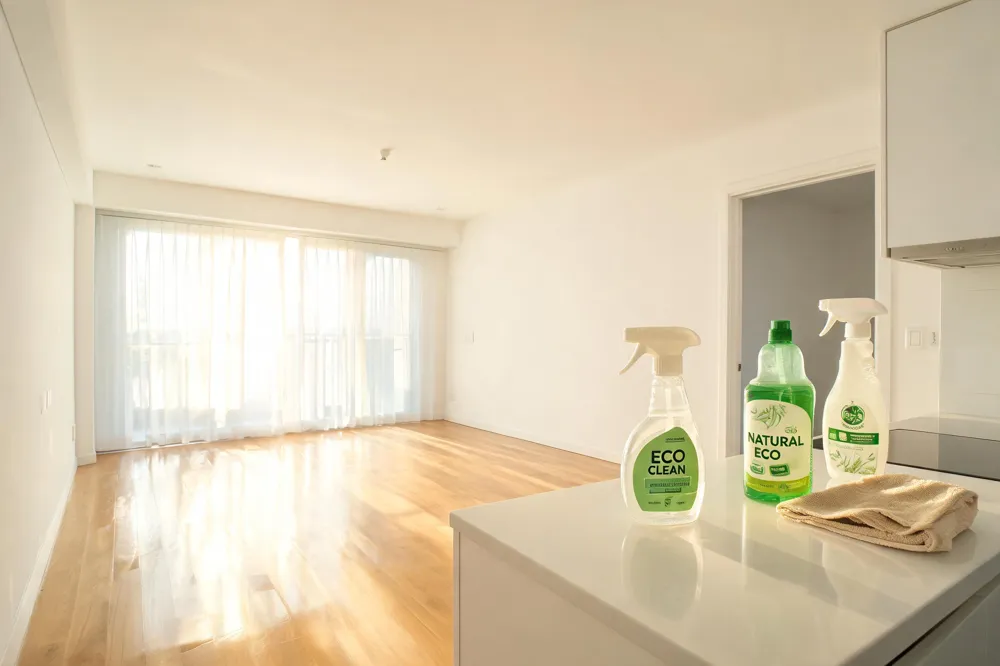
Why Turn Cleaning is Essential for Modern Property Management
Managing rental properties in 2026 demands a strategic approach. Between tenants, you face tight deadlines, high expectations from renters, and the constant pressure to minimize vacancy days. This is where turn cleaning—a specialized deep-cleaning service performed during the property turnover window—becomes an essential tool, not just an optional expense.
Defining Turn Cleaning: More Than a Routine Wipe-Down
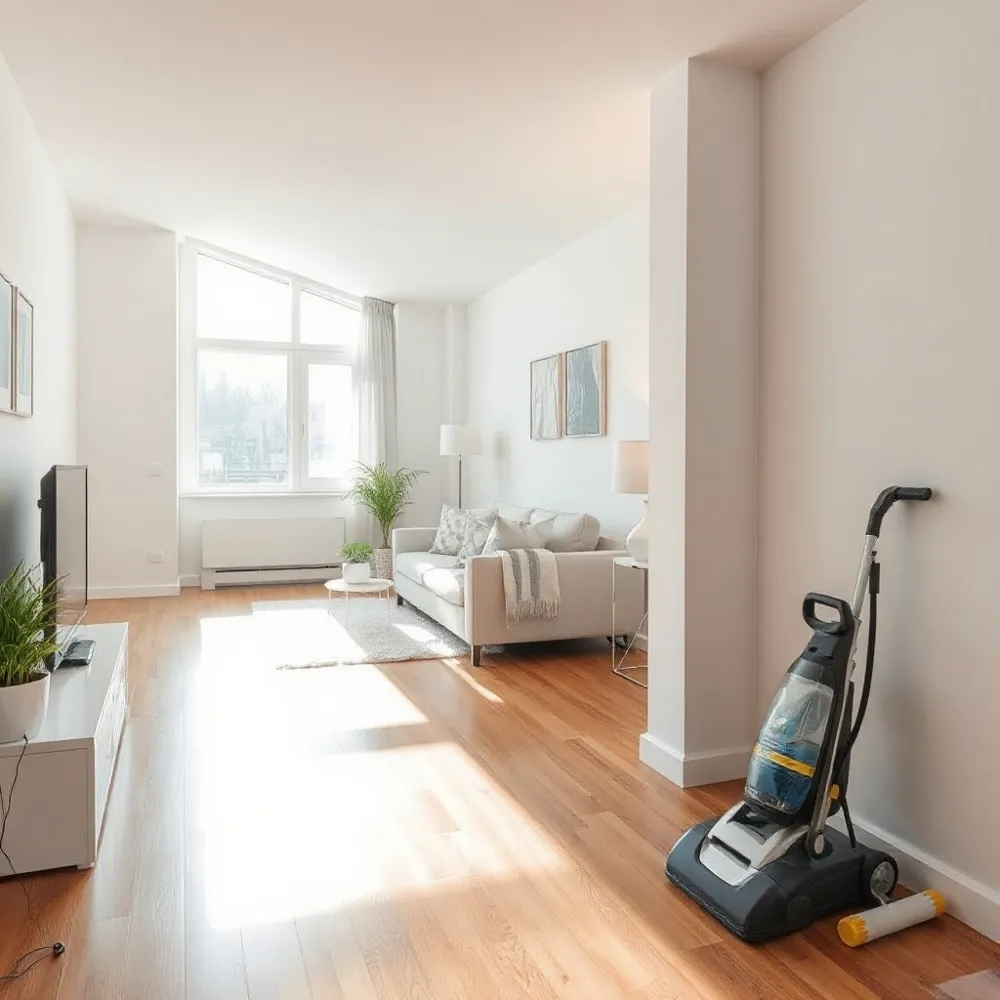
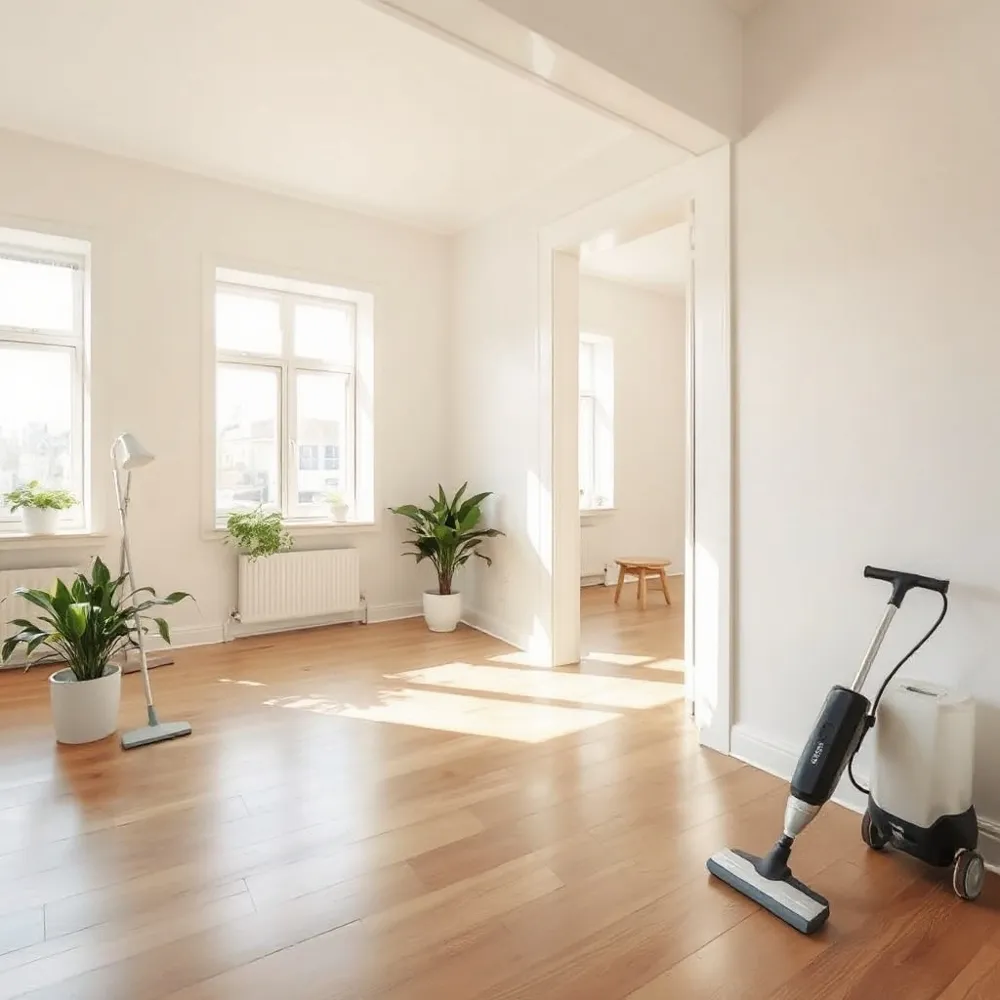
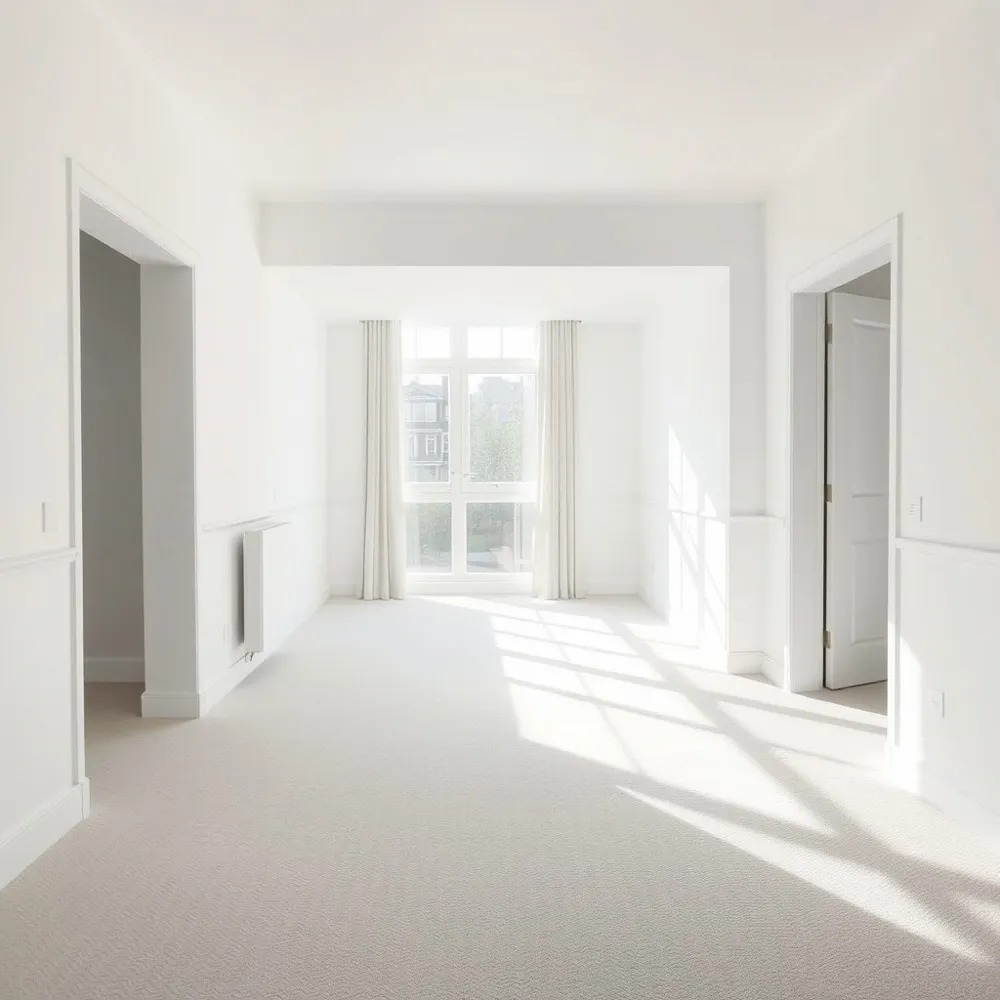
Turn cleaning is distinct from standard housekeeping. While routine maintenance handles daily mess, turn cleaning targets accumulated grime, hidden contaminants, and hard-to-reach areas like carpet fibers, appliance interiors, vents, and grout. It is an intensive process designed to restore a unit to a pristine, move-in ready condition. This deep clean addresses years of wear left by previous occupants, preparing the canvas for a new tenant to envision their home.
The High Stakes of Property Turnover in 2026
The financial reality of property management makes turn cleaning a critical investment. Current market data reveals that apartment turnover rates hover between 40-50%, with the average cost to turn a single unit reaching approximately $1,500. Critically, nearly 60% of these costs are within an owner’s control. This means efficient, high-quality cleaning and maintenance directly impact your bottom line. A poorly executed turnover can extend vacancy days, lower achievable rent, and trigger costly tenant complaints.
A Strategic Investment for Landlords and Property Managers
Viewing turn cleaning as a strategic investment rather than a recurring cost unlocks its true value. For property managers overseeing multiple units, a consistent, professional cleaning program streamlines operations, shortens vacancy periods, and enhances property appeal. For condo owners, it protects a significant asset, preserves property value, and helps maintain building standards. The sections that follow will detail five key benefits that demonstrate why a robust turn-cleaning strategy is a cornerstone of successful property management in today’s competitive rental market. From boosting tenant satisfaction to extending asset lifespan, these advantages make turn cleaning an indispensable component of a profitable portfolio.
KEY FACTS: Turnover Cleaning Benefits & Market Trends (2026)
- Deep-cleaned units in competitive 2026 markets can command 15-20% higher rents with freshly painted interiors.
- Professional cleaning removes hidden allergens and mold, addressing EPA data that indoor air can be 2-5 times more polluted than outdoor air.
- Automated scheduling platforms can cut turnover prep time by 50% , while professional carpet care alone speeds turnover by 45% .
- Regular deep cleaning during turnover extends commercial carpet lifespan from 5 years (without care) to 10 years (with care) .
- A Kingsley Associates survey found 78% of tenants say building cleanliness influences lease renewal decisions.
- Average turnover cost ranges $1,000–$3,000 per unit , but 60% of tenant turnover is controllable via better management and professional turn cleaning.
- In 2026, one-bedroom unit turnover clean costs average $100–$190 , with $50/hour being a competitive professional cleaning rate.
- Applying the 80/20 rule (Pareto Principle) , focusing on kitchens and bathrooms yields 80% of visible results during turnover cleaning.
- Commercial cleaning is the most profitable niche, with rates 30-50% higher than residential ($35–$65/hour).
- Clean windows improve online listing photos by 30% and units in pristine condition reduce post-move-in complaints by 40% .
1. Boost Property Appeal and Command Higher Rents
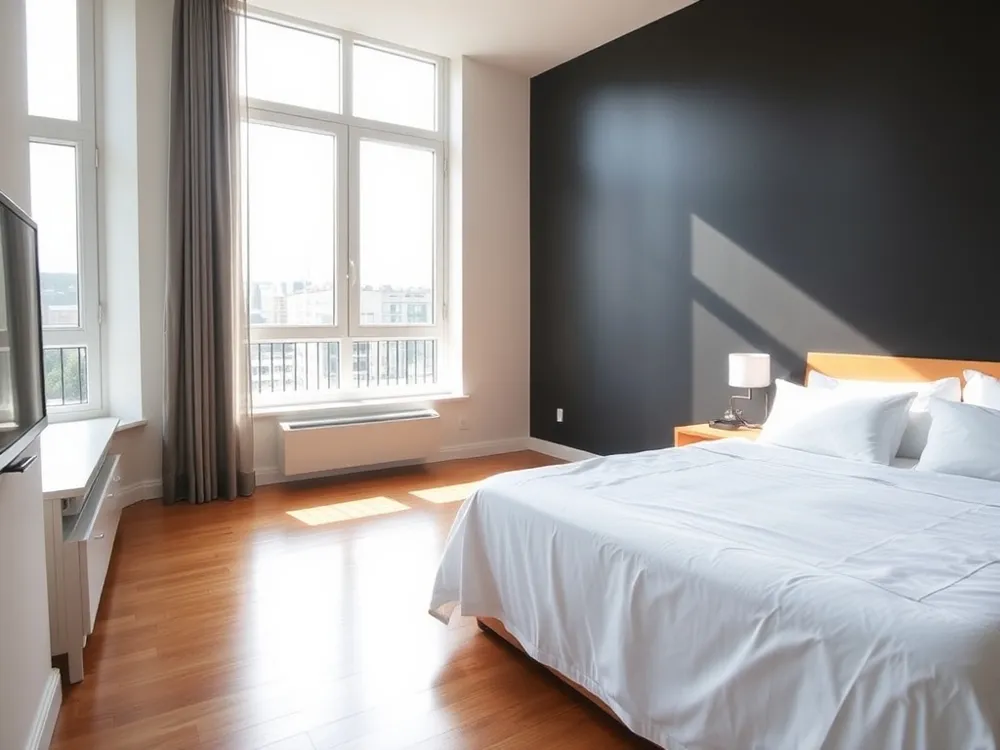
A deep-cleaned unit creates a powerful first impression, showcasing professionalism and attention to detail. This signals to potential tenants that the property is well-maintained, increasing its desirability and allowing owners to charge higher rent or fill vacancies faster.
How does a spotless unit increase marketability?
In competitive 2026 markets dominated by online listings, a pristine appearance helps renters envision themselves living there. A property that looks move-in ready stands out against less cared-for competition, strengthening the owner’s bargaining position.
What impact do clean windows and fresh paint have?
Clean windows improve online listing photos by 30%, accelerating lease signings. Freshly painted units, often a companion to turn cleaning, can command 15-20% higher rents. These visual upgrades are powerful tools for attracting quality tenants and justifying premium pricing. This makes turn cleaning a strategic investment, not just a routine chore. | Feature | Impact on Appeal | Effect on Rent
|---------|------------------|---------------| | Deep Cleaning | Strong first impression, professionalism | Increases desirability, faster fill| | Clean Windows | 30% better listing photos | Accelerates lease signings| | Fresh Paint | Modern, refreshed look | Can raise rent by 15-20%|
2. Create a Healthier Living Environment

What hidden health threats does turnover cleaning eliminate?
Standard cleaning routines often miss the accumulated dust, allergens, pet dander, mold spores, and bacteria embedded in carpets, upholstery, and ventilation systems. The EPA estimates indoor air can be 2-5 times more polluted than outdoor air. A professional deep clean during turnover dramatically improves indoor air quality, directly addressing these pollutants.
Why does this matter to today's renters?
Health-conscious renters, particularly Millennials and Gen Z, actively seek units with a verified clean slate. Providing a proven deep clean signals that you prioritize their well-being, making your property more attractive in a competitive market. A healthier environment reduces the risk of respiratory issues and allergies for new occupants.
How does this impact multi-unit buildings?
In condos or apartments with shared HVAC systems, a thorough turnover clean protects neighbors from cross-contamination of dust and allergens circulating through common ventilation. Using eco-friendly cleaning products further improves indoor air quality by eliminating harsh chemical residues, aligning with tenant expectations for a safe, sustainable living space.
3. Minimize Vacancy Periods and Maximize Income

How does professional cleaning directly reduce vacancy days and boost cash flow?
Professional turn-cleaning teams are equipped with the tools, expertise, and dedicated schedules to restore a unit to pristine condition far faster than in-house efforts or a solo landlord can. Industry data demonstrates this advantage clearly: outsourcing carpet care alone can lead to a 45% faster turnover. For property managers, every day a unit sits empty is a direct loss of rental income. By accelerating the make-ready process, professional cleaning minimizes these gaps, ensuring the property returns to the rental pool—and your cash flow—quickly.
Can technology accelerate the turnover process even further?
Yes. The integration of automated, AI-driven scheduling platforms for turn-cleaning can cut preparation time by as much as 50%. These systems instantly assign jobs to cleaning crews after a tenant moves out, track progress in real-time, and provide digital checklists. This streamlined workflow eliminates coordination delays, allowing property managers to lock in the next lease with minimal downtime and predictable timing.
Why is speed especially important during peak moving season?
Faster turnovers are critical during seasonal peak months (May to September), when the highest volume of turnovers occurs. In a competitive market, a unit that is move-in ready in 24 to 48 hours—rather than a week—captures the summer rental surge and commands a premium. A reliable, tech-enabled turn-cleaning partner turns a time-sensitive bottleneck into a predictable, revenue-maximizing process.
| Factor | Impact on Turnover | Business Benefit |
|---|---|---|
| Professional cleaning crews | 45% faster carpet care | Reduces lost rental income |
| Automated scheduling platforms | Up to 50% faster preparation | Enables quicker re-leasing |
| Peak-season responsiveness | 24–48 hour turnarounds | Captures high-demand rental periods |
| Predictable workflow | Seamless coordination | Reduces vacancy days and costs |
4. Prolong Asset Lifespan and Reduce Long-term Costs
Prevent Costly Deterioration of Carpets and Flooring
Regular deep cleaning during turnover is a decisive financial strategy. The buildup of dirt, grime, and mold can degrade high-cost finishes like carpets and hardwood. Industry data shows that commercial carpet lasts an average of 10 years with proper care but degrades to just 5 years without it. Professional carpet steam-cleaning removes abrasive particles and allergens, protecting this significant investment and delaying the expense of full replacement for condos and apartment complexes.
Extend Appliance Life and Improve Energy Efficiency
Deep cleaning goes beyond aesthetics. Cleaning refrigerator coils and HVAC vents improves energy efficiency, lowers utility costs, and extends the functional lifespan of appliances. This preventive step prevents the early failure of expensive kitchen equipment and mechanical systems, saving owners from premature replacement costs.
Turn Cleaning into Preventive Maintenance
Finally, schedule deep cleans specifically to identify hidden issues early. The thorough inspection during cleaning often reveals water stains, failing seals, or loose tiles. Addressing these minor defects during turnover prevents them from escalating into emergency repairs costing $500 to $2,000. This cost-effective maintenance strategy protects the building’s reserve fund and ensures consistent property quality.
| Asset | Maintenance Action | Lifespan with Care | Lifespan Without Care |
|---|---|---|---|
| Carpets | Professional steam-cleaning & spot treatment | Up to 10 years | 5 years |
| Appliances | Coil & vent cleaning, interior sanitization | Extended functionality | Premature failure |
| Fixtures & Finishes | Grout scrubbing, seal inspection | Preserved condition & value | Staining & deterioration |
5. Boost Tenant Retention and Reduce Turnover Costs
Tenant retention is a key performance metric for any property. Research consistently shows that cleanliness is a primary driver of lease renewals. A Kingsley Associates survey found that 78% of tenants say building cleanliness influences their decision to renew a lease. Properties that maintain high cleanliness standards see tenants 30% more likely to renew, directly reducing costly vacancy periods.
A spotless move-in experience signals a well-maintained property, building immediate trust and satisfaction. This positive first impression is critical. Turn cleaning reduces post-move-in complaints by up to 40%, leading to better online reviews and valuable word-of-mouth referrals. Satisfied tenants are simply less likely to move.
The financial impact is substantial. Retaining an existing tenant is far more cost-effective than finding a new one, with each avoided turnover saving $1,000 to $3,000 per unit in marketing, lost rent, and preparation costs. Investing in professional turn cleaning is a direct strategy to protect cash flow and build a stable, satisfied resident community.
| Benefit | Impact | Financial Outcome |
|---|---|---|
| High cleanliness standards | Tenants 30% more likely to renew | Reduces vacancy periods |
| Reduced move-in complaints | Up to 40% fewer complaints | Improves online reputation |
| Tenant retention vs. new tenant acquisition | Each avoided turnover saves $1,000–$3,000 | Protects property cash flow |
What Is Turnover Cleaning and How Much Does It Cost in 2026?
What is apartment turnover cleaning, and how does it differ from regular cleaning?
Apartment turnover cleaning is a deep, comprehensive service performed between tenants. It targets every corner of the unit to make it move-in ready, going far beyond a standard weekly tidy-up. This process includes scrubbing inside appliances, cleaning behind refrigerators, sanitizing cabinets, shampooing carpets, and wiping down window tracks and baseboards.
While regular cleaning focuses on routine maintenance like dusting and vacuuming a lived-in space, turnover cleaning restores a property to a pristine, like-new condition. It removes accumulated grime, hidden contaminants, and odors that a standard clean would miss. This level of detail ensures a seamless, healthy transition for both property managers and incoming tenants.
How much should a landlord or property manager expect to pay for apartment turnover cleaning in 2026?
For a standard apartment turnover clean in 2026, landlords and property managers can expect to pay between $90 and $300 per unit, depending on size. Based on national averages, studios range from $90 to $130, one-bedrooms from $100 to $190, two-bedrooms from $140 to $210, and three-bedroom units from $180 to $300.
These prices reflect base move-out cleaning costs. Units in poor condition or requiring deep cleaning may run higher, up to $650 for larger spaces. Add-on services like carpet cleaning can add $60 or more per service. In the Minneapolis market, Bravo Cleaning’s local rates generally align with these national averages, though a custom quote ensures accuracy for your specific property.
| Unit Type | Expected Cost Range (2026) | Notes |
|---|---|---|
| Studio | $90 – $130 | Smallest unit, quickest clean |
| One-Bedroom | $100 – $190 | Moderate size and time |
| Two-Bedroom | $140 – $210 | Larger space, more tasks |
| Three-Bedroom | $180 – $300 | May need additional services |
Is $50 an hour a competitive rate for professional house cleaning?
Yes, $50 per hour is a competitive rate for professional house cleaning, falling within the national average range of $35 to $75 per cleaner. This hourly rate is common for one-time cleanings or small apartments, while many cleaners use flat rates for recurring service.
In the Minneapolis market, this rate aligns with the pricing of experienced, locally owned companies like Bravo Cleaning, which emphasize reliability and eco-friendly practices. Clients should note that deep cleaning or move-out services often cost more. A typical 2,000 sq ft home usually runs $200 to $400 flat. Overall, $50 per hour offers a fair balance for both the cleaner and the customer.
The 80/20 Rule, Technology Trends, and SMART Goals for Cleaning
What is the 80/20 rule (Pareto Principle) in cleaning, and how can it help maximize results?
The 80/20 rule, or Pareto Principle, suggests that roughly 20% of your cleaning efforts produce 80% of the visible results. In a home, mess tends to cluster in a few key zones: high-traffic floors, kitchens, bathrooms, and clutter hotspots. By focusing on these high-impact areas, you make your entire home feel cleaner with far less time and energy.
For property managers, this principle streamlines turnover cleaning. Concentrating on the kitchen and bathrooms first, followed by high-traffic floors, delivers the most significant visual impact for prospective tenants. A quick daily routine of clearing counters, wiping sinks, and sweeping main floors tackles the most important 20% of tasks. This approach maximizes both visual and functional cleanliness while reducing stress, making it a smart strategy for busy households and multifamily properties.
What does the future hold for the cleaning industry in terms of technology and eco-friendliness?
The future of cleaning will be defined by advanced technology and a strong commitment to eco-friendliness. AI-powered tools like robotic vacuums and smart devices will automate repetitive tasks, boosting efficiency and consistency. Data analytics and cleaning software will enable companies to optimize schedules, track performance, and meet rising customer expectations.
Eco-friendly practices will become standard, with a focus on green cleaning products and sustainable methods to reduce environmental impact. For condo and apartment complexes, this translates into healthier indoor air quality and alignment with tenant sustainability values. Together, these innovations allow cleaning businesses to deliver higher-quality, more personalized service while operating responsibly.
What is an example of a SMART goal for house cleaning?
Applying the SMART framework (Specific, Measurable, Achievable, Relevant, Time-bound) turns vague intentions into actionable plans. Examples include:
- Deep clean the kitchen countertops by Friday (Specific, Measurable, Time-bound).
- Organize the garage shelves by the end of the month (Specific, Achievable, Time-bound).
- Vacuum and mop all high-traffic areas in unit 204 by 3 PM on move-out day (Specific, Measurable, Achievable, Relevant, Time-bound).
For property managers, setting SMART goals for each turnover unit ensures consistency, accountability, and timely completion, directly contributing to reduced vacancy periods and higher tenant satisfaction.
Additional Health, Profitability, and Cost Insights for Property Owners
What are the 10 health benefits of a clean and organized home?
A clean home is a foundation for better health, offering benefits that go beyond appearances. For property owners, understanding these advantages can help market units to health-conscious tenants.
- Reduces Allergy and Asthma Triggers: Professional cleaning minimizes dust, mold, and pet dander, common irritants that can cause respiratory issues.
- Protects Against Illness: Thorough kitchen and bathroom sanitation eliminates germs and bacteria, reducing the risk of foodborne illnesses and infections.
- Supports Physical Fitness: The physical activity involved in cleaning can contribute to daily exercise goals.
- Lowers Stress: A tidy, organized environment is proven to reduce stress and tension, promoting mental clarity.
- Reduces Fall Risk: A clutter-free space minimizes tripping hazards, an important safety feature for all residents.
- Boosts Mood: Living in a clean space can enhance overall mood and reduce feelings of anxiety.
- Improves Sleep Quality: Improved air quality from regular dusting and vacuuming can lead to better, more restful sleep.
- Prevents Pest Infestations: Cleanliness removes food sources and hiding spots, deterring pests that can carry diseases.
- Aids in Stress Management: A clean home makes it easier to resist overeating and maintain healthy habits.
- Enhances Emotional Well-Being: For individuals with PTSD or other conditions, a clean, predictable environment can help alleviate symptoms.
What is the most profitable type of cleaning service for a business?
For cleaning businesses, profitability varies by niche. Understanding these distinctions helps property managers choose the right partner.
| Cleaning Niche | Key Metrics | Why It’s Profitable |
|---|---|---|
| Commercial Cleaning | Rates 30-50% higher than residential ($35-$65/hour); contracts worth $1,000-$10,000/month | Higher hourly rates, predictable contracts, and accounts for 55-60% of industry revenue. |
| Short-Term Rental Turnover Cleaning | Premium pricing due to fast turnaround; $200-$400 per job | Consistent demand from vacation rentals and corporate relocations, plus opportunities for bundling services like carpet care. |
| Residential Cleaning | $100-$150 per job | Lower barrier to entry, but lower per-hour profit compared to commercial or specialized niches. |
What are the benefits of residential cleaning for homeowners and landlords?
Beyond a simple clean, professional residential cleaning delivers tangible returns for property owners.
- Saves Time: Outsourcing cleaning frees up valuable hours for landlords to focus on tenant relations and property management.
- Improves Indoor Air: Professional cleaners remove deep-seated dust, allergens, and pollutants, promoting a healthier living space.
- Preserves Property Value: Regular care extends the life of carpets, appliances, and fixtures, delaying costly replacements.
- Attracts Quality Tenants: A spotless, well-maintained unit signals professionalism, drawing tenants who respect the property.
- Reduces Turnover Time: A professionally cleaned, move-in-ready space shortens vacancy periods, maximizing rental income.
Understanding Apartment Turnover Rates and Cost-Saving Strategies
What is the typical turnover rate for apartments, and what costs are involved?
Industry data suggests a typical annual turnover rate of 40-50% for apartments, with roughly 40% of renters planning to move within the next year.
The cost to turn a unit is significant, ranging from $1,000 to $3,000 (averaging $1,500). This figure includes cleaning, repairs, marketing, and lost rent.
How can property managers reduce turnover rates and costs?
Crucially, nearly 60% of tenant turnover is controllable through better management and resident satisfaction.
Strategies to lower these rates include automation, prompt maintenance, renewal incentives, and professional turn cleaning. Retaining current tenants is often more cost-effective than finding new ones.
Making Turn Cleaning a Strategic Asset in 2026
The Five Pillars of a Profitable Turnover
Professional turn cleaning delivers five direct benefits: enhanced property appeal that commands higher rent, a healthier living environment by removing allergens, faster turnovers that slash vacancy days, extended asset life for flooring and appliances, and higher tenant retention rates that reduce turnover costs.
Turning Cleanliness Into Profitability
Investing in professional turn cleaning directly boosts profitability and long-term property value. A spotless unit is a powerful marketing tool, shortening vacancy periods and justifying premium rental rates in competitive markets. The upfront cost of deep cleaning pales in comparison to the revenue gained from a seamless, quick lease transition.
Your Partner for a Seamless Transition
To turn this strategy into reality, partner with a trusted local provider. Bravo Cleaning brings over 20 years of experience, eco-friendly practices, and a reliable team to every job. Let us handle the deep clean so you can focus on leasing and tenant relations.
Contact Bravo Cleaning today for a custom quote and make every turnover a seamless, profitable transition.
Recent articles