10 Tips for a Truly Stress-Free Cleaning Experience Every Time


Why Stress-Free Cleaning Matters
Benefits of a Clean and Orderly Home for Health and Mental Wellbeing
Maintaining a clean and orderly home significantly reduces exposure to germs, allergens, and dust, which helps protect family health. An uncluttered environment supports better physical health by minimizing triggers for allergies and respiratory issues.
Beyond physical health, a tidy home provides substantial mental health benefits. Organized spaces reduce stress levels and promote emotional regulation, creating a calmer living atmosphere. This calming effect helps decrease anxiety and fosters a greater sense of control within the home environment.
How Stress-Free Cleaning Improves Productivity and Emotional Balance
Engaging in stress-free cleaning routines enhances productivity by making chores manageable and less daunting. Breaking down tasks into small, scheduled intervals helps avoid cleaning overwhelm and supports consistent upkeep.
These routines also foster emotional balance by transforming cleaning from a stressful chore into a purposeful, even meditative activity. Incorporating mindful practices during cleaning promotes relaxation and improves overall mental clarity, contributing to a productive and balanced household.
Adopting cleaning methods that prioritize simplicity, accessibility, and shared responsibilities encourages sustainable habits that underpin well-being and an orderly home.
Key Facts on Stress-Free and Efficient Home Cleaning
- Creating a realistic cleaning schedule with assigned tasks on specific days ensures consistent home cleanliness and prevents chore buildup.
- Adopting mindful cleaning practices transforms chores into calming rituals by engaging the senses and using soothing scents like lavender.
- Regular decluttering reduces stress and mental distractions, streamlines cleaning, and the 'one-in, one-out' rule prevents clutter accumulation.
- Optimizing cleaning tools by using multipurpose cleaners, microfiber cloths, and easy-access storage improves efficiency and reduces effort.
- Daily small habits such as cleaning as you go, putting items back, and promptly taking out trash prevent mess buildup and lower cleaning time.
- Using a room-by-room cleaning approach with top-to-bottom and left-to-right methods enhances focus, thoroughness, and reduces decision fatigue.
- Deep cleaning is more manageable by decluttering first, gathering supplies beforehand, and breaking the job into smaller sections.
- Professional cleaning services are valuable for large or specialized tasks, reducing physical and mental cleaning burden while ensuring thorough results.
- Maintaining a positive, motivating environment with music, shared tasks, and reward systems minimizes stress and improves cleaning engagement.
- Employing smart rules like the two-hand rule, letting cleaning products dwell, and checklists ensures thorough and efficient cleaning.
1. Create and Commit to a Realistic Cleaning Schedule

Assigning specific days for different cleaning tasks
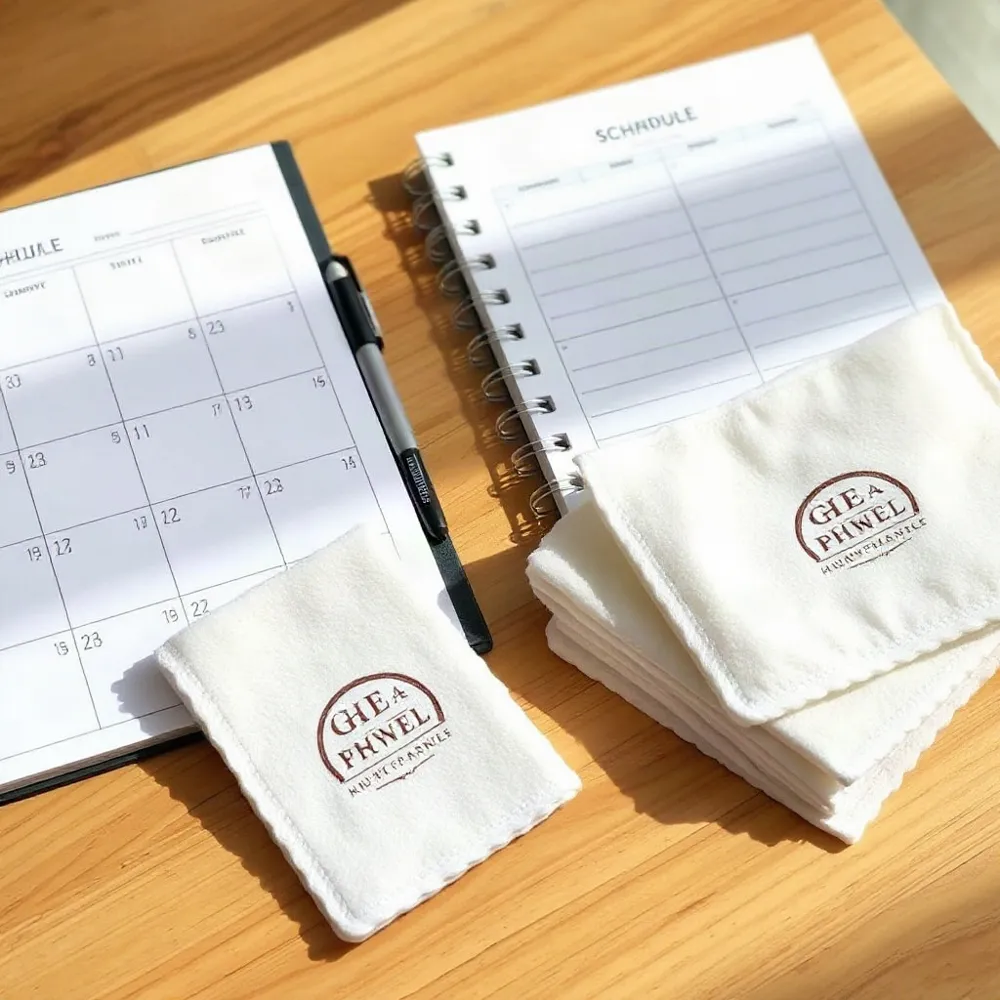
Establishing a Cleaning Schedule that designates certain tasks to specific days helps maintain consistent home cleanliness. For example, dedicating Mondays to Kitchen Cleaning Tips and Wednesdays to bathrooms prevents tasks from piling up and ensures that all areas receive attention regularly.
Breaking large chores into manageable chunks across days or weeks
Dividing overwhelming chores into smaller, focused segments makes cleaning more approachable. Tackling one primary Seasonal Home Care Tasks each weekend, like gutter cleaning or window washing, balances productivity with relaxation. Additionally, setting aside Daily 15-Minute Cleaning Routine sessions can prevent large messes from accumulating.
Sharing cleaning duties among household members for accountability
Involving all household members by assigning specific cleaning tasks encourages Shared Household Cleaning responsibility and accountability. Posting a visible schedule or calendar promotes cooperation and reduces the burden on any single individual.
Using timers for focused cleaning bursts
Using a timer to create short, focused cleaning intervals (e.g., 15 minutes) can help overcome procrastination and maintain motivation. This approach aligns with brain research showing people handle tasks more effectively in smaller, manageable time blocks, similar to a 15-minute cleaning timer.
How can I clean my house fast and efficiently without feeling overwhelmed?
Breaking tasks into small, manageable chunks with time limits, sharing responsibilities among household members, and following a set schedule keeps cleaning organized and reduces stress. This prevents chores from becoming overwhelming and makes cleaning sustainable for busy households by using approaches such as the Weekly Cleaning Schedule and How To Clean Fast.
2. Adopt Mindful Cleaning Practices

Focusing on Sensory Experiences During Cleaning
Mindful Cleaning Hacks emphasizes engaging your senses fully to transform routine chores into calming activities. Paying attention to the sound of water washing dishes, the tactile sensation of scrubbing surfaces, and the aromatic qualities of soaps enhances presence and reduces mental clutter.
Using Cleaning as a Form of Meditation and Self-Care
Turning cleaning into a meditative practice involves focusing on each motion deliberately and breathing deeply during tasks like sweeping or dusting. This intentional approach activates brain pathways similar to meditation, lowering anxiety and fostering a peaceful mindset. See more on cleaning as self-care.
Incorporating Calming Scents Like Lavender and Eucalyptus
Utilizing cleaning products infused with soothing essential oils such as Lavender and eucalyptus scents elevates the atmosphere during cleaning sessions. These natural aromas not only freshen the space but also contribute to stress reduction and emotional regulation.
Transforming Chores into Relaxing Rituals
By reshaping cleaning routines into relaxing rituals, such as pairing tasks with music or setting modest goals, individuals can experience cleaning as a form of self-care. Establishing these habits supports sustained mental well-being and encourages consistency without feeling overwhelmed. Learn how to transform cleaning into meditation.
This mindful approach to cleaning promotes a more enjoyable experience, turning necessary maintenance into therapeutic moments that enhance the overall quality and comfort of the home environment.
3. Declutter Regularly to Simplify Cleaning

What are the benefits of decluttering for reducing stress and mental distractions?
Maintaining a decluttered home environment significantly reduces mental distractions and stress. A tidy space fosters improved focus and emotional calm, making mindful cleaning hacks less overwhelming and more manageable. Reducing clutter supports mental clarity and creates a sense of control and accomplishment, contributing to overall wellbeing.
How does the 'one-in, one-out' rule and scheduled donations help?
Applying the 'one-in, one-out' rule ensures that for every new item brought into the home, one item is removed. This method helps maintain a balanced amount of belongings and prevents clutter accumulation. Additionally, Declutter before deep cleaning allows households to recycle unused items thoughtfully, reducing unnecessary possessions and simplifying future cleaning efforts.
Why is assigning 'homes' for frequently used items important?
Designating specific places for everyday items like keys, coats, shoes, and mail streamlines tidying routines and prevents clutter buildup. Known 'homes' for these items promote accountability among household members and reduce time spent searching or organizing, enhancing cleaning efficiency (see Organizing with designated item homes).
How does preventing clutter buildup contribute to easier upkeep?
By addressing small messes immediately—such as clean as you cook tips or putting items away upon leaving a room—the overall cleaning workload becomes less time-consuming. This proactive habit minimizes the need for extensive cleaning sessions and maintains a consistently neat environment.
What professional cleaning tips and tricks can improve cleaning efficiency?
Professional advice emphasizes starting with Decluttering before cleaning to create a clean workspace, facilitating quicker and more effective cleaning. Removing excess items first eliminates obstacles and allows cleaning products and tools to work effectively on surfaces, improving time management and results.
| Aspect | Benefit | Practical Tip |
|---|---|---|
| Decluttering | Reduces stress & distractions | Schedule monthly donation days |
| 'One-in, one-out' rule | Controls item accumulation | Dispose when new items arrive |
| Assigning 'homes' | Simplifies tidying | Label storage zones |
| Immediate upkeep | Prevents mess buildup | Clean small tasks promptly |
| Professional tips | Enhances cleaning speed | Declutter before deep cleaning |
4. Optimize Your Cleaning Tools and Supplies
How can professional cleaning tips and tricks improve cleaning speed and efficiency?
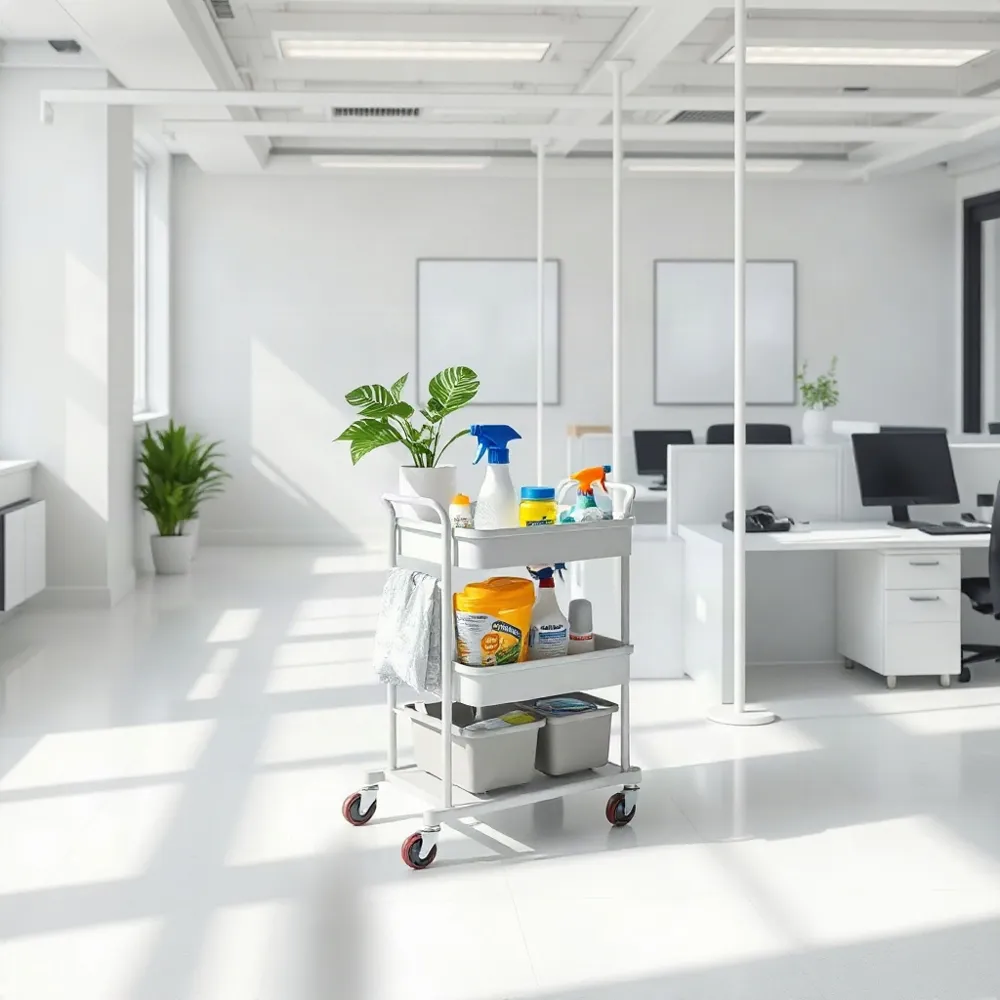
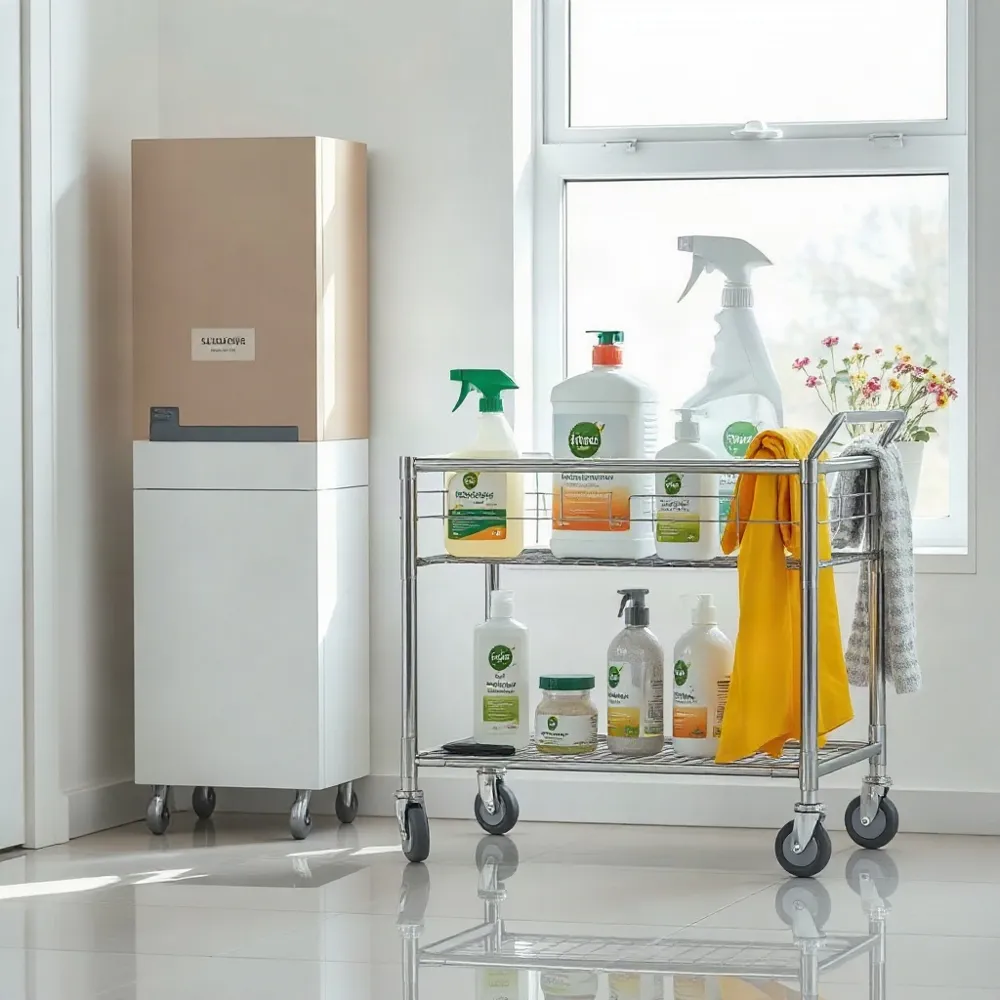
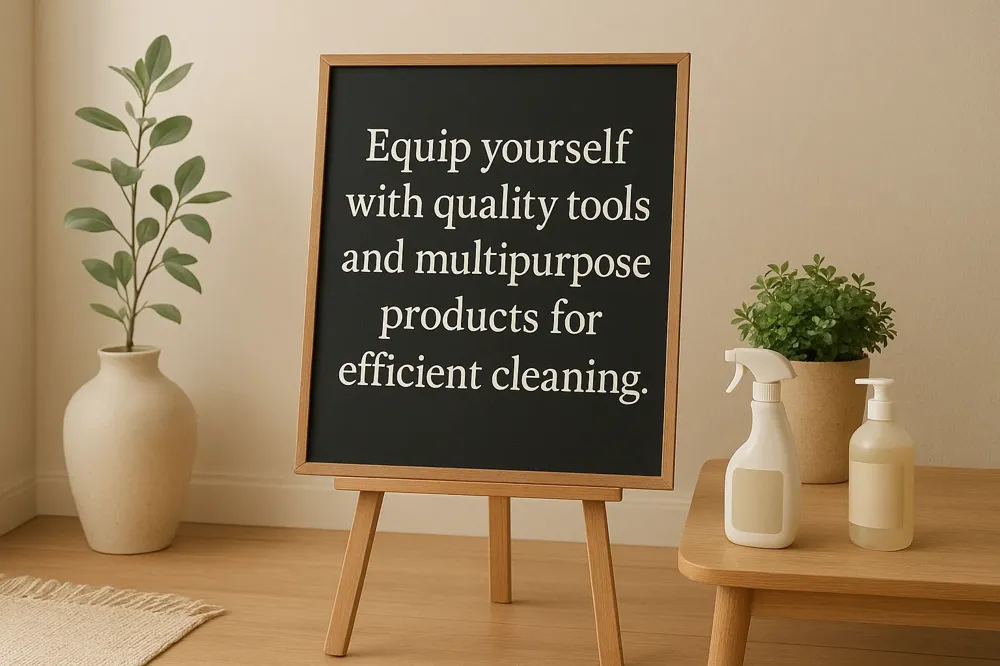
Strategically storing cleaning supplies on every floor or in key locations around the home significantly reduces the time spent retrieving tools, making routine cleaning more accessible and less daunting. For instance, keeping a caddy or basket with necessary products in the kitchen, bathrooms, and main living areas fosters a quick response to messes and encourages consistency.
Using multipurpose cleaners is highly recommended by professionals to simplify the cleaning process and minimize clutter. Versatile solutions—such as all-purpose sprays that handle surfaces like glass, countertops, and appliances—reduce confusion and streamline cleaning tasks. Simplification also means fewer products to store and manage, promoting a tidier cleaning area and more efficient workflows.
High-quality cleaning tools play a vital role in speeding up tasks and improving results. Microfiber cloths, recognized for their dirt-trapping abilities without chemicals, are essential for streak-free dusting, wiping, and polishing. Tools like spin mops equipped with wringing systems drastically cut down effort and drying times. Specialized brooms, such as those designed to effectively capture pet hair with less physical strain, also help maintain floors more efficiently.
Emphasizing the use of natural and eco-friendly cleaning products benefits both home health and the environment. Ingredients like vinegar, baking soda, and essential oils—lavender and eucalyptus, for example—offer effective cleaning while minimizing exposure to harsh chemicals. These products can be integrated into mindful cleaning routines, enhancing the overall experience and supporting sustainable home care.
In summary, organizing supplies for convenience, selecting multipurpose and natural cleaners, and investing in efficient, high-quality tools collectively transform cleaning from a chore into a faster, less stressful, and more enjoyable activity.
5. Set Up Daily Habits That Prevent Mess Build-Up

How can small daily habits improve cleaning experience?
Incorporating simple, consistent habits throughout the day significantly eases the cleaning process and reduces stress. For example, cleaning as you cook tips helps to manage kitchen mess before it accumulates. Wiping down countertops and surfaces regularly prevents grime buildup, making the kitchen more sanitary and pleasant.
Another effective habit is hanging towels to dry immediately after use. This practice not only keeps towels fresh but also prevents mildew and clutter from wet fabrics lying around. Similarly, returning items to their designated places when you leave a room prevents clutter from spreading throughout the home and simplifies tidying.
Promptly taking out the trash is essential to avoid unpleasant odors and excessive clutter, especially in kitchens and bathrooms. Establishing these small but effective routines creates a cleaner environment with less effort and less time spent on deep cleaning sessions.
By embedding these habits into daily life, households enjoy a more manageable and stress-free approach to maintaining a clean and organized home. These routines support overall well-being by reducing cleaning overwhelm and promoting sustained order and hygiene.
6. Use Strategic Room-by-Room Cleaning to Stay Focused
Assigning specific days to clean designated rooms
Creating a Cleaning Schedule Ideas that designates specific days for each room, such as the bedroom on Mondays or kitchen on Wednesdays, helps distribute tasks evenly. This approach prevents procrastination, making cleaning more manageable by focusing on one area at a time.
Cleaning from top to bottom and left to right for efficiency
Professional cleaning routines recommend starting at the highest points like ceiling fans or shelves, moving downward to surfaces and finally the floor. Cleaning in a clockwise direction or from left to right ensures no spot is missed. This systematic path reduces backtracking and improves thoroughness.
Completing one room fully before moving on
By finishing all cleaning tasks in one room before proceeding to the next, less time is wasted switching between supplies and tasks. This method increases momentum and fosters a sense of accomplishment, which supports motivation.
Reducing decision fatigue and improving thoroughness
Tackling one room per session lowers cognitive load by reducing the number of simultaneous choices, easing stress during cleaning. With a focused space, it’s easier to see results quickly, enhancing satisfaction and efficiency.
How can I clean a bedroom quickly and efficiently?
For an efficient bedroom cleaning routine, start by Declutter before deep cleaning. Then make the bed neatly, which instantly tidies the room. Follow this by wiping down all surfaces and dusting. Finish with vacuuming high-traffic areas and under the bed if accessible. This process maximizes speed while ensuring a thorough clean.
7. Transform Deep Cleaning into Manageable Sessions
How should I approach deep cleaning efficiently?
An efficient deep cleaning session begins with Declutter before deep cleaning. Removing items from surfaces and floors prepares a clear workspace, enabling better access to all areas and facilitating more effective cleaning. This initial step also removes potential obstacles that can impede cleaning and distract from the process.
Next, gather all Essential cleaning supplies beforehand. Having the right tools and products at hand minimizes interruptions and keeps your momentum.
Follow a systematic cleaning from top to bottom and left to right. Start with ceilings, ceiling fans, and vents, as dust naturally falls downward. Then clean shelves, counters, and finally the floors. This top-to-bottom sequence prevents re-contaminating cleaned areas and ensures a more comprehensive approach.
Breaking the process into smaller sections—such as dividing by rooms or zones—makes deep cleaning manageable. Focus on completing one area fully before moving to the next. This methodical breakdown reduces feelings of overwhelm and helps maintain consistent progress.
Don't overlook commonly missed spots like baseboards, vents, and behind appliances. These areas accumulate dust and grime over time and are essential for a truly deep clean.
By following this Decluttering before cleaning, cleaning from top to bottom and left to right, and Breaking Down Cleaning Chores strategy, you can accomplish thorough deep cleaning efficiently without unnecessary stress or fatigue.
8. Leverage Professional Cleaning Expertise and Services Wisely
When Should You Hire Professional Cleaners?
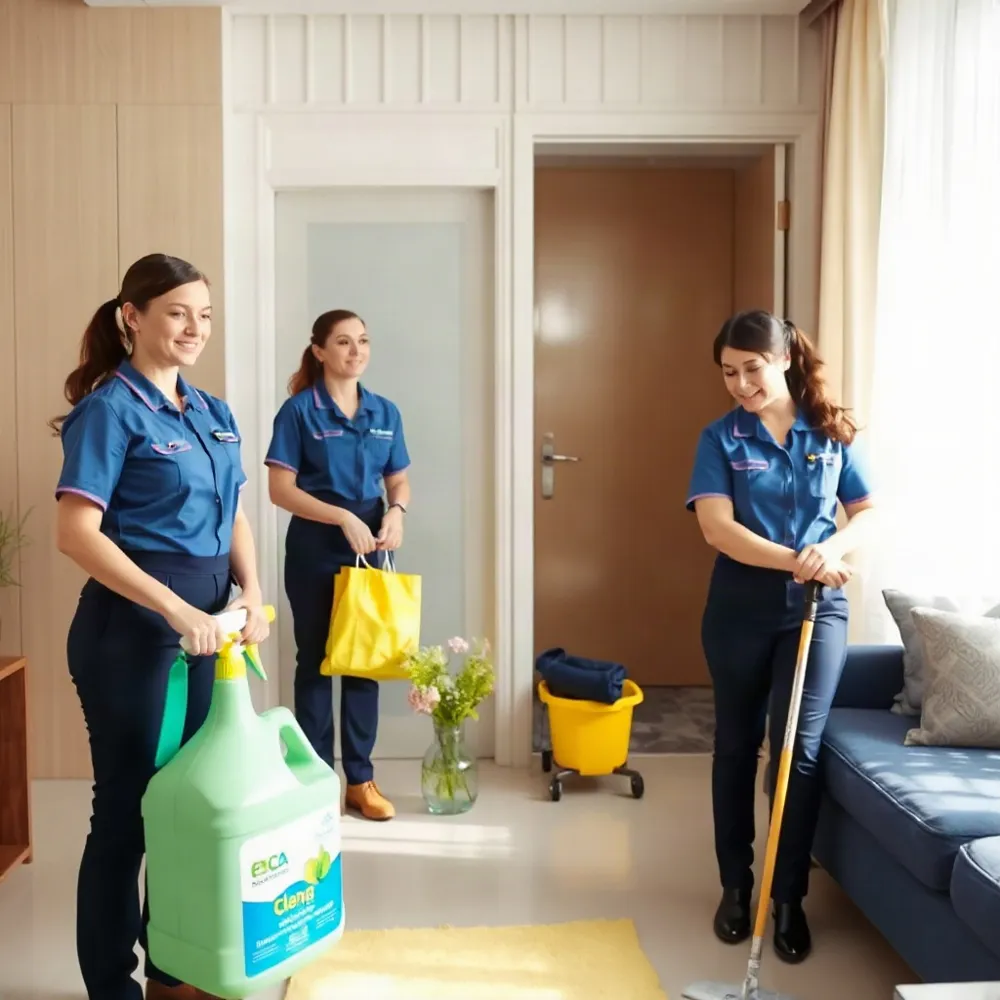
Using Professional Cleaning Services is invaluable for tackling large, time-consuming, or specialized cleaning tasks that overwhelm busy households or businesses. Routine deep cleans, seasonal chores like carpet shampooing or gutter cleaning, and intensive sanitation jobs often benefit from expert attention. Delegating these chores to trained professionals helps maintain thorough cleanliness without adding stress.
How Professional Cleaning Helps Reduce Stress
Engaging cleaning professionals decreases the physical and mental burden associated with maintaining a spotless environment. Their expertise ensures efficient, high-quality results, fostering healthier, allergen-reduced spaces and promoting mental well-being by removing cleaning-related anxiety. Busy property managers and business clients gain more time to focus on core responsibilities.
Common Professional Cleaning Priorities and Techniques
Experts typically use systematic approaches such as starting from Decluttering before cleaning, then dusting, and finishing with cleaning surfaces and floors. They employ effective tools like HEPA-filter vacuum cleaners to improve air quality, microfiber cloths for streak-free surfaces, and eco-friendly products to reduce chemical exposure. Pro cleaners clean methodically—top to bottom cleaning approach—and clockwise to avoid rework, ensuring comprehensive coverage.
Tipping Guidelines for Professional Cleaners
While tipping is voluntary, it is customary to tip professional house cleaners approximately 15-20% in cash to acknowledge quality service. This practice not only expresses gratitude but also fosters positive relationships, encouraging continued high standards of care. Property managers may incorporate this into client policies or guidance for tenants.
By knowing when to utilize House Cleaning Hacks From Professional Cleaners and understanding the proper etiquette around payment and tipping, property managers and clients alike can maintain pristine environments efficiently and stress-free.
9. Create a Positive and Motivating Cleaning Environment
How to manage cleaning motivation and minimize stress?
Maintaining motivation and minimizing stress during cleaning can be achieved by transforming the task into an enjoyable activity rather than a chore. One effective approach is to incorporate upbeat music or engaging podcasts during cleaning sessions. This auditory stimulation helps reduce boredom and keeps the mind occupied, making the process feel less tedious (Expert cleaning tips).
Cleaning alongside family members or housemates converts the chore into a social event, fostering cooperation and improving efficiency. Shared responsibilities lighten the workload and encourage a spirit of teamwork (Sharing Cleaning Responsibilities).
Establishing a reward system further incentivizes cleaning tasks. Setting specific goals and treating oneself upon completion creates positive reinforcement, which enhances motivation and commitment to cleaning routines (Stress Less About Cleaning).
Cultivating a positive mindset by practicing gratitude towards cleaning chores can also provide mental benefits. Focusing on the health benefits of a clean environment, the stress reduction it provides, and the satisfaction of completed tasks encourages a sense of accomplishment and well-being (Benefits of stress-free cleaning).
These strategies collectively promote a calm, productive, and enjoyable cleaning experience, essential for busy households and professional environments seeking efficiency coupled with comfort (Stress-Free Home Cleaning).
10. Implement Smart Cleaning Rules and Checklists
Following Smart Cleaning Rules for Efficiency
Professional cleaning emphasizes working systematically, particularly starting from high surfaces and moving downward. This top to bottom cleaning approach allows dust and debris to fall and be cleaned up later, preventing re-soiling and ensuring thoroughness. Additionally, cleaning a room from left to right and back to front avoids missing spots and minimizes wasted effort.
Utilizing Professional Cleaning Checklists
Is there a professional checklist for cleaning a house thoroughly? Yes. Tools like MaidPro’s comprehensive 49-Point Checklist guide cleaners through all critical tasks across rooms, guaranteeing no area is overlooked. These checklists streamline workflows, enhance consistency, and support quality control. Learn about professional cleaning methods to improve your cleaning routine.
Optimizing Cleaning Product Use
Allowing cleaning products to dwell on surfaces for about 5 to 15 minutes before scrubbing loosens grime effectively, reducing labor and improving results. This technique is widely adopted by professionals to increase cleaning efficiency while minimizing physical strain. Check out advice on letting cleaning products soak before wiping for better results.
Enhancing Technique with the Two-Hand Rule
The “two-hand rule” is a smart practice where one hand holds the cleaning tool (e.g., cloth or sponge) and the other handles the product spray or supplies. This method reduces time wasted switching between tools, sustains cleaning momentum, and boosts productivity. Discover more cleaning shortcuts used by professional cleaners.
Collectively, these strategies form a professional, efficient approach to home cleaning that maximizes outcomes while respecting client time and expectations. Employing structured checklists alongside proven techniques ensures a meticulous, time-sensitive service, aligning with high standards required by discerning property managers and business clients.
Professional Cleaning Tips and Tricks
What are some professional cleaning tips and tricks?
Professional cleaners rely on systematic, efficient methods that maximize cleaning effectiveness while minimizing effort. One key approach is to Decluttering before cleaning and Dusting before deep cleaning before wiping surfaces. This prepares the space by removing loose dirt and allows products to work better on cleaned surfaces.
Cleaning in a clockwise manner around any room helps avoid missing spots and ensures thorough coverage. This technique supports maintaining momentum and prevents backtracking.
Experts also advocate for simplifying cleaning supplies by utilizing using a multi-purpose cleaner, which can be applied to various surfaces. Allowing these cleaners to sit for about 15 minutes before scrubbing enables grime to loosen, reducing the physical effort needed.
A lesser-known but effective tip is to use using dryer sheets for dust for dusting hard-to-reach places like ceiling fans or baseboards. When attached securely to dusters, dryer sheets attract dust and hair efficiently, improving cleaning speed and thoroughness.
Additionally, professional cleaners incorporate practical House Cleaning Hacks From Professional Cleaners: steaming microwaves with a lemon essential oil solution to soften food residue for easy wiping, and soaking greasy stove burners overnight in ammonia-filled plastic bags to dissolve grime with minimal scrubbing. These tricks save time, reduce physical strain, and enhance cleaning outcomes.
Adopting these professional tips can transform home cleaning into a more efficient, less daunting task while delivering spotless results and a fresher living environment.
Effective House Cleaning Tips and Hacks
What are some effective house cleaning tips and hacks?
Natural ingredients offer practical and eco-friendly solutions for various cleaning challenges around the home. For example, lemon and baking soda work wonders for removing stubborn stains and neutralizing odors. Baking soda also doubles as an excellent deodorizer and abrasive cleaning agent, while lemon adds a fresh scent and natural acid to break down grime. House Cleaning Hacks From Professional Cleaners
To achieve a streak-free shine on stainless steel appliances, applying a small amount of olive oil with a microfiber cloth effectively polishes surfaces without harsh chemicals, leaving a smudge-free finish. House Cleaning Hacks From Professional Cleaners
Shaving cream is an unexpected yet effective product for cleaning oven doors. Its foaming action cuts through grease and grime, making the cleaning process easier without the need for strong chemical cleaners. House Cleaning Hacks From Professional Cleaners
Cleaning narrow or hard-to-reach gaps—like between tiles or appliances—is simpler by wrapping a soft cloth around a butter knife. This tool combination lets you reach tight spaces without scratching surfaces. House Cleaning Hacks From Professional Cleaners
When dusting window blinds, use a vacuum cleaner fitted with a brush attachment. This method quickly removes dust and allergens without scattering debris into the air, preserving indoor air quality. Decluttering before cleaning
It's important to avoid vinegar on natural stone countertops and hardwood floors. Vinegar’s acidity can damage these surfaces, dull finishes, or cause etching. Use appropriate cleaners formulated specifically for these delicate materials instead. Leslie Corona cleaning expertise
These smart tips and hacks streamline household cleaning by using safe, accessible ingredients and common tools, delivering thorough results while protecting home surfaces. House Cleaning Hacks From Professional Cleaners
Quick and Efficient Bedroom Cleaning
How can I clean a bedroom quickly and efficiently?
To clean a bedroom swiftly and effectively, begin by Decluttering Before Cleaning both dirty and clean clothes from surfaces and floors. This initial step reduces visual chaos and prepares the room for deeper cleaning.
Make the bed neatly to instantly uplift the room’s appearance and create a focal point of order. Open the windows briefly to air out the room, promoting freshness and better indoor air quality.
Next, wipe down all surfaces—including nightstands, dressers, and shelves—using a types of microfiber cloths paired with an Using a multi-purpose cleaner. Microfiber cloths are particularly efficient in trapping dust without spreading particles.
Focus vacuuming or sweeping efforts on the room's traffic areas, such as pathways beside the bed and near entry points, to efficiently remove dust and debris that accumulate with foot traffic.
Establishing a consistent cleaning in 10-15 minute intervals routine for these tasks not only keeps the bedroom tidy but also makes regular maintenance manageable and stress-free, preventing future overwhelming chores. This approach aligns with best practices for busy households seeking Benefits of a Clean Home and pleasant bedroom environments.
Efficient Deep Cleaning Approach
How should I approach deep cleaning efficiently?
Efficient deep cleaning begins with Declutter before deep cleaning from the area. Removing unnecessary items and tidying surfaces prevents obstacles and allows cleaning products and tools to reach all spots effectively. Experts recommend tidying before organizing or cleaning to minimize stress and maximize efficiency.
Next, gather all necessary cleaning supplies in advance. This includes microfiber cloths, scrub brushes, appropriate cleaners, gloves, a vacuum, mop, and specialty tools. Keeping supplies organized in a portable caddy or basket reduces interruptions and streamlines the process.
A widely advised method is to cleaning shortcuts used by professional cleaners in each space. Start with ceilings, vents, shelves, and window tops, gradually moving downward toward counters, baseboards, and floors. This prevents dust and debris from falling onto already cleaned areas, reducing the need for repetition.
Cleaning Strategies for Overwhelmed Homeowners is effective. Tackling one room or area at a time allows focused attention and prevents overwhelm, ensuring thoroughness and better time management.
Special attention should be given to house cleaning secrets such as baseboards, window tracks, and vents. These spots accumulate grime and allergens but are frequently neglected. Cleaning these enhances the overall cleanliness and promotes a healthier indoor environment.
Employing these strategies transforms deep cleaning into a manageable, less stressful task, improving both physical and mental well-being in the home or workplace.
Professional Bathroom Cleaning Tips
What professional cleaning tips are recommended for bathrooms?
Professional bathroom cleaning follows a systematic approach to ensure thoroughness and prevent spreading dirt. It begins with Dusting before deep cleaning high surfaces like vents and light fixtures first to avoid dispersing dust onto already cleaned areas.
Cleaning proceeds from the Cleaning in a clockwise manner, which protects surfaces and improves efficiency. Starting with mirrors and countertops before moving on to toilets and floors reduces cross-contamination.
For stubborn soap scum on tubs and tiles, a mixture of Baking soda and vinegar drain cleaning myth is an effective, natural solution. Applying this combination allows cleaning without harsh chemicals while breaking down residue.
Pre-cleaning surfaces before disinfecting high-touch areas such as faucets, handles, and light switches is essential to reduce germs and allergens. Professional cleaners often use EPA-approved disinfectants or diluted bleach solutions following safety guidelines.
Maintaining grout is important, and hydrogen peroxide is utilized to whiten grout lines and inhibit mold growth. Application involves scrubbing with a nylon brush to avoid damaging tiles while ensuring a deep clean.
The use of Types of microfiber cloths is preferred as they trap dirt and bacteria effectively without scratching surfaces. Nylon brushes complement cloths by reaching into crevices such as grout or around fixtures, enabling a thorough yet gentle clean.
Together, these methods embody professional bathroom cleaning standards, ensuring a sanitary, fresh, and safe environment suitable for any property management or business facility seeking impeccable hygiene and presentation.
Embrace Cleaning as a Path to Peaceful Living
Practical Tips for Stress-Free Cleaning
Adopt a cleaning schedule that breaks tasks into manageable intervals, such as daily 15-minute sessions or dedicating days to specific rooms. Use accessible cleaning supplies placed strategically throughout your home to encourage regular maintenance. Incorporate small habits like tidying as you cook, immediately hanging wet towels, and putting away items when leaving a room to prevent clutter buildup. Implement evening routines, such as wiping kitchen surfaces and running the dishwasher, to prepare your home for the following day.
Cultivating a Positive Cleaning Mindset
Approach cleaning as a mindful activity rather than a chore. Engage your senses by using aromatic cleaning products with scents like lavender or eucalyptus, and practice focusing on the present moment during tasks. Reward yourself for accomplishments and involve family members to foster shared responsibility. By transforming cleaning into a meditative and purposeful experience, you can enhance your motivation while reducing stress.
Health and Wellbeing Benefits of a Clean Home
Maintaining an orderly, germ-free environment reduces allergens and exposure to harmful bacteria, supporting family physical health. Beyond physical benefits, a decluttered, organized space has been shown to reduce stress levels and improve emotional regulation and productivity. This contributes to a more tranquil living environment, improving overall mental wellbeing and fostering a balanced lifestyle.
By adopting these strategies, cleaning becomes a sustainable, rewarding practice that supports health, peace, and a harmonious home life.
Recent articles