Carpet Cleaning Innovations: Low‑Moisture Techniques for Apartments


Why Low‑Moisture Cleaning Matters for Modern Apartments
Traditional steam cleaning saturates carpet fibers with large volumes of water, often using 20‑30 gal per 100 sq ft. The excess moisture extends drying times to 6‑12 hours, increasing utility consumption for heating or dehumidification and generating wastewater that must be treated. In contrast, low‑moisture methods such as encapsulation, dry‑foam, or oxygen‑powered systems use only 5‑15 % of that water, conserving municipal supplies and reducing the carbon footprint of each job.
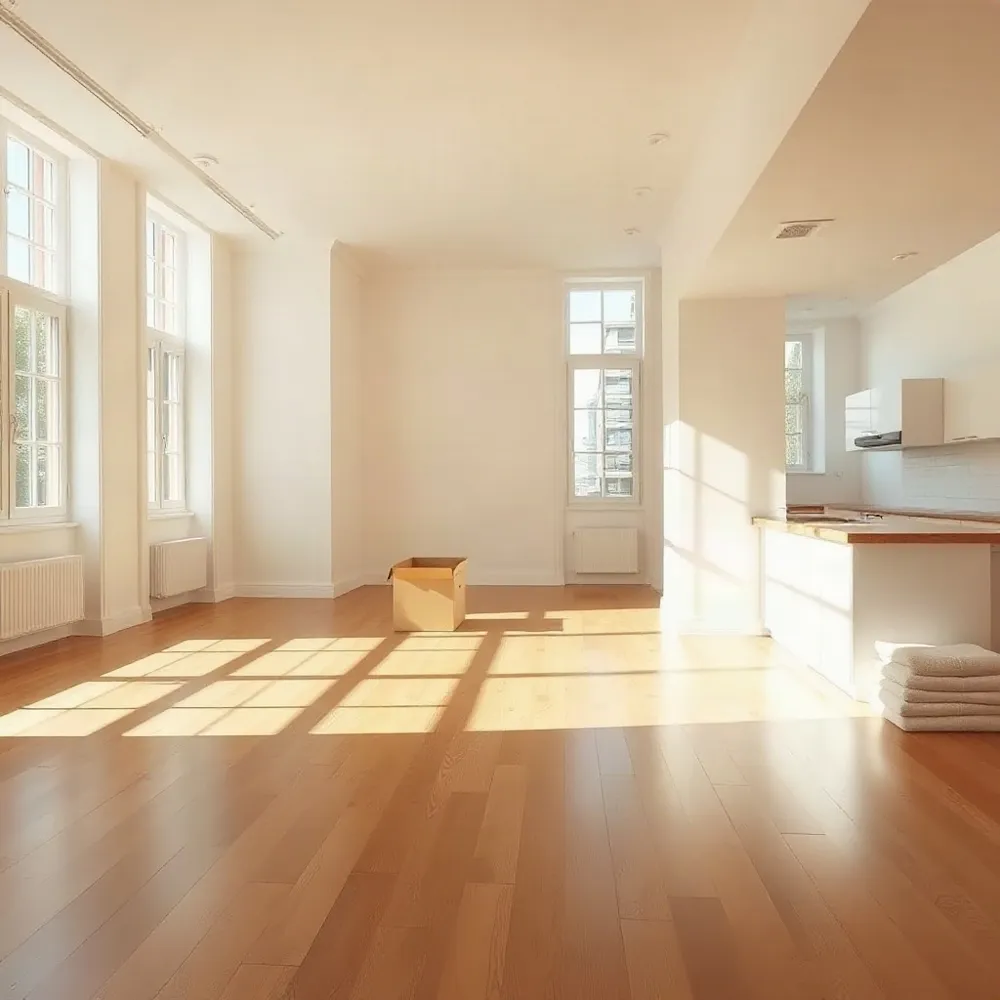
Apartment turnover schedules are driven by tight move‑out/move‑in windows. Property managers need carpets ready within a few hours to avoid vacancy loss. Low‑moisture cleaning dries in 30‑60 minutes—often under one hour—allowing furniture to be returned and new tenants to occupy the unit the same day. This speed translates directly into higher occupancy rates and lower labor costs.
Health‑wise, less water means a dramatically lower risk of mold, mildew, and bacterial growth beneath the carpet backing. Biodegradable, low‑VOC solutions trap allergens in polymer crystals that are vacuumed away, removing up to 95 % of dust mites, pet dander, and pollen without leaving residue. The result is cleaner indoor air, fewer asthma triggers, and higher tenant satisfaction—key metrics that modern apartment owners increasingly demand.
Understanding Low‑Moisture Carpet Cleaning

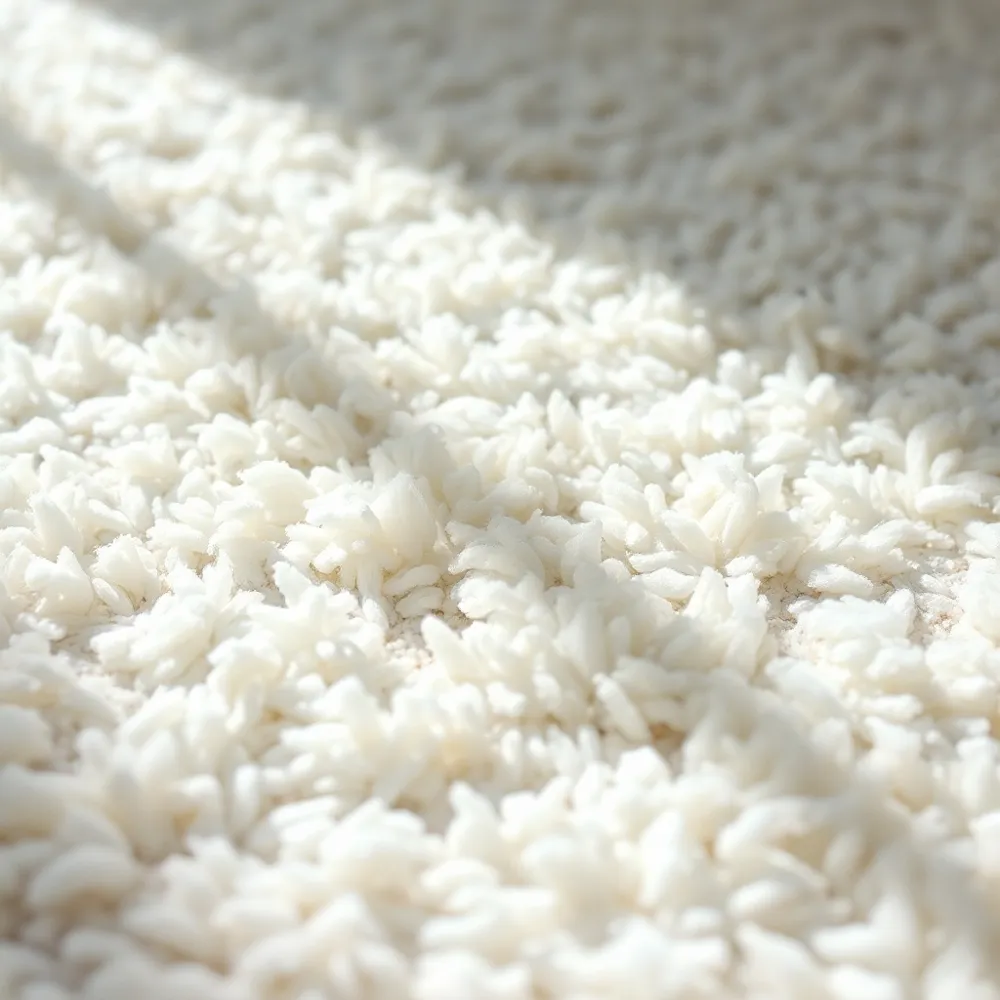
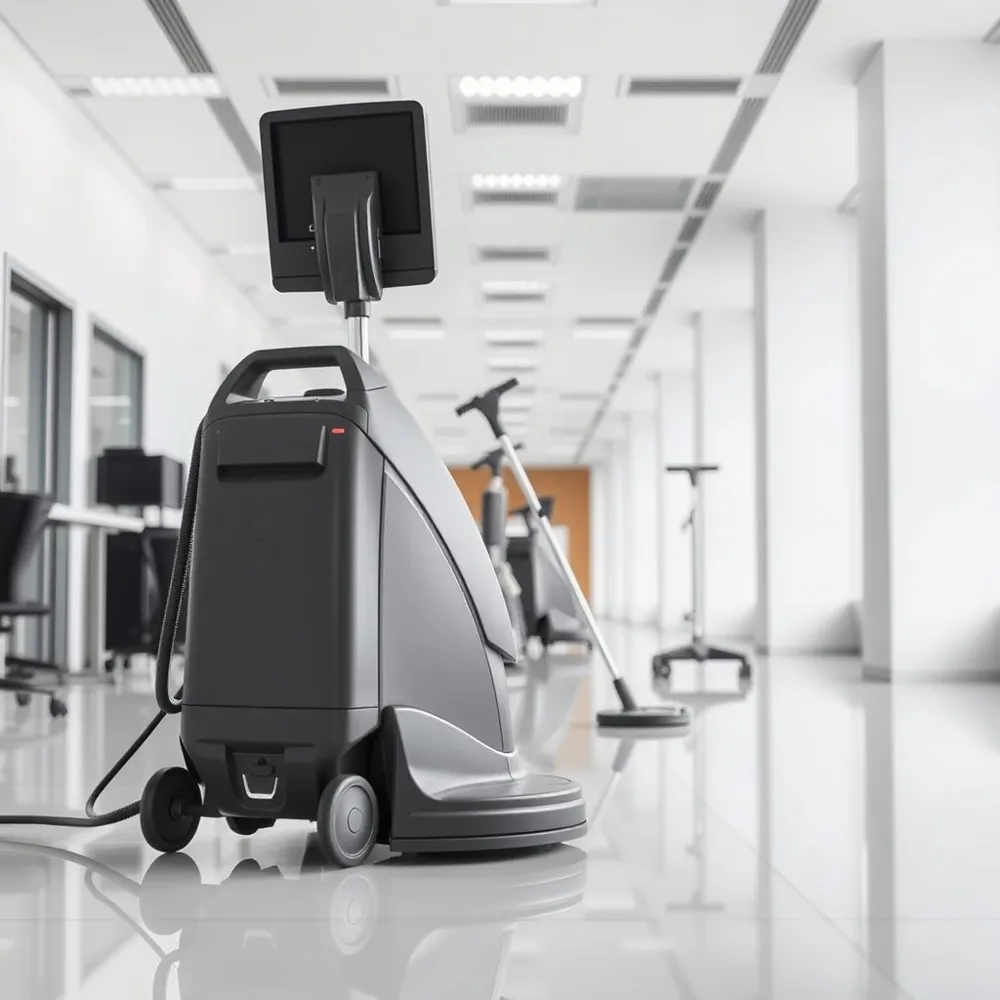
Low‑moisture carpet cleaning (LMCC) is a cleaning approach that applies only a thin mist of liquid—often a polymer‑based encapsulating solution or a biodegradable dry‑compound—followed by agitation and thorough vacuum extraction. The core principle is to trap soil particles in a crystal‑like film that can be removed without saturating the carpet, allowing the fibers to dry quickly. Typical LMCC jobs use only 5‑15 % of the water required by traditional hot‑water extraction, resulting in drying times of 30 minutes to two hours, far faster than the 6‑12 hours needed for steam cleaning. Equipment compatible with LMCC includes CRB (counter‑rotating brush) machines, bonnet systems, orbital or rotary extractors, and HEPA‑filtered vacuums that capture fine dust and allergens during the post‑cleaning vacuum pass. Recommended product characteristics are encapsulation chemistry that crystallizes soil, neutral‑pH formulas (pH 4‑10) to protect carpet fibers, and foam‑control properties that limit moisture retention. These features together deliver rapid turnaround, reduced water consumption, and a lower slip‑and‑fall risk—making LMCC ideal for high‑traffic apartments, hotels, and office buildings.
Safety First: The Safest Carpet Cleaning Method

Hot‑water extraction (commonly called steam cleaning) is widely recognized as the safest carpet‑cleaning method for high‑traffic residential and commercial properties. The process injects hot water and a low‑pH, eco‑friendly alkaline‑water solution into the carpet fibers, then immediately extracts the moisture with a powerful vacuum. The high temperature sanitizes the fibers, meeting carpet‑manufacturer warranty requirements while eliminating dust‑mite, mold, and bacterial spores. Modern extraction equipment incorporates quick‑dry technology—often HEPA‑filtered vacuums and low‑pressure spray—that leaves carpets only 10‑15 % as wet as traditional methods, reducing the risk of mold growth and allowing foot traffic within 30‑60 minutes. By using biodegradable, non‑toxic cleaning agents, the method protects indoor air quality and aligns with EPA Safer Choice standards. Property managers benefit from a clean, hygienic environment, minimal downtime, and compliance with warranty and health‑safety guidelines.
Allergy Relief and Indoor Air Quality

Low‑moisture carpet cleaning is a powerful tool for property managers who want to improve indoor air quality and reduce allergy triggers for residents. By using encapsulation or dry‑foam formulas, the process lifts and crystallizes pet dander, pollen, dust‑mite droppings, and other microscopic debris. Once the soil is encapsulated, a HEPA‑filtered vacuum removes it, leaving the carpet fibers significantly cleaner and lighter. Because the carpet remains only slightly damp, drying times are typically 30‑60 minutes, which dramatically cuts the window for mold spores to develop—one of the most common contributors to respiratory irritation in high‑traffic apartments.
Studies from the Carpet and Rug Institute and independent air‑quality testing show that low‑moisture methods can eliminate up to 94 % of common allergens while using 80‑95 % less water than traditional steam extraction. This rapid drying also prevents the growth of mildew and bacterial colonies that can exacerbate asthma and allergy symptoms.
Can carpet cleaning help with allergies? Yes, carpet cleaning can significantly reduce allergy symptoms. Professional deep‑vacuuming and low‑moisture encapsulation remove microscopic particles such as pet dander, pollen, dust‑mite droppings, and other debris that become trapped in carpet fibers. By eliminating these allergens, the concentration of irritants in indoor indoor air drops, making breathing easier for those with sensitivities. Regular cleaning also prevents the buildup of mold spores and bacterial growth that can aggravate respiratory issues. For the best results, schedule routine cleanings and consider using eco‑friendly hypoallergenic cleaning solutions that are safe for both your family and the environment.
A recent testimonial from a Minneapolis apartment complex manager reads, “Since switching to low‑moisture encapsulation, resident complaints about allergy flare‑ups have dropped by 40 %, and we’ve seen faster turnover because carpets are ready for new tenants in under an hour.”
Cost Insights: Cleaning a 9×12 Rug

A 9 × 12‑foot rug (108 ft²) is classified as an oversized area rug. Professional cleaning typically falls between $250 and $600, depending on several key variables.
Materials – Wool, silk, or hand‑knotted rugs command higher rates than synthetic or cotton because they require gentler, often hand‑wash methods.
Cleaning method – Low‑moisture encapsulation or dry‑clean techniques cost less than full‑steam extraction, while hand‑washing or specialty treatments (e.g., delicate fiber care) increase labor.
Extra services – Stain removal, pet‑odor mitigation, rug cleaningand‑delivery, or protective treatments can add $50‑$150.
Most cleaners quote a per‑square‑foot price, averaging $2‑$8 per ft²; applying this to 108 ft² yields the $250‑$600 range.
For an exact figure, request a site‑specific estimate from a local rug‑cleaning specialist who can assess condition, material, and any additional concerns.
Six Proven Carpet Cleaning Techniques

Professional carpet cleaning offers a range of techniques to suit different carpet types and cleaning needs, especially for high‑traffic residential and commercial properties. Hot‑water extraction (steam cleaning) injects heated water and a biodegradable detergent under pressure, then extracts the soil‑laden water, removing up to 94 % of common allergens while using low‑VOC, eco‑friendly solutions. Dry‑compound cleaning applies an absorbent, plant‑based powder that bonds to oils and soils; the powder is vacuumed away, leaving the carpet virtually dry within 30‑45 minutes—ideal for quick apartment turn‑over. Shampooing uses a foamy detergent that is worked into the fibers and later removed after drying; while effective for heavy soils, it requires more water and longer drying times. Bonnet cleaning employs a rotating pad soaked in a low‑moisture solution to lift surface dirt, providing a fast refresh for low‑traffic areas with minimal moisture. Encapsulation (low‑moisture cleaning) applies a polymer‑based solution that crystallizes soil particles; after a brief dwell, the encapsulated debris is vacuumed away, allowing foot traffic in 30 minutes to 2 hours and reducing mold risk. Eco‑friendly steam cleaning uses only water or EPA‑Safer Choice certified cleaners, delivering deep cleaning without harsh chemicals, supporting healthier indoor air quality and aligning with sustainability goals. Property managers value these methods for their rapid drying, water conservation (up to 95 % less water), and low slip‑and‑fall risk, while tenants appreciate the pet‑ and child‑safe formulations and the quick return to occupancy.
Low‑Moisture Encapsulation Explained

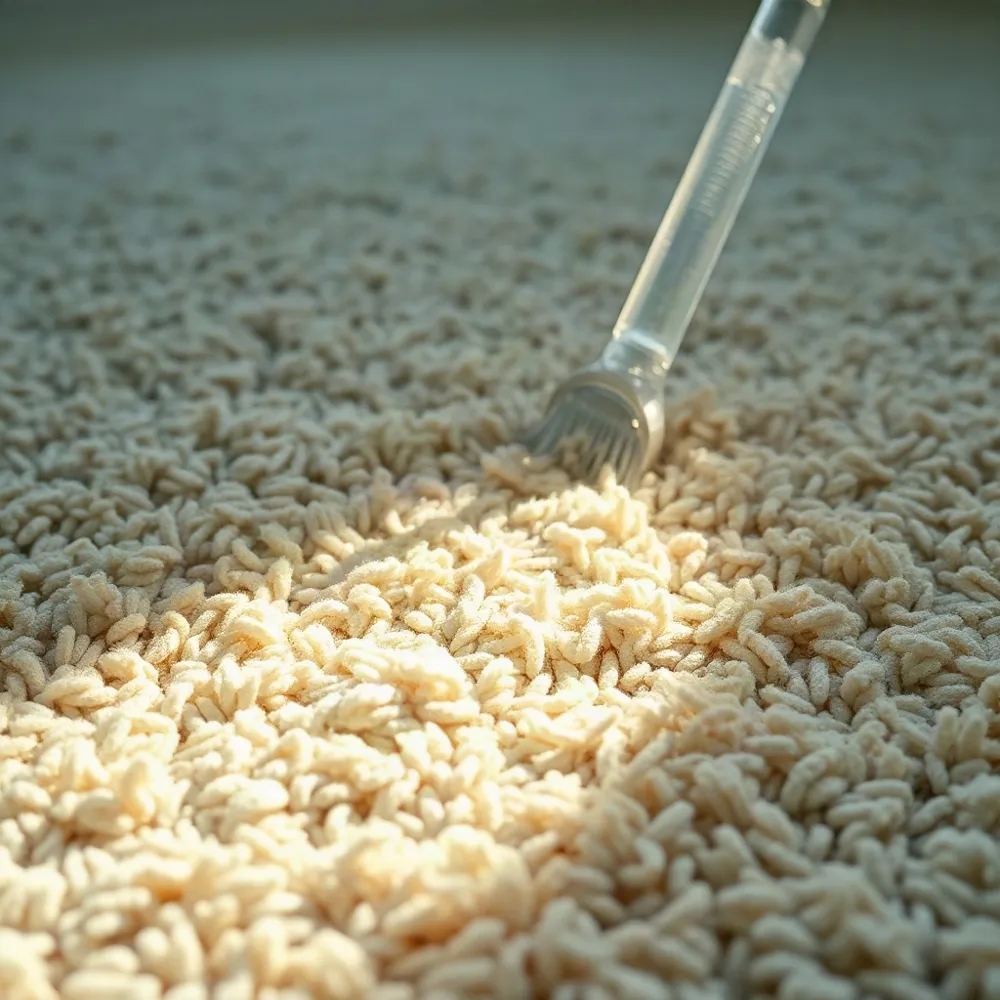
Low‑moisture encapsulation carpet cleaning uses a polymer‑based encapsulating agent that bonds to soil particles, forming a brittle crystal that can be vacuumed away. The solution is applied as a thin mist and worked into the fibers with a counter‑rotating brush (CRB) or oscillating pad machine, ensuring even distribution without saturating the backing. Because only 10‑15 % of the water used in traditional steam extraction is required, carpets dry in 30 minutes to two hours, allowing units to be re‑occupied almost immediately and minimizing vacancy loss for property managers. This method excels in high‑traffic apartments, hotels, and office buildings where quick turnaround and low slip‑and‑fall risk are critical. It also conserves water, reduces mold risk, and prolongs carpet life.
What is low‑moisture encapsulation carpet cleaning? Low‑moisture encapsulation carpet cleaning is a maintenance method that uses a specially formulated detergent containing a crystallizing or encapsulating agent. The solution is worked into the carpet fibers with a counter‑rotating brush machine, where it surrounds each soil particle and transforms it into a dry, hardened crystal. Because only a thin layer of moisture is applied, the carpet typically dries in 30 minutes or less, allowing occupants to return to the space almost immediately. After the encapsulated soil has dried, a regular vacuum removes the crystals along with the dirt, leaving a refreshed appearance. This technique is ideal for high‑traffic residential and commercial areas, offering quick turnaround, reduced water usage, and extended carpet life.
Practical Guidance for Apartment Residents

Apartment tenants play a key role in preserving carpet condition throughout their lease. Most leases require regular vacuuming, prompt spot‑cleaning of spills, and a professional deep‑clean at move‑out to return the carpet to its original state; failure can result in security‑deposit deductions.
Effectiveness of low‑moisture cleaning – Low‑moisture methods such as Very Low Moisture (VLM), Counter‑Rotating Brush (CRB) and encapsulation use only 10‑15 % of the water of traditional steam cleaning. The polymer‑based solution crystallizes soil, which is then removed by a HEPA‑filtered vacuum, drying the carpet in 30 minutes to two hours. This rapid drying prevents mold, preserves fibers, and delivers a residue‑free, fresh‑smelling carpet—proven by Oxi Fresh, Chem‑Dry, and Bravo Cleaning across Minneapolis, Sarasota, and Wichita.
Step‑by‑step DIY cleaning – 1) Move furniture and sweep loose debris. 2) Spot‑treat stains with a non‑toxic solution (e.g., equal parts white vinegar and water). 3) Vacuum the entire area to lift dust and allergens. 4) Apply an eco‑friendly cleaning solution (a cup of white vinegar and a tablespoon of baking soda in warm water) using a low‑moisture machine or a mop‑type washer, working in small sections. 5) Extract excess moisture and let the carpet air‑dry for 30 minutes to two hours before returning furniture.
Pricing and eco‑friendly alternatives – $30 per hour is below the typical $40‑$60 rate for qualified technicians who use certified green products and proper equipment. Investing slightly more ensures biodegradable use of biodegradable, low‑VOC agents, reducing indoor air pollutants and water consumption.
Non‑toxic cleaning options – Natural ingredients such as baking soda, essential‑oil‑infused powders, and vinegar‑water blends safely remove odors and stains without harsh chemicals, protecting children, pets, and indoor air quality. For optimal results, consider a professional low‑moisture service that combines these green practices with industry‑standard expertise.
Turning Over Faster, Cleaner, and Greener
Low‑moisture carpet cleaning delivers the quick‑dry performance property managers need for rapid apartment turnover—drying in 30 minutes to two hours, cutting vacancy periods and reducing mold‑risk. Using encapsulation, dry‑foam or carbonated‑bubble technologies, the process uses only 5‑15 % of the water of traditional steam extraction, conserving municipal resources and lowering utility costs. Bravo Cleaning leverages 20 + years of Minneapolis expertise, certified IICRC technicians, and biodegradable, low‑VOC solutions that are safe for children, pets and the environment. Our low‑moisture protocol—pre‑vacuum, even application, proper agitation, dwell time, and final HEPA‑vacuum—removes up to 94 % of allergens and stains while preserving carpet integrity. Property managers can schedule same‑day cleanings, receive a 7‑day 100 % satisfaction guarantee, and market their buildings as eco‑friendly. Contact Bravo Cleaning today to streamline turnover, protect carpet life, and enhance resident satisfaction.
Recent articles