Reducing Vacancy Time for Minneapolis Apartment Communities


Navigating the Changing Minneapolis Rental Landscape
The Minneapolis multifamily market has experienced significant shifts since 2020, moving from a peak vacancy rate of 9.5 percent to a more stabilized 6.7 percent as of January 2025 per Minneapolis Federal Reserve data. With construction of new units slowing due to high interest rates, property managers now face a competitive environment where maintaining occupancy is paramount.
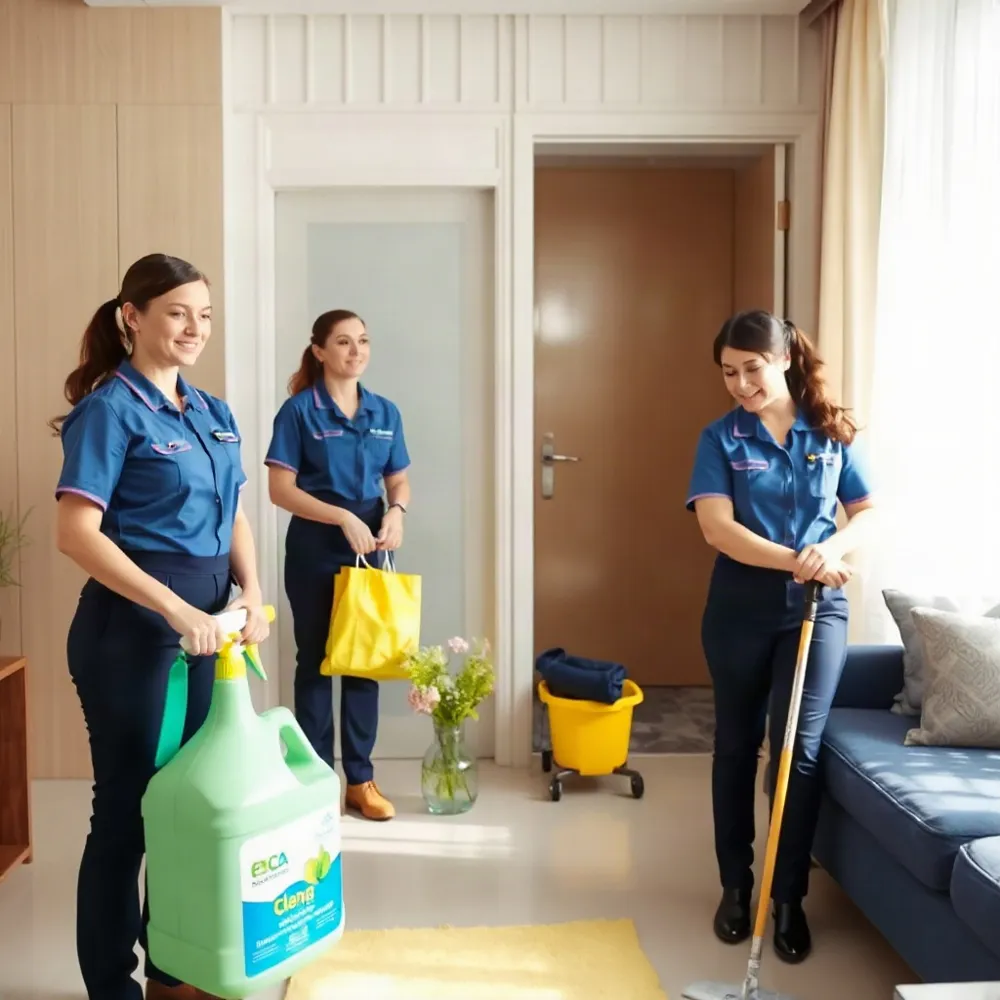
Efficiency during unit transitions has become a primary driver of profitability. While many firms report turnover costs often exceeding $3,500 per unit (source: Multihousing News), high-quality turnover services turn these vacancies into opportunities for retention. Unlike general maintenance providers that may delay schedules, the dedicated cleaning teams at Bravo Cleaning prioritize rapid turnarounds to ensure units are move-in ready, helping managers avoid the risks of prolonged downtime.
Reliable cleaning is not just about aesthetics; it is a legal and operational necessity. Minneapolis mandates that rental properties be maintained in a safe condition (see City of Minneapolis housing guidelines). By outsourcing to specialists who understand these local requirements, property managers ensure compliance while protecting their investment. Whether it is deep cleaning for move-outs or routine care for common areas, bravocleaningmn.com provides the flexible, eco-friendly approach necessary to keep Minneapolis properties competitive and welcoming.
The Evolution of Minneapolis Rental Market Dynamics

The Minneapolis multifamily housing market entered a period of rapid expansion between 2018 and 2022, during which over 18,000 new units were added to the regional inventory. This construction pipeline hit a high point in 2019, with more than 4,600 units permitted in that year alone per 2025 Minneapolis Federal Reserve data. However, this momentum stalled as high interest rates and rising operating expenses increased the cost of development, causing new permits to fall sharply to 1,043 in 2023 and 351 in 2024.
These shifting market conditions directly influence how property managers define their operational success. Increased competition from new supply, coupled with vacancy rates that peaked at 9.5 percent in 2020 before reaching a localized stabilization of 6.7 percent by early 2025, requires a new standard of vigilance. While some neighborhoods see higher demand, the ability to minimize unit downtime remains the most effective lever for maintaining consistent rental income.
How do current vacancy trends impact professional property management?
Current vacancy trends in the multifamily market are increasingly driven by fluctuations in housing supply, compelling property managers to adopt highly efficient, proactive operational strategies. To remain competitive, managers must prioritize exceptional turnover services that ensure units are pristine and move-in ready, as today's tenants place a premium on quality and cleanliness. Beyond mere maintenance, this environment necessitates a focus on tailored cleaning solutions and flexible, eco-friendly practices that can improve a property's appeal to prospective residents.
By partnering with experienced cleaning providers, property managers can standardize the quality of their unit turnarounds rather than relying on inconsistent vendor performance. For instance, dedicated cleaning teams can help reduce turnover time, directly protecting the bottom line by shortening the gap between residents. Ultimately, those who emphasize reliability and meticulous attention to detail in their turnover process are best positioned to attract and retain tenants in a dynamic, supply-heavy market.
Defining Excellence in Apartment Turnover Cleaning

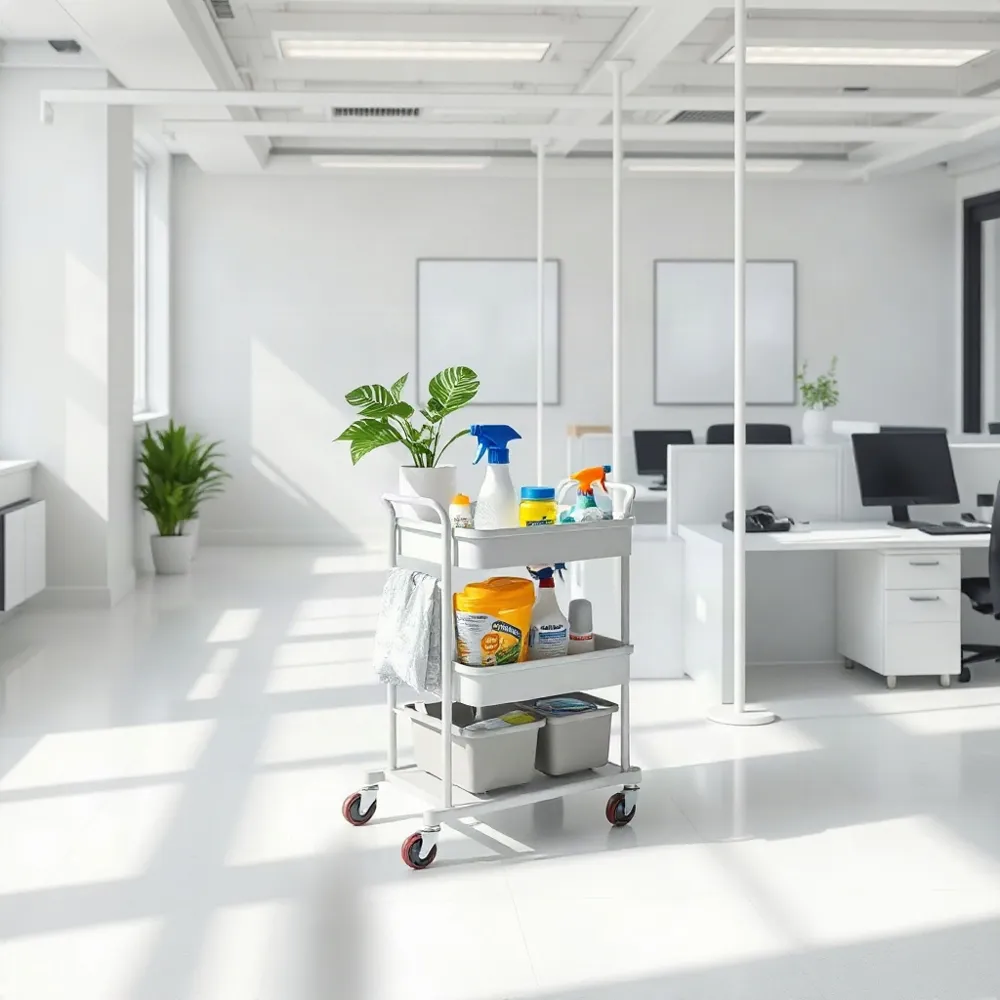
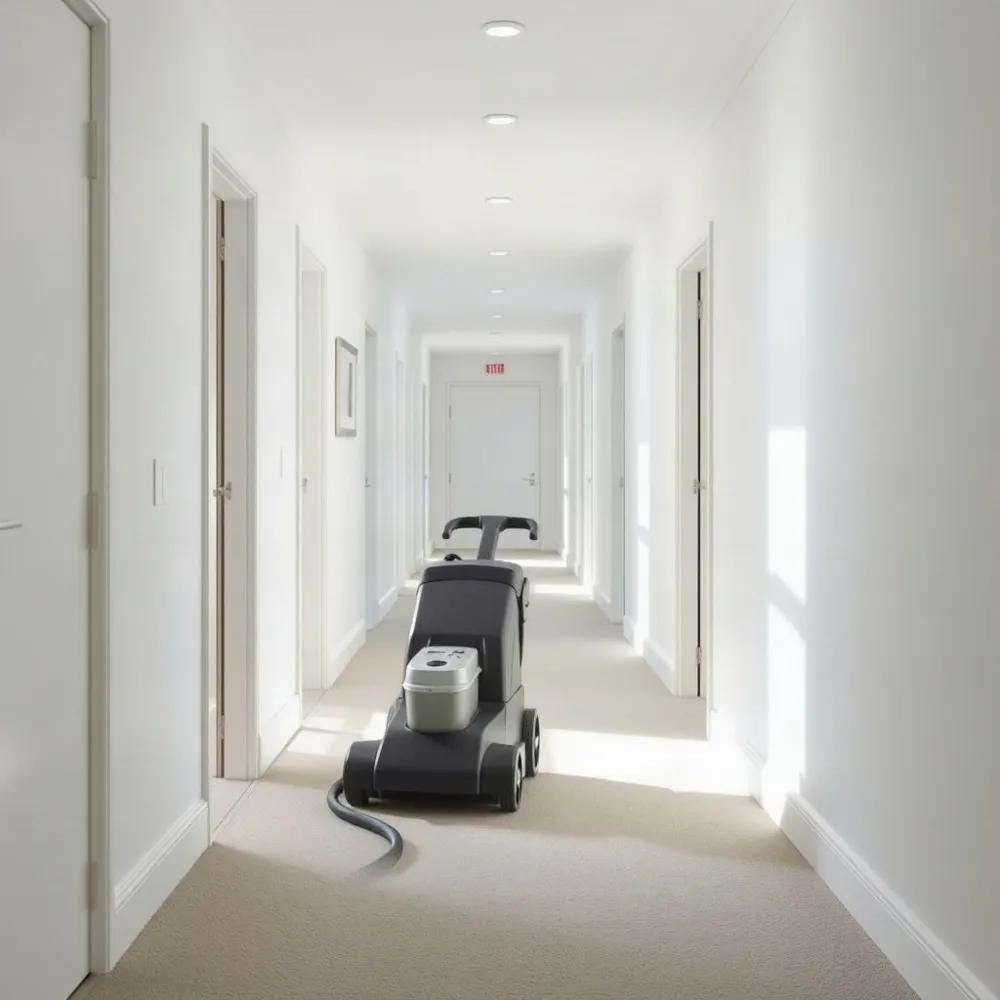
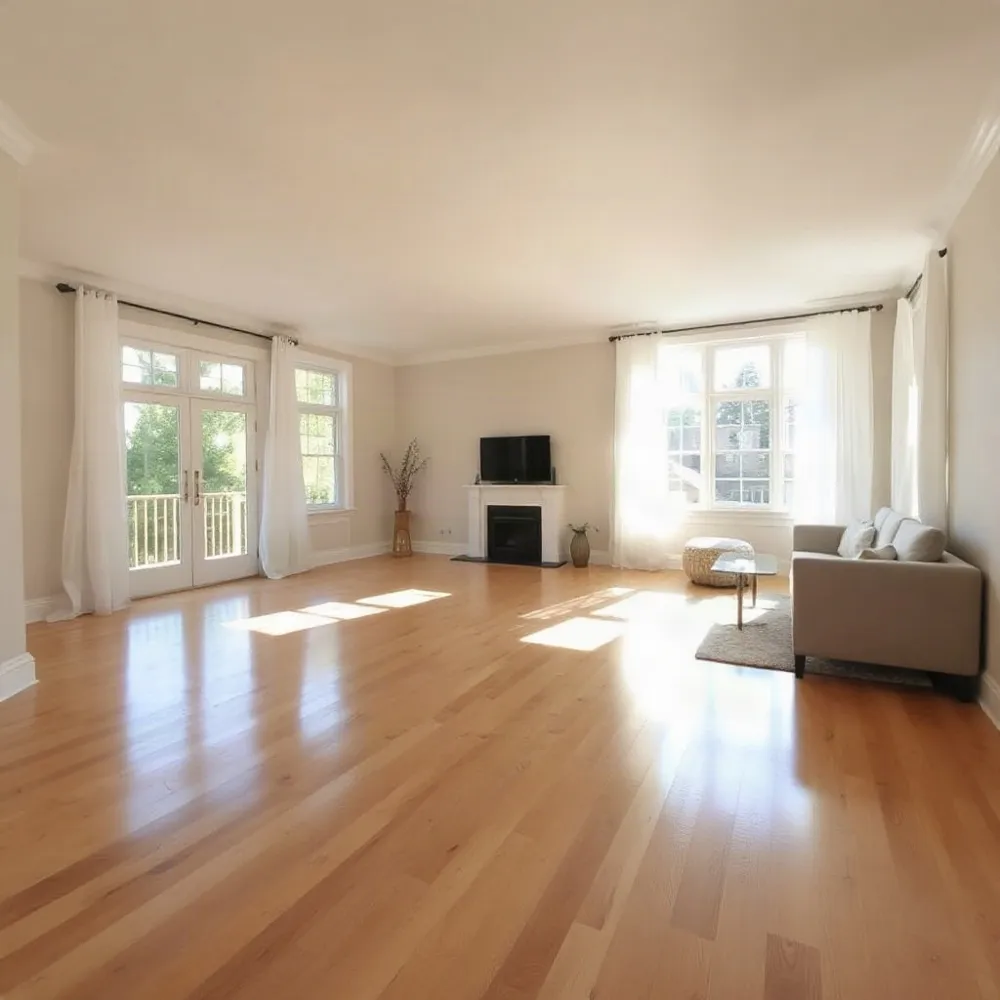
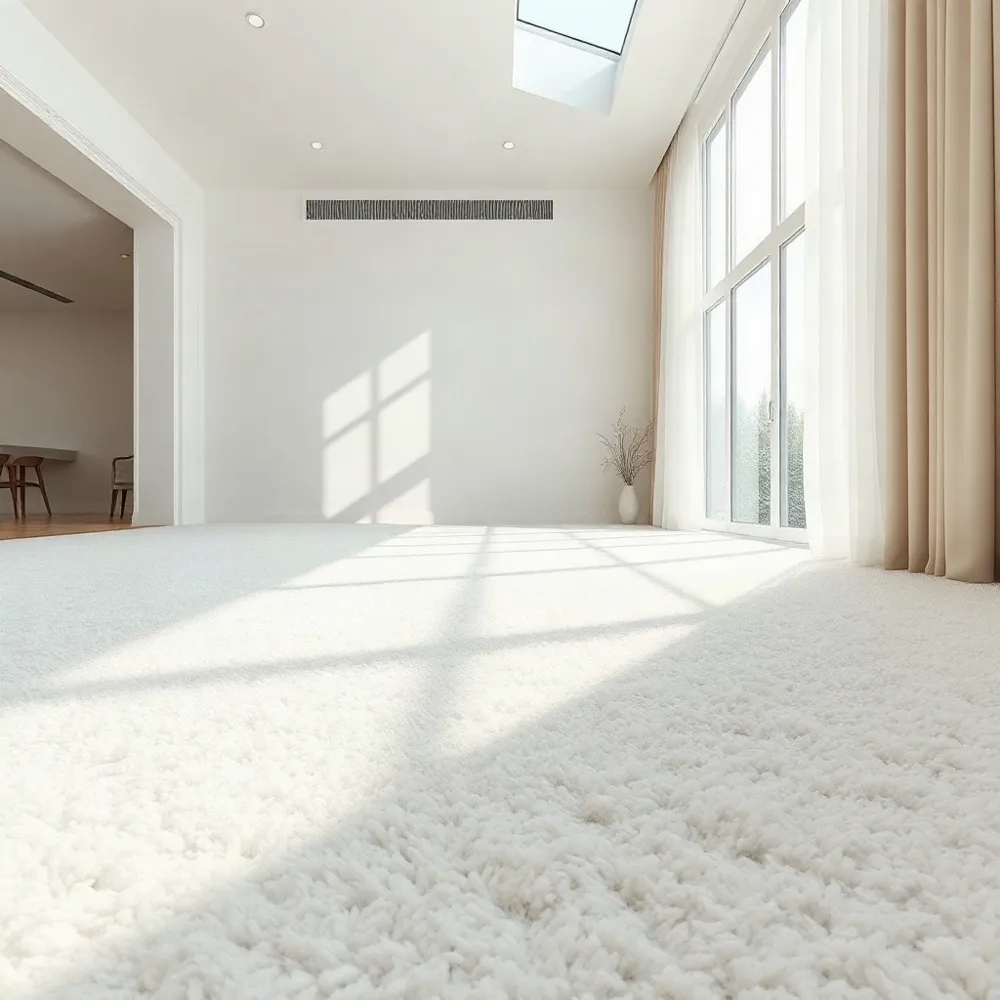
What is apartment turnover cleaning and why is it important? Apartment turnover cleaning is a specialized, deep-cleaning process performed between tenant leases to restore a property to pristine condition. This comprehensive service goes beyond basic maintenance, ensuring every surface is sanitized, carpets are refreshed, and appliances are spotless for the next resident. For property managers, this process is essential to maintaining high property standards, protecting long-term asset value, and ensuring a welcoming environment for prospective tenants.
Unlike standard janitorial services, which focus on routine upkeep, bravocleaningmn.com delivers a granular turnover package. While some vendors offer basic sweeps, our dedicated cleaning teams perform deep sanitization of high-touch zones, oven interiors, and ventilation systems to prevent pest issues and health hazards. The condition of your condominium units is a primary driver of retention.
Prioritizing hygiene does more than attract new occupants. It protects the long-term investment by extending the lifespan of flooring and fixtures. When you compare standard contractors against bravocleaningmn.com, our eco-friendly methods stand out, ensuring your property complies with safety standards while appealing to modern renters. A clean, well-cared-for home generates positive word-of-mouth that reduces the need for expensive marketing campaigns. By choosing an expert, you turn the physical preparation of a unit into a genuine asset protection strategy.
Strategic Scheduling to Minimize Unit Downtime

Minimizing the period between lease terms is a primary objective for property owners looking to protect their rental income. A streamlined turnover process is essential for maintaining financial performance and keeping units rent-ready for new tenants.
How long does it typically take to complete a full unit turnover?
A full unit turnover typically takes between three to seven days, though this timeline can vary significantly based on the unit's condition and the scope of work required. While a well-maintained property may only require a light refresh and deep professional cleaning to become move-in ready, units with extensive damage or necessary repairs can extend the process by several weeks. Proactive property managers often minimize this downtime by standardizing supplies and scheduling vendors in advance using a move-out notice as the primary trigger. Ultimately, the duration is determined by balancing mandatory safety checks, necessary repairs, and comprehensive cleaning to meet professional leasing standards. Bravo Cleaning specializes in these tailored solutions to ensure Minneapolis properties are returned to a rent-ready state as efficiently as possible.
Maximizing efficiency begins the moment a move-out notice is received. Property managers can reduce vacancy time by 2-4 days simply by initiating the turnover sequence immediately rather than waiting for the physical move-out date. This period allows for a pre-move-out inspection, which identifies specific maintenance needs and enables managers to secure the necessary materials or lock in contractor schedules ahead of time.
- Standardize interior finishes, such as paint colors, fixtures, and hardware, across all units to eliminate procurement delays and supply chain bottlenecks.
- Sequence work to prevent double-handling. Maintenance repairs and painting must occur before deep cleaning, ensuring that cleaners provide the final aesthetic touch that prepares the unit for new residents.
- Engage professional cleaning partners early to ensure they are prepared to deploy to the unit immediately after the final maintenance inspection.
While many vendors offer basic janitorial tasks, Bravo Cleaning delivers dedicated cleaning teams that focus on turnover-specific checklists to prevent the oversights that lead to tenant move-in complaints.
Operational Benefits of Commercial Cleaning Partnerships
Maintaining a pristine living environment is a direct driver of resident satisfaction, with 78 percent of tenants reporting that building cleanliness influences their decision to renew a lease per research from Kingsley Associates. For property managers, this creates a clear incentive to look beyond ad-hoc vendor arrangements and toward formal, long-term partnerships with professional providers like bravocleaningmn.com.
What are the primary benefits of hiring a professional cleaning service for commercial properties?
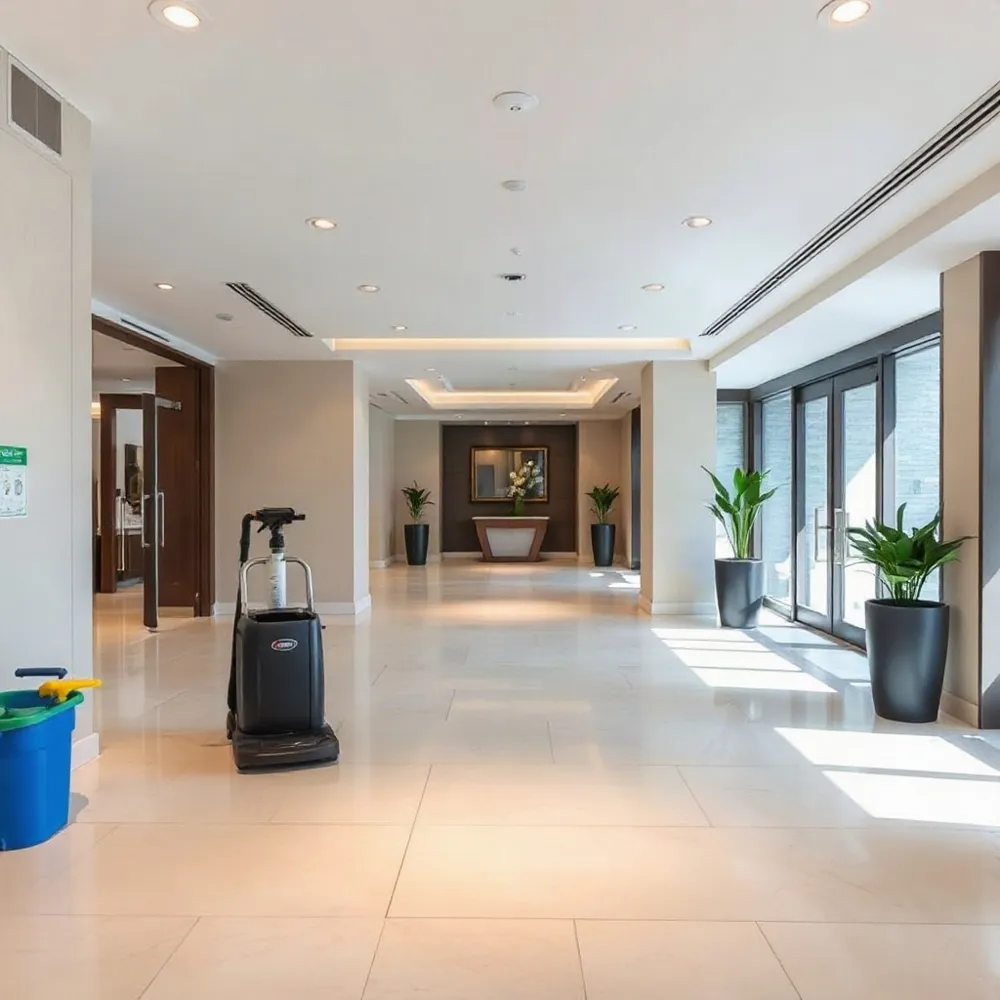
Professional cleaning goes beyond the aesthetic, as the Environmental Protection Agency warns that indoor air can be two to five times more polluted than outdoor air per the EPA. By outsourcing sanitation, managers at bravocleaningmn.com ensure that high-touch zones, common areas, and individual units meet rigorous health standards. This approach reduces the burden on internal staff, who often lack the industrial-grade equipment required to properly sanitize high-traffic surfaces or maintain specialty flooring to extend its service life.
Consistency serves as the hallmark of a high-functioning property strategy. While some providers offer hit-or-miss scheduling, bravocleaningmn.com delivers dedicated cleaning teams that maintain a standardized level of service across every unit. This reliability avoids the variable quality often seen when coordinating multiple independent contractors, allowing managers to forecast costs more accurately and minimize vacancy time by as much as 30 percent.
| Benefit Category | Operational Impact | Value Driver |
|---|---|---|
| Health & Safety | Improved Air Quality | Reduced pathogen risk |
| Management Efficiency | Lower Admin Burden | Centralized oversight |
| Asset Longevity | Extends Floor Life | Lower capital expense |
Legal Requirements and Tenant Relationship Management
Property owners in Minneapolis hold clear legal obligations to maintain rental properties in a safe, habitable condition. The City of Minneapolis requires that rental units remain compliant with housing codes, including specific mandates for heating during the winter months, where equipment must maintain temperatures of at least 68 degrees. Furthermore, owners carry responsibility for pest management, such as the elimination of bedbugs or cockroaches, unless they can provide documentation that a specific tenant caused the infestation.
When issues arise that exceed routine upkeep, property managers can utilize the City of Minneapolis Housing Liaisons to help resolve conflicts between owners and residents. These resources assist in navigating inspection deadlines and clarifying repair necessities. Maintaining clear, written communication regarding non-emergency maintenance requests is essential, as owners are generally expected to address and complete such repairs within 14 days of formal notification. By documenting these interactions thoroughly, property owners protect their investment and ensure a consistent standard of care.
What are some professional communication tips for property managers when screening prospective tenants?
When screening prospective tenants, professional property managers should establish clear, transparent communication by outlining minimum criteria, such as income requirements and rental history standards, at the very beginning of the process. Utilize structured interviews during showings to ask standardized, open-ended questions, which help assess an applicant's rental history and communication style consistently. Always prioritize professionalism when requesting documentation, clearly explaining which verifications are needed and why, while maintaining a neutral and respectful tone throughout all interactions. If an applicant does not meet the established criteria, provide concise, formal communication to inform them they are no longer being considered. By maintaining this organized and responsive approach, you demonstrate a level of service quality and professionalism that reflects positively on your management, helping to build trust with consistent, long-term tenants.
For properties struggling to keep up with these varied responsibilities, bravocleaningmn.com helps managers reduce the burden of unit upkeep. bravocleaningmn.com delivers tailored cleaning solutions that include deep cleaning and specialized sanitization, meeting the rigorous standards required by the city.
Investing in Long-term Community Success
Property managers in Minneapolis understand that sustained profitability relies on more than just filling vacancies. It demands a commitment to long-term community value. By implementing a proactive approach to property maintenance, owners can protect their assets while simultaneously fostering a living environment that encourages renewals. Unlike providers who offer only surface-level services, bravocleaningmn.com specializes in detailed, tailored cleaning solutions that extend the life of flooring, fixtures, and common areas.
Building resident trust begins with responsiveness and quality. When tenants see that management prioritizes their health through high-standard sanitization and prompt facility care, they respond with increased satisfaction. bravocleaningmn.com mirrors this focus on the human side of property management, utilizing eco-friendly methods to support cleaner, safer indoor air quality. This dedication to excellence ensures your Minneapolis property remains a preferred destination for long-term residents rather than a short-term address.
Recent articles