Flexible Cleaning Schedules: Adaptability for Property Management Success

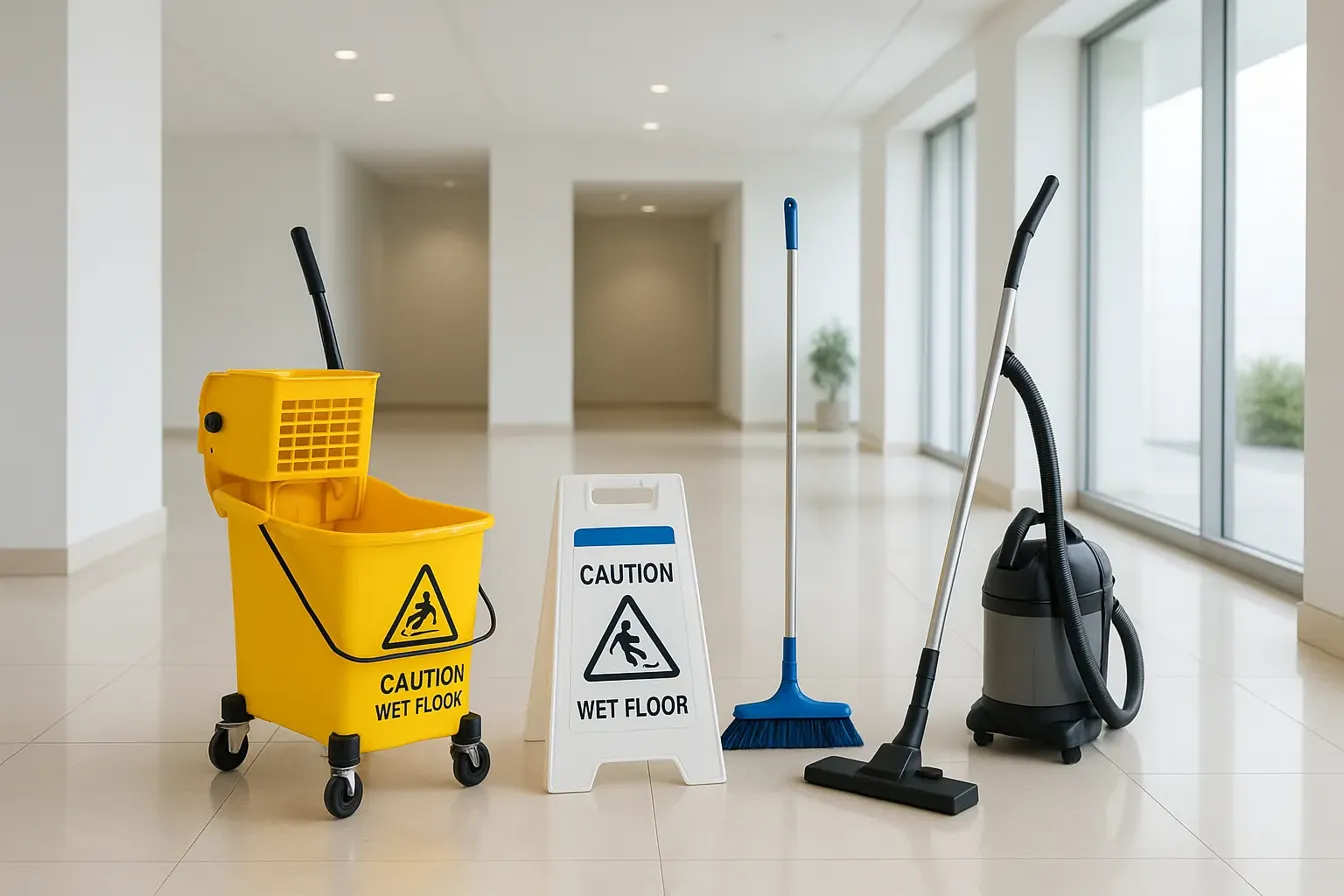
The Importance of Flexible Cleaning Schedules in Modern Property Management
Benefits of Cleaning Schedules
Implementing structured cleaning schedules improves consistency and reliability in property upkeep. Regular, systematic cleaning ensures the maintenance of a healthier, more comfortable environment by effectively removing dust, dirt, and other contaminants. Property managers benefit from reduced tenant complaints and enhanced satisfaction due to a cleaner, well-maintained space.
Need for Flexibility in Cleaning Schedules
Modern workplaces, especially hybrid models where occupancy varies daily, demand adaptable cleaning strategies. Flexible schedules allow cleaning services to adjust to fluctuating on-site personnel and traffic levels, optimizing resource use and reducing operational costs. Customizing cleaning frequency and intensity ensures high-traffic areas receive appropriate attention without unnecessary overspending.
Impact on Property Management Success
Tailored cleaning schedules contribute significantly to tenant retention and attraction by ensuring minimal disruption and maintaining an inviting environment. Efficient cleaning operations support property managers in meeting evolving tenant expectations and health protocols. By adopting adaptable cleaning systems, managers can enhance operational efficiency, control expenses, and elevate tenant satisfaction, ultimately driving overall property success.
Core Elements of an Effective Cleaning Schedule
What must be included in master cleaning schedules?
An effective master cleaning schedule clearly outlines who is responsible, what tasks need to be done, when they should be completed, and how the cleaning should be performed. This schedule organizes cleaning tasks by specific areas and breaks them down into a timeline that covers Daily, Weekly, Monthly, and Annual duties. Such detailed planning ensures clarity, accountability, and consistent cleaning standards.
Typical cleaning tasks and checklists for apartments
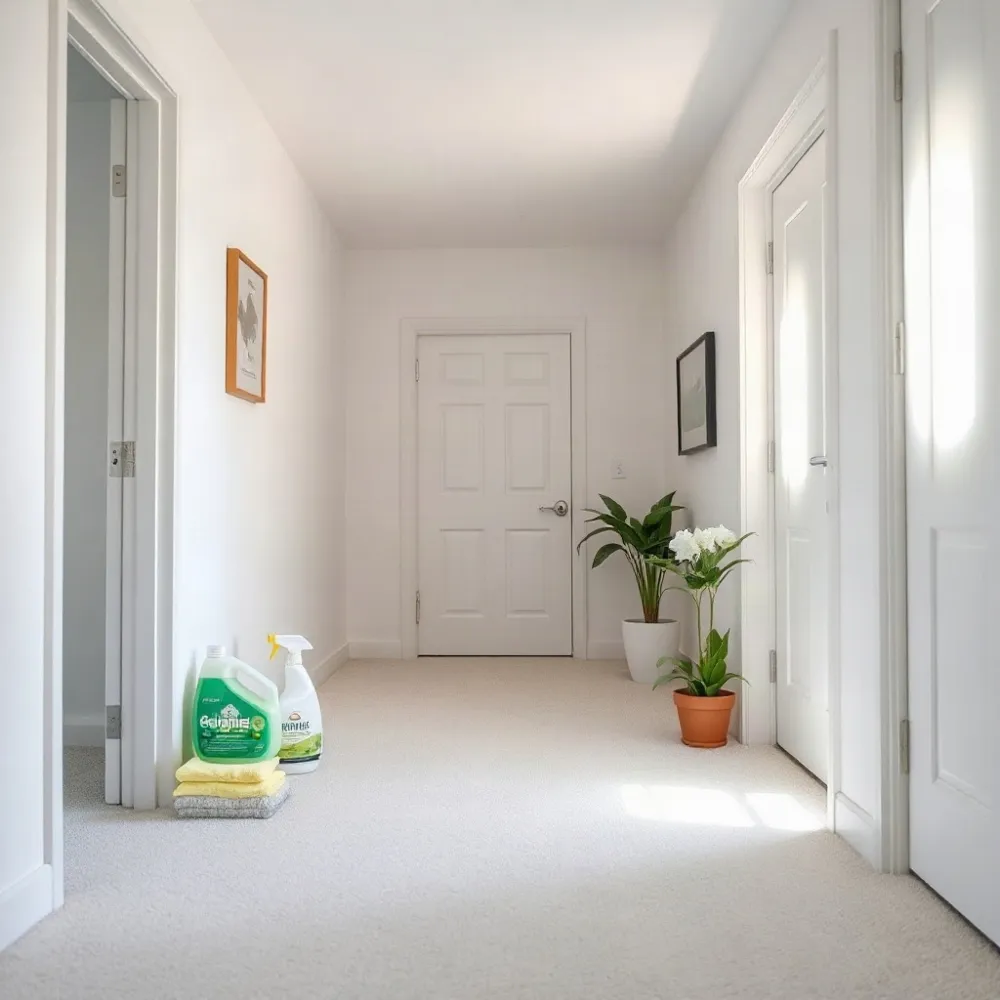
For weekly apartment cleaning, essential tasks often include dusting all surfaces, vacuuming carpets and rugs, mopping floors, deep cleaning bathrooms, wiping down kitchen surfaces and appliances, decluttering spaces, cleaning windows and mirrors, and regularly emptying trash. These tasks maintain cleanliness and hygiene, resulting in a healthier living space.
Adjusting schedules for different property types
A one-bedroom apartment cleaning schedule usually balances daily light maintenance — like washing dishes and tidying up clutter — with weekly deep cleaning routines such as vacuuming floors and bathroom sanitation. Monthly chores might involve changing bed linens and cleaning behind appliances. Property managers can adjust these schedules for other types of properties by considering occupancy patterns, usage intensity, and tenant needs to maintain a clean, inviting environment while optimizing operational efficiency. For tailored solutions and expert guidance, Multi-Tenant Building Janitorial Services offer customized cleaning schedules suited for various property types.
Adapting Cleaning Schedules for Apartments and Condominiums

How can cleaning schedules be adapted for apartments and condominiums?
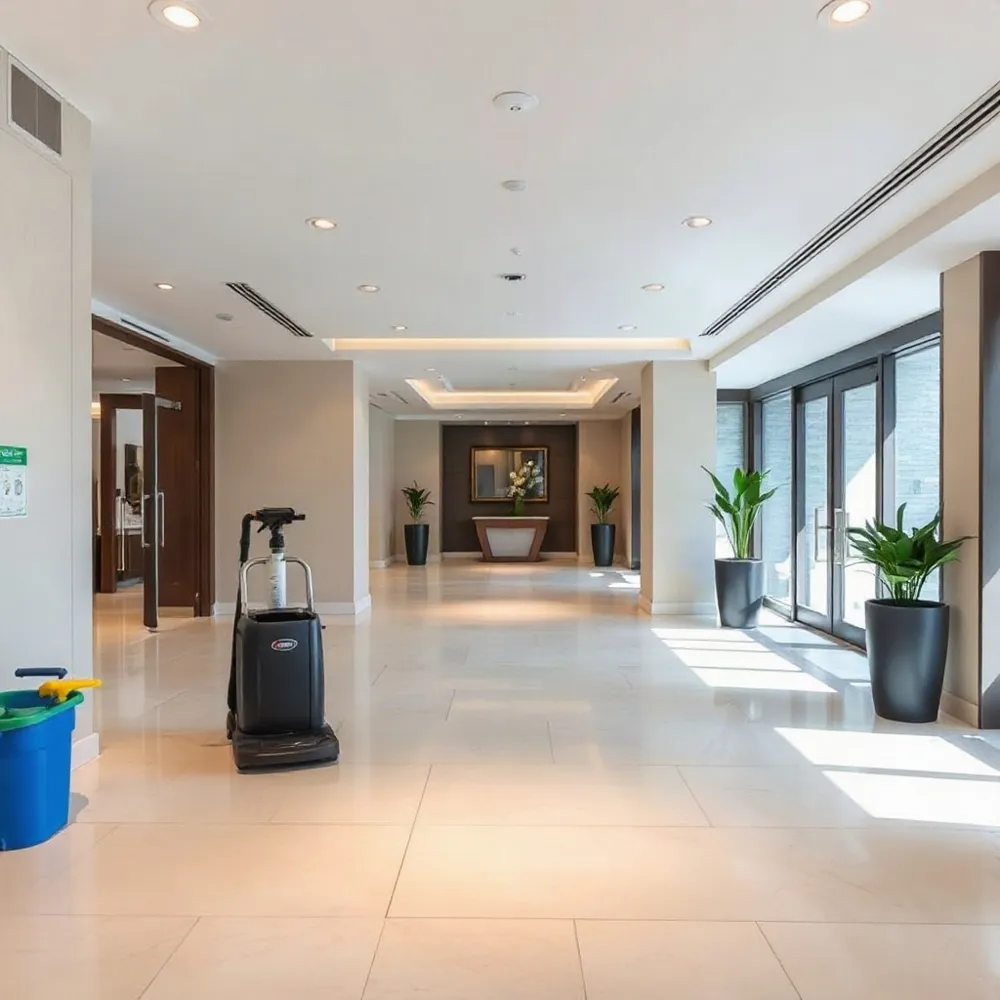
Adapting cleaning schedules for apartments and condominiums requires a detailed assessment of the property's unique needs and usage patterns. High-traffic common areas such as lobbies, hallways, and elevators demand more frequent cleaning to maintain hygiene and appearance. Conversely, less frequented spaces can be scheduled for cleaning less often, optimizing resources and costs.
Coordination with both residents and property managers is essential to ensure cleaning activities cause minimal disruption. Engaging residents in the process can help schedule cleaner timing and special requests more effectively.
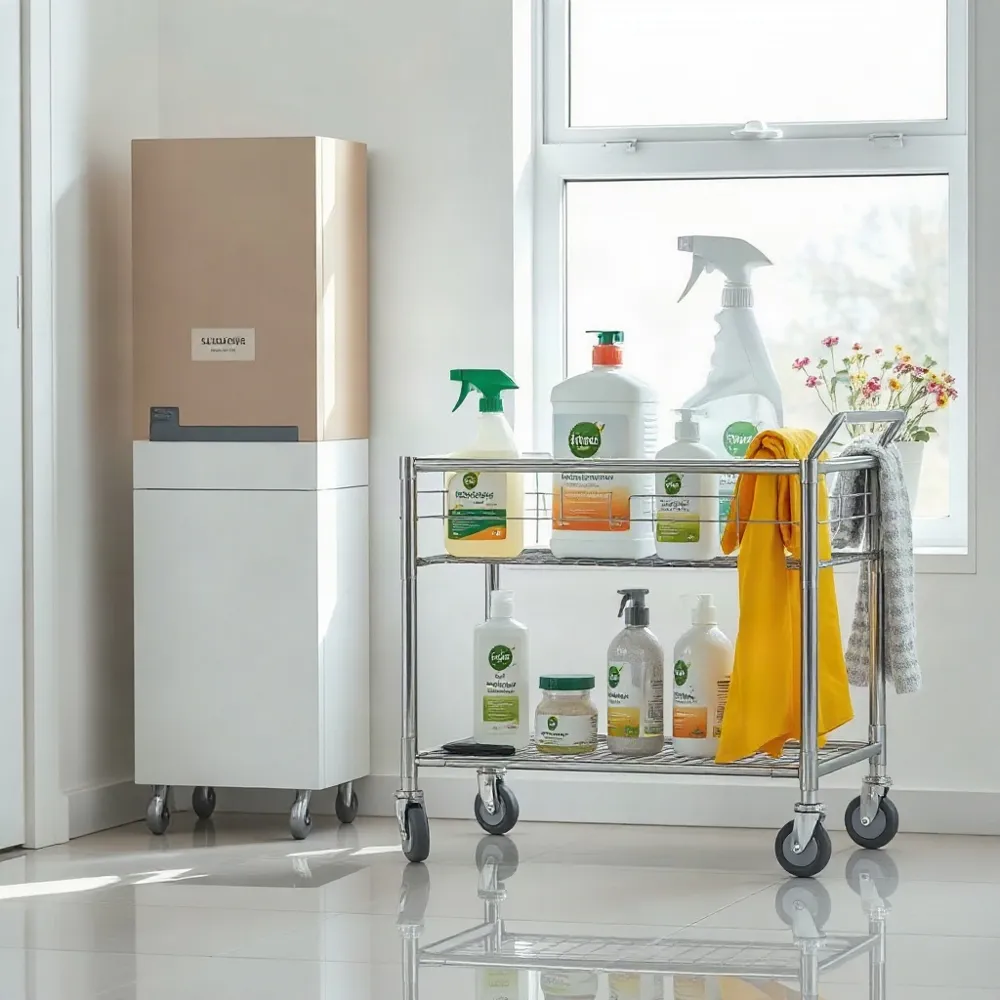
In addition, incorporating eco-friendly cleaning methods addresses the increasing demand for sustainable practices within diverse residential communities. Using green products supports healthier living environments and aligns with residents' values.
Customized schedules not only enhance cleanliness but also contribute to resident satisfaction and property value maintenance, making adaptive cleaning an essential strategy for managing multi-unit residential properties effectively.
Flexibility in Cleaning Schedules to Meet Diverse Property Management Needs

How flexible should cleaning schedules be to meet different property management needs?
Cleaning schedules must be highly adaptable to effectively manage the varying demands of property usage and occupancy. For instance, in Multi-Tenant Building Janitorial Services, tailored cleaning services are scheduled based on traffic patterns and tenant needs to maintain appearance and tenant satisfaction. The need for rapid turnover cleaning immediately following tenant move-outs or guest check-outs—facilitated by automated platforms like Turno Integration—ensures spaces are guest-ready with minimal delay.
Routine maintenance cleaning occurs on a regular timetable but is adjusted to respond to seasonal demands, high-traffic periods, or unexpected events. This flexibility supports Hybrid Workplace Cleaning and fluctuating occupancy rates as seen in post-pandemic environments, where adaptive cleaning models like Lysol Pro Solutions Cleaning System help property managers maintain hygiene and cost efficiency.
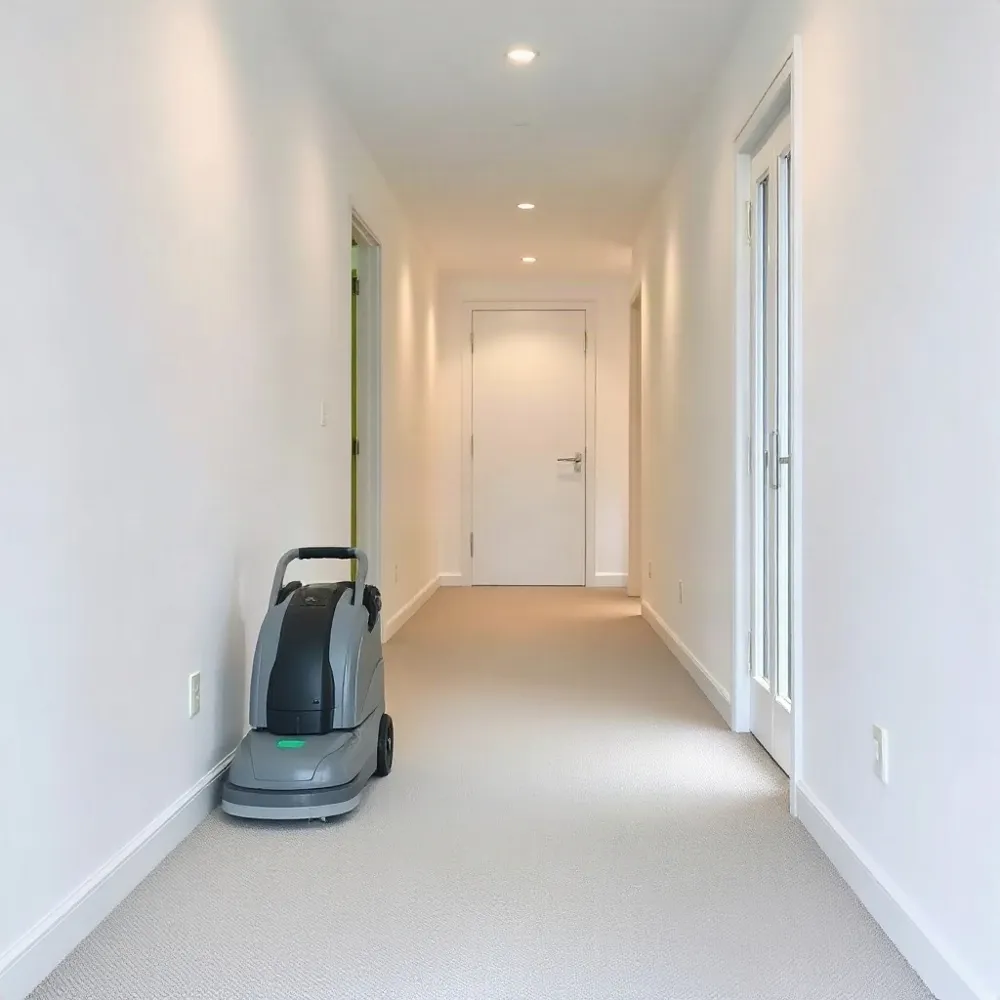
Tailoring cleaning frequency and scope according to property type—whether Hotels & Short-Term Rentals Management, or commercial offices—optimizes resource use and enhances service quality. Comprehensive services range from daily dusting and vacuuming to specialized floor care like spray buffing, burnishing, and refinishing in commercial settings, ensuring each property receives the appropriate level of care.
By implementing flexible scheduling strategies, property managers can meet urgent cleaning needs, routine upkeep, and special requests efficiently, maintaining operational excellence and tenant satisfaction.
Leveraging Technology and Best Practices for Efficient Cleaning Management

How can property managers implement best practices in cleaning management?
Property managers can enhance cleaning efficiency by establishing clear standards tailored to the facility's specific needs, considering occupancy patterns and tenant expectations. Training programs should be conducted regularly to ensure staff are knowledgeable about proper cleaning techniques, health protocols, and the use of eco-friendly products, which support sustainability goals.
A structured cleaning schedule that incorporates routine inspections and feedback loops helps maintain quality and quickly address concerns. Collaborating with professional service providers like Vanguard Cleaning Systems Experience offers customizable cleaning plans that accommodate diverse tenant requirements and minimize disruptions.
Soliciting tenant feedback is crucial for continuous improvement and adjusting services to evolving demands, especially in the context of Hybrid Workplace Cleaning that alter cleaning priorities.
What tools and software are available to help manage cleaning business schedules and customer relationships?
Modern cleaning businesses benefit from specialized software that automates scheduling, task delegation, and communication. Platforms such as Jobber, ServiceTitan, and ZenMaid streamline task management by assigning cleaning duties based on real-time inputs like occupancy changes.
CRM tools like Housecall Pro and ServiceM8 facilitate efficient customer communication, invoicing, and service reminders, enhancing client satisfaction. Moreover, integrated systems such as Jurny Housekeeping Automation sync cleaning schedules with reservations and maintenance tasks, automating workflows for faster turnovers and improved transparency with photo proof and performance analytics dashboard.
These technologies enable property managers and contractors to optimize resources, reduce manual coordination, and maintain high cleaning standards aligned with industry best practices.
Addressing Modern Challenges Through Adaptive Cleaning Systems
How Has the Rise of Hybrid Workplaces Changed Cleaning Needs?
The shift toward Hybrid Workplace Cleaning, where employees alternate between remote and onsite work, has reshaped cleaning requirements in commercial environments. This dynamic occupancy pattern demands cleaning strategies that are flexible and responsive to fluctuating office usage to ensure health and safety without excessive costs. Traditional fixed cleaning schedules often fail to align with these variable workplace patterns, prompting the need for Adaptive Cleaning solutions.
What Challenges Are Created by Labor Shortages and Rising Operational Costs?
The Cleaning Industry Challenges is currently grappling with Labor Shortages in Cleaning Industry and increasing wage expenses, both of which heighten the cost pressure on property managers and service contractors. Finding reliable staff and managing payroll contribute to operational complexity, making it essential to optimize cleaning workflows to achieve efficiency without compromising quality.
What Innovations Are Available to Address These Needs?
Lysol Pro Solutions Cleaning System, in partnership with the American Institute for Cleaning Sciences Collaboration, has designed an Adaptive Workplace Cleaning System tailored for hybrid work environments. This system incorporates strategies that balance cleaning frequency and intensity based on real-time building occupancy and traffic data, enhancing cost-effectiveness and resource allocation. It empowers cleaning contractors and property managers to align services precisely with current needs, reducing waste and staff strain.
How Does Automation Improve Cleaning Schedule Management?
Automation tools, like Housekeeping & Maintenance Software, complement Adaptive Cleaning by integrating real-time data with cleaning and maintenance task workflows. These platforms trigger cleaning schedules immediately after occupancy changes, such as employee checkouts or guest departures, minimizing manual oversight. Features such as In-app Checklists for Staff, photo verification, and performance analytics in cleaning provide transparency and accountability, while integration with other service providers streamlines coordination and boosts turnaround times.
Together, Adaptive Cleaning systems and cleaning workflow automation present a comprehensive approach to managing the modern challenges of property maintenance in hybrid workplaces. By leveraging these innovations, businesses can ensure cleanliness, support staff sustainability, and optimize operating budgets in evolving workplace environments.
The Future of Property Management Success Through Flexible Cleaning
Adaptability in Cleaning Solutions
Flexible cleaning systems are essential to meet the evolving needs of hybrid workplaces and diverse tenant patterns. Adaptable scheduling reduces disruptions while optimizing resource use, directly benefiting property management efficiency.
Leveraging Technology and Customization
Integrating platforms like Jurny with maintenance tools automates cleaning workflows, enhancing precision and transparency. Customizable cleaning intensity and timing further cater to tenant-specific requirements, ensuring environments remain inviting and well-maintained.
Prioritizing Health, Efficiency, and Satisfaction
Modern cleaning services prioritize healthy spaces through advanced protocols, supporting tenant wellness. Efficient operations address labor challenges, while consistent quality boosts tenant satisfaction, fostering property value and long-term success.
Recent articles