Carpet Stain Removal Secrets for Apartment Common Areas

Why Carpet Care Matters in Apartments
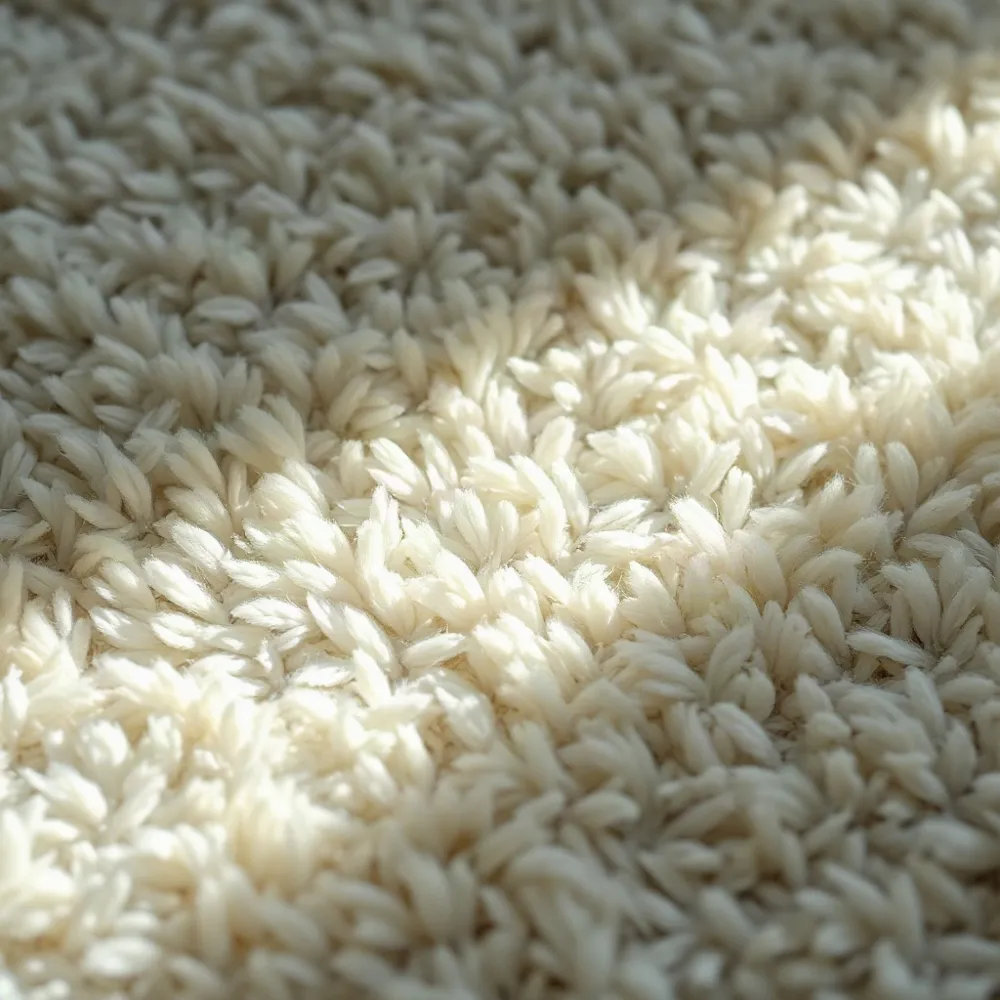
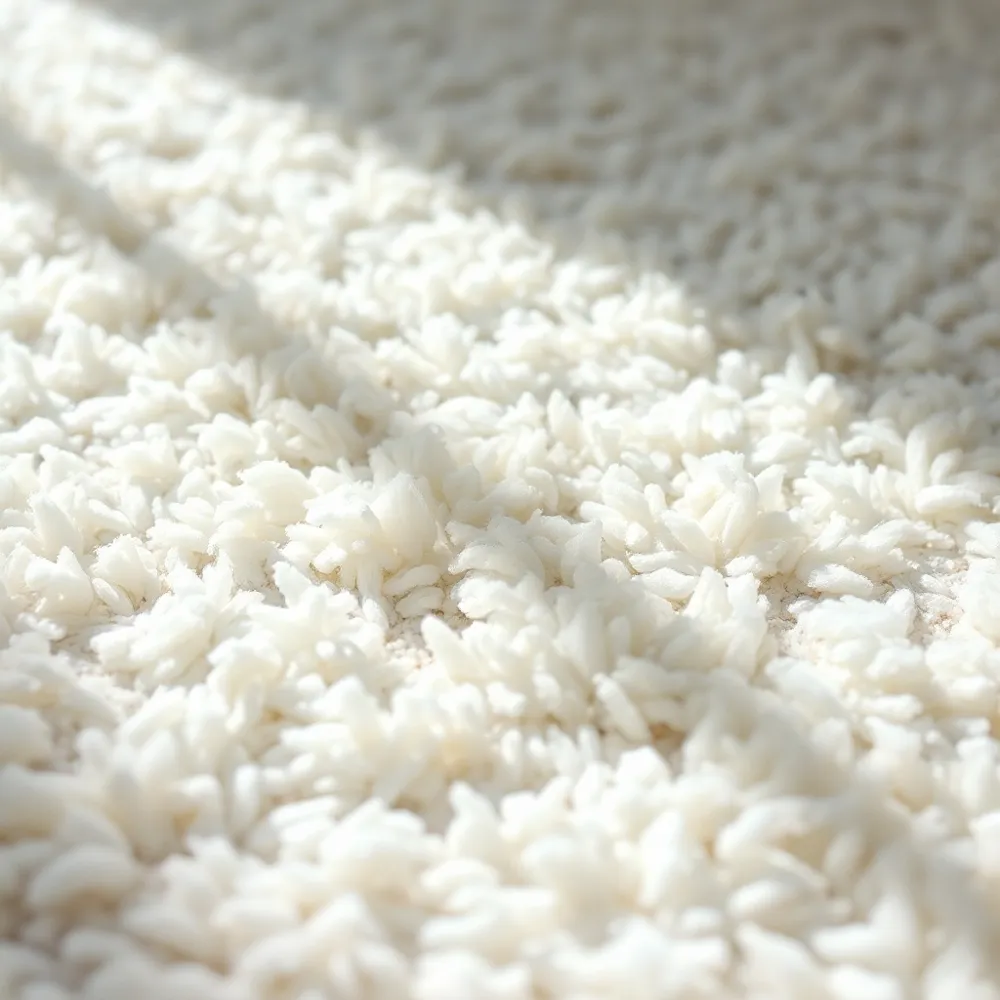
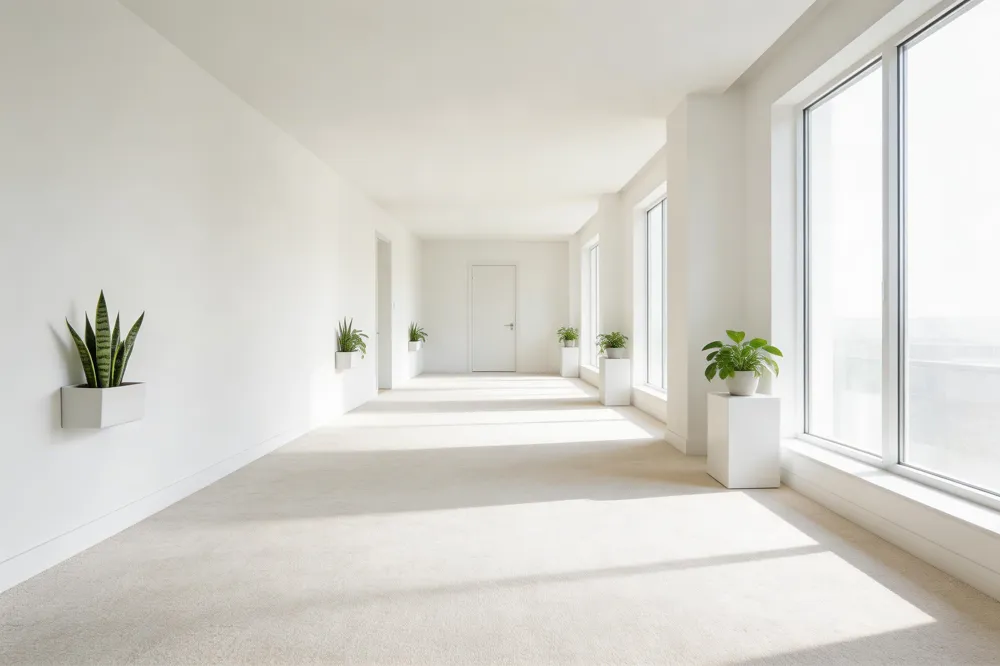
Healthy carpet fibers are the backbone of any apartment community. Gentle blotting, rather than aggressive scrubbing, preserves the pile and prevents permanent texture changes, extending the carpet’s lifespan and reducing replacement costs. Eco‑friendly cleaning solutions—water‑based detergents, enzyme cleaners, and low‑toxicity surfactants—leave no harmful residues, protecting indoor air quality and safeguarding residents with allergies or respiratory sensitivities. Regular vacuuming, prompt spot‑treatment, and quarterly hot‑water extraction remove embedded dirt, allergens, and oils that can degrade fibers and trigger odors. By maintaining a clean, fresh‑looking carpet, property managers enhance curb appeal, boost resident satisfaction, and preserve property value, making the unit more attractive to prospective tenants. Bravo Cleaning’s locally owned team in Minneapolis combines green practices with seasoned expertise, delivering tailored maintenance plans that meet the unique traffic patterns of lobbies Hall hallways, and common lounges. The result is a resilient carpet that looks great, supports resident health, and protects the long‑term investment of the property.
Quick Stain Response Techniques
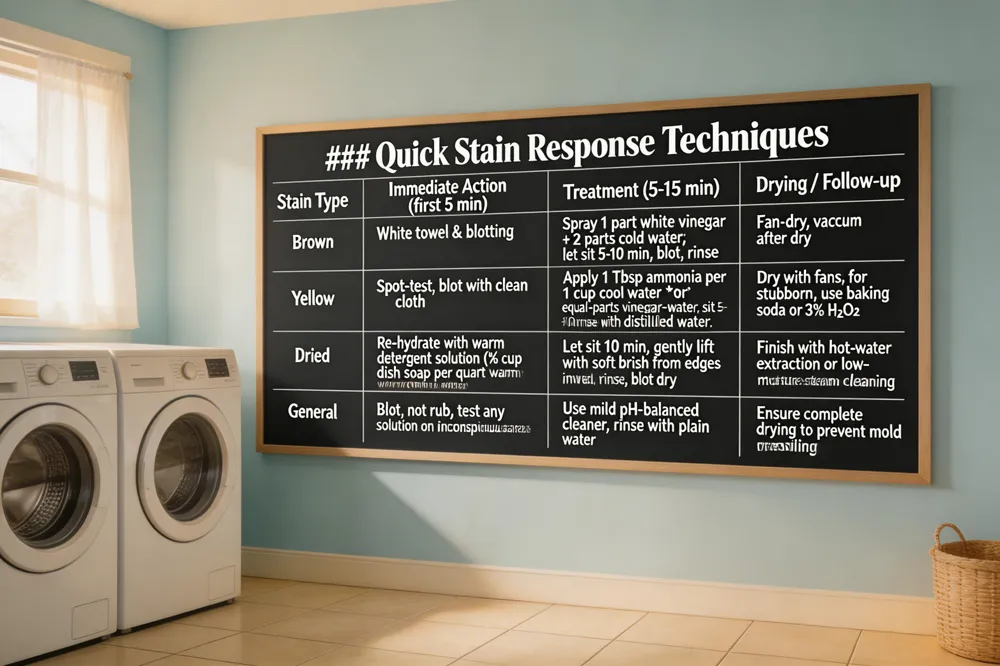 A fast, gentle approach is the cornerstone of effective carpet care in high‑traffic apartment common areas. Blotting vs. scrubbing – Experts agree that blotting with a clean white cloth lifts stain moisture by capillary action, while vigorous scrubbing drives the pigment deeper and roughens fibers, causing permanent texture changes.
Brown stains – Immediately press a white towel onto the spill, then spray a mix of one part white vinegar to two parts cold water (or a mild dish‑soap solution). Let it sit 5‑10 minutes, blot again, and rinse lightly with plain water. For set‑in brown, sprinkle baking soda, apply the vinegar‑water mist, wait 15‑20 minutes, blot, and vacuum. Test any solution on an inconspicuous area first.
Yellow stains – Spot‑test then apply either a 1 tablespoon ammonia-in‑1 cup cool water solution or an equal‑parts vinegar‑water spray. Allow 5‑10 minutes, blot, rinse with distilled water, and dry with fans. For stubborn yellowing, dust baking soda or dab 3 % hydrogen peroxide, followed by thorough blotting and extraction.
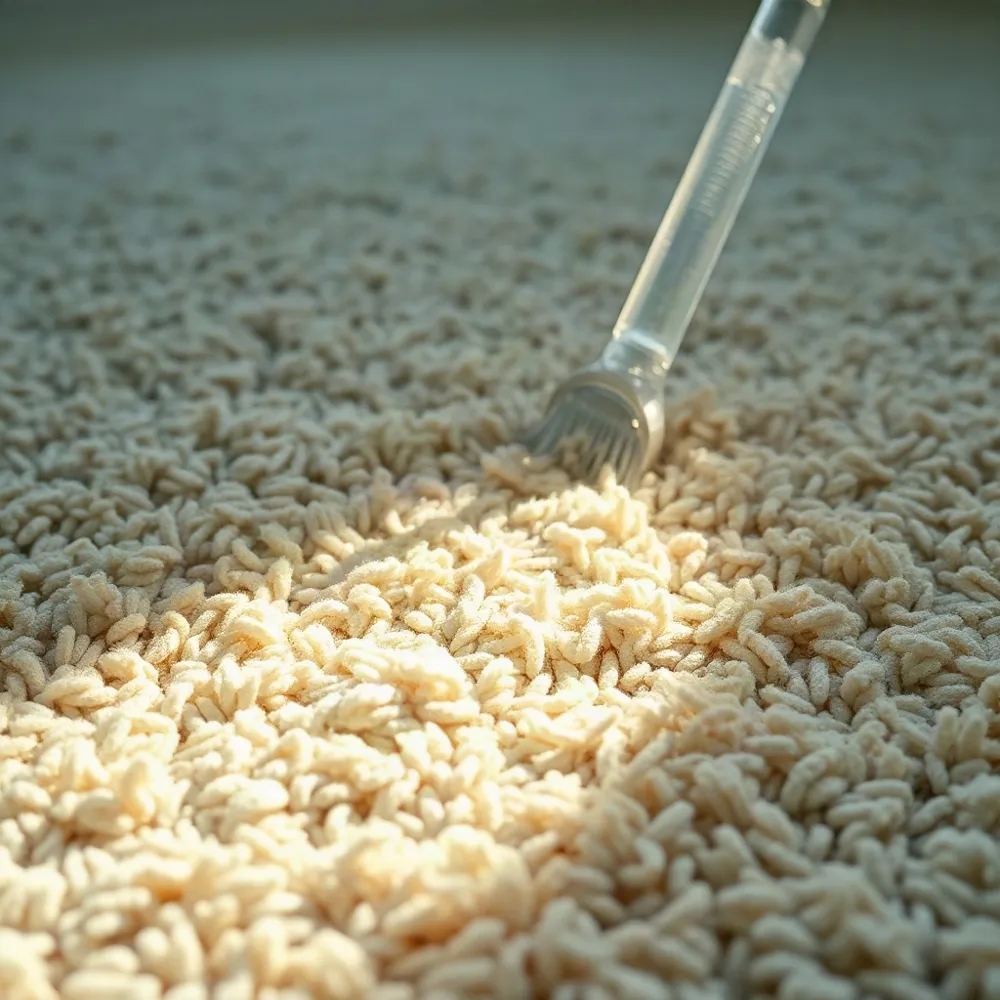
Dried stains – Re‑hydrate with a warm detergent solution (¼ cup dish soap per quart warm water), let sit 10 minutes, then gently lift with a soft brush, working from edges inward. Rinse, blot dry, and finish with a hot‑water extraction or low‑moisture steam cleaning to remove any residual soil.
Immediate action – The first five minutes are critical; quick blotting prevents the stain from penetrating the pile. Follow with a mild, pH‑balanced cleaner, rinse with plain water, and ensure complete drying to avoid mold or resoiling. Regular vacuuming, use of clean white socks indoors, and scheduled professional extractions keep the carpet’s appearance and lifespan optimal.
Deep‑Set and Old Stain Strategies
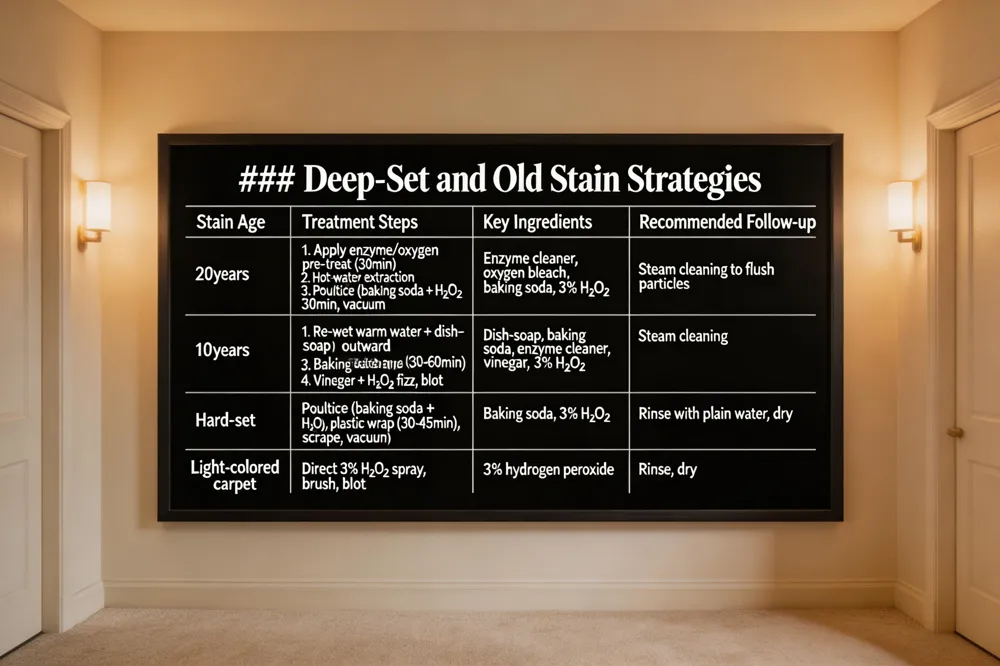 When a stain has set for years, the first step is to identify its type and test any solution on an inconspicuous spot. For 20‑year‑old stains, apply a professional‑grade enzyme or oxygen‑based pre‑treat and let it soak at least 30 minutes, then run a hot‑water extraction (steam‑cleaning) cycle. If residue remains, make a poultice of baking soda mixed with hydrogen peroxide, press it into the area, let it sit 30 minutes and then vacuum or blot clean.
For 10‑year‑old stains, re‑wet the spot with warm water and a few drops of dish‑soap, blot from the outside in, and apply a thick baking‑soda paste or enzyme cleaner for 30‑60 minutes. Pigment‑based marks can be treated with equal parts white vinegar and hydrogen peroxide, allowing a brief fizz before blotting and rinsing. Follow with steam cleaning to flush out particles.
Hard‑set stains benefit from a baking‑soda and hydrogen‑peroxide poultice covered with plastic wrap for 30‑45 minutes, then gently scrape and vacuum.
Light‑colored carpets may also tolerate a direct hydrogen peroxidespr peroxide, then brush and blot.
All‑old‑stain methods rely on eco‑friendly ingredients—baking soda, white vinegar, hydrogen peroxide—and thorough rinsing with plain water to avoid alkaline residues that cause resoiling. Prompt spot‑treatment, regular vacuuming and quarterly professional extraction keep high‑traffic apartment common areas looking fresh and extending carpet life.
DIY Heavy‑Duty Carpet Stain Remover Recipes
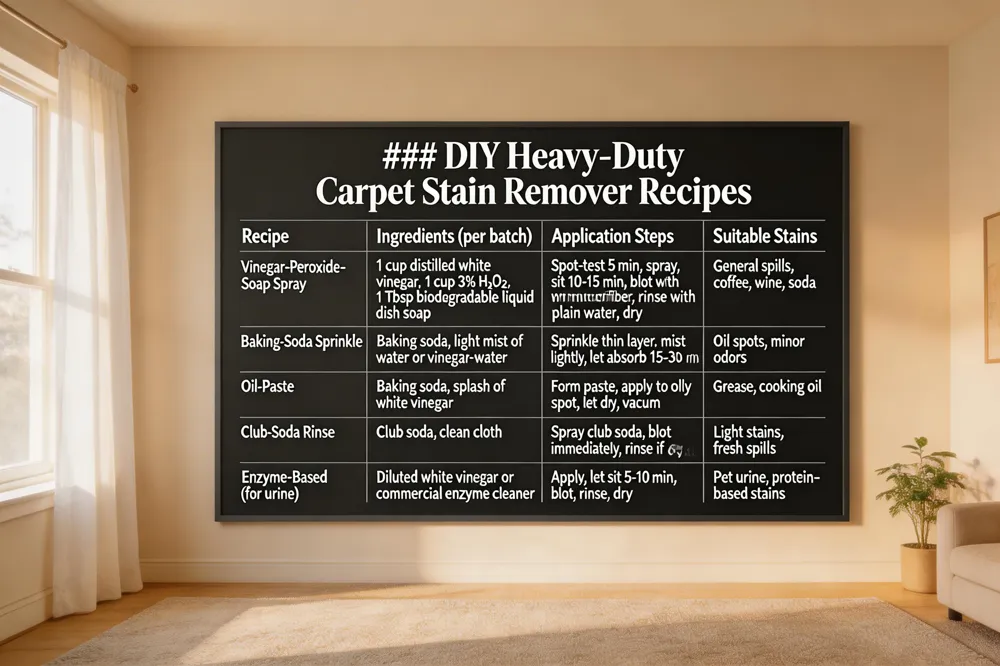 Property managers often need fast, eco‑friendly solutions for stubborn carpet stains in high‑traffic common areas. A reliable heavy‑duty DIY formula combines 1 cup distilled white vinegar, 1 cup 3 % hydrogen‑peroxide, and 1 tablespoon biodegradable liquid dish soap in a spray bottle. After a 5‑minute spot test, apply the mixture, let it sit 10‑15 minutes, then blot with a clean microfiber cloth; finish with a light rinse of plain water and dry. Baking soda also proves effective: sprinkle a thin layer on the stain, mist lightly, and let it absorb moisture for 15‑30 minutes. For oily spots, form a paste with Baking soda and a splash of vinegar, allow it to dry, then vacuum. Quick action is critical—always blot, never rub—to prevent the stain from penetrating deeper. Club soda or a warm‑water dish‑soap rinse works well on coffee, wine, or soda spills. For pet urine or protein‑based stains, a diluted vinegar solution or enzyme cleaner neutralizes odor and breaks down residues. Light‑colored carpets can benefit from a gentle hydrogen‑peroxide rinse after testing in an inconspicuous area. These non‑toxic recipes protect carpet fibers, preserve indoor air quality, and align with Bravo Cleaning’s sustainability standards.
Professional Tools and Products
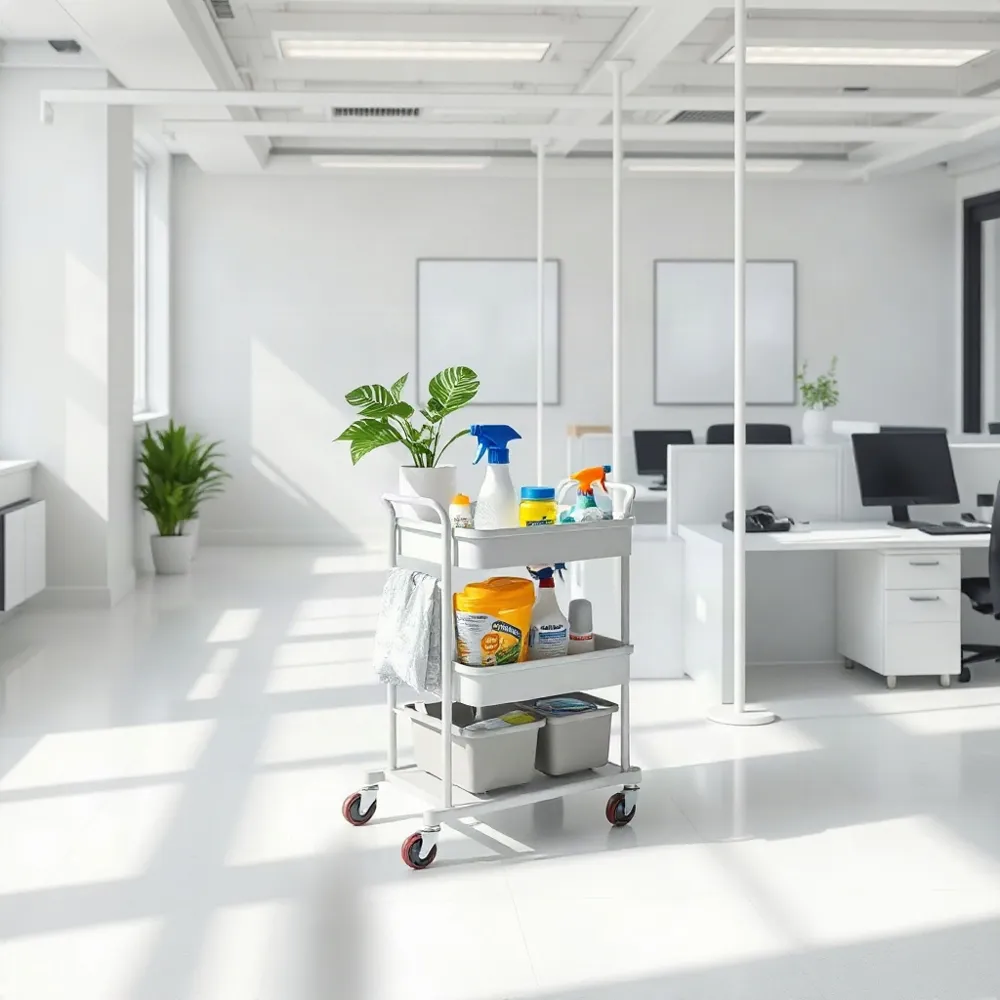
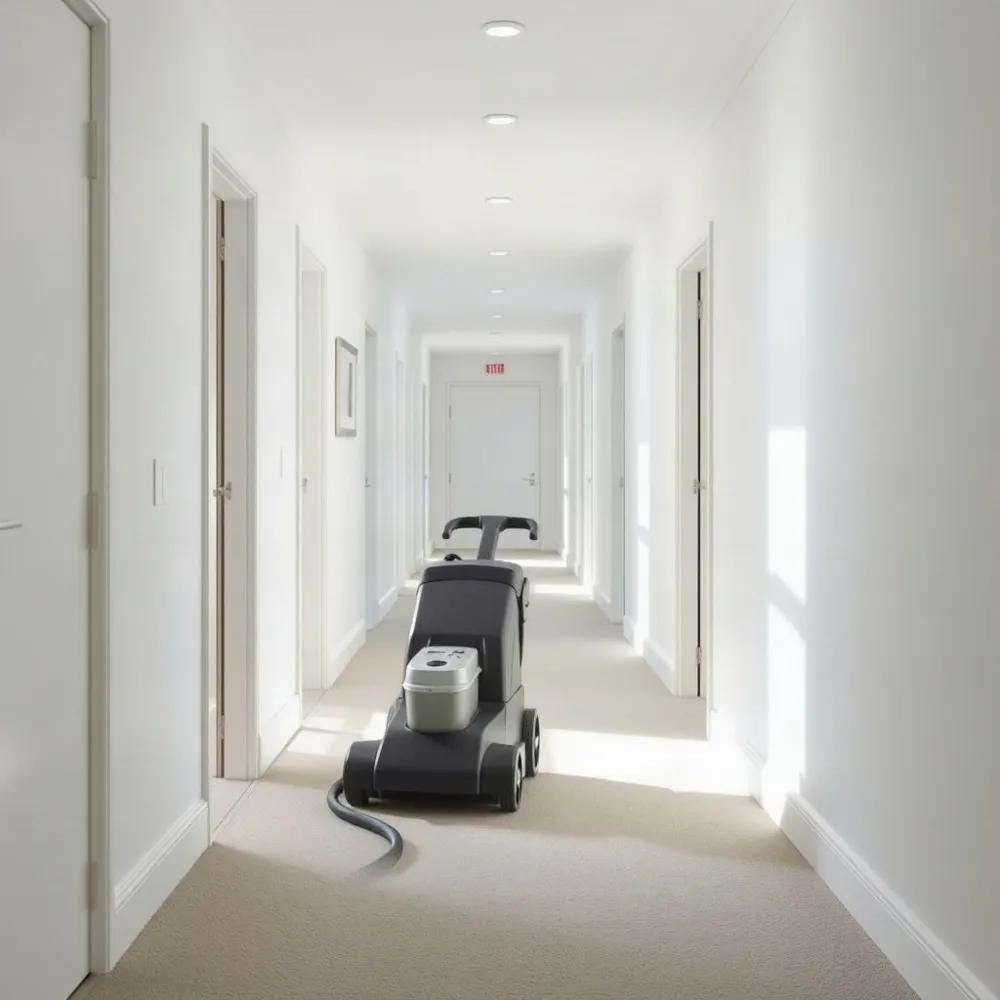
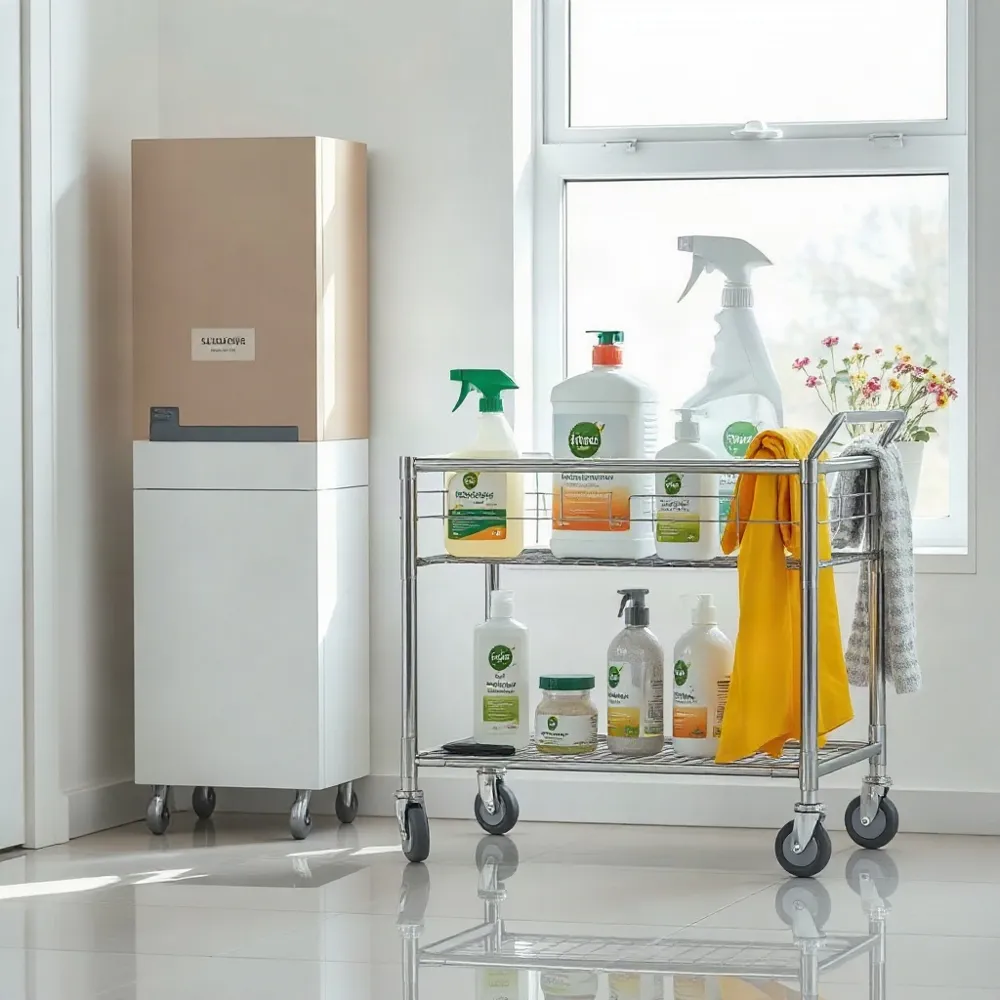
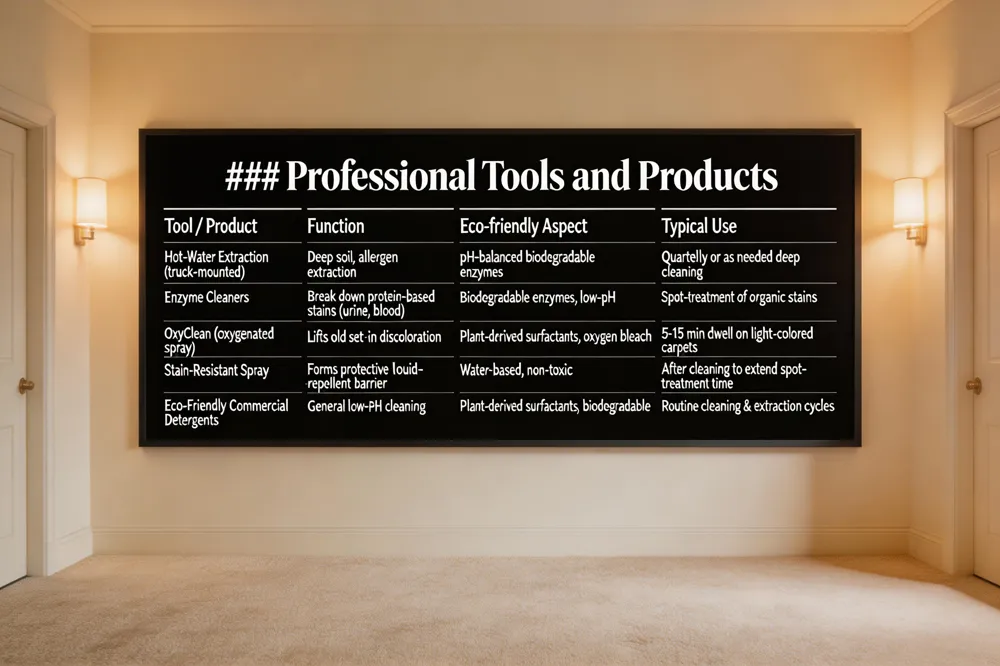 High‑traffic apartment common areas demand a robust, eco‑friendly toolbox. Hot‑water extraction (truck‑mounted steam cleaning) injects a pH‑balanced, Enzyme cleaners deep into the pile and extracts soil and allergens, leaving fibers resilient. Enzyme cleaners break down protein‑based stains—pet urine, blood, food spills—without harsh chemicals, making them ideal for residential properties. OxyClean (oxygenated stain spray) supplies powerful surfactants that lift old, set‑in discoloration; a quick 5‑15‑minute dwell followed by blotting restores light‑colored carpets. Stain‑resistant spray creates a protective barrier that repels liquids, buying time for spot‑treatment and reducing repeat stains. Eco‑friendly commercial products—plant‑derived surfactants, biodegradable enzymes, and low‑pH formulas—meet green‑building standards while protecting residents and pets.
What do professional carpet cleaners use to remove stains? They combine hot‑water extraction with pH‑balanced enzyme or solvent detergents, spot‑treat with oxygenated sprays or foams, and finish with a thorough rinse and extraction.
Best carpet stain remover for old stains? OxyClean Carpet Stain Remover (or Rocco & Roxie Oxi Stain Remover) with surfactants and enzymes; DIY vinegar‑hydrogen peroxide mix works on light fibers.
Best stain remover on carpet? Folex Instant Carpet Spot Remover for fresh spills; Carbona Stainfighter or Resolve Advanced for tougher marks; Bissell Professional Pet Enzymatic formula for pet odors.
Professional carpet stain removal tips? Act immediately, blot (no rub), test solutions, use enzyme cleaners for organics, hydrogen‑peroxide or vinegar for tannins, rinse with plain water, and schedule regular hot‑water extractions.
Best carpet stain removal tips? Prompt blotting, club soda or vinegar‑water spray, hydrogen peroxide on light carpets (test first), baking soda for oils, enzyme cleaners for pet stains, and periodic steam cleaning for deep‑set soils.
Maintenance and Cleaning Schedules for Common Areas
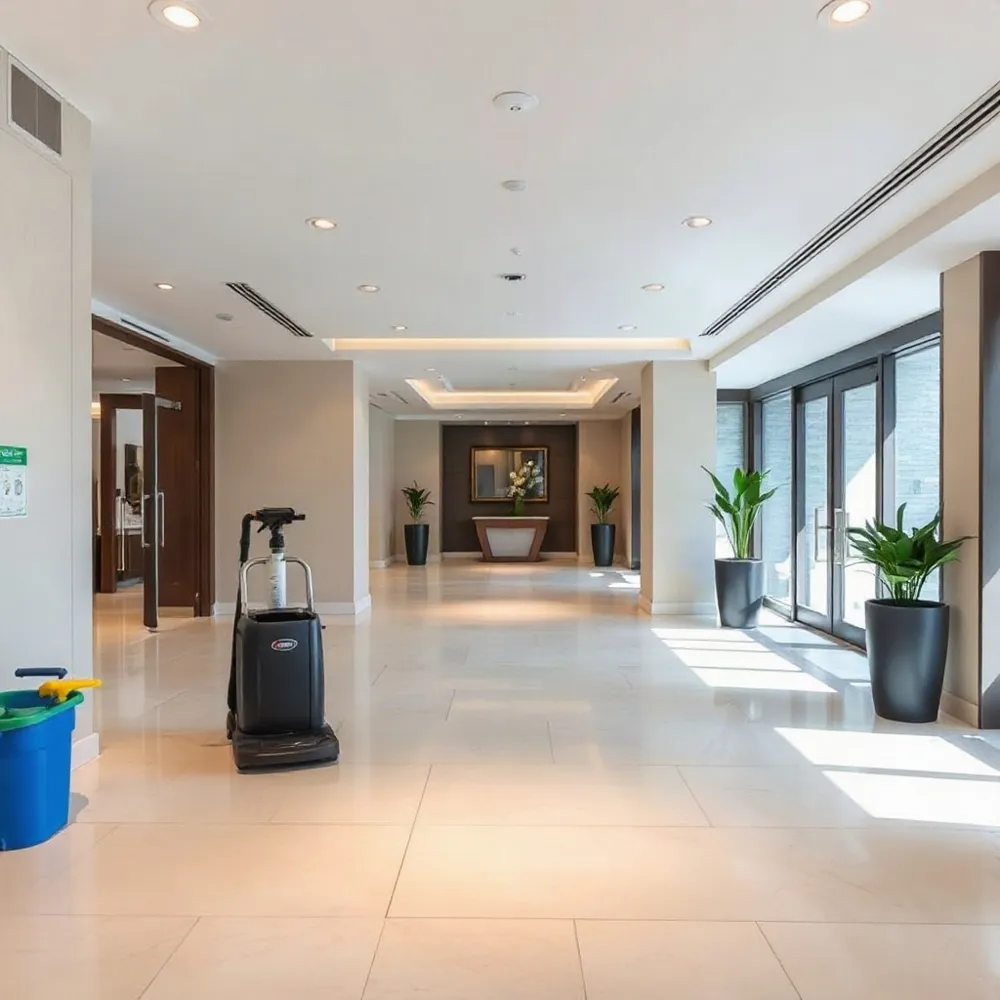
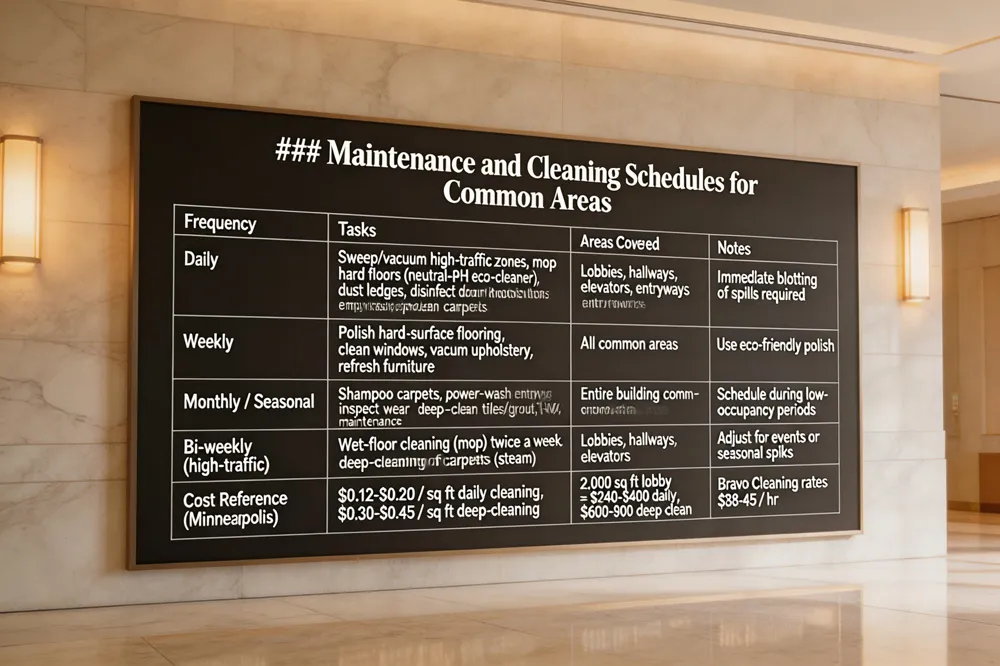 A thorough apartment common‑area cleaning checklist begins daily with sweeping or vacuuming high‑traffic zones, mopping hard floors with a neutral‑pH, eco‑friendly cleaner, dusting ledges, railings, and light fixtures, disinfecting door knobs, elevator buttons and handrails, emptying trash bins, wiping interior glass, and spot‑cleaning carpets and upholstery. Weekly tasks add polishing hard‑surface flooring, cleaning windows, vacuuming upholstery, and refreshing furniture. Monthly or seasonal duties include shampooing carpets, power‑washing entryways, inspecting for wear, and deep‑cleaning tiles, grout, and HVAC components.
High‑traffic areas (lobbies, hallways, elevators) should be vacuumed and disinfected daily, with wet‑floor cleaning at least twice a week; light‑traffic zones can follow a weekly routine. Deep‑cleaning, including carpet shampooing and upholstery care, is best scheduled weekly or bi‑weekly, adjusting for events or seasonal spikes.
In Minneapolis, routine common‑area cleaning costs $0.12‑$0.20 per sq ft (≈ $240‑$400 for a 2,000‑sq‑ft lobby). Deep‑cleaning adds $0.30‑$0.45 per sq ft. Bravo Cleaning’s hourly rates are $38‑$45 for commercial work, so a 2‑hour service runs $76‑$90.
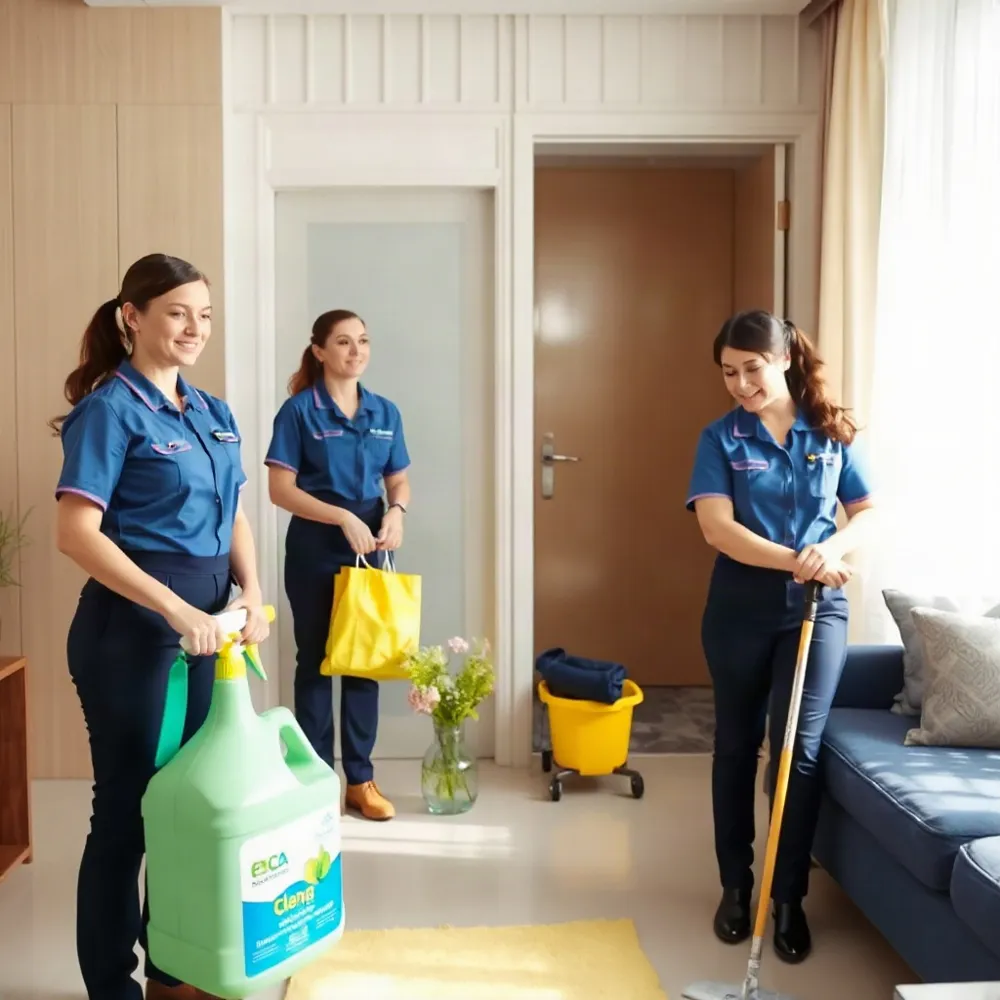
Bravo Cleaning, a locally owned Minneapolis firm, offers customized eco‑friendly schedules, background‑checked staff, and over 20 years of experience, ensuring spotless, hygienic shared spaces that protect property value and resident satisfaction.
Policies, Footwear, and Sustainable Practices
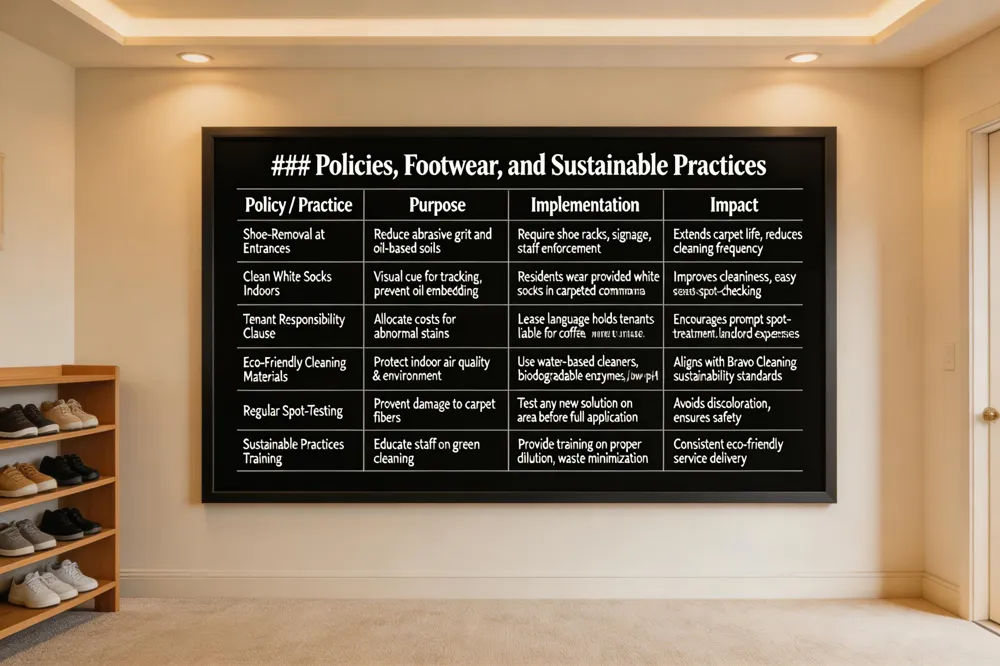 A clear shoe‑removal policy at entrances reduces abrasive grit and oil‑based soils that wear carpet fibers. Many property managers now require residents to wear clean white socks in carpeted common areas; the light color shows any tracking and prevents oil from embedding in the pile. Tenants are generally responsible for stains that exceed normal wear—coffee spills, pet urine, wine marks, or damage caused by misuse—while routine dirt removal remains the landlord’s duty.
FAQs
Are tenants responsible for carpet stains? Yes; leases typically hold tenants liable for abnormal stains and require professional cleaning at move‑out, with costs deducted from the security deposit only for tenant‑caused damage.
Does Baking soda remove stains out of carpet? Baking soda absorbs moisture and odors; sprinkle, mist, let sit 15‑30 min, then vacuum. Test a hidden spot first.
What does WD‑40 do to carpet? Standard WD‑40 leaves oily residue that attracts dirt and dulls fibers; it should be avoided. Use a dedicated carpet cleaner or a professional service like Bravo Cleaning.
How to remove carpet stains with ammonia? Dilute 1 Tbsp ammonia per cup cool water, spot‑test, apply, blot gently, rinse with plain water, and dry promptly.
How do I clean stained apartment carpet by myself? Vacuum, test a vinegar‑water or dish‑soap‑baking‑soda solution, spray, blot from edges inward, rinse with plain water, and dry.
How to get old stains out of carpet with Baking soda? Sprinkle baking soda, lightly dampen with vinegar‑water for fizz, let sit overnight, then vacuum.
Eco‑friendly practices—using water‑based cleaners, biodegradable enzymes, and low‑moisture extraction—align with Bravo Cleaning’s sustainability commitment while protecting resident health.
Putting It All Together for Spotless Common Areas
Consistent timing is the backbone of a pristine carpet program. Schedule daily vacuuming of high‑traffic lobbies and hallways, weekly spot‑cleaning of spills within five minutes, and a quarterly professional hot‑water extraction to remove deep‑embedded soil and allergens. Pair these intervals with eco‑friendly practices: use biodegradable, pH‑balanced detergents that leave no harmful residues, rinse with plain water to neutralize alkaline cleaners, and wear clean white socks on carpeted zones to avoid oil‑based deposits from bare feet. Finally, enlist professional support from locally owned specialists such as Bravo Cleaning or Green Team MN, who bring truck‑mounted steam extraction, enzyme‑based pre‑treatments, and low‑moisture encapsulation to protect fibers while delivering rapid drying times. This coordinated approach—regular timing, green solutions, and expert service—extends carpet life, safeguards indoor air quality, and keeps apartment common areas looking immaculate for residents and visitors alike.
Recent articles