Everything You Need to Know About Green Cleaning Methods

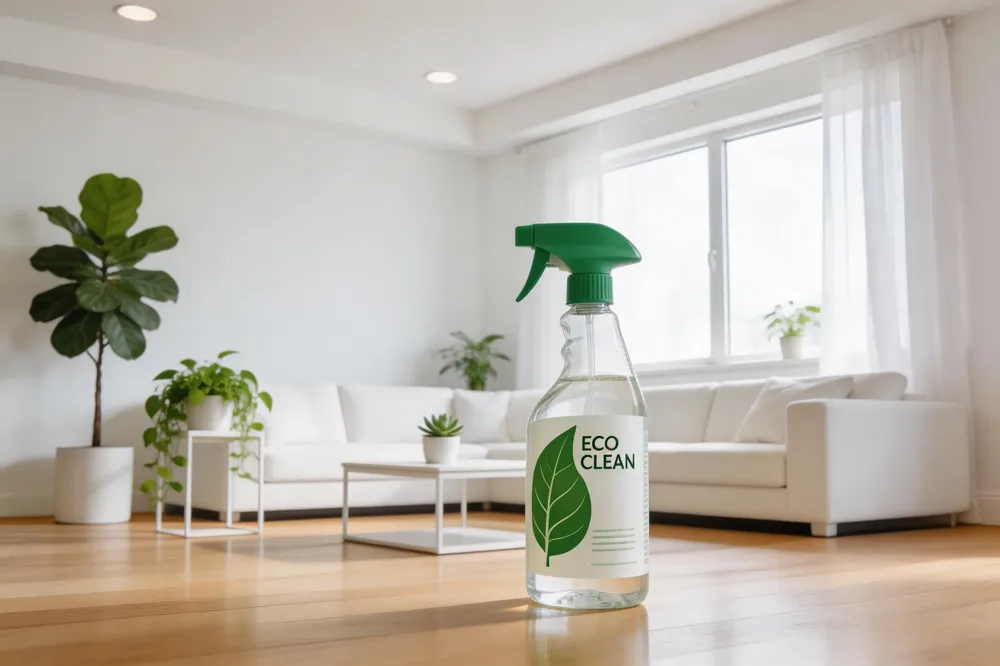
Why Green Cleaning Matters
Green cleaning delivers measurable health advantages for both occupants and cleaning staff. By eliminating toxic chemicals such as ammonia, chlorine, and synthetic fragrances, it reduces skin irritation, respiratory distress, asthma triggers, and long‑term risks like cancer or reproductive harm. Improved indoor air quality results from lower volatile organic compound (VOC) emissions, making environments safer for children, pets, and vulnerable employees.
Environmental protection is another core benefit. Non‑toxic, biodegradable formulas prevent hazardous runoff that can damage aquatic ecosystems and cause algal blooms. Packaging that uses recycled content, bulk concentrates, and refillable containers cuts plastic waste and transportation emissions, supporting a circular economy.
Economically, green cleaning can be cost‑neutral or cheaper. Simple ingredients such as white vinegar, baking soda, and lemon juice provide effective cleaning power at a fraction of the price of commercial chemicals, while bulk purchasing reduces per‑unit cost and lowers storage space requirements. Studies from Clean Water Action and EPA show that facilities often save on product spend and waste disposal fees.
Regulatory trends reinforce the shift toward safer chemicals. Executive orders—like New Jersey’s Order #76—mandate green product purchases for public properties, and federal programs (EPA Safer Choice, Green Seal) increasingly certify greener alternatives. Property managers who adopt these practices stay ahead of compliance, protect health, and demonstrate corporate responsibility.
Fundamentals of Green Cleaning

Green cleaning is an eco‑friendly approach that uses non‑toxic, biodegradable ingredients—such as white vinegar, baking soda, lemon juice, castile soap, and EPA‑certified formulas—to protect people, pets, and the environment while maintaining cleanliness and disinfection. It avoids phosphates, chlorine, synthetic dyes, artificial fragrances, and high‑VOC solvents, and it emphasizes waste reduction through reusable microfiber cloths, mop heads, and refillable or recycled‑content containers.
Key attributes of safe green‑cleaning products include:
• Non‑toxic and biodegradable chemistry
• Phosphate‑free, chlorine‑free, and dye‑free formulations
• Full ingredient disclosure on labels
• Packaging made from recycled content, bulk or refillable options to lower carbon footprints
EPA’s Safer Choice and Design for the Environment programs along with third‑party certifications such as Green Seal, EcoLogo, and UL ECOLOGO®, verify that a product meets strict health and environmental standards, including low VOC content, neutral pH, and low aquatic toxicity.
Impact on indoor air quality and skin health is significant. By eliminating volatile organic compounds and harsh chemicals, green cleaning reduces airborne pollutants that can trigger asthma, headaches, and eye irritation. Studies show that conventional cleaners can be as harmful to lung health as smoking 20 cigarettes a day, whereas green products improve air quality and lessen respiratory stress. For the skin, plant‑based surfactants and natural fragrances avoid the drying, irritating effects of ammonia, bleach, and synthetic fragrances, helping maintain the skin’s moisture barrier and reducing redness, dryness, and allergic reactions for occupants and cleaning staff alike.
What is green cleaning?
Green cleaning is an eco‑friendly cleaning method that relies on non‑toxic, biodegradable ingredients, reusable tools, and sustainable packaging to protect health and the environment while delivering effective cleaning and disinfection.
Green cleaning benefits for skin
Because green cleaners use plant‑based, fragrance‑free formulas free from ammonia, bleach, and harsh VOCs, they preserve the skin’s natural oils, minimize irritation, and lower the risk of allergic reactions, providing a gentler, healthier cleaning experience for both residents and staff.
DIY Green Cleaning Recipes

[Green cleaning] recipes empower property managers and business clients to maintain spotless spaces while protecting health and the environment. Below are four practical, cost‑neutral solutions that align with Bravo Cleaning’s eco‑friendly standards.
All‑purpose spray using vinegar and essential oil – Mix ½ cup distilled white vinegar with 2 cups water and 10‑20 drops of a preferred essential oil (tea tree, lemon, or lavender). Shake in a reusable spray bottle and apply to countertops, tiles, glass, and sealed wood. The low‑VOC blend improves [indoor air quality] and leaves a fresh, natural scent.
Creamy soft‑scrub paste with baking soda and castile soap – Combine 2 cups baking soda with ½ cup liquid castile soap and a few drops of essential oil to form a thick paste. This biodegradable scrub tackles stubborn grime on stovetops, sinks, and bathroom fixtures without the harsh detergents that can irritate skin or respiratory passages.
Natural disinfectant wipe solution – Blend 1 cup water, ¼ cup vinegar, and 8 drops each of tea tree, eucalyptus, and lemon essential oils. Soak reusable [microfiber cloth] squares, wring out, and wipe high‑touch surfaces. The formulation delivers antimicrobial action comparable to many commercial disinfectants while remaining non‑toxic.
Safety tips and cost benefits – Always label containers, store solutions away from children, and never mix bleach with vinegar or ammonia. Using bulk, refillable containers and pantry staples reduces plastic waste and can save up to cost‑neutral or cheaper versus conventional cleaners. Studies show green cleaning can be cost‑neutral or cheaper, while Safer Choice products and EPA standards make Cleaning’s comparable Made effective, eco‑conscious cleaning practices.
FAQ Highlights
- Green cleaning recipes: Three simple, eco‑friendly recipes—vinegar‑oil spray, baking‑soda‑castile scrub, and a disinfectant wipe solution—are inexpensive, non‑toxic, and ideal for residential or commercial turnovers.
- Best homemade all‑purpose cleaner: A 1:1 vinegar‑to‑water mix with a few citrus or tea‑tree oil drops cuts grease, removes soap scum, and deodorizes without harsh chemicals.
- What is the best homemade cleaning solution?: A versatile blend of white vinegar, baking soda, and essential oil delivers cutting power, stain removal, and safe use on most surfaces, embodying Bravo Cleaning’s commitment to sustainable, community‑focused service.
Green Cleaning Products and Certifications

EPA Safer Choice and Design for the Environment Both programs certify that a product meets strict health‑ and environmental‑safety criteria, including low VOCs, biodegradable ingredients, and reduced aquatic toxicity. Choosing Safer Choice or DfE‑labeled items gives property managers confidence that the cleaners they purchase protect staff, tenants, and the ecosystem.
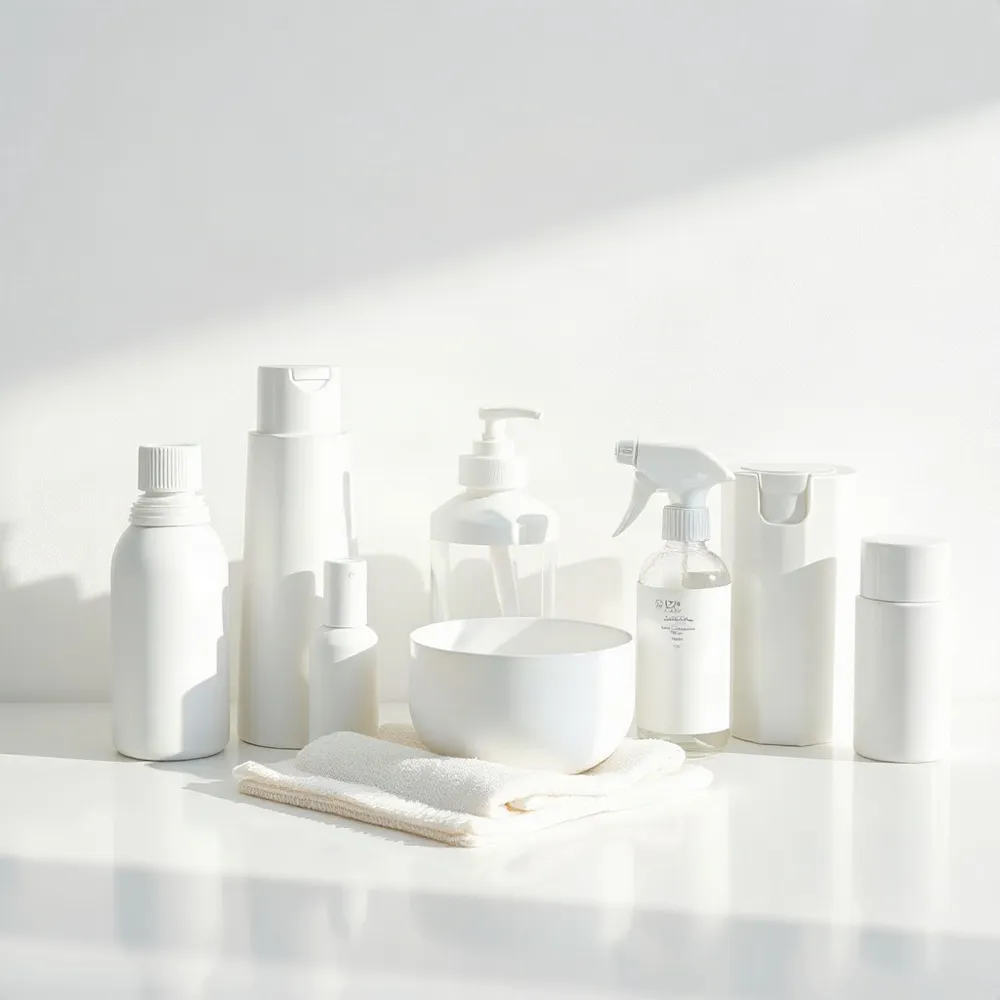
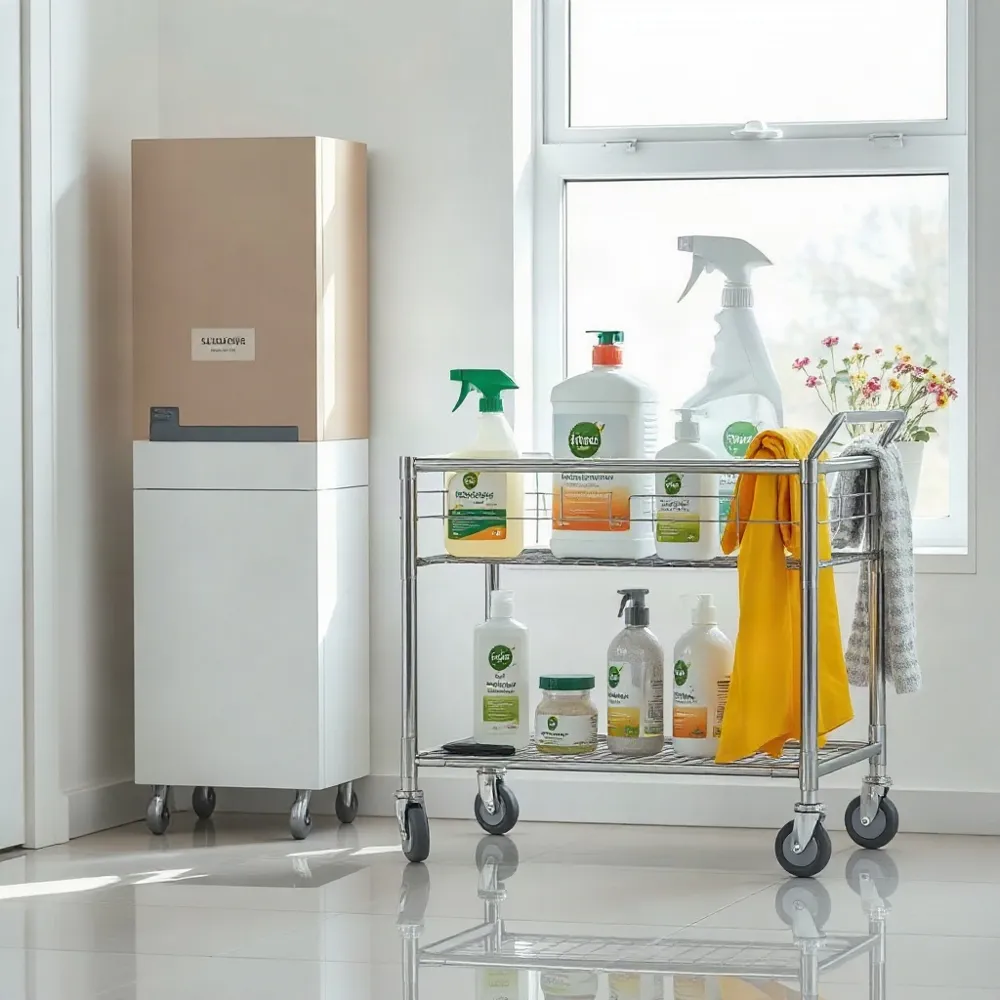
Green cleaning product examples Examples of green cleaning products include EPA‑Safer Choice‑certified all‑purpose sprays and multipurpose cleaners that use safer, biodegradable ingredients. Natural brands such as ECOS, Rosey, Biokleen, and Bon Ami offer nontoxic dish‑washing liquids, laundry detergents, and powder cleaners free of harsh chemicals. Green Llama provides refillable glass spray bottles for bathroom, glass, and all‑purpose cleaning, along with eco‑friendly dishwasher tabs and fragrance‑free laundry detergent. Carpet‑care options like plant‑based spot cleaners and low‑VOC carpet shampoos give effective stain removal without toxic solvents. Hand‑soap and disinfectant products bearing the DfE label combine antimicrobial performance with reduced environmental impact.
Best green cleaning products The top green cleaning products earn the EWG Verified® seal and are Safer Choice‑certified. ECOS multi‑surface spray, glass cleaner, and laundry detergent are plant‑based, biodegradable, and low‑VOC. For carpet and floor care, Zerorez’s pH‑balanced water system and ECOS carpet‑stain remover provide chemical‑free deep cleaning. Microfiber E‑Cloth pads paired with a simple water‑only spray replace disposable wipes, eliminating harsh chemicals and cutting waste. Always look for recycled or refillable packaging to further reduce the carbon footprint.
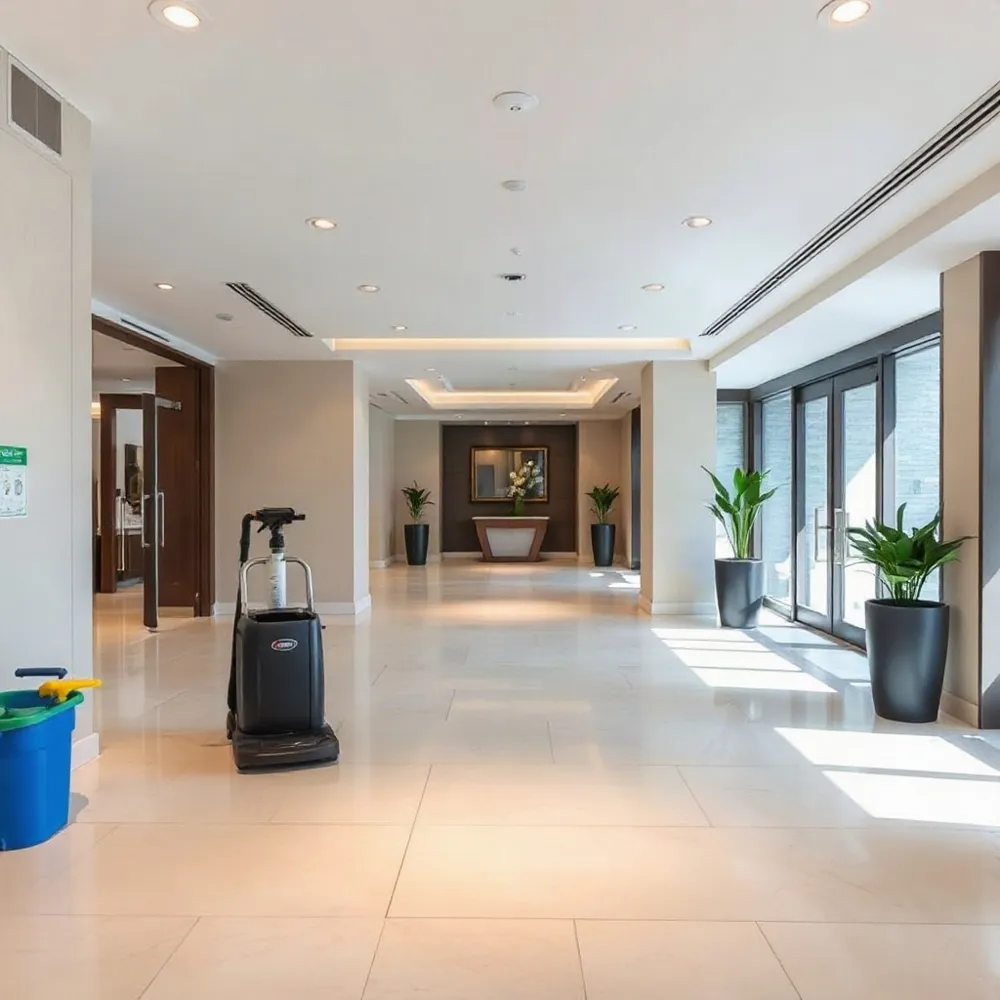
Eco‑friendly cleaning products for businesses Businesses can maintain spotless workplaces while protecting indoor air quality by selecting biodegradable all‑purpose cleaners (e.g., ECOS, Eco‑Max) for floors and high‑traffic surfaces. Pair them with plant‑based glass and bathroom solutions such as Simple Green Bathroom Cleaner for streak‑free shine and germ control. Certified green floor‑care lines—Eco‑Max Neutral Cleaner or micro‑fiber mop systems—preserve wood, tile, and carpet fibers, meeting rising consumer demand for sustainable services and lowering health risks for staff.
Green cleaning guide Begin by swapping disposable paper towels and synthetic sponges for reusable options like Swedish dishcloths, old cotton shirts, or microfiber towels that can be washed and reused. Choose products with reputable ecolabels (Safer Choice, DfE) and consider DIY solutions using white vinegar, baking soda, and liquid castile soap stored in refillable spray bottles. Concentrated formulas diluted on site reduce packaging and transportation emissions. Regular maintenance—dusting, vacuuming, and spot‑cleaning—keeps surfaces cleaner longer, minimizing heavy chemical use and preserving a healthier indoor environment.
Implementation in Residential and Commercial Settings

Green cleaning can be seamlessly integrated into homes and businesses by swapping traditional chemical sprays for simple, non‑toxic alternatives. Green cleaning examples – Mix white vinegar and water to disinfect surfaces and cut grease; use baking soda or hydrogen peroxide for stain removal, carpet deodorizing, and grout brightening. Microfiber cloths and reusable mop pads capture dust and bacteria without chemicals, while steam cleaners sanitize floors and upholstery with hot water vapor, eliminating harsh detergents. Adding a few drops of essential oils to castile‑soap cleaners provides a pleasant scent and natural antimicrobial benefits.
Green cleaning tips (2022) –
- Replace disposable paper towels and sponges with reusable Swedish dishcloths, old t‑shirts, or microfiber cloths to reduce waste and cost.
- Create DIY cleaners using pantry staples—vinegar, baking soda, lemon juice, and essential oils—stored in refillable spray bottles.
- Ventilate by opening windows during cleaning and use natural air‑fresheners (e.g., simmered cinnamon or fresh herbs) plus indoor plants like peace lilies to improve air quality.
- Opt for regular soap and water over antibacterial soaps to avoid resistant “super germs.”
- Safely dispose of hazardous cleaners through local waste‑collection events and choose products labeled non‑toxic, biodegradable, and phosphate‑free.
Natural green cleaning tips –
- Equal parts vinegar and water make an all‑purpose spray for grease and deodorization.
- Sprinkle baking soda on stovetops, tubs, or carpets, let sit, then scrub and rinse.
- Enhance vinegar solutions with citrus or tea‑tree essential oil for scent and antimicrobial power.
- Repurpose old toothbrushes and microfiber cloths for tight‑reach cleaning, reducing waste.
- Select refillable, plant‑based cleaners in recyclable containers to minimize plastic waste and support sustainability.
Certification and Professional Standards

Green cleaning certifications confirm that a cleaning firm follows environmentally responsible practices—using low‑toxicity, biodegradable products, conserving water and energy, and minimizing waste. Programs such as ISSA’s CIMS, ISO 14001, the International Janitorial Cleaning Services Association (IJCSA), and the Green Cleaning Institute (GCI) require documented staff training, strict product selection criteria, and measurable waste‑reduction procedures. For property managers and business clients, a certified provider guarantees healthier indoor air quality, reduced chemical exposure, and compliance with regulations like New Jersey’s Executive Order #76. Bravo Cleaning holds green‑certified status through these industry standards, offering a proven, 20‑year track record of eco‑friendly service. Homeowners, apartment complexes, and condominium turnover projects benefit from our certified practices, which combine effective disinfection with non‑toxic, biodegradable solutions, delivering both safety and sustainability in every cleaning job.
Economic and Environmental Impact

Green cleaning in 2022 means using non‑toxic, biodegradable products free of phosphates, chlorine, dyes, and synthetic fragrances, packaged in recycled‑content or bulk containers to cut waste. Certified labels such as EPA Safer Choice, Green Seal, and EU Ecolabel help identify truly greener options and guard against vague marketing claims. Pairing these cleaners with reusable tools—microfiber cloths, natural sponges, and low‑water mopping—reduces chemical use, water consumption, and packaging waste, lowering the carbon footprint of cleaning operations.
Benefits of green cleaning products: They protect ecosystems by avoiding hazardous chemicals, improve indoor air quality by eliminating VOCs and synthetic fragrances, and reduce health risks such as asthma, skin irritation, and long‑term disease. Many green solutions are cost‑neutral or cheaper, often made from pantry staples like vinegar, baking soda, and essential oils. Eco‑friendly packaging and reduced hazardous waste further support a sustainable, circular economy for homes and businesses alike.
Putting It All Together
Green cleaning delivers clear health, environmental, and financial wins. By eliminating volatile organic compounds, phosphates, chlorine and synthetic fragrances, it improves indoor air quality, reduces asthma and allergy triggers, and protects aquatic ecosystems from runoff. The low‑toxicity, biodegradable formulas also lower disposal hazards and meet EPA Safer Choice and Green Seal standards, while bulk, recyclable packaging cuts waste and shipping emissions. For businesses, the result is a healthier workplace, fewer sick days, and often cost‑neutral or cheaper cleaning operations—especially when using common ingredients such as vinegar and baking soda or purchasing concentrates in refillable containers.
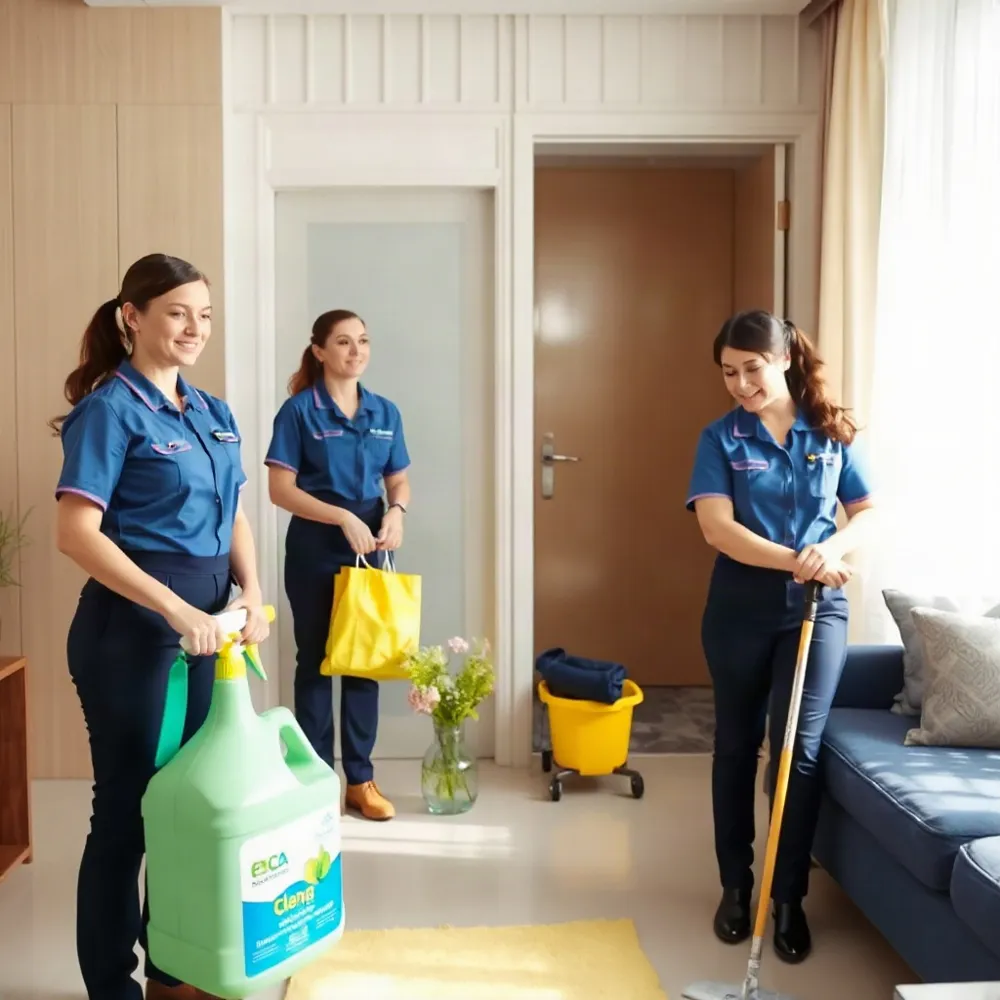
Bravo Cleaning embeds these principles into every service: our staff is trained on proper dilution, we use EPA‑certified Safer Choice products, microfiber tools, and refillable containers, and we track chemical usage to ensure compliance with executive orders like New Jersey’s #76. The result is a spotless, safe environment that aligns with sustainability goals.
Choose a greener future—property managers and residents alike are invited to partner with Bravo Cleaning for eco‑friendly, high‑quality cleaning that protects people, pets, and the planet.
Recent articles