What Clients Value Most in a Reliable Cleaning Team


Reliability Begins With Clear Expectations
Inviting a cleaning team into a home, apartment building, or workplace calls for trust as well as a clean result. Clients want to know who will arrive, what work will be done, and how the provider will treat the property.
Reliability means more than surfaces that look clean. It includes clear communication, dependable scheduling, respect for belongings and shared spaces, and consistent work from visit to visit. For property managers, a missed task or an unclear update can affect residents, tenants, and daily operations.
A locally owned Minneapolis provider such as Bravo Cleaning can work with clients to assess a property’s needs and establish a suitable scope. That range makes it possible to consider the property’s actual needs rather than assume every site requires the same routine.
Clients can assess fit by clarifying the scope, schedule, communication process, and expectations for follow-up before service begins. The following sections explore practical ways to evaluate dependable service and build a plan that works for the people who use the space.
Set Expectations Before the First Visit

A dependable first visit starts with a conversation, not assumptions. Ask for a consultation, a written scope of work, and transparent pricing so you can see what is included before service begins. Bravo Cleaning’s customized plans are designed for residential and commercial properties, including apartment buildings, with options such as turnover cleaning and carpet care.
Confirm which rooms and tasks are covered, along with any extras, access arrangements, and special requests. For property managers, this may mean clarifying turnover priorities or identifying areas that need more frequent attention. Discuss the schedule and how the team will communicate delays or changes, then document the scope and schedule in writing.
Ask what equipment and products the team will use, how staff protect different surfaces, and whether eco-friendly options are available. A professional provider should also explain how employees are trained, how quality is checked, and whom to contact with feedback or concerns. Agreeing on these details early gives both sides a practical way to assess whether each visit meets the plan.
Look for Evidence of Dependable Service

Reliable service is easier to judge when a company can show how it works, not just promise a good result. Start with a clear description of what is included, how appointments are scheduled, what the price covers, and how quickly questions receive a response. These details help property managers compare providers on the same basis.
Reviews can reveal whether a provider delivers consistently. Read both recent and older comments, looking for repeated details about punctuality, communication, results, and how concerns were handled. A specific account of a missed appointment being corrected is more useful than a star rating alone. Bravo Cleaning’s client testimonials offer examples of customer experiences with reliability and quality.
Ask who will work at the property, what experience the team has with similar spaces, how staff are screened, and whether the company is insured. For a building with frequent resident changes, confirm that the provider handles turnover cleaning; for worn or heavily used flooring, ask about carpet care. Bravo Cleaning serves residential and commercial properties in Minneapolis, including apartment and condominium buildings, with turnover cleaning and carpet care among its specialties.
For recurring work, ask how appointments are confirmed and what happens if staffing or site needs change. A provider should be able to explain how it will respond when priorities shift, such as adding attention to a newly busy common area. Specific client testimonials can help managers assess whether the provider’s service fits their property. For a broader provider checklist, see what to consider when comparing professional cleaning providers.
Match Services to the Property
A cleaning plan works best when it reflects how a property is used, rather than applying the same checklist everywhere. Homes and commercial buildings may need routine maintenance, periodic deep cleaning, or move-in and move-out service, depending on occupancy and activity.
For apartment and condominium managers, turnover cleaning can prepare units and shared areas for incoming residents. Before work begins, managers can identify unit-specific priorities, access arrangements, and timing. Its tailored cleaning solutions for property managers offer a related look at matching service needs to a property.
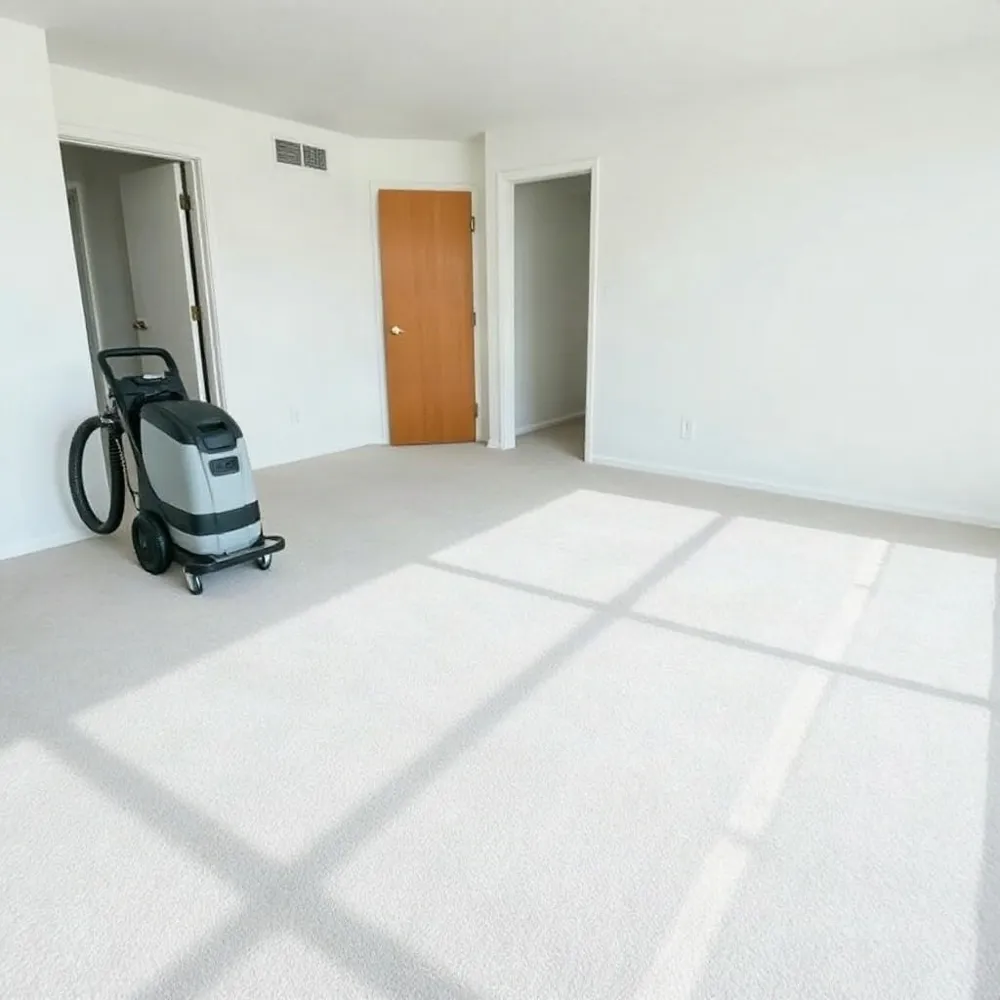
Carpet care can be useful in homes, offices, and other high-traffic spaces where dirt accumulates. Property managers may also need regular attention to common areas, floors, lobbies, and customer-facing spaces, since these are used by residents, employees, and visitors throughout the day.
Before scheduling, ask the provider to confirm which services it offers and agree on a written scope that reflects the property’s actual needs. Specify the areas to be cleaned, the type of work required, and the timing. A walkthrough can identify high-traffic areas, access constraints, and timing needs before the scope is finalized.
Build a Plan Around How Spaces Are Used

A useful cleaning plan starts with the property itself: its type, size, condition, daily activity, and the areas that receive the most traffic. A walkthrough helps a manager and cleaning provider turn those details into a practical scope rather than relying on a standard checklist.
For an apartment or condominium building, that may mean frequent attention to entrances, shared spaces, restrooms, and floors, while scheduling baseboards, vents, or interior glass for less frequent detail work. A walkthrough can help identify which areas need attention most often and when those tasks can be completed with minimal disruption.
Turnover work needs its own clear scope. Before cleaning begins, confirm the unit’s condition, access arrangements, and which tasks are included. Carpet care or other specialty work can be arranged when needed instead of being assumed on every visit. This makes expectations clearer for both property managers and cleaning staff.
Plans should also leave room for change. A regular check-in can identify shifts in traffic, access times, or the frequency of service, then update priorities accordingly. For guidance on adapting cleaning to a property's use and requirements, see how to tailor commercial cleaning services.
Evaluate Providers From a Manager’s Perspective
For a property manager, a useful proposal should make the service easy to assess and administer. Look for a written scope that spells out what is included, what is excluded, and which tasks cost extra. A proposal should make cleaning standards visible and verifiable by defining the scope, so managers can compare proposals and check completed work against agreed expectations.
Ask whether the provider has worked in properties like yours, including apartment or condominium buildings, and can handle relevant needs such as turnover cleaning and carpet care. A property-specific walkthrough gives both sides a chance to identify high-priority areas, access requirements, and practical service times before the estimate is prepared.
Use the walkthrough to confirm that the proposed schedule, staffing, and scope fit the building’s routines. Ask how cleaners are trained and supervised, how keys or other building access are managed, and whether the company can provide appropriate insurance documentation. Clear answers help you assess how the service will work day to day, not just what the quote promises.
Finally, ask how the provider checks its work and what happens when a task is missed. A written checklist, a clear contact for concerns, and a defined correction process give managers practical ways to follow up. At Bravo Cleaning, documented standards and tailored plans help connect the agreed scope with property-specific service needs, including turnover work and carpet care.
Trust Shows Most When Problems Arise
Cleaning often happens when residents, employees, or managers are elsewhere, so trust depends on how a crew treats the property without direct oversight. Honesty, respect for belongings, and accountability matter as much as completing the agreed tasks.
When a spot is missed, an item is damaged, or a visit runs late, a dependable provider communicates promptly, acknowledges what happened, and works with the client on a resolution. Concealing an error can turn a manageable issue into a lasting loss of confidence. Bravo Cleaning’s approach to accountability centers on honesty, respect for property, and taking responsibility when problems arise.
Stated values only matter when they guide daily work. As a company adds crews, managers need to reinforce expectations with staff and support consistent conduct across properties. For Minneapolis homes and commercial buildings, Bravo Cleaning pairs experienced local staff with customized service plans, making clear communication and follow-through part of a property-specific relationship.
Feedback and inspections can help reveal recurring missed areas or changing site needs. Providers can adjust routines, recognize careful work, and keep clients informed about what has changed. This ongoing attention helps property managers address small service gaps before they become repeated frustrations.
Choose a Partner, Not Just a Schedule
A dependable cleaning relationship rests on more than a calendar entry. Clients need consistent results, respectful staff, clear communication, and a plan that fits the property. For Minneapolis homes and businesses, Bravo Cleaning offers customized residential and commercial cleaning, including apartment and condominium turnover work and carpet care.
When comparing providers, weigh the proposed scope, service fit, communication, and accountability alongside price. Ask how concerns are handled, how completed work is checked, and whether the schedule can adapt when occupancy, operations, or priorities change. Bravo Cleaning brings more than 20 years of local experience, while its tailored plans can reflect changing property needs.
Expectations should not stay fixed if the building or household changes. Review what is working, raise missed tasks promptly, and adjust priorities together. A provider that listens and responds can help keep service aligned with the space, rather than simply repeating a schedule that no longer fits.
Recent articles