What Makes a Good First Impression in Office Cleanliness?

Setting the Stage for Success with a Spotless Office
First impressions shape how clients and visitors perceive a business the moment they step inside. In office environments, cleanliness plays a pivotal role in conveying professionalism, trustworthiness, and care. This article explores the essential elements that create a powerful initial impact through pristine office cleanliness, its effect on employee productivity and safety, and strategies to maintain high standards.
The Psychological Impact of Cleanliness on Client Perception

How does cleanliness influence the first impression clients get in an office?
Research in environmental psychology indicates that clean spaces are strongly associated with professionalism, competence, and trustworthiness. A spotless office creates a sense of order and attentiveness, positively influencing client interactions from the outset.
How cleanliness influences client impressions
A well-maintained office environment signals care and attention to detail, which clients often interpret as indicators of a reliable and thorough business. Clean surfaces, uncluttered spaces, and pleasant odors contribute to a welcoming atmosphere that builds trust and confidence, as detailed in Clean office professionalism and positive tone for client interactions.
Psychological associations with clean spaces
People instinctively link cleanliness with organization and discipline. Clean environments reduce distractions and mental clutter, allowing clients and employees alike to focus better and feel more comfortable. This psychological effect fosters a sense of reliability and calm when engaging with the business, as explored in Boost Employee Productivity and the Impact of a Clean Office Environment.
Key areas that shape first impressions in offices
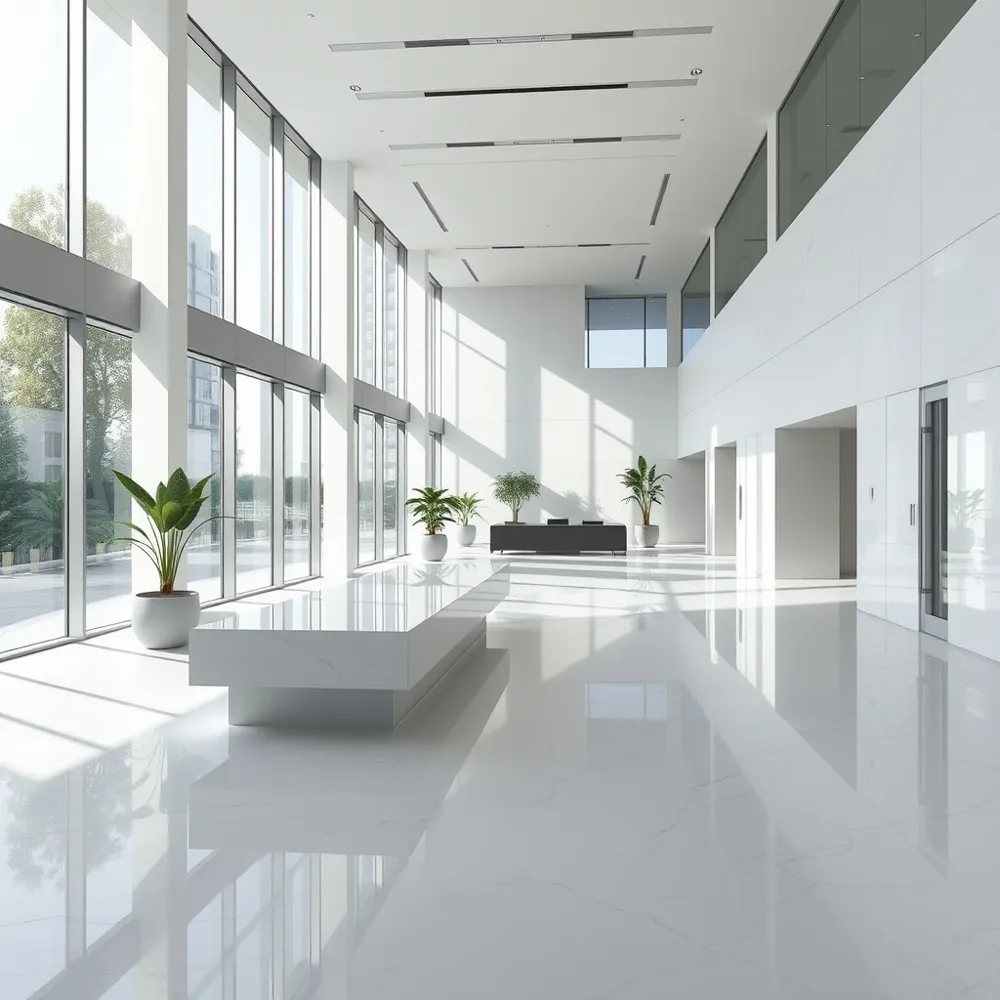
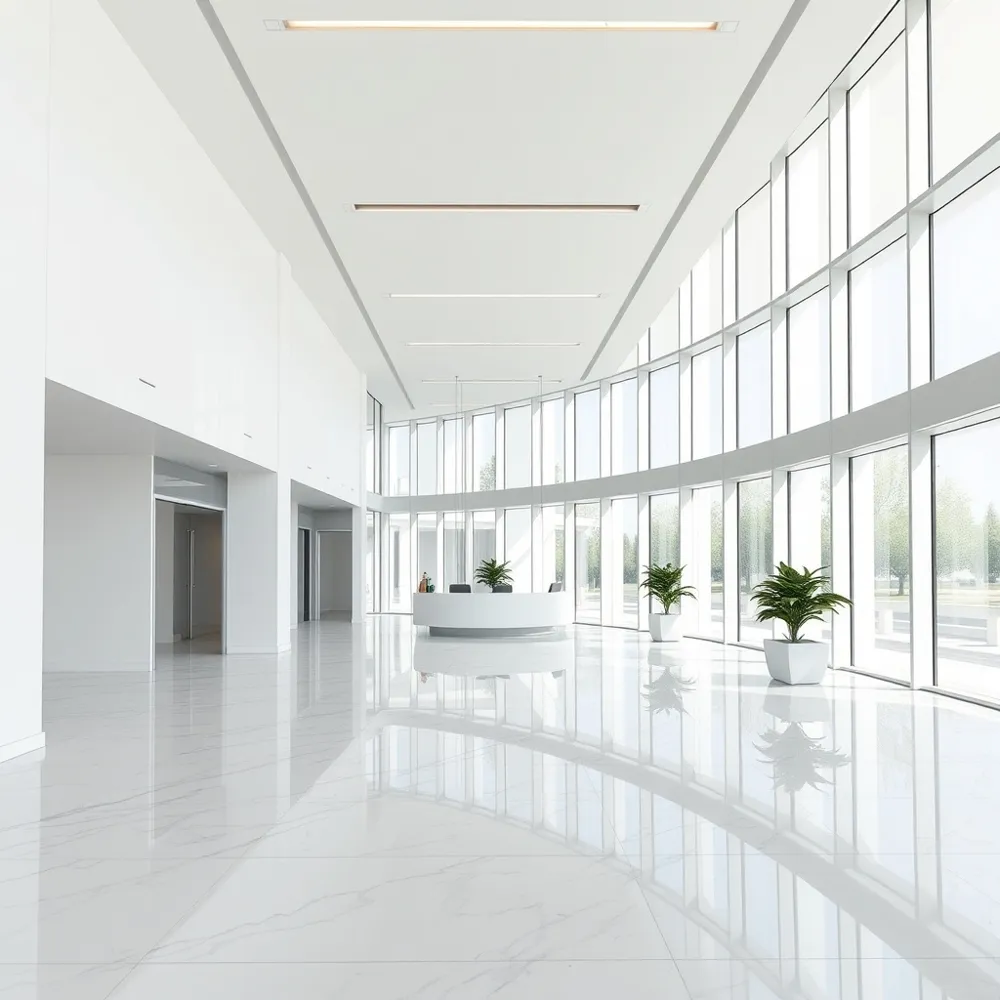
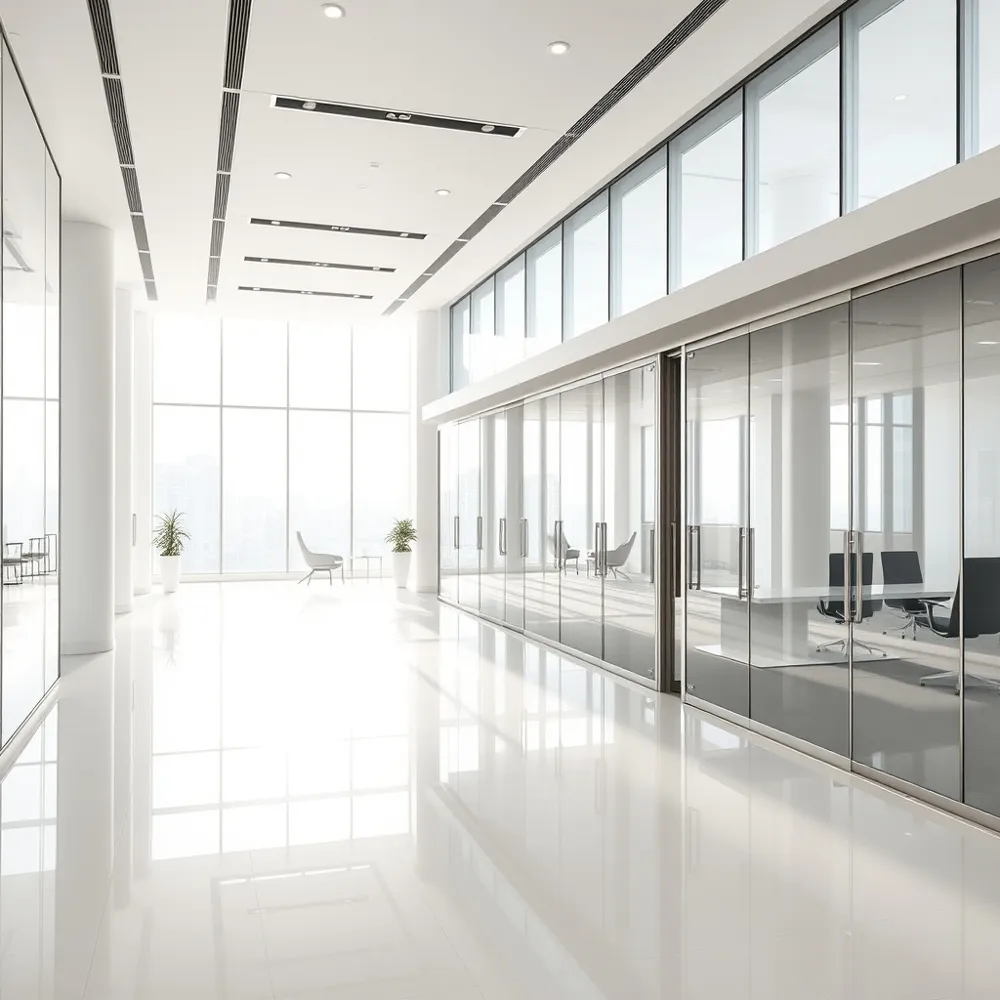
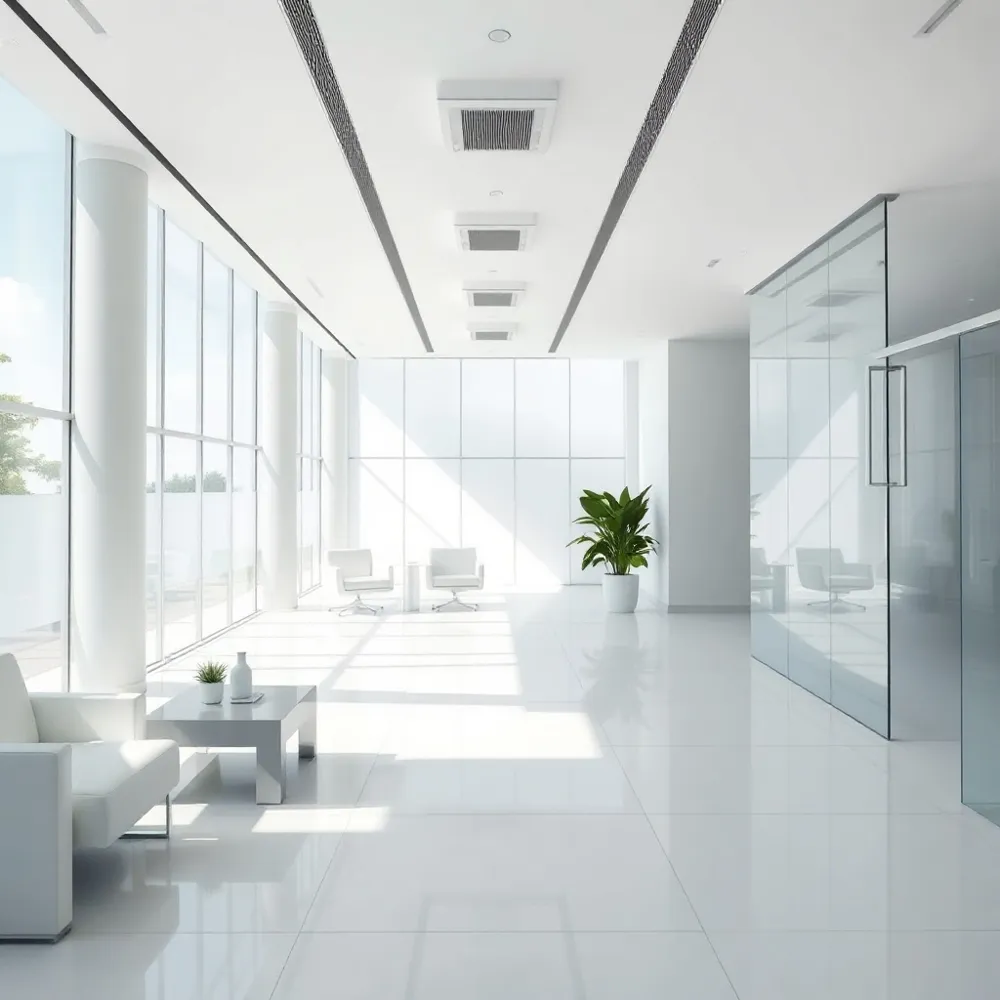
The entrance, reception area, and meeting rooms are crucial points that clients notice first. These areas should be especially spotless and inviting. Professional cleaning services often emphasize these zones by routinely focusing on floors, windows, high-touch surfaces, and restrooms to maintain an exceptional appearance.
Maintaining a consistently clean office thus not only benefits daily operations but also crafts a lasting positive impression on clients, reinforcing the company's professionalism and care.
Key Areas to Prioritize for a Spotless First Impression

Which office areas are most critical to cleanliness for first impressions?
Certain office zones greatly impact the impression clients and visitors form upon arrival. The entrance, reception area, and meeting rooms are the most critical spaces to keep spotless and welcoming. These areas are the first points of interaction and must radiate professionalism and care.
Essential zones for cleanliness
- Entrance: This is the first visual cue of your business's standards. Ensure floors, door handles, and mats are regularly cleaned.
- Reception: Surfaces, seating areas, and decor should be free of dust and clutter to provide an inviting ambiance.
- Meeting Rooms: These spaces reflect your company's professionalism during client discussions. Clean tables, chairs, and audiovisual equipment thoroughly.
High-touch surfaces and maintenance frequency
Frequent sanitation of high-touch points is vital to prevent germ spread and maintain a polished look. This includes:
- Door handles
- Elevator buttons
- Restroom fixtures
- Light switches
These should be cleaned multiple times daily, especially in high-traffic environments following established high-touch surface sanitation protocols.
Role of professional cleaning services
Engaging professional cleaning services ensures a consistent, high standard of cleanliness. Experts can handle daily, weekly, and monthly cleaning routines tailored to your office's needs, including deep cleaning tasks such as carpet shampooing and high dusting.
Partnering with specialists reduces the burden on staff while maintaining a hygienic and appealing environment that positively influences client perceptions and boosts employee productivity.
Workplace Cleanliness and Employee Productivity
How does a clean office environment impact employee productivity and morale?
Clean and organized offices have a significant positive effect on employee productivity and morale. Studies, such as one from the University of Arizona, indicate that employees working in clean environments can be up to 15% more productive. This productivity boost stems from reduced distractions and mental fatigue, as tidy workspaces enable better concentration and focus. For more details on the relationship between office cleanliness and employee productivity, see related research.
Connection between cleanliness and employee efficiency
Maintaining a clutter-free environment helps employees minimize time wasted looking for tools or documents. Organized offices reduce errors and streamline workflows, allowing workers to complete tasks more quickly and efficiently. Learn more about how to Boost Employee Productivity through cleanliness.
Health benefits and reduced absenteeism
A clean office reduces the spread of germs, bacteria, and allergens. This improvement in workplace hygiene leads to fewer illnesses and sick days. For example, workers in cleaner environments take on average 24% fewer sick days, fostering consistent attendance and better overall performance. See Workplace cleanliness and productivity for more on this topic. Proper high-touch surface sanitation protocols are key to preventing germ spread.
Employee morale and job satisfaction
Cleanliness also promotes a positive atmosphere where employees feel cared for. Staff morale rises when management values the workspace, encouraging motivation, engagement, and job satisfaction. A healthy, orderly environment reduces stress and burnout, making for a happier, more dedicated workforce. Related resource: Workplace cleanliness importance. Additionally, Maintaining a professional office environment supports employee morale and creates positive impressions.
In summary, investing in office cleanliness is essential not only for health and safety but also for enhancing employee productivity and strengthening workplace morale. For comprehensive benefits, consult Importance of Maintaining a Clean Business.
Ensuring Safety Through Effective Housekeeping Practices

Why is maintaining office cleanliness important for workplace safety?
Maintaining a clean office is essential for workplace safety because cluttered environments can obstruct emergency exits and slow evacuation during emergencies. Objects left in walkways increase risks of trips and falls, while improperly stored combustible materials like paper and boxes significantly raise fire hazards. For more on Maintaining a Safe Workplace and Workplace Cleanliness and Safety.
What safety hazards are related to clutter and poor sanitation?
Clutter can block critical fire escape routes, which should remain unobstructed and at least 28 inches wide. Poor sanitation may attract pests, leading to health problems. Additionally, overstacking electrical devices or burying wiring can cause electrical fires, so proper storage is necessary. See more about Preventing Workplace Hazards and Maintaining a safe, clean workplace.
How do combustible materials increase fire risk?
Combustible materials such as paper and cardboard can fuel fires and interfere with sprinkler systems, reducing their effectiveness in emergencies. Keeping these materials properly stored and disposed of prevents fire hazards and ensures safety systems work. For details, refer to Fire safety and prevention and Proper storage of combustible materials.
What is the role of housekeeping routines and staff training?
Effective housekeeping includes regular cleaning schedules, routine inspections, and clear communication of safety practices. Training employees about proper storage, waste disposal, and emergency protocols is vital. Documentation and feedback loops help sustain a safe, healthy workplace. Learn more from Housekeeping Routines and Inspections and Staff Training for Workplace Safety.
Combining these elements promotes a clean, organized environment that protects employees and visitors while maintaining operational efficiency. For more on Maintaining a clean workplace and Preventing workplace hazards.
Sustaining Excellence: Strategies for Ongoing Office Cleanliness

What strategies help maintain high office cleanliness standards?
Maintaining a consistently clean office requires a combination of well-planned schedules, clear policies, and professional support. Implementing regular cleaning schedules—daily, weekly, and monthly—helps address everyday maintenance and deeper cleaning tasks effectively (Daily, weekly, monthly office cleaning schedules). Clear office hygiene policies that encourage employee involvement foster responsibility and keep workspaces tidy (Office cleaning rules).
Implementing cleaning schedules and policies
Creating systematic cleaning routines for high-touch areas such as door handles, restrooms, and reception spaces prevents dirt buildup and germ spread (high-touch surface sanitation protocols (High-touch surface cleaning). Daily garbage disposal and clutter management improve hygiene and reduce safety hazards (Maintaining a Safe Workplace). Visual reminders and easy access to cleaning supplies motivate employees to maintain their personal and shared spaces.
Importance of professional janitorial services
Partnering with professional cleaning companies elevates office cleanliness beyond routine tasks (Professional office cleaning services. Experts provide comprehensive services including carpet cleaning, high dusting to remove allergens, window washing, and deep sanitization (Elevating office cleanliness) (Professional Janitorial Services). This specialization ensures thorough care of all surfaces and equipment, preserving office aesthetics and indoor air quality.
Incorporation of eco-friendly cleaning methods
Using environmentally friendly cleaning products and methods protects both employee health and the surrounding environment (eco-friendly office cleaning methods (Eco-Friendly Cleaning Practices). Eco-conscious practices reduce harsh chemicals indoors, limit allergies, and meet the expectations of eco-aware clients (Reducing allergy symptoms. This approach demonstrates corporate responsibility and supports sustainable business reputation (Clean Business and Brand Image.
Together, these strategies build a safe, professional, and inviting office space that positively influences client impressions (Impact of a Clean Office on Client Impressions and employee morale (Office cleanliness and employee morale.
The Lasting Impact of a Clean Office Environment
A well-maintained office reflects an organization’s dedication to quality, safety, and respect for clients and employees alike. By focusing on strategic cleaning of crucial areas, promoting employee health and productivity, and implementing robust housekeeping routines, businesses can create a strong and positive first impression. Such commitment to cleanliness not only enhances reputation but also builds trust and fosters business success.
Recent articles