How Professional Cleaners Handle Tough Stains and Build-Up


Unlocking the Secrets Behind Professional Stain and Build-Up Removal
Professional cleaners possess specialized skills and knowledge that allow them to effectively treat tough stains and build-ups where conventional cleaning often falls short. From meticulous inspection and pretreatment to the use of precise products and tools, their approach combines science and strategy to restore surfaces and fabrics to their best condition. This article explores the methods and insider tips professionals use to tackle challenging stains and persistent grime in homes and commercial spaces.
The Art and Science of Pretreatment in Professional Cleaning
How do professionals approach stain treatment before the actual cleaning?
Professional cleaners begin with a detailed pretreatment phase to tackle stains effectively before full cleaning. This starts by examining garments or surfaces under bright light to identify not only visible stains but also hidden ones. They evaluate the fiber or fabric type — whether silk, wool, synthetic blends, or linen — to choose chemicals that suit the material's sensitivity.
What is involved in stain identification and fiber assessment?
Different stains require unique treatments: protein-based stains like blood need enzymatic cleaners and cold water, while oil-based stains demand special solvents. Tannin, dye-based, and combination stains each call for specific agents. Fiber assessment ensures that pretreatment solutions do not damage delicate fabrics (Stain Removal Guide).
How are customized pretreatment solutions applied?
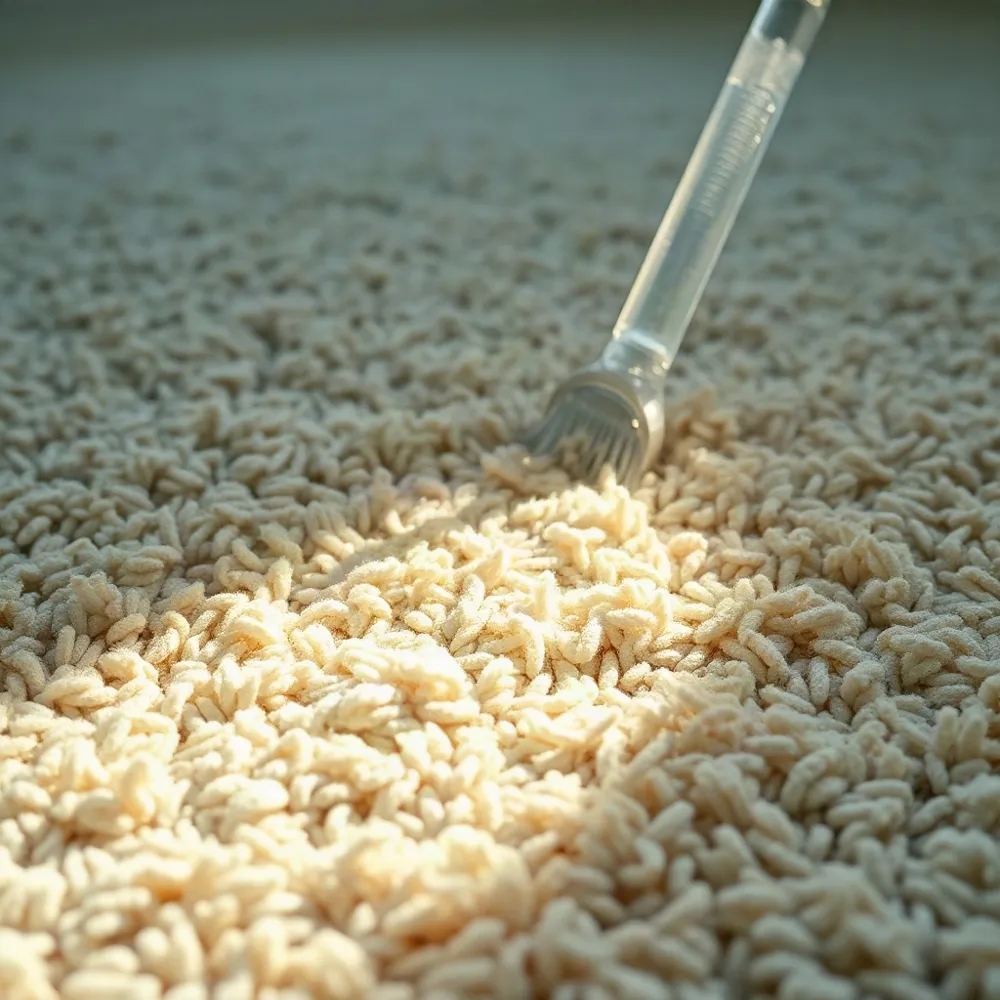
Once the appropriate solution is selected, professionals apply it directly to the stain using tools such as droppers or brushes. Sometimes they use steam or suction to aid in penetrating and rinsing the fabric. This precision treatment addresses stubborn stains without affecting the whole garment (Professional dry cleaner stain pretreatment).
Why is pretreatment so important?
Pretreatment safeguards fabrics by preventing stains from setting permanently, cutting down on damage during cleaning. It also enhances the overall cleaning results, often saving time and money by reducing the need for re-cleaning or garment replacement (Benefits of pretreatment in dry cleaning.
Through this careful and scientific approach, professional cleaning services achieve superior stain removal and fabric preservation.
Understanding Stains: Types and Targeted Removal Methods
What are the different types of stains professionals encounter and how are they treated?
Stains that professional cleaners typically deal with fall into several categories: protein-based, oil-based, tannin-based, and dye or combination stains. Each type requires a tailored removal strategy for the best results. For detailed insight, see Stain types and identification and the Ultimate Stain-Removal Guide.
Protein-Based Stains
These include blood, baby formula, and dairy products. They respond well to prompt treatment using cold water and enzymatic cleaners. Proteins can quickly set into fabrics, so immediate pre-treatment followed by soaking often yields the best outcome. Helpful techniques are covered in Pre-treating Stains and Treating Blood Stains.
Oil-Based Stains
Commonly from grease, salad dressing, or makeup, these stains are challenging because oil and water do not mix. They need enzymatic pre-treatments and should be treated without heat to avoid locking the stain into the fabric. Gently blotting and using specific solvent-based removers are preferred over harsh rubbing. See Removing Wax and Grease and Oil and Grease Stains Treatment for more information.
Tannin-Based Stains
Stains from coffee, tea, wine, or fruit juices are tannin-based. They require special stain removers suitable for the fabric type. Bleaching agents can be effective but must be carefully applied to avoid fabric damage, especially on sensitive materials like silk or wool. Guidance is available in Tannin-Based Stains and Removal and Color Transfer Stain Removal.
Dye and Combination Stains
These involve pigments from various sources, including color transfer stains. Oxygen bleach and color removers are often used, alongside careful sorting of laundry to prevent such issues. For detailed methods, consult Dye Stains and Combination Treatments and Laundry Sorting to Prevent Color Transfer.
Prompt Action and Enzyme Use
Acting quickly after a stain occurs is pivotal. Pre-treating stains immediately prevents them from setting permanently. Enzymatic cleaners are particularly effective for organic stains by breaking down proteins and other compounds slowly. Avoid drying clothes until the stain is fully removed to prevent accidental setting. For best practices, read Professional dry cleaner stain pretreatment and Effective Stain Removal Techniques.
Professionals combine precise stain identification with fabric assessment to select appropriate treatments, maximizing removal success and minimizing damage. This targeted approach leads to enhanced cleaning results and extends garment life. Further professional cleaning insights available at Professional cleaning checklist and Cleaning secrets professionals know.
Tools and Techniques that Professionals Use to Remove Tough Build-Up
What specialized tools and methods do professionals use to tackle persistent grime and build-up?
Professional cleaners rely on a variety of specialized tools and methods to efficiently remove stubborn grime and build-up. One crucial tool is the microfiber cloth, which can eliminate up to 99% of bacteria using only water, making it a powerful yet gentle cleaning option for nearly all surfaces.
Melamine foam sponges, commonly known as Magic Erasers, are another essential cleaning aid. These sponges excel at scrubbing tough surface stains on walls, counters, and appliances. However, since they are slightly abrasive, it's important to test them on a small, inconspicuous area first to avoid damage.
Steam cleaning is a preferred chemical-free technique to loosen and remove dirt from various surfaces. Portable steam cleaners soften grime, making it easier to wipe away without harsh chemicals, beneficial for kitchens, bathrooms, and upholstery.
For dust and debris removal, professionals use vacuums equipped with specialized attachments designed to reach corners, baseboards, and delicate surfaces. Long-handled dusters and soft-bristled paintbrushes efficiently capture dust on high or intricate areas such as ceiling fans and blinds.
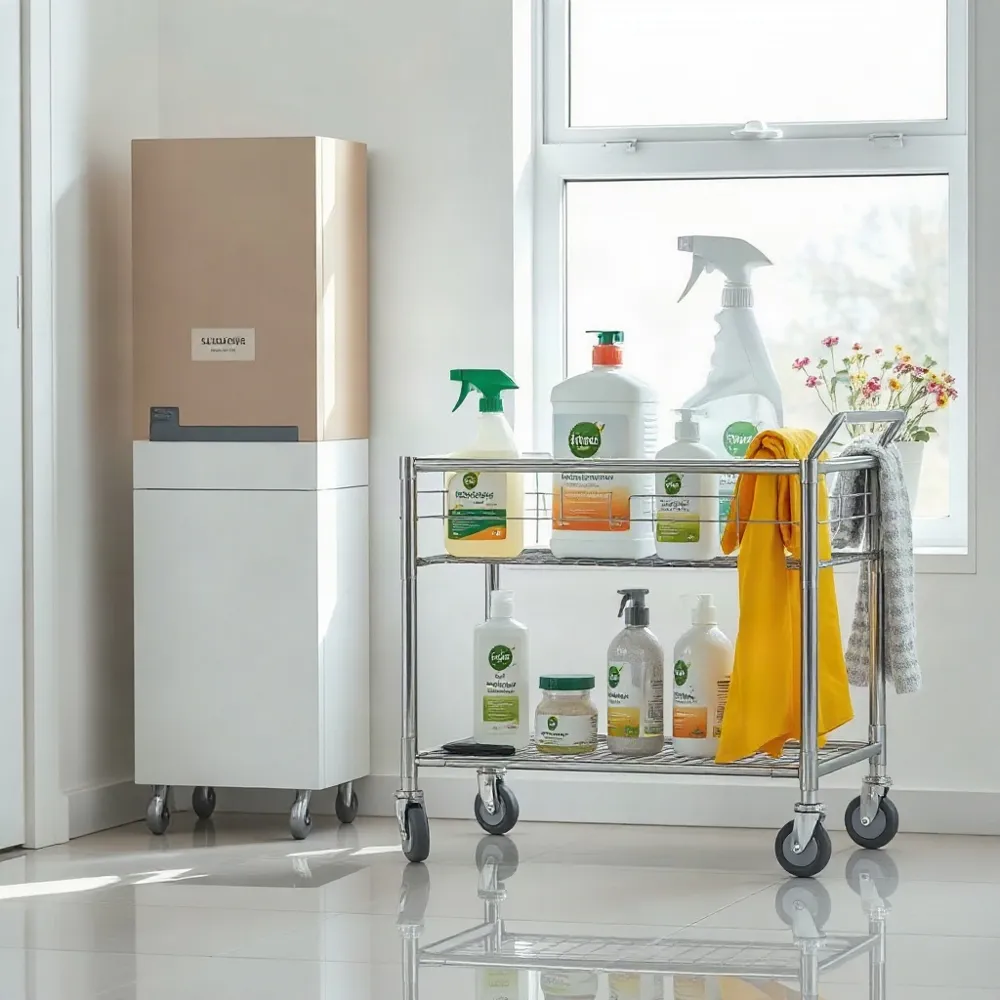
Natural cleaning agents like vinegar, baking soda, and lemon essential oil complement these tools with effective, eco-friendly cleaning power. For instance, vinegar can disinfect and descale, baking soda handles grease and odors, while lemon oil adds freshness and helps cut through grime.
Together, these tools and techniques enable professional cleaners to tackle even the most persistent grime, ensuring a thorough, safe, and environmentally conscious cleaning process.
Layered Cleaning Strategies: From Initial Assessment to Final Inspection
How do professionals ensure thorough stain and dirt removal throughout the cleaning process?
Professional cleaners follow a systematic cleaning approach to ensure every spot is thoroughly treated. It begins with a detailed inspection of the surface or garment under bright light to identify all visible and hidden stains. They assess the type of stains—protein, oil, tannin, dye-based, or combinations—and evaluate the fabric or surface to determine the safest and most effective cleaning chemicals. This is part of the Stain types and identification and Inspecting garments for hidden stains.
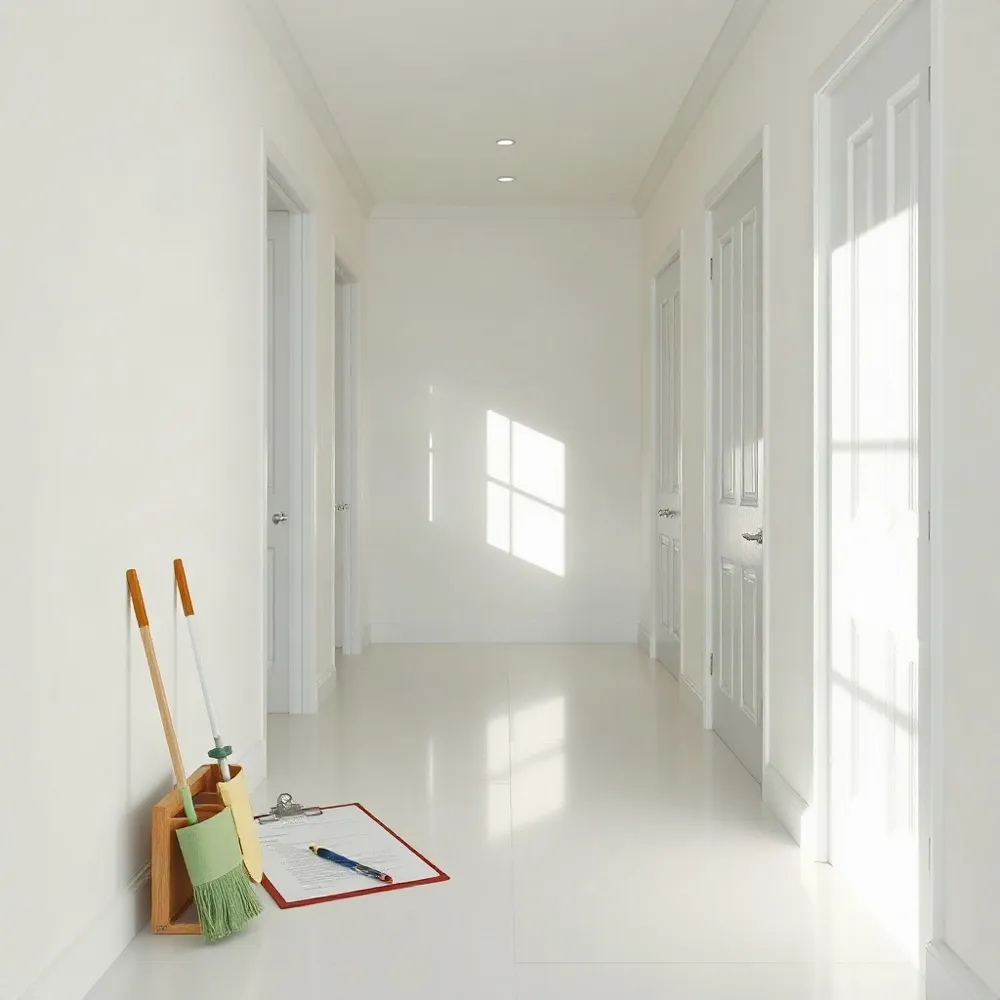
Using cleaning plans and checklists, professionals keep track of each step, ensuring no area is skipped and resources are efficiently allocated. This approach helps cover high-impact areas methodically and prevents missing spots. For examples of professional cleaning checklists and systematic approaches, see Professional cleaning checklist and Systematic Approach to Cleaning.
Pretreatment involves applying targeted chemical solutions directly to stains, often requiring multiple rounds if stubborn spots remain. The process includes rinsing and neutralizing to remove residue from these chemicals and maintain the fabric’s pH balance, avoiding potential discoloration or damage. This is detailed in Professional dry cleaner stain pretreatment and Applying stain removal agents.
A final inspection concludes the cleaning procedure, verifying that stains and grime have been removed effectively. If necessary, further pretreatment and cleaning cycles are done. This layered method not only enhances cleaning results but also protects the integrity and appearance of fabrics and surfaces, as discussed in Final inspection after pretreatment and Benefits of pretreatment in dry cleaning.
The Role of Natural and Safe Cleaning Ingredients in Professional Regimens

How do professional cleaners utilize natural cleaning agents and what precautions do they take?
Professional cleaners frequently turn to natural agents like vinegar, baking soda, and lemon juice as safe, eco-friendly options that effectively tackle stains, odors, and grime. Vinegar is prized for its ability to dissolve mineral deposits, neutralize odors, and disinfect surfaces. However, professionals avoid using it on delicate materials such as natural stone countertops (e.g., marble and limestone) and hardwood floors since vinegar’s acidity can etch or damage these surfaces.
Baking soda provides a mild abrasive action that helps lift grime without scratching surfaces; it also absorbs odors effectively. Lemon juice: a natural mild bleach, is used carefully to brighten and lift stains from fabrics and surfaces.
Natural ingredients are often paired with commercial cleaners or used with steaming methods to enhance cleaning power. For example, steaming a microwave with vinegar and lemon juice makes dried food easier to wipe away. Professionals strictly adhere to product compatibility and recommended concentrations to prevent damage, avoiding mixtures such as vinegar and bleach together, which can be hazardous.
Uses and benefits of natural stain and odor removers
- Vinegar: Removes mineral buildup, deodorizes upholstery and coffee makers, and disinfects countertops.
- Baking soda: Absorbs and neutralizes odors in carpets and mattresses, cleans tub and toilet stains when combined with vinegar.
- Lemon juice: Acts as a mild bleaching agent for fabric stains and naturally brightens surfaces.
As gentle alternatives, these ingredients help minimize chemical exposure and environmental impact while maintaining cleaning effectiveness within professional routines.
Limitations and precautions with natural agents
While natural, these ingredients have limitations:
- Not suitable for all surfaces (e.g., vinegar is avoided on marble and hardwoods).
- Some combinations produce weak or short-lived effects (e.g., baking soda and vinegar for pipe cleaning.
- Overuse or improper dilution may cause residue or damage.
Professionals read labels carefully and test in inconspicuous areas to ensure safety before full application (Reading cleaning product instructions.
Complementing chemical cleaners
Natural agents complement chemical cleaners by pre-treating stains or breaking down grime before applying stronger products. This reduces the amount of harsh chemicals needed and protects fabric and surfaces from overexposure. For instance, enzymatic pre-treatments address organic stains, while natural pastes soften mineral deposits prior to chemical cleaning.
Through thoughtful integration of natural ingredients, professionals achieve efficient, safe, and environmentally conscious cleaning outcomes.
Common Mistakes to Avoid When Tackling Tough Stains and Build-Up

What cleaning mistakes do professionals warn against to avoid damage and ineffective results?
Overusing cleaning products is a frequent error that professionals caution against. Using more detergent or cleaner than recommended can leave residues on surfaces and fabrics, which attract dirt and cause odors. It's important to follow product instructions carefully to apply the correct amount and avoid buildup. For detailed guidance, see Proper cleaner and detergent amounts.
Using improper combinations and incorrect products for surfaces
Mixing incompatible cleaning agents, such as vinegar with bleach, can lead to dangerous chemical reactions. Vinegar, though natural, should never be applied to natural stone surfaces like marble or hardwood floors as it causes etching and damage. Similarly, bleach must be used in controlled amounts; excessive use can discolor fabrics or deteriorate materials. Learn more about Vinegar use on natural stone countertops and Proper bleach use for disinfection.
The importance of reading instructions and pre-cleaning
Reading product labels is crucial. Labels provide guidance on surface suitability, dilution ratios, and contact times needed for effective and safe cleaning. Skipping preliminary steps like removing crumbs and debris before disinfecting weakens the disinfectant’s efficacy and may leave grime behind. See Reading cleaning product instructions and Pre-clean surfaces before disinfecting for more information.
Avoiding damage and residue for better stain removal
Following expert advice prevents fabric and surface damage from harsh chemicals. Proper pretreatment tailored to stain type and fabric protects textiles during cleaning. Also, avoiding harsh abrasion and cleaning gently by blotting avoids spreading or embedding stains further. Check out Professional dry cleaner stain pretreatment and Effective Stain Removal Techniques for expert techniques.
By avoiding these mistakes, you improve cleaning results, prolong surface life, and maintain a safer home environment.
Integrating Steam and Heat Techniques in the Stain Removal Arsenal

How do professional cleaners use steam and heat to enhance cleaning and stain removal?
Steam cleaning is highly valued by professionals for its ability to soften and loosen stubborn grime and stains without relying on harsh chemicals. Affordable handheld steamers enable deep penetration into surfaces like tiles, upholstery, and fabrics, making stains easier to remove while protecting delicate materials. For detailed techniques, see Cleaning secrets professionals know.
Using heat correctly is crucial; excessive or inappropriate heat can cause some stains, such as oil-based ones, to set permanently. Professionals avoid applying heat directly on these stains and instead use steam to gently lift contaminants. Related information on Effective Stain Removal Techniques may be helpful.
Steam also enhances pretreatment effectiveness by opening fabric fibers and loosening dirt, allowing stain removers and solvents to work more efficiently. Learn more about this process in Professional dry cleaner stain pretreatment. This chemical-free approach suits many surface types, including masonry, natural stone, and synthetic blends, reducing risk of damage while maintaining cleanliness. Guidance on Vinegar and natural stone surfaces advises caution with acidic cleaners.
This dual use of steam and controlled heat exemplifies an expert balance, maximizing stain removal success while preserving fabric and surface integrity.
Surface-specific applications
- Tiles and masonry: Steam loosens grime and mineral deposits without scrubbing. See Post construction cleaning services for related masonry cleaning.
- Upholstery and fabrics: Gently loosens stains and dirt without harsh chemicals. Related tips are found in Ultimate Stain-Removal Guide.
- Natural stone: Steam softens dirt but avoids acidic or harsh cleaner contact. For more on vinegar use and stone surfaces, check Vinegar and natural stone surfaces.
Through thoughtful use of steam and heat, professional cleaners combine efficacy, safety, and eco-friendly methods in their stain removal toolkit. Additional cleaning methods are detailed in Fast and Efficient Home Cleaning Guide.
Maintaining Cleanliness and Preventing Build-Up with Regular Professional Methods
How do professional cleaners maintain cleanliness and prevent build-up over time?
Professional cleaners rely on routine cleaning schedules that emphasize systematic approaches to keep spaces consistently clean. They focus on high-touch surfaces such as doorknobs, light switches, and countertops, alongside high-traffic areas like kitchens and bathrooms where dirt and germs accumulate quickly.
Routine cleaning schedules
Setting a cleaning schedule helps professionals maintain hygiene and reduces the need for intensive deep cleaning sessions. By cleaning regularly—often weekly—dirt, grease, and stains are less likely to build up, making each session faster and more effective. See details on efficient cleaning strategies and schedules.
Focus on high-touch and high-traffic areas
Since some surfaces receive more contact and use, cleaners prioritize disinfecting and wiping these spots to prevent the spread of germs. This helps maintain a healthier environment, particularly in shared spaces. Learn more about disinfecting high-touch surfaces and targeted cleaning.
Dusting and vacuuming techniques
Professionals start dusting from the top of a room, such as ceiling fans and shelves, working downwards to avoid dust resettling on cleaned areas. Vacuuming is done carefully, including corners and baseboards, often after sweeping to prolong vacuum life and improve effectiveness. Expert dusting and vacuuming techniques are recommended for best results.
Ongoing stain prevention
Immediate treatment of stains before they set is crucial. Professionals pre-treat stains with appropriate solutions and avoid setting them by not drying stained fabrics prematurely. This ongoing attention minimizes permanent damage and costly replacements. Refer to professional stain removal techniques and pretreatment and the ultimate stain removal guide.
Importance of scheduling
Regularly scheduled cleanings ensure maintained cleanliness, prevent grime build-up, and save time and money over the long run. A planned cleaning routine keeps living and working spaces fresh and hygienic without the stress of deep, time-consuming cleans. More on professional cleaning schedules and benefits.
Professional Cleaning Services: When to Call Experts for Deep Stain and Build-Up Removal
In what situations do professional deep cleaning services become necessary?
Professional deep cleaning is essential when regular DIY efforts no longer suffice—commonly after construction or renovation projects, where left-over dust, dirt, scuffs, and stubborn stains heavily soiled surfaces. Homeowners often notice persistent bad odors, grime buildup, and tough stains signaling the need for expert intervention. For detailed guidance on post construction cleaning services, including removing dust and scuffs, see resources on specialized cleaning.
One-time and post-construction cleaning
These specialized services involve comprehensive cleaning steps:
- Rough cleaning to remove debris and initial dirt
- Light cleaning focusing on kitchens, bathrooms, and main living spaces
- Final detailed cleaning including dusting, vacuuming, and stain removal
Post-construction cleaning also includes meticulous removal of labels and handling of masonry, fixtures, trim, and appliances to prepare properties for immediate use. This aligns with the three-phase cleaning process performed by trained and bonded staff.
Customizable cleaning plans
Clients can tailor one-time cleaning services for particular rooms or the entire home. Plans address specific needs such as heavy-duty stain treatments, allergen removal, or surface sanitization. For details on customizable cleaning schedules and benefits, refer to One-Time Deep Cleaning.
Specialized stain and residue removal
Experts use targeted techniques and chemical treatments matching stain types—protein, oil, tannin, or dye-based stains—with safe methods that protect fabric and surfaces. They are equipped with appropriate tools to pre-treat and neutralize stains effectively, avoiding damage. Consider reviewing detailed stain removal guides for professional stain pretreatment and ultimate stain removal techniques.
Trained and insured professionals
Cleaning teams are extensively trained, insured, and bonded, offering safety and reliability. Their experience ensures efficient workflows, often following systematic, top-down cleaning methods that reduce re-soiling and save time. For more on expert cleaning methods and professional tips, see professional house cleaning secrets and efficient cleaning strategies.
Benefits of hiring experts
Professional cleaning provides:
- Improved stain and dirt removal beyond common household methods
- Preservation of surfaces and fabrics using appropriate treatment
- Time and effort saved for clients
- Enhanced indoor air quality and hygiene
- Peace of mind from insured, vetted service providers
Engaging professionals transforms heavily soiled and post-renovation spaces into clean, safe, and fresh environments ready for immediate occupancy. For overall cleaning and maintenance tips, including safety and thoroughness, see cleaning secrets professionals know and nifty house cleaning hacks.
Mastering the Battle Against Stains and Grime
Professional cleaners combine expertise, systematic processes, specialized tools, and a keen understanding of chemistry and fabrics to effectively tackle tough stains and build-ups. Their methodical pretreatment, careful product selection, and application of natural and advanced cleaning techniques underscore the importance of acting promptly and methodically. By integrating thorough maintenance routines and leveraging professional deep-cleaning services when needed, homes and workplaces can maintain a cleaner, healthier environment. Emulating their strategies empowers anyone to elevate cleaning outcomes while safeguarding surfaces and fabrics.
Recent articles