Flexible and Reliable Cleaning Schedules to Fit Your Lifestyle


Why a Flexible Cleaning Schedule Matters
In today's fast-paced world, maintaining a clean and organized home while balancing work, family, and personal time can feel overwhelming. Adopting a cleaning schedule that is both flexible and reliable not only helps manage household chores efficiently but also reduces stress and promotes a healthier living environment. This article explores diverse cleaning routines designed to adapt seamlessly to various lifestyles, ensuring your home stays tidy without sacrificing valuable time or wellbeing.
The Foundations of a Manageable Cleaning Routine

What Are the Core Daily Cleaning Tasks?
Daily cleaning focuses on small, achievable tasks that keep your home consistently tidy without requiring much time. These include making beds daily, wiping counters daily, checking floors routine, tackling clutter, and doing a daily laundry load. These manageable cleaning routine tasks prevent mess from building up and create a solid foundation for organized home upkeep.
What Does the Weekly Cleaning Overview Look Like?
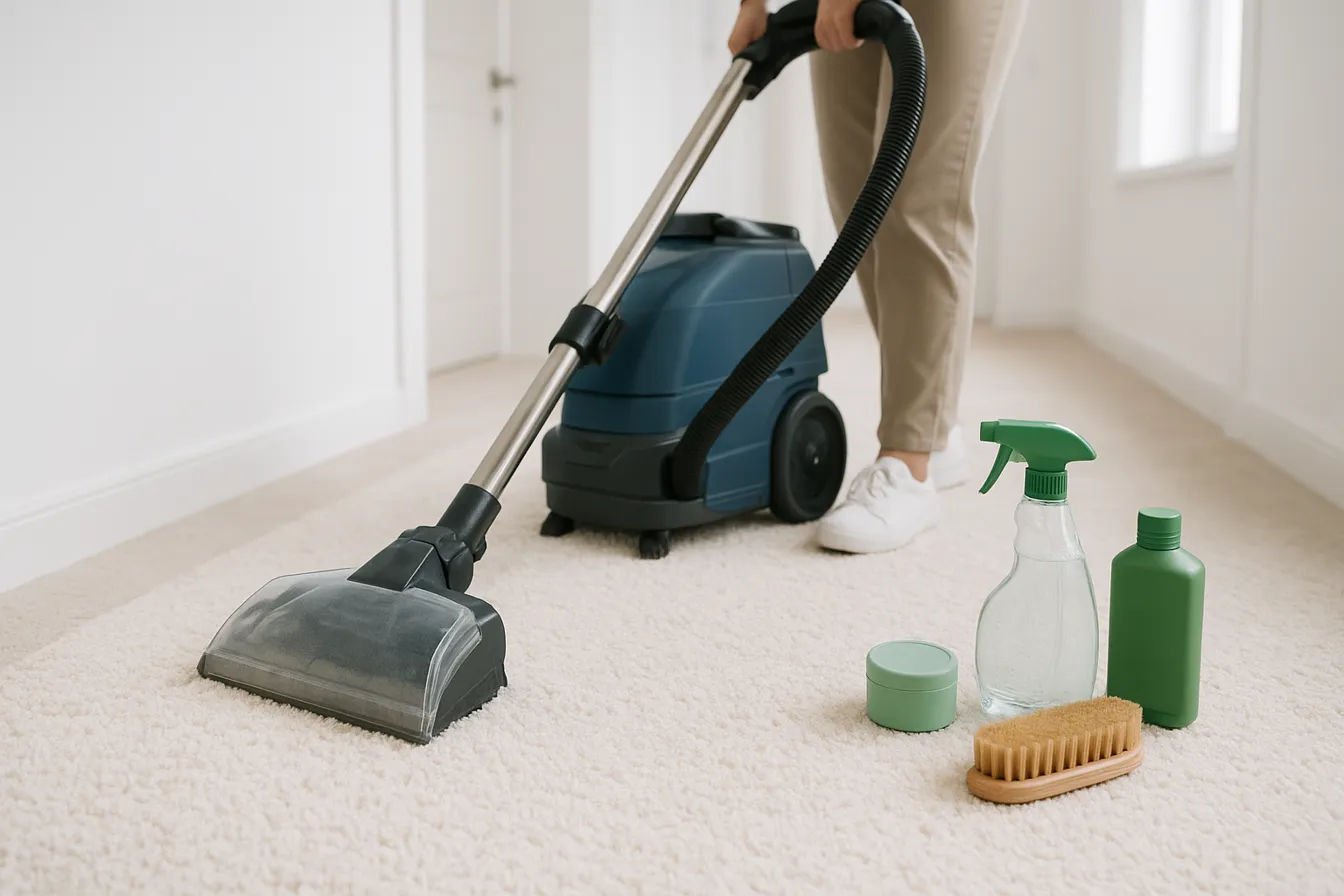
Weekly tasks are designed to be brief yet thorough, usually taking about 10-15 minute cleaning sessions each day. Key activities include bathroom cleaning schedule, weekly dusting routine, vacuuming tasks weekly, floor washing schedule, and doing weekly laundry tasks. Spreading these tasks across the week avoids overwhelming marathon cleaning sessions and helps maintain cleanliness steadily.
What Are the Benefits of Small, Consistent Tasks?
Focusing on daily and weekly bite-sized chores helps avoid cleaning overwhelm and reduces stress. This approach builds cleaning consistency, increases habit-building cleaning tips, and allows flexibility to accommodate busy lifestyles. It also prevents dirt and clutter buildup, making overall home care easier and more efficient, as highlighted in cleaning routine support.
How Do Deep Cleaning and Monthly Focus Themes Fit In?
Deep cleaning tasks are rotated into specific catch-up days and spread throughout the month to avoid burnout. Monthly focus themes guide attention on particular areas or projects, promoting organized and gradual home maintenance. This slow and steady strategy supports a flexible cleaning routine tailored to varied schedules and life demands.
Daily Cleaning: Small Steps for Big Impact

Making Beds
Starting your day by making beds daily sets the tone for a tidy space. It's a simple task that only takes a few minutes but instantly makes bedrooms appear neater and more organized.
Wiping Counters and Checking Floors
Daily wiping counters daily of kitchen and bathroom counters helps remove crumbs and germs, keeping surfaces clean and hygienic. Checking floors routine for debris or spills allows for quick spot cleaning that prevents dirt from accumulating.
Tackling Clutter
Addressing clutter every day—whether it's mail, toys, or misplaced items—prevents mess from building up. Spending just a few minutes tackling clutter tips keeps living areas organized and stress-free.
Doing a Load of Laundry
Incorporating one load of laundry into your daily routine reduces overwhelm from large laundry piles. This daily laundry load manageable approach ensures clothing and linens stay fresh and clean without taking much time.
Time-Efficient Daily Tasks
By focusing on small, achievable daily cleaning tasks like making beds, wiping counters, clearing clutter, and doing laundry, daily cleaning can be completed efficiently, often within 10-15 minute cleaning. This consistency prevents mess from piling up, making overall home maintenance simpler and less stressful.
Weekly and Rotating Tasks: Building Consistency Without Overwhelm

Short, focused weekly tasks
Weekly cleaning in effective schedules usually involves short, focused tasks that take about 10-15 minute cleaning each. Tasks include bathroom cleaning schedule, weekly dusting routine, vacuuming tasks weekly, floor washing schedule, and doing weekly laundry tasks. These bite-sized chores are manageable on busy days and prevent dirt build-up without requiring a major time investment.
Designated cleaning days
Assigning specific cleaning activities to particular days of the week creates structure and habit. For example, Monday may be for dusting, Tuesday for vacuuming, Wednesday for kitchen cleaning, and so forth. This method distributes workload evenly and helps maintain a consistent cleaning rhythm as described in the Cleaning Schedule You'll Actually Stick To.
Incorporation of rotating deep cleaning tasks
In addition to weekly chores, rotating deep cleaning tasks are incorporated into schedules. These deeper tasks, such as scrubbing grout, cleaning appliances, and washing baseboards, occur less frequently and are slotted on designated catch-all days, often at the end of the week. This rotation makes substantial cleaning manageable over time without causing overwhelm, supporting a flexible cleaning routine for any schedule.
Use of catch-up days to manage skips
Clean home routines incorporate flexibility by including catch-up days—commonly Fridays—which allow rescheduling of missed tasks. This accommodation reduces guilt and pressure, making it easier to maintain consistency without stress when life gets busy, aligning with tips on avoiding cleaning overwhelm.
Maintaining a balance between routine weekly chores and periodic deep cleaning tasks, while allowing for flexibility with catch-up days, fosters a sustainable and effective cleaning routine.
Monthly and Seasonal Strategies for Sustainable Home Care

How Do Monthly Focus Themes Promote Gradual Home Organization?
Monthly focus themes are designed to help homeowners organize and clean different parts of the home in a slow and steady manner. By concentrating on specific areas or tasks each month, the process becomes less overwhelming and more achievable. This gradual approach prevents burnout and helps maintain consistent upkeep throughout the year. For example, one month might focus on decluttering closets, while another focuses on deep-cleaning kitchen cabinets. For more details, see this Clean Mama Routine overview.
What Does Seasonal Deep Cleaning Typically Involve?
Seasonal cleaning addresses more thorough tasks to maintain home hygiene and prolong the life of household items. These tasks often include:
- Laundering pillows and rotating mattresses
- Deep cleaning major appliances such as ovens and refrigerators
- Organizing pantry and kitchen cabinets
- Cleaning baseboards and window treatments
- Preparing for seasonal clothing changes
Seasonal deep cleaning is typically done quarterly or at the change of each season, ensuring a comprehensive refresh beyond regular cleaning routines. Learn more about Seasonal cleaning checklist and Seasonal cleaning tips.
What Are the Benefits of Spreading Intensive Tasks Over Longer Periods?
Breaking down intensive cleaning tasks into monthly or seasonal segments reduces stress and makes the workload more manageable. Instead of dedicating large blocks of time in one session, homeowners can spread out these chores, fitting them conveniently into their schedules. This strategy supports sustainable home care by promoting consistency and preventing the buildup of overwhelming messes. For strategies and tips, see Benefits of a Cleaning Schedule and Flexible cleaning routine.
Could You Give Examples of Seasonal and Annual Chores?
Seasonal chores might include:
- Cleaning ovens and refrigerators
- Washing windows
- Dusting ceiling fans and light fixtures
Annual chores, which are more extensive, often involve:
- Cleaning gutters
- Inspecting and maintaining air vents
- Professional deep cleaning of upholstery and window treatments
These less frequent yet significant cleaning activities help maintain the home’s structural integrity and can prevent costly repairs over time. Explore Annual home maintenance and Professional upholstery cleaning for more information.
Adapting Cleaning Schedules to Diverse Lifestyles
Flexibility for Irregular Work Hours
Busy individuals with irregular or part-time work schedules benefit from adaptable cleaning routines like the Clean Mama Routine overview. This approach emphasizes manageable daily tasks—such as Make beds daily, Wipe counters daily, and Daily laundry load—that fit into unpredictable time slots. It also allows for skipped days and catch-up periods to accommodate fluctuating commitments without added stress.
Home Care with Young Children or Limited Mobility
Families with young children or individuals facing limited mobility require a cleaning plan that recognizes these challenges. The routine supports gradual home organization through Monthly focus themes and integrates Deep cleaning tasks into flexible catch-all days. This method prevents overwhelm, making home care sustainable and inclusive.
Adjusting Expectations and Avoiding Guilt
Central to effective cleaning schedules is the mindset of progress over perfection. Flexible routines encourage users to reschedule missed tasks without guilt, promoting Cleaning consistency without pressure. Recognizing that a perfectly clean house is unattainable helps reduce stress and encourages Habit-building cleaning tips.
Balancing Home Maintenance with Busy Family Life
For busy families, dividing weekly tasks into brief 10-15 minute cleaning sessions spread across the week, and delegating chores among household members, allows maintenance without sacrificing family time. Utilizing tools such as Cleaning planners and checklists and Homeowner's blog and community support sustainable cleanliness while respecting individual lifestyles and dynamics.
Optimizing Efficiency Through Scheduling and Delegation
How Does Having Set Cleaning Days Reduce Decision Fatigue?
Setting specific days for cleaning tasks reduces decision fatigue by eliminating daily choices about what to clean. When tasks are assigned to particular days, such as dusting on Mondays or laundry on Saturdays, it streamlines the process and creates a predictable routine. This method helps maintain consistency and decreases stress associated with planning chores each day. For more on Benefits of a Cleaning Schedule and how to create an Adaptable Cleaning Routine, check these resources.
What Are Effective Ways to Delegate Cleaning Among Family or Roommates?
Delegation distributes the workload and encourages shared responsibility. Assigning chores based on preferences, ages, or capabilities improves participation and efficiency. For example, one person could handle vacuuming while another manages bathroom cleaning. Creating a chore chart with delegated tasks helps clarify roles and accountability. Learn more about Organizing Household Chores and Cleaning Routine Support.
How Do Checklists and Printable Guides Assist in Organizing Cleaning Tasks?
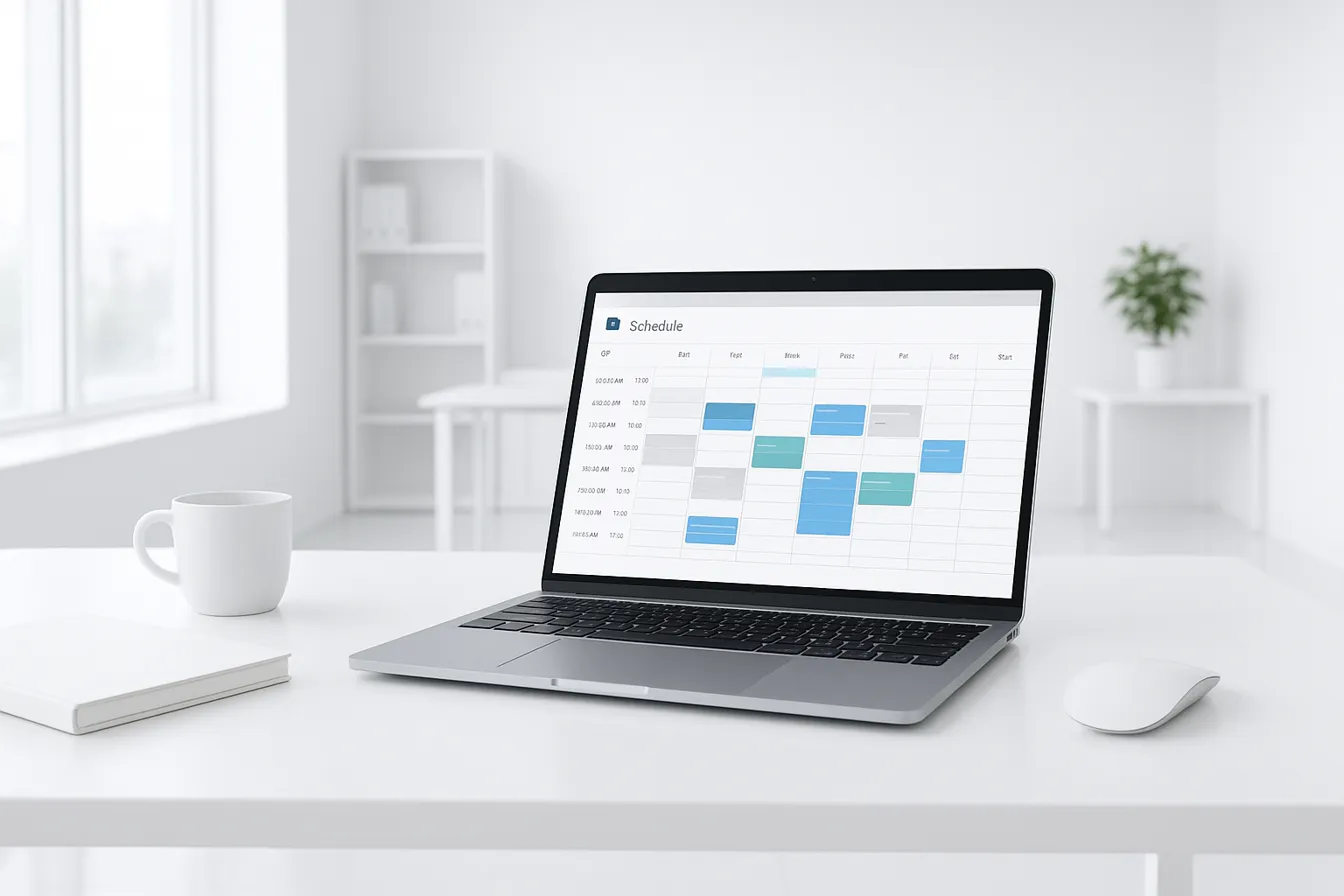
Using checklists and printable guides enhances organization by providing a clear visual of tasks to do and tracking progress. They serve as reminders and reduce the chance of overlooking chores. Many cleaning routines offer printable planners that divide daily, weekly, and monthly tasks, making it easier to follow and stick to the schedule. For examples of Printable Cleaning Schedules and Daily, Weekly, and Monthly Cleaning Tasks, see these helpful guides.
Why Is Involving Children in Household Chores Important?
Including children fosters responsibility, teamwork, and pride in contributing to the home. Age-appropriate chores, combined with tools like laminated checklists or chore charts, can make the process engaging. This early learning encourages lifelong good habits and helps lighten the cleaning workload for adults. Discover tips on Involving Children in Chores and Making Chores Fun for Families.
Table: Techniques and Tools for Cleaning Task Management
| Technique | Description | Benefit |
|---|---|---|
| Set Cleaning Days | Allocate specific tasks to certain days | Reduces daily planning stress (see more) |
| Delegation | Assign chores based on ability and preference | Shares workload effectively (learn how) |
| Checklists/Printable Guides | Use visual tools to track and remind tasks | Increases task completion (examples) |
| Child Involvement | Provide age-appropriate chores and checklists | Builds responsibility, shares chores (tips here) |
Health and Wellbeing Benefits of Consistent Cleaning Practices
How Does Consistent Cleaning Improve Indoor Air Quality?
Regular cleaning helps reduce dust, pet dander, and airborne allergens. Vacuuming frequently, especially with HEPA-filter vacuums, traps and minimizes the spread of these irritants, leading to better air quality.
How Does Cleaning Help Reduce Allergens and Pest Presence?
Scheduled cleaning removes food debris and clutter that attract pests, effectively pest-proofing the home. Additionally, routine dusting and wiping surfaces limit allergens that can trigger asthma and allergies.
How Does Maintaining Hygiene Prevent Mold and Other Issues?
Cleaning damp areas promptly with appropriate agents and ensuring good ventilation prevents mold and mildew growth. This upkeep maintains a healthier environment and avoids respiratory problems, as noted in home maintenance plans.
What Positive Effects Does Cleaning Have on Mental Health and Stress?
An organized, clutter-free space achieved through regular cleaning reduces visual and mental clutter, thereby decreasing anxiety and enhancing mental clarity. Consistent cleaning routines foster a sense of control and accomplishment, which further reduces stress. These benefits are emphasized in resources about mental well-being and clean spaces.
By integrating manageable daily and weekly cleaning habits, homes become healthier, both physically and mentally, supporting the wellbeing of all occupants.
Incorporating Professional Cleaning Services and Technology
When to Outsource Cleaning Tasks
Outsourcing cleaning becomes a practical choice when household demands exceed available time or energy. Busy families, working professionals, or those managing health issues may find professional services essential. Tasks that are time-consuming, require specialized equipment, or need deep cleaning can be delegated to professionals. For more information on Effective office cleaning schedule and delegating household chores effectively.
Benefits of Professional Cleaning for Busy Households
Professional cleaners offer expertise, thoroughness, and convenience. Their services can maintain a consistently clean home environment, reduce stress, and free up time for family or personal priorities. Many providers also offer customizable plans, including deep cleaning and specialty services that complement daily or weekly routines. Explore benefits of a cleaning schedule and creating a cleaning routine.
Use of Modern Cleaning Tools Like Robotic Vacuums
Incorporating technology such as robotic vacuums enhances cleaning efficiency. These devices operate autonomously to keep floors free of dust and debris, allowing household members to focus on other tasks. Robotic vacuums support maintaining daily cleanliness effortlessly, especially in high-traffic areas. For insights on scheduled maintenance and boosting cleaning efficiency.
Maintaining Routine with Professional Support
Scheduling regular visits with cleaning professionals helps uphold a steady cleaning schedule. This partnership ensures that deep cleaning and less frequent tasks are addressed, while homeowners maintain manageable daily and weekly upkeep. Professionals provide a reliable backup to maintain home hygiene, preventing overwhelm and sustaining cleanliness standards. For help with building cleaning routines and maintaining consistency and daily cleaning checklist.
Achieving Balance Through Flexible Cleaning Schedules
Flexible and reliable cleaning schedules empower households to maintain clean, healthy, and welcoming homes without overwhelming their daily lives. By incorporating manageable daily and weekly tasks combined with monthly and seasonal strategies, individuals can tailor routines to their unique circumstances and priorities. Emphasizing consistency, delegation, and adaptability reduces stress and fosters a sustainable approach to home care. Coupled with the support of family involvement, professional services, and modern cleaning technology, these cleaning schedules offer a balanced solution to household upkeep—ensuring that your lifestyle and living spaces harmonize effortlessly.
Recent articles