Cleaning Frequency Statistics: What the Data Says About Home and Office Cleaning Habits


Understanding Cleaning Frequency: Impacts and Trends
Cleaning Frequency in Homes and Offices
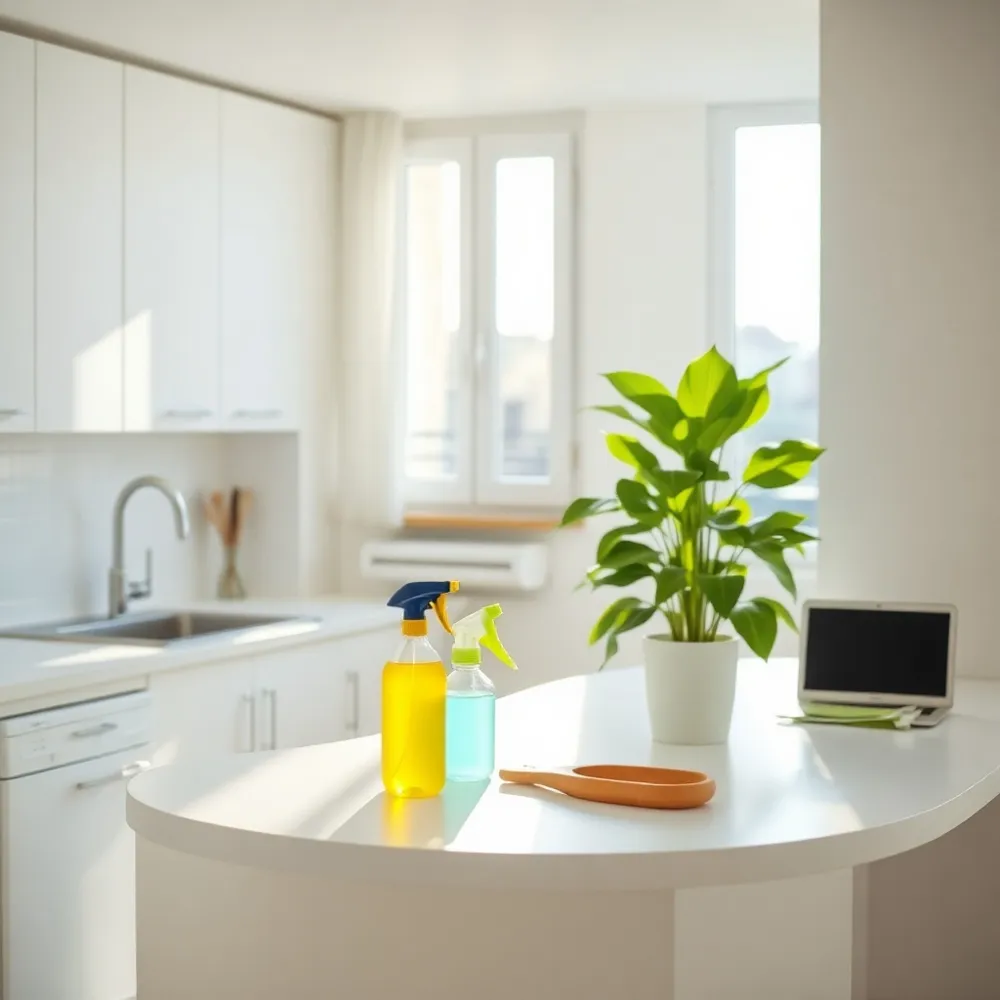
Most American households engage in regular cleaning, with about 80% participating in annual spring cleaning and 52% cleaning weekly. On average, Americans spend roughly six hours per week maintaining their homes, highlighting the importance they place on cleanliness. In offices, cleaning practices vary according to the size and nature of the workplace, but generally, workspaces with over 25 employees require cleaning at least three times weekly to maintain sanitation and hygiene. High-traffic areas like restrooms and kitchens often demand daily attention, and deep cleaning is typically performed monthly or biannually depending on office use.
Why Cleaning Matters for Health and Productivity
Cleaning significantly impacts both physical health and mental wellbeing. About 87% of Americans feel their best mentally and physically when their home is clean, and 60% report reduced stress and anxiety. Offices with rigorous cleaning protocols help reduce disease transmission and lower employee sick leave, thereby enhancing productivity. Visible cleaning efforts, such as daytime sanitation, also contribute to a safer work environment and improve worker confidence and retention. Additionally, a clean environment positively influences mood and relationships, with many finding a clean space motivating and uplifting.
Regular cleaning routines, tailored to high-traffic areas and specific needs, support healthier, more productive living and working spaces.
Home Cleaning Frequency: Habits and Motivations
How often do Americans clean their homes?
On average, Americans dedicate about six hours each week to cleaning their homes. This routine includes both light cleaning, which around 74% perform most often, and deeper cleaning tasks undertaken by roughly 26%. Commonly cleaned fixtures include toilets and floors, especially in larger households. Intensifying their cleaning efforts, 75% of U.S. households hire professional cleaners at least once annually, while 52% engage in weekly cleaning. A notable 80% also partake in annual spring cleaning, typically spanning one to two days, reflecting a strong national tradition (Americans' average weekly cleaning time, Spring cleaning frequency in the U.S. 2024).
What motivates people to clean, and how does it affect them?
Cleaning is not merely a chore; it significantly impacts mental and physical well-being. A vast majority, 87% of Americans, report feeling their best mentally and physically when their homes are clean. Beyond health, cleaning elevates mood for 66% of people, boosts productivity for 63%, and decreases stress and anxiety for 60%. Furthermore, cleaning positively influences relationships, with 60% feeling more attracted to a partner who takes initiative in home cleaning (87% of Americans feel best with a clean home).
Common cleaning tasks and their frequency
Regular cleaning tasks focus on high-use areas and often disliked chores. Bathrooms and kitchens require daily attention to maintain hygiene, with restrooms frequently cleaned at least once or twice daily, especially in high-traffic homes. Tasks like dusting and tackling hard-to-reach spots are less frequent but remain essential to reduce allergens and maintain overall cleanliness (Thorough office building cleaning frequency, Americans value clean and hygienic facilities).
Spring cleaning prevalence and duration
Spring cleaning remains a widespread practice with 80% of Americans participating yearly. While many households complete this deeper cleaning within two days, about a third may extend the process over several days. This seasonal tradition not only refreshes homes but also contributes to a sense of accomplishment and renewed motivation for ongoing cleanliness throughout the year (Laundry habits cold water usage, Spring cleaning frequency U.S. 2024.
Challenges and Preferences in Residential Cleaning
What are the common challenges people face when cleaning their homes?
Many homeowners find certain areas notably challenging to clean, such as window blinds, baseboards, fans, and windowsills, due to their hard-to-reach nature. Bathrooms are the most feared cleaning task, followed by kitchen cleaning. Alongside these difficulties, Americans often express frustration over spending more than $600 on cleaning products and tools that do not meet their expectations for effectiveness. Health and safety concerns heavily influence cleaning choices, with 71% prioritizing sanitation without harsh chemicals—especially parents, who constitute 72% of this group. This concern is reinforced by the importance placed on children's health when selecting cleaning products (source).
How are cleaning preferences evolving?
There is a clear shift towards eco-friendly cleaning services and technologically advanced cleaning solutions. Demand for eco-friendly cleaning services has risen by 30% over recent years, reflecting a growing preference for sustainable and health-conscious practices. Alongside this trend, automation technologies in cleaning is gaining ground, highlighted by a 40% increase in the use of robotic vacuum cleaners between 2021 and 2023. This movement toward automated and green cleaning aligns with consumer desires for efficient, effective, and environmentally responsible cleaning methods (source, source).
Cost and frequency of professional cleaning services
Approximately 75% of U.S. households hire professional cleaners at least once a year, with the average cost per session around $160. Although many perform light cleaning weekly, the use of professional services often addresses more thorough needs, especially in tackling difficult tasks or maintaining regular cleanliness. As cleaning habits evolve, the integration of eco-friendly cleaning services and automation technologies in cleaning in services offers homeowners customized and healthier cleaning choices (source).
Office Cleaning Frequency and Best Practices
How often should an office building be cleaned?
Effective office cleaning follows a structured schedule to maintain hygiene and promote a healthy work environment. Restrooms and kitchens require daily cleaning, with high-traffic restrooms potentially needing twice-daily attention to ensure sanitation. Lobby areas and customer-facing spaces also demand daily cleaning to sustain a welcoming and professional appearance.
Office Building Cleaning Frequency and Guidelines
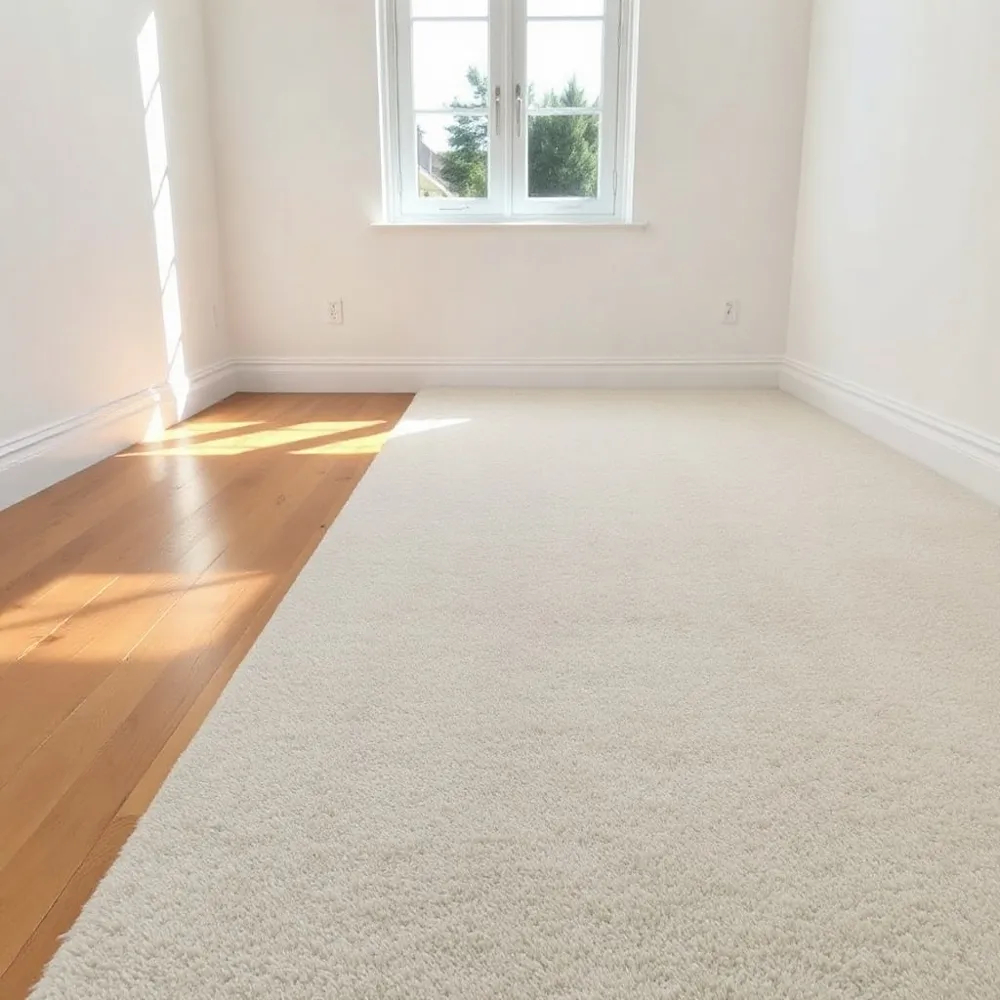
Carpet cleaning frequency depends on foot traffic; busy offices benefit from weekly vacuuming and deep cleaning at least once a month. Conversely, low-traffic offices may require monthly or even quarterly carpet cleaning. Hard floors should be dust mopped daily in high-traffic regions and mopped weekly.
Thorough Office Building Cleaning Frequency Recommendations
What are the benefits of thorough and frequent office cleaning?
Thorough, routine cleaning plays a critical role in preventing the spread of diseases and reducing employee sick leaves. Surveys indicate that 66% of U.S. workers find cleaning and disinfecting practices extremely important for workplace safety, reflecting high employee expectations.
Visible daytime cleaning has become more prevalent post-pandemic, with increased focus on disinfecting high-touch areas such as doorknobs, keyboards, and phones. This visibility reassures employees and contributes positively to workplace satisfaction and retention.
Importance of Visible Cleaning Efforts in Offices
Focus areas in office cleaning
- Restrooms: Clean daily; twice daily in busy facilities.
- Kitchens and break rooms: Daily surface disinfection, including microwaves and refrigerators (weekly deep cleaning).
- Carpets: Weekly vacuuming and monthly deep cleaning or adjusted depending on traffic.
- Lobbies & customer areas: Daily cleaning to maintain appearance.
Office Cleaning Best Practices and Frequency
Emerging best practices
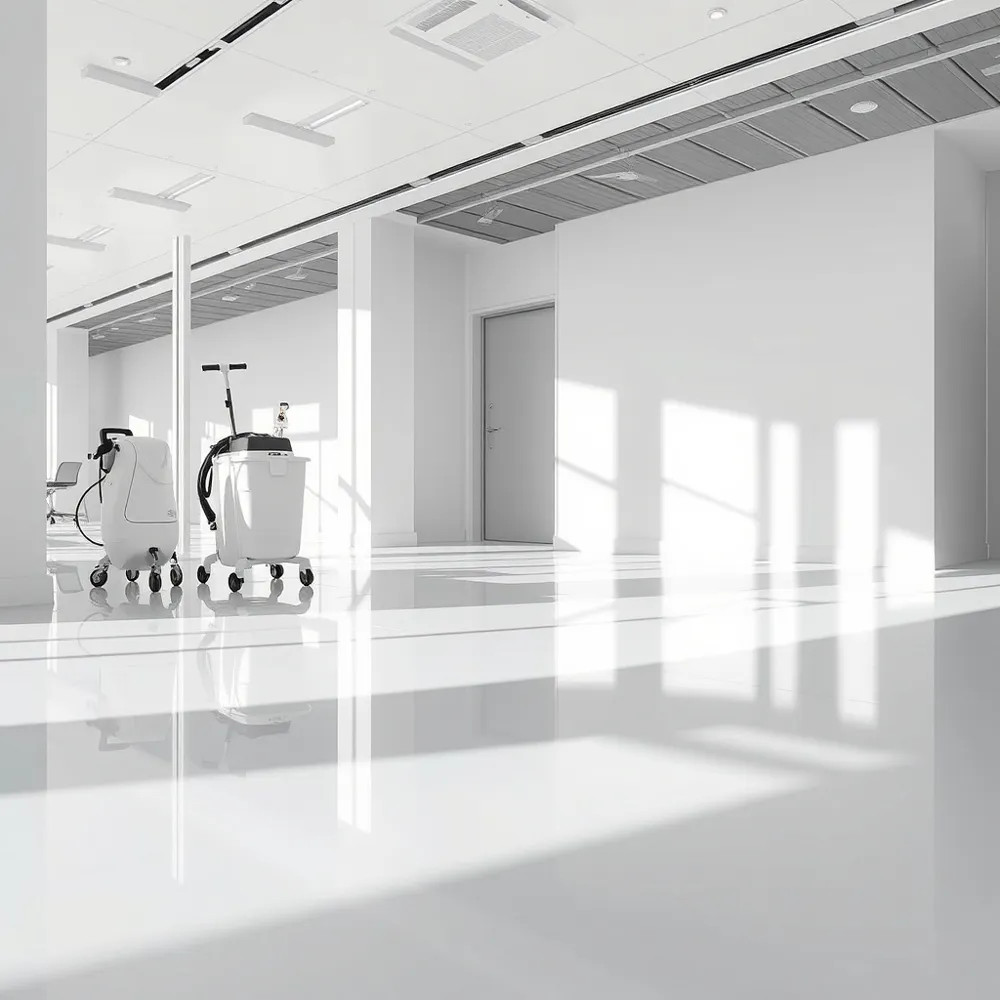
Many companies are shifting toward eco-friendly cleaning services and increasingly adopting digital tools for task tracking and communication efficiency. Customizable cleaning plans and integration of advanced disinfection technologies, such as electrostatic sprayers and antimicrobial coatings, are also shaping the future of commercial cleaning.
Top Commercial Cleaning Trends for 2025
These practices not only ensure a clean workspace but help foster employee trust and promote a culture of health and well-being.
Benefits of Regular Cleaning for Workplace Health and Trust
Trends Shaping the Cleaning Industry
What are the key trends influencing the cleaning industry?
The cleaning industry is undergoing considerable transformation propelled by several emerging trends. Growth projections indicate the U.S. cleaning services market will expand by USD 37.8 billion at a compound annual growth rate (CAGR) in cleaning services market of 5.9% from 2025 through 2029, fueled largely by demand in residential multifamily dwellings and commercial sectors (2025 House Cleaning Industry Trends.
Technological advancements play a pivotal role in this evolution. Automation technologies in cleaning like robotics and AI-driven systems enhance cleaning efficiency and precision. Electrostatic disinfection and integration with smart building IoT sensors represent cutting-edge hygiene innovations that improve sanitation standards (2025 House Cleaning Industry Trends.
Sustainability is another major focus area. The rise of eco-friendly cleaning services and green cleaning practices is evident through increased adoption of biodegradable and sustainable products, Green Seal-certified options, and low-fragrance formulations. Consumers and facility managers alike are prioritizing health-conscious, high-performance, and low-noise equipment (2025 commercial cleaning trends).
Service delivery models are also shifting. On-demand and customized cleaning services are gaining popularity, allowing clients to tailor cleaning scopes and schedules with greater flexibility. This approach better addresses diverse customer needs compared to rigid fixed contracts (2025 House Cleaning Industry Trends, 2025 commercial cleaning trends.
Labor shortages remain challenging for many cleaning companies, driving a push toward digital transformation, such as app-based task tracking and real-time communication platforms, to boost operational efficiency and service accountability (2025 commercial cleaning trends.
Together, these trends indicate a cleaning industry becoming more technologically sophisticated, environmentally responsible, consumer-focused, and adaptable to market demands.
Cleaning’s Role in Public Health and Well-being
How does cleaning affect health and well-being?
Cleaning plays a crucial role in enhancing both physical and mental health for the general population. Studies show that 91% of individuals link proper cleaning routines to improved physical health, while 84% acknowledge mental health benefits. This is largely due to the removal of allergens, bacteria, and indoor pollutants, which can be up to five times higher inside homes and workplaces compared to outdoor levels. For more insights, see Cleaning linked to mental and physical well-being.
Importance of hygiene practices and surface disinfection
Maintaining hygiene through regular cleaning of high-touch surfaces like toilets, showers, doorknobs, and desks helps to limit the spread of illnesses. Handwashing, disinfecting frequently touched areas, and laundry are among the most prioritized cleaning habits, practiced by over half of Americans. This dedication to hygiene not only helps public health but also contributes to feelings of safety and well-being. For details on top cleaning practices and their importance, refer to Americans push for clean hygienic facilities.
Cleaning’s influence on allergy reduction and indoor air quality
Dust mites and other allergens are responsible for approximately 50% of household allergies, making regular removal important for respiratory wellness. Professional cleaning has demonstrated the capacity to improve indoor air quality improvement by professional cleaning by up to 50%, significantly reducing triggers for asthma and allergies. Therefore, dusting and deep cleaning, though sometimes overlooked, are crucial tasks. Learn more about indoor air quality improvements and cleaning benefits at House cleaning statistics.
Public attitudes towards cleaning and hygiene
An overwhelming 97% of Americans believe that cleaning and hygiene are vital to public health. More than 70% have adjusted their cleaning habits recently to better protect themselves and their families. This awareness aligns with a growing demand for eco-friendly cleaning services and efficient cleaning practices, reflecting a societal commitment to health and environmental responsibility. For further survey results and statistics, see 2024 National Cleaning Survey Results.
Balancing Cleaning Frequency with Lifestyle and Priorities
How do people balance cleaning with other life responsibilities?
A notable 24% of Americans report finding it harder to keep their homes tidy than managing their full-time jobs. Parents typically dedicate more time to cleaning—about four hours a week compared to three for non-parents—reflecting added household demands. Keeping your home tidy vs. 9-to-5 job
Health is a major factor in cleaning practices, particularly for families with children. Approximately 71% of Americans emphasize sanitizing without harsh chemicals, with even higher concern (72%) among parents. Choosing non-toxic and gentle cleaning products is a priority to protect loved ones’ well-being. Americans value clean and hygienic facilities
Psychologically, cleaning serves multiple purposes beyond hygiene. It fulfills wellness goals, supports social perceptions, and fosters a sense of community. People often feel accomplishment and improved mood after cleaning, which can motivate regular maintenance despite busy schedules. 87% of Americans feel best with a clean home
Economically, cleaning routines come with significant expenses. Many individuals admit to wasting over $600 on ineffective cleaning tools and supplies. This underscores the need for informed product choices and efficient cleaning methods to balance cost with performance and health considerations. House cleaning time statistics
By understanding these lifestyle pressures and priorities, cleaning services and product providers can tailor solutions that align with customers’ time constraints, health concerns, and economic realities.
Future Outlook: Cleaning Frequency and Evolving Practices
Expectations for Cleaning Frequency
Most Americans engage in regular cleaning, with 80% participating in annual spring cleaning and many dedicating about six hours weekly to household upkeep. This trend is likely to continue, reflecting the importance placed on cleanliness for both mental and physical well-being.
Advances in Technology and Sustainable Practices
The cleaning industry is embracing innovative technologies such as robotics, IoT sensors, and AI-driven systems. Alongside this, there is a strong move toward eco-friendly products, with increased demand for biodegradable and green-certified supplies to reduce environmental impact.
Growing Recognition of Cleaning’s Benefits
Cleaning is increasingly appreciated not just for hygiene but for enhancing mood, reducing stress, and boosting productivity. Workplaces and homes alike are adopting more sophisticated cleaning routines, recognizing their vital role in health, safety, and overall quality of life.
Recent articles