Carpet Cleaning Statistics: Usage Patterns, Preferred Methods, and Consumer Trends

Understanding the Dynamics of Carpet Cleaning in Modern Spaces
Carpet cleaning is a fundamental aspect of maintaining healthy and aesthetically pleasing environments, whether residential or commercial. With increasing health concerns and lifestyle changes, the carpet and upholstery cleaning industry is evolving rapidly. This article explores current usage patterns, popular cleaning methods, and emerging consumer trends backed by market data and professional insights.
Global Market Overview and Growth Drivers

What is the current size and forecast for the carpet cleaning services market?
The global carpet and upholstery cleaning services market was valued at approximately USD 55.16 billion in 2022. It is forecasted to reach about USD 83.5 billion by 2030. This growth reflects a compound annual growth rate (CAGR) of around 5.3% over the period from 2023 to 2030. For detailed insights, see the Carpet & Upholstery Cleaning Services Market Report 2030.
What factors are driving the growth of the carpet cleaning market?
Several factors contribute to the market's expansion. Increased public awareness of hygiene following the COVID-19 pandemic has heightened demand for professional cleaning services. Additionally, rising health concerns such as allergies and respiratory issues encourage regular maintenance. The growth in pet ownership and the presence of children in homes further increase the need for frequent and thorough cleaning of carpets and upholstery. Refer to Market Growth Drivers for Carpet Cleaning for more details.
Which regions lead the carpet cleaning market?
In 2022, Europe was the largest regional market, accounting for approximately 34% of the global revenue share. Within Europe, Germany is expected to see the highest growth rate. The Asia Pacific region is also poised for strong growth, projected to have a CAGR of roughly 6.4%. This growth in Asia Pacific is driven largely by the expansion of commercial infrastructure such as shopping malls and hotels. More details can be found in the Europe Carpet Cleaning Market Revenue section.
How does the market segment by type and application?
Carpet cleaning services dominate the market with over 72% share, primarily because carpets cover larger surface areas and collect more dirt. Commercial applications hold about 83% of the market share owing to the hygiene standards required in offices, hotels, and healthcare facilities. Meanwhile, the residential segment is forecasted to grow faster, at a CAGR of 6.7%, due to busier consumers outsourcing their cleaning needs. For segmentation insights, consult the Carpet Cleaning Service Segment Market Share.
Residential vs. Commercial Usage Patterns
What are the usage patterns in residential compared to commercial carpet cleaning?
Carpet and upholstery cleaning services show distinct demand patterns in residential and commercial sectors. Commercial applications dominate the market, accounting for about 83% of demand. This dominance is largely due to expansive carpeted areas in hotels, offices, hospitals, and other institutions that require frequent cleaning to comply with hygiene regulations (Commercial Carpet Cleaning Market Share 2022, Environmental and safety regulations in carpet cleaning).
In contrast, the residential market, while smaller in size, is experiencing faster growth, with a forecasted CAGR of approximately 6.7% compared to commercial's steadier pace (Residential Carpet Cleaning Market Growth). This surge is driven by busy consumers who prefer to outsource cleaning tasks rather than performing them themselves.
Consumers in the residential sector increasingly value professional cleaning services to maintain home hygiene, tackle allergies, and manage pet-related dirt effectively (Cleaning and Maintenance). The ongoing heightened awareness around health and cleanliness post-pandemic also fuels this outsourcing trend (Impact of COVID-19 on Carpet Cleaning Industry, Environmental and safety regulations in carpet cleaning).
Growth Trends by Sector
| Sector | Market Share (2022) | Growth Rate (CAGR) | Drivers |
|---|---|---|---|
| Commercial | ~83% | Moderate | Large areas, strict hygiene standards (Demand from Commercial Spaces, Environmental and safety regulations in carpet cleaning |
| Residential | ~17% | High (6.7%) | Busy lifestyles, health awareness, pets (Post-pandemic Hygiene Awareness, Cleaning and Maintenance |
Consumer Behavior and Outsourcing Preferences
Residential consumers show a growing preference for professional cleaning providers to reduce personal effort and ensure thorough maintenance using advanced techniques (Effective Carpet Care Tips, Advanced cleaning machinery, Low-moisture cleaning techniques. Meanwhile, commercial clients prioritize compliance with environmental and safety regulations, relying on specialized cleaning firms to manage hygiene in high-traffic areas efficiently (Optimize high-traffic carpet cleaning, Environmental and safety regulations in carpet cleaning.
This divergence in consumer behavior reflects the broader trends in the carpet cleaning industry, highlighting convenience and health considerations as crucial factors driving residential market expansion (Industry Trends in Carpet & Upholstery Cleaning.
Preferred Carpet Cleaning Methods and Technologies
What are the preferred methods for maintaining carpets, especially in high-traffic areas?
Maintaining the cleanliness and longevity of carpets, particularly in high-traffic zones, hinges on Regular Vacuuming using Seal of Approval-certified vacuums and cleaning products. This routine prevents dirt from embedding deep into the carpet fibers, preserving both appearance and indoor air quality.
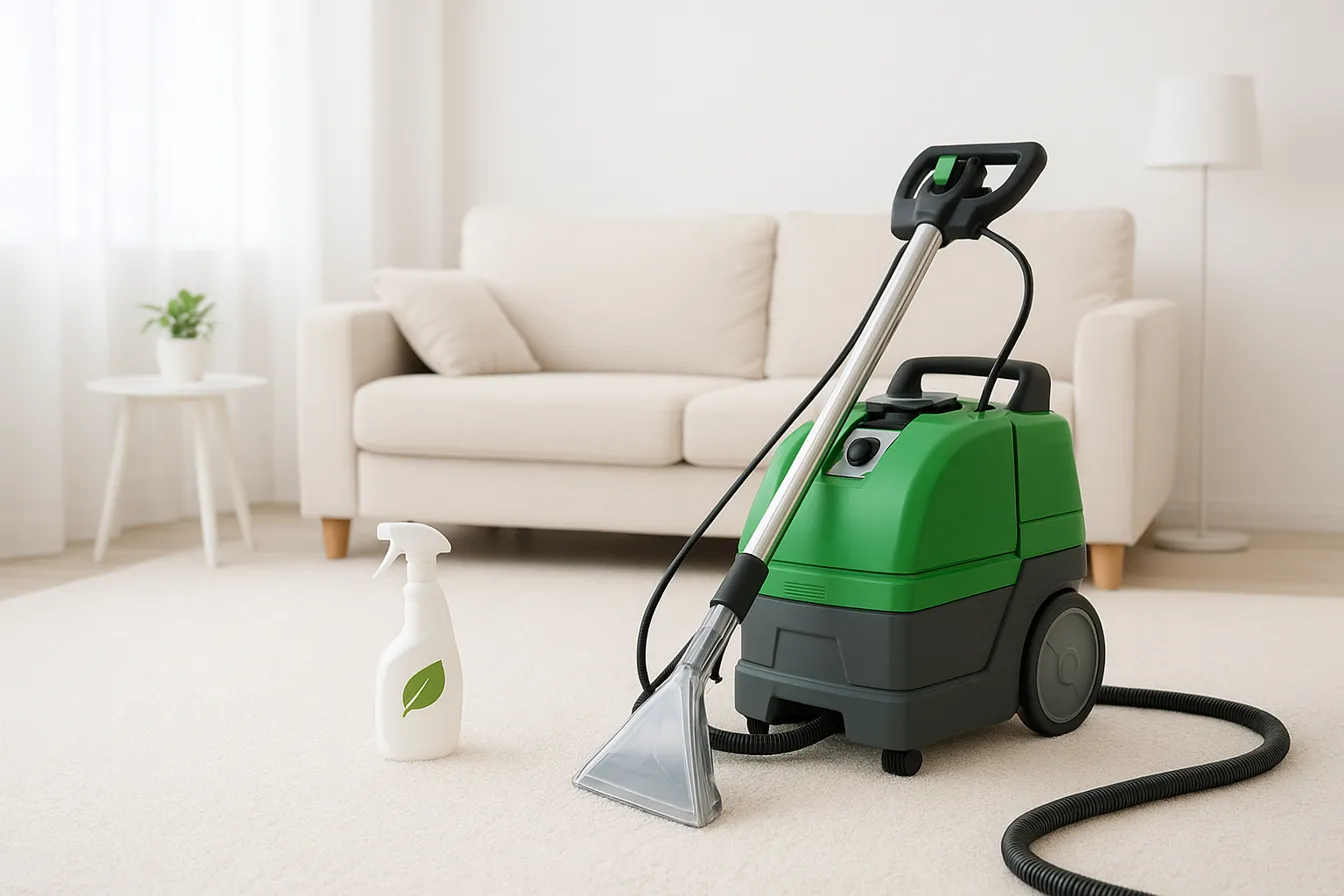
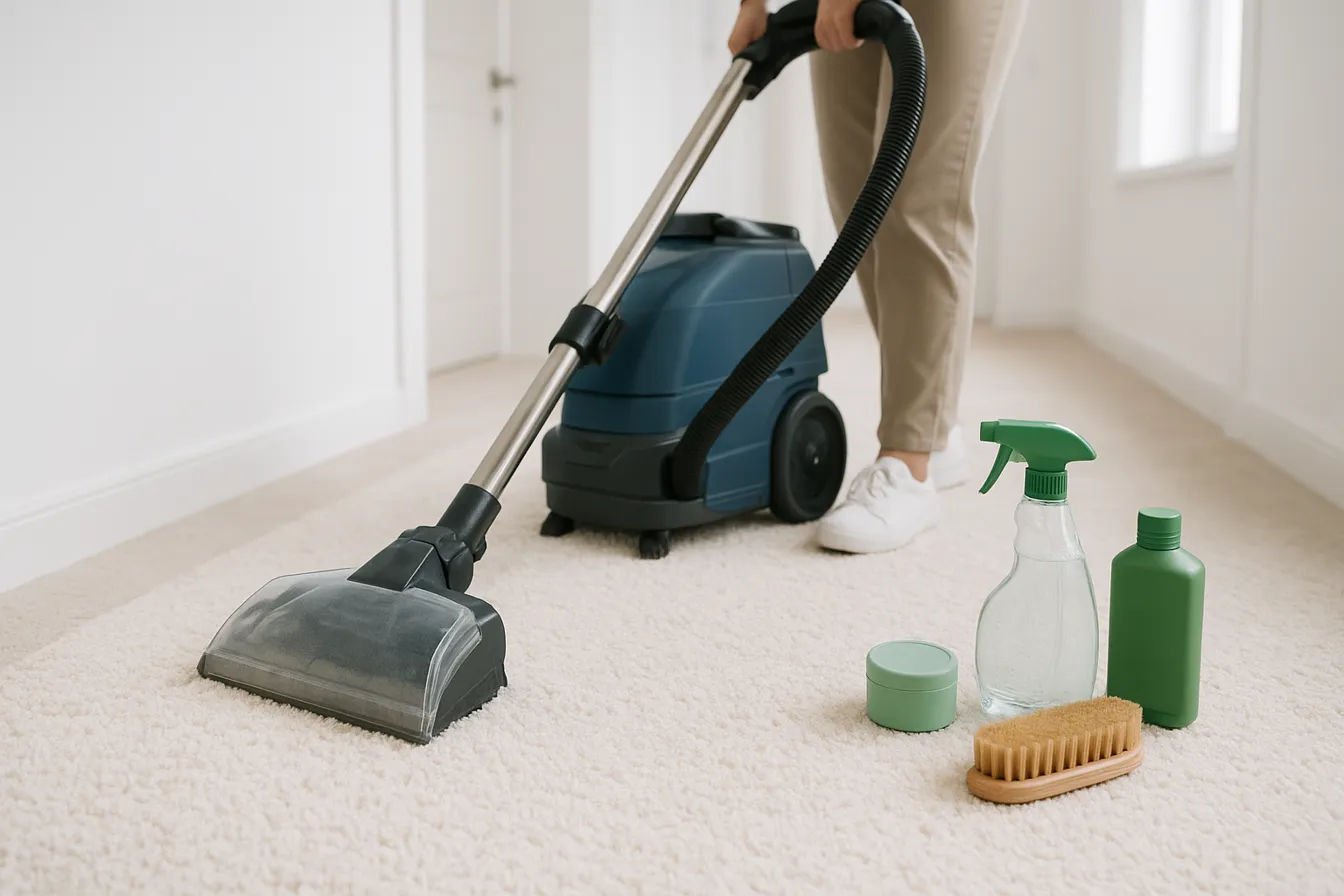
Advanced cleaning techniques incorporate specialized machinery and chemistry. For instance, Low-moisture encapsulation methods employ products like Whittaker’s Smart Care® TWIN and TRIO combined with CRYSTAL DRY® Chemistry. These technologies allow effective deep cleaning while minimizing moisture use, reducing drying time, and mitigating risks such as mold growth and fiber damage.
Scheduling daily vacuuming and prompt spot removal in busy areas like hallways and lobby entrances ensures dirt does not accumulate excessively, which helps maintain carpet aesthetics and function.
How often should carpets be professionally deep cleaned?
Professional deep cleaning is advised every 12 to 18 months for most spaces to thoroughly remove embedded dirt and grime. However, in areas with heavy foot traffic, such as commercial lobbies or busy corridors, a deeper clean every six months is recommended. This frequency supports prolonged carpet lifespan, typically extending the useful life from 5 to 7 years, by preventing premature fiber breakdown.
Adhering to these cleaning schedules and technologies assures healthier environments and helps maintain manufacturer warranties for carpet products. For further details on Cleaning and Maintenance and specific strategies for Optimize high-traffic carpet cleaning, these resources provide comprehensive guidance.
Health and Hygiene Considerations Influencing Consumer Choices
How do health concerns affect carpet cleaning usage?
Increased awareness of hygiene and health risks after the COVID-19 pandemic has led consumers to prioritize cleanliness more than ever. This has significantly boosted demand for professional carpet and upholstery cleaning services. People are especially focused on reducing allergens, dust mites, and harmful contaminants that can accumulate in carpets and upholstery (Impact of COVID-19 on Carpet Cleaning Industry.
Hygiene awareness post-pandemic
The pandemic raised general awareness about the importance of sanitary living environments. Carpets and upholstered furniture are now seen as potential reservoirs of germs and allergens, prompting more frequent and thorough cleaning routines. This heightened vigilance supports ongoing market growth as households and businesses seek safer, healthier indoor spaces (Post-pandemic Hygiene Awareness.
Impact of allergies and respiratory health
Health concerns such as allergies and respiratory conditions are important motivators behind cleaning choices. Carpets can trap pollen, pet dander, dust mites, and mold spores, which exacerbate allergic reactions and breathing issues. Professional cleaning removes these irritants effectively, providing relief to sensitive individuals (Cleaning and Maintenance.
Pet and kid-friendly cleaning needs
The growing prevalence of pets and children in homes demands specialized cleaning approaches. Carpets and upholstery endure stains, spills, and dirt more frequently in such environments. Cleaning services increasingly offer treatments that are safe for children and pets while maintaining high standards of cleanliness and hygiene (Cleaning and Maintenance.
These health-focused factors collectively drive the expanding carpet and upholstery cleaning market, emphasizing the role of targeted cleaning methods to meet consumer needs (Carpet & Upholstery Cleaning Services Market Report 2030.
Eco-Friendly and Sustainable Carpet Cleaning Practices
Are eco-friendly cleaning methods becoming more popular?
Yes, there is a clear trend toward adopting eco-friendly cleaning methods in the carpet and upholstery cleaning market. Consumers increasingly prefer green cleaning solutions that reduce chemical exposure and promote healthier indoor environments.
Use of environmentally safe products and practices
Use of certified green products, such as Seal of Approval–certified cleaning agents, is growing. These products minimize harmful chemicals while maintaining cleaning effectiveness. Low-moisture encapsulation techniques also support sustainability by reducing water use and drying times, which limits mold risk and fiber damage.
Consumer preferences for green cleaning
As health and environmental awareness rises, many customers now seek out services that emphasize safe, eco-friendly methods. This shift influences providers to invest in advanced, environmentally conscious chemistry and machinery for both residential and commercial cleaning.
Regulatory impacts in Europe
Europe's strict environmental and safety regulations in carpet cleaning significantly drive the adoption of sustainable cleaning practices. The region leads the market partly due to legal hygiene standards and policies encouraging reduced chemical impact. These rules incentivize businesses to prioritize eco-friendly products and techniques, helping to position Europe as a leader in green carpet care innovation, as reflected in the Europe Carpet Cleaning Market Revenue and Europe Carpet Cleaning Market Share 2022.
Impact of Carpet Cleaning on Carpet Longevity and Indoor Air Quality
How Does Proper Cleaning Extend Carpet Life Span?
Regular maintenance of carpets, especially in high-traffic areas, significantly extends their lifespan. Carpets subjected to routine vacuuming and professional deep cleaning every 12 to 18 months can last between five to seven years. This care prevents dirt and grime from embedding deeply into fibers, reducing wear and tear over time. Low-moisture cleaning techniques help avoid fiber damage and mold growth, further preserving carpet condition.
Why Is Carpet Cleaning Important for Maintaining Warranties?
Many carpet warranties require consistent care protocols to remain valid. Using Seal of Approval-certified vacuum cleaners and cleaning products helps maintain these warranties by ensuring that cleaning meets industry standards. Ignoring proper cleaning methods can void warranties due to damage caused by neglect or improper maintenance.
How Does Regular Carpet Cleaning Improve Indoor Air Quality?
Carpets are known to trap dust, allergens, and pet odors, which can degrade indoor air quality if not regularly cleaned. Routine vacuuming with certified equipment and periodic professional cleaning remove these contaminants effectively. This not only creates a cleaner environment but also reduces allergy and respiratory issues associated with poor indoor air.
What Benefits Does Effective Carpet Cleaning Provide Besides Cleanliness?
Proper carpet maintenance and timely professional cleaning extend carpet lifespan, typically allowing carpets to last five to seven years in high-traffic areas. It also maintains manufacturer warranties and considerably improves indoor air quality by reducing dust, allergens, and odors. For comprehensive market insights, see the Carpet & Upholstery Cleaning Services Market Report 2030.
Spot and Spill Management Best Practices
How should consumers handle spots and spills on carpets?
Immediate action is vital when a spill occurs on a carpet. Consumers should promptly blot the affected area using white absorbent materials, which help soak up liquids without transferring color. It’s important to avoid scrubbing, as this can push the stain deeper into the fibers and cause damage. For more detailed guidance, see Spot and Spill Management.
What products and methods are recommended for spot cleaning?
Using certified cleaning solutions recommended by programs like the Seal of Approval ensures safe and effective stain removal. These products are tested to maintain carpet integrity while efficiently treating spots. Applying the cleaner gently after blotting helps lift stains without spreading or discoloring the carpet. Learn more about Certified Cleaning Solutions.
How can damage from improper techniques be avoided?
Avoidance of harsh brushes, scrubbing, or unauthorized chemicals is essential. Such actions can fray carpet fibers, void manufacturer warranties, and worsen stain appearance. Following manufacturer guidelines and employing certified products preserves the carpet’s look and lifespan. Additional tips on Routine Carpet Maintenance can help maintain carpet longevity.
Technological Innovations in Carpet Cleaning Equipment
What technological advances have improved carpet cleaning?
Recent innovations in carpet cleaning technology, such as Whittaker’s Smart Care TWIN and TRIO systems alongside CRYSTAL DRY Chemistry, have significantly enhanced cleaning performance. These advanced systems utilize low-moisture encapsulation methods that effectively remove dirt without saturating carpet fibers.
Advantages of low-moisture machinery
Low-moisture equipment offers several benefits:
- Faster drying times: Carpets dry quicker, minimizing downtime especially in commercial spaces like hotels and offices.
- Reduced mold risk: Less moisture means a lower chance of mold and mildew development.
- Carpet protection: Gentle cleaning preserves carpet fibers, extending their lifespan.
These benefits align with effective low-moisture cleaning practices and carpet lifespan with proper maintenance.
Impact on cleaning quality and drying times
Using these advanced technologies results in high-quality cleaning that deeply penetrates fibers without damage. The process efficiently targets dirt embedded in high-traffic carpet cleaning areas while maintaining hygiene standards.
This technology supports maintenance of busy commercial and residential environments by combining effective cleaning with convenience and safety. It also helps meet stricter environmental and safety regulations in carpet cleaning in markets like Europe, contributing to the growth outlined in the Carpet & Upholstery Cleaning Services Market Report 2030.
Consumer Trends: Outsourcing and Frequency Preferences
How do consumer lifestyle changes affect carpet cleaning usage?
Busy lifestyles have driven a notable increase in outsourcing carpet cleaning services among consumers. Instead of handling cleaning themselves, many opt to hire professionals, enabling them to maintain clean and healthy living environments without sacrificing valuable time. This trend has significantly contributed to the residential market's growth, which is forecasted to grow at a CAGR of 6.7% (Carpet & Upholstery Cleaning Services Market Report 2030.
Growth in outsourcing carpet cleaning
As more households include pets and children, hygiene and allergen concerns rise. Outsourcing provides an efficient solution to manage these challenges. Consumers prefer to rely on certified professionals equipped with advanced cleaning technologies and products, ensuring deep and effective maintenance that extends carpet life (Cleaning and Maintenance.
Influence of busy lifestyles
The rise of remote work and hectic schedules means consumers want convenient, reliable services. Quick, regular vacuuming combined with professional deep cleans every 12 to 18 months fits modern convenience demands and health awareness (Optimize high-traffic carpet cleaning).
Recommended cleaning schedules
Daily vacuuming and immediate attention to spills or stains keep carpets in good condition, especially in high-traffic zones. For deeper dirt removal, professional cleaning sessions are recommended at least every six to twelve months, depending on traffic levels, to maintain appearance, air quality, and warranty compliance (Seal of Approval-certified Vacuum and Cleaning Products.
Embracing these trends, consumers prioritize both efficiency and health, supporting the growing carpet and upholstery cleaning services market globally.
Key Industry Players and Market Consolidation

Who are the leading companies in the carpet cleaning sector?
Prominent companies such as ABM Industries Inc., Anago Cleaning Systems Inc., and ServiceMaster Global Holdings Inc. dominate the global carpet and upholstery cleaning market. These leaders contribute significantly to market growth due to their extensive service networks and technological capabilities. For more details, see Key Companies in Carpet Cleaning Market.
Merger and expansion trends
The industry has observed a notable trend toward mergers and acquisitions, enabling companies to expand their geographic reach and optimize operational efficiency. This consolidation helps firms achieve economies of scale, facilitating investment in advanced cleaning technologies and improved service delivery models.
Impact on service availability and quality
As companies merge and grow, customers benefit from wider service availability and more consistent quality standards. Expansion drives innovation and professionalism in cleaning practices, ensuring higher hygiene standards, especially important in commercial applications like hotels and offices. The scale also allows for better training programs and customer support, further enhancing service reliability.
Consolidation and leadership by major firms thus ensure that both residential and commercial clients have access to dependable, high-quality carpet and upholstery cleaning services worldwide. For insights on Industry Trends in Carpet & Upholstery Cleaning and service quality improvements, refer to the linked market report.
Future Outlook and Consumer Implications
The carpet cleaning industry continues to expand, driven by heightened health awareness, technological advancements, and shifting consumer habits favoring professional services. Both residential and commercial sectors benefit from innovations and eco-friendly practices, improving overall hygiene and carpet longevity. As consumers prioritize convenience and sustainability, service providers must adapt to evolving preferences, promising continued market growth and elevated cleaning standards.
Recent articles