Cleaning Tips for Pet-Friendly Apartment Communities

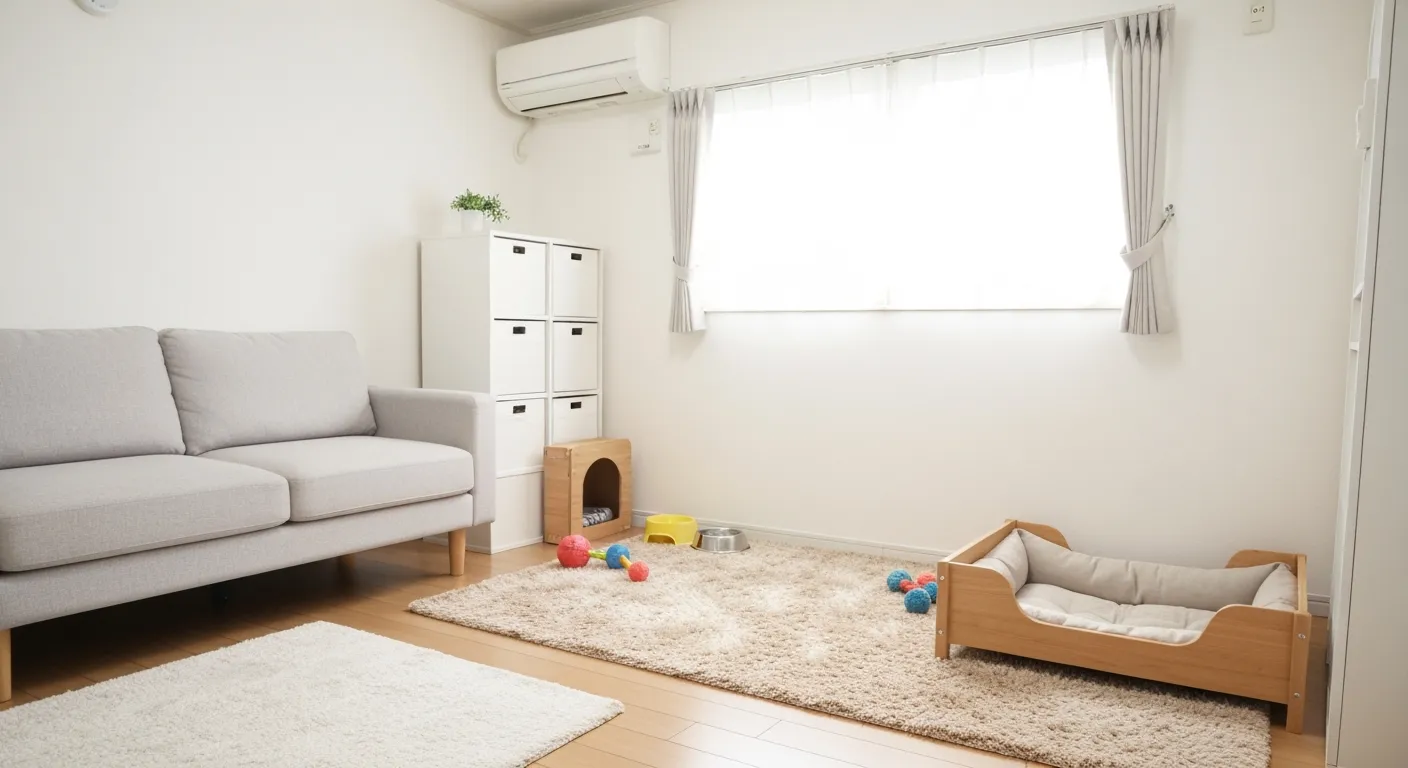
Why Cleanliness Matters in Pet-Friendly Apartments
Living with pets in an apartment setting requires a thoughtful approach to cleanliness that ensures a healthy, comfortable environment for both pets and people. Maintaining a pet-friendly home means managing not only the visible messes like pet hair and accidents but also invisible factors such as odors, allergens, and air quality. This guide explores essential cleaning tips and maintenance strategies tailored for residents of pet-friendly apartment communities to create harmonious, sparkling clean living spaces.
Managing Pet Hair and Preventing Damage
What are effective ways to manage pet hair in apartments?
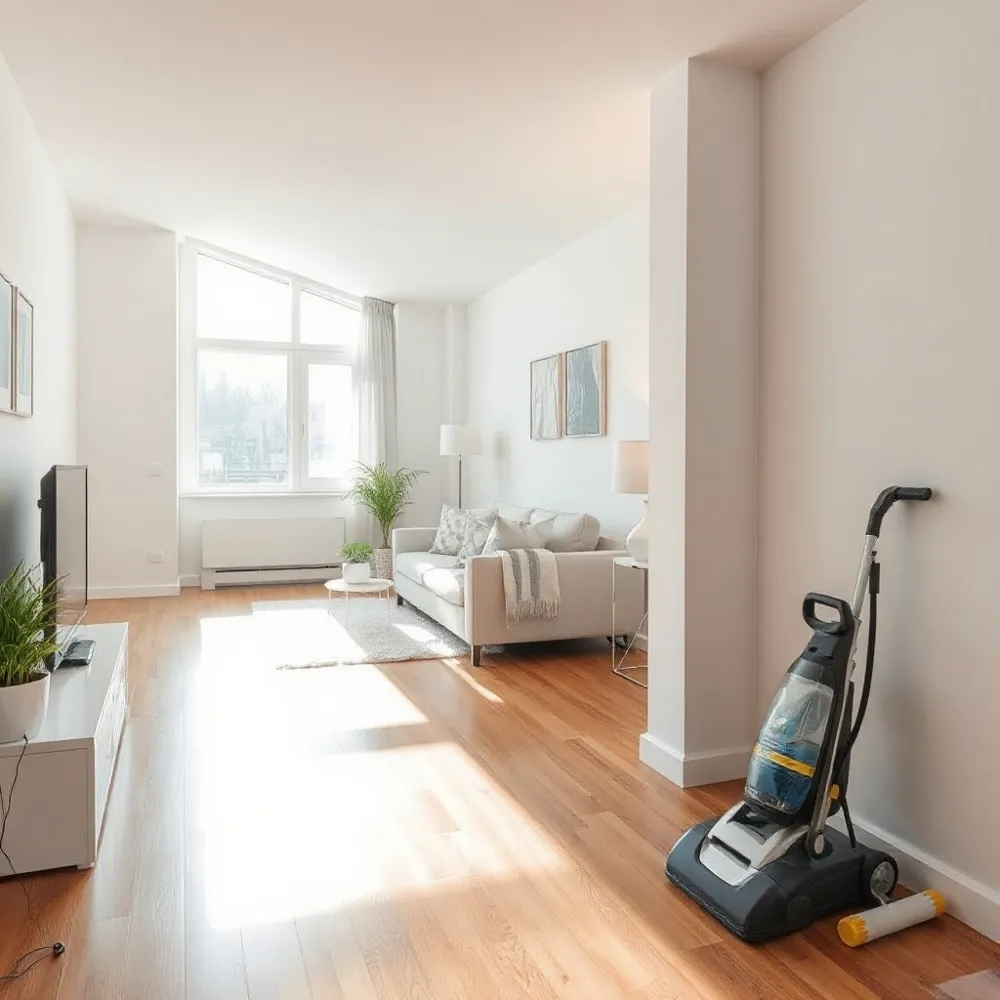
Managing pet hair in apartments efficiently requires the right tools and routine. A powerful vacuum cleaner equipped with specialized pet hair attachments and HEPA filters is essential for removing hair from floors and upholstery. Handheld vacuums are great for targeting furniture, stairs, and tight spaces where hair tends to accumulate. For quick clean-ups, lint rollers and damp rubber gloves can be used to pick up loose hair from clothing and surfaces with ease.
How can residents protect their furniture from pet-induced damage?
Protecting furnishings begins with covering them using washable sheets, towels, or specially designed furniture covers for pets, which shield against hair, stains, and scratches. Opting for furniture made from durable and pet-friendly fabrics such as leather, microfiber, or faux leather helps reduce hair adherence and simplifies cleaning. Providing pets with their own comfortable bedding encourages them to settle away from sofas and chairs, minimizing wear. Using scratching posts for cats and other enrichment tools divert destructive behavior. Installing barriers like baby gates allows for pet containment in designated areas, helping reduce overall furniture damage.
Tools and techniques for hair control
Effective control involves a combination of grooming and cleaning tools. Frequent brushing reduces shedding and loose fur, decreasing the amount that ends up on furniture and floors. Using vacuums frequently, especially models designed for pet hair, and applying lint rollers as a finishing touch keeps living spaces tidy. Furniture covers and choosing smooth fabric materials also aid in making hair removal quicker and less laborious for apartment residents.
Odor Control and Air Quality Improvement
What are the sources of pet odors in apartments?
Pet odors in apartments primarily stem from natural body oils, dander, urine, feces, and saliva of pets. These substances often become trapped in fabrics, carpets, furniture, and other porous surfaces, causing persistent smells that can be challenging to eliminate. For more information, see Pet Odor Sources.
How can pet odors be effectively controlled in apartment living?
Immediate cleanup of pet messes is crucial. Using enzyme-based cleaners breaks down the organic compounds responsible for odors, effectively neutralizing smells rather than merely masking them. Baking soda is a natural deodorizer; sprinkling it on carpets, upholstery, and pet bedding then vacuuming after 15 to 30 minutes helps absorb lingering odors.
Natural sprays such as a mixture of water and Listerine can deter pets from revisiting and soiling the same spots due to the disliked smell of mouthwash. Maintaining litter boxes by scooping daily and washing pet bedding regularly significantly reduces odor buildup.
What strategies improve air quality in apartments with pets?
Changing air filters frequently—ideally every two weeks—especially those equipped with HEPA filters — reduces the circulation of pet dander and hair throughout the apartment. Using air purifiers further diminishes airborne allergens and odors.
Enhancing natural airflow by opening windows and using fans also helps disperse stagnant odors. Incorporating indoor plants within the living space can aid in reducing pollutants and improving overall air quality. Routine cleaning of HVAC system ducts and coils prevents trapped pet odors from spreading in the apartment's air, as explained in Cleaning HVAC ducts and coils.
By combining these cleaning routines, odor control methods, and air quality strategies, pet owners can maintain a fresher and healthier apartment environment despite the challenges pets bring.
Safe and Effective Cleaning Products for Pet Owners
Which cleaning products are safe and effective for use in pet-friendly apartments?
Pet owners should choose natural cleaning ingredients that effectively neutralize odors and remove stains without harming their furry friends. Common safe options include baking soda to neutralize pet odors, which absorbs pet odors and acts as a gentle abrasive; vinegar for cleaning, valued for its bacteria-killing and odor-neutralizing properties; lemon juice as a cleaning agent, which offers antibacterial qualities and stain removal; and hydrogen peroxide for safe cleaning, a mild bleach alternative with antiseptic effects. Using enzyme-based cleaners made specifically for pet messes is highly effective as these break down organic materials that cause odors.
Avoiding harsh chemicals is critical. Ingredients such as ammonia, chlorine, benzalkonium chloride, and certain essential oils can be toxic to pets. Even natural substances that smell pleasant to humans may irritate or harm animals. For further details, consult Cleaning ingredients to avoid for pet safety.
What precautions should be taken when cleaning around pets?
When cleaning, it is essential to keep pets out of the area to prevent inhalation of potentially harmful fumes or accidental ingestion of cleaning agents. After applying any cleaning product, thoroughly rinse all surfaces and ensure no strong odors remain before allowing pets back into the room.
Cleaning products should be stored securely, well out of pets' reach, to avoid accidents. Always read labels carefully and follow the manufacturer’s instructions to maximize safety. Removing residues and ventilating spaces during and after cleaning reduces the risk of respiratory irritation in pets as highlighted in safe cleaning practices.
By selecting pet-safe cleaning products and practicing careful cleaning routines, apartment dwellers can maintain a clean, healthy environment for both pets and people.
Routine Maintenance and Pet Hygiene Practices

How does pet grooming contribute to apartment cleanliness?
Regular grooming is essential for maintaining a clean apartment when living with pets. Brushing your pet frequently reduces the amount of loose hair and dander, which otherwise accumulates on floors, furniture, and fabrics. Bathing your pets as needed helps control odors without causing skin irritation. Nail trimming is also important as it helps prevent accidental damage to furniture and flooring. Additionally, wiping your pet's paws upon returning indoors removes dirt, mud, and bacteria picked up outside, minimizing the mess brought into your home.
What cleaning routines help maintain hygiene with pets in apartments?
Maintaining hygiene in an apartment with pets requires consistent cleaning routines. Washing pet bedding weekly with pet-safe detergents keeps odors and bacteria at bay. For cats, daily scooping of litter boxes prevents odor and bacterial buildup. Using high-sided litter boxes and placing litter mats beneath them help contain scattered litter, reducing floor messes.
Consistent potty training and designating specific pet zones for eating, sleeping, and play help control accidents and mess spread. These measures, combined with regular grooming and prompt cleanup of messes, contribute to a cleaner, healthier living space for both residents and pets.
Practical Tips for Pet-Proofing and Maintaining Harmony

How can apartment dwellers pet-proof their homes effectively?
Securing hazardous items like cleaning supplies, medications, and electrical cords is crucial for pet safety. Covering trash cans prevents pets from rummaging through waste, minimizing mess and potential ingestion hazards. Fragile items should be removed or placed out of reach, and toxic houseplants should be replaced with safer alternatives. Creating a designated safe area with comfortable bedding, toys, and food and water bowls provides pets with a calming retreat, reducing anxiety and destructive behavior. For more pet-proofing tips, see dog-proofing your apartment.
What role does pet behavior management play in apartment living?
Training pets to obey basic commands, manage barking, and use specified areas helps prevent disturbances and damage. Regular outdoor exercise and mental stimulation are essential for reducing restlessness that often leads to noise complaints. Employing white noise machines or calming music can soothe high-energy pets, promoting a peaceful environment for both pets and neighbors. Learn more about managing pet behavior in apartments.
How can residents maintain good pet etiquette in community settings?
Following community pet policies such as leash rules, noise control, and immediate waste cleanup helps foster good neighbor relations. Residents should clean up pet messes promptly, both inside and outside the apartment. Informing neighbors about a pet’s temperament and respecting shared spaces also contribute to a positive community experience and harmonious pet-friendly living. For more on community pet etiquette and responsibilities and tips on cleaning pet messes promptly, check these resources.
Creating a Clean, Pet-Friendly Apartment Lifestyle
Successfully cohabitating with pets in apartment communities hinges on thoughtful cleaning and maintenance strategies that address hair, odors, allergens, and behavior. By embracing pet-safe products, consistent grooming routines, and proper training, residents can ensure their homes remain fresh and inviting. Additionally, proactive pet-proofing and neighborly etiquette help maintain a peaceful environment for all. Implementing these best practices enables pet owners to enjoy harmonious living with their furry companions while preserving the cleanliness and integrity of their apartments.
Recent articles